
In the landscape of personal finance, few line items are as volatile or as essential as private health insurance. For the modern professional, entrepreneur, or family unit, the question “how much is private health insurance?” is rarely met with a single, static number. Instead, it is the beginning of a complex financial audit. Private health insurance is not merely a monthly expense; it is a critical tool for asset protection, a hedge against catastrophic debt, and a foundational element of long-term wealth management.
Understanding the cost of coverage requires moving beyond the sticker price of a monthly premium. To truly grasp the financial impact, one must evaluate the interplay between fixed costs, variable liabilities, and the tax advantages that different plans offer. This article serves as a comprehensive guide to navigating the financial architecture of private health plans, ensuring that your healthcare spending aligns with your broader investment and savings goals.
1. Decoding the Core Components of Healthcare Pricing
The total cost of private health insurance is an aggregate of several distinct financial levers. To calculate your actual “all-in” cost, you must look at the mathematical relationship between what you pay to keep the policy active and what you pay when you actually access care.
The Premium: Your Fixed Financial Commitment
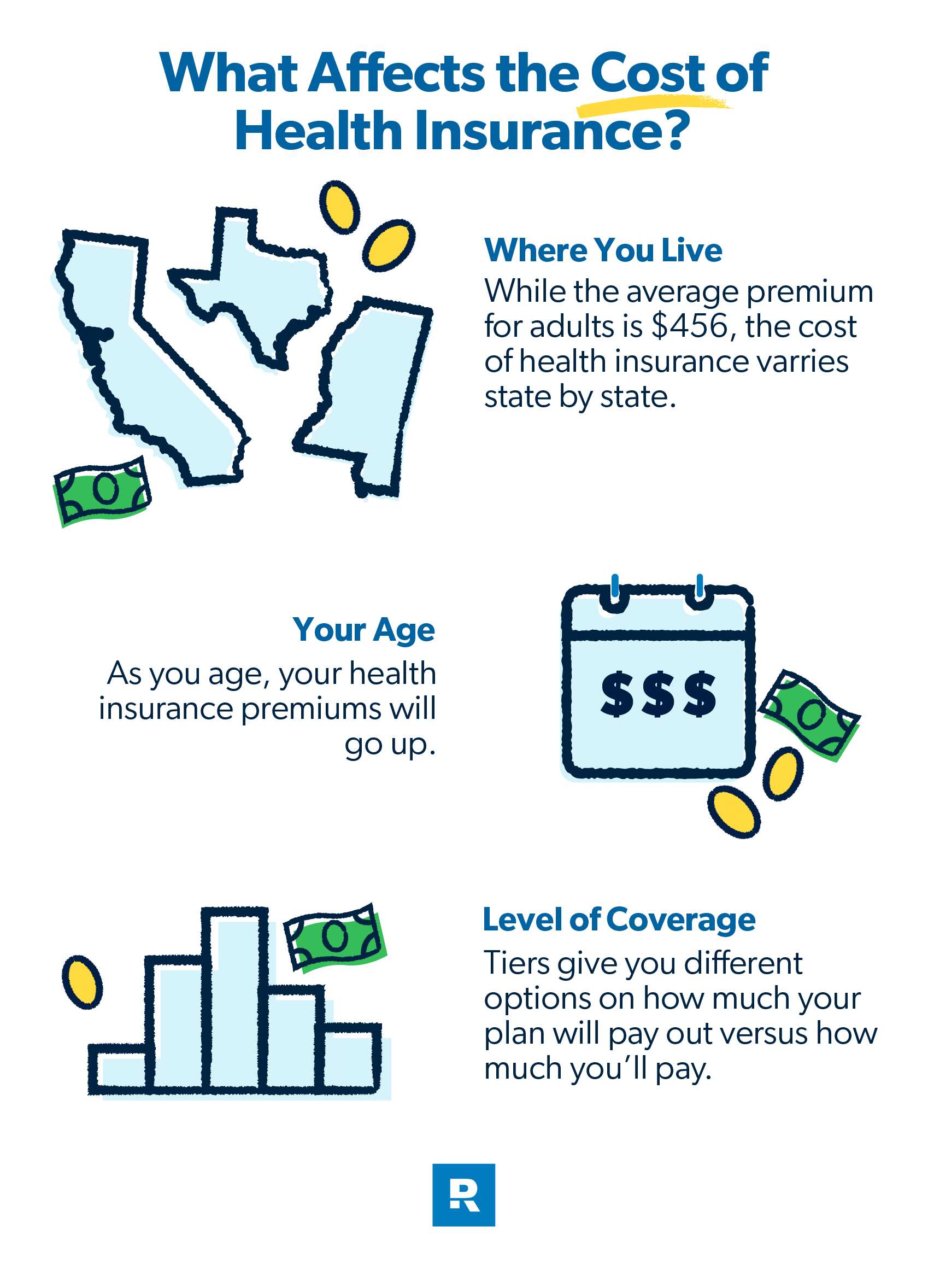
The premium is the most visible cost—the monthly bill you pay to your insurance provider. In the private market, premiums are determined by a variety of actuarial factors, including age, geographic location, and tobacco use. From a personal finance perspective, the premium is a “sunk cost” that buys you the right to negotiated rates and financial protection. It is important to note that a lower premium often correlates with higher “point-of-service” costs, making it a balancing act of cash flow versus risk tolerance.
Deductibles and the Threshold of Protection
The deductible is the amount you must pay out-of-pocket for covered services before your insurance carrier begins to pay. In the “Money” niche, the deductible represents your “self-insured” layer. High-deductible health plans (HDHPs) have become increasingly popular as a way to lower monthly premiums, but they require a robust emergency fund to cover that initial exposure. If you are healthy and have significant liquid savings, a high deductible can be a strategic way to reduce fixed monthly overhead.
Co-payments, Co-insurance, and Out-of-Pocket Maximums
Even after the deductible is met, most private plans require co-payments (flat fees) or co-insurance (a percentage of the cost). The most critical figure for your financial planning, however, is the “Out-of-Pocket Maximum.” This is the legal limit on what you can spend in a calendar year for covered services. Once this ceiling is reached, the insurer covers 100% of costs. When calculating your “worst-case scenario” for a fiscal year, the annual premium plus the out-of-pocket maximum is the number you must be prepared to lose.
2. The Strategic ROI of Private Health Plans
Viewing health insurance strictly as an expense is a narrow financial perspective. When managed correctly, private health insurance functions as an investment vehicle that offers significant tax benefits and shields your net worth from the rising costs of medical inflation.
Health Savings Accounts (HSAs) as Investment Vehicles
For those enrolled in a qualifying High-Deductible Health Plan, the Health Savings Account (HSA) is perhaps the most powerful financial tool available. An HSA offers a “triple tax advantage”: contributions are tax-deductible (reducing your taxable income), the money grows tax-free through investments, and withdrawals for qualified medical expenses are tax-exempt. From a wealth-building standpoint, many savvy investors pay for current medical expenses out-of-pocket, allowing their HSA funds to remain invested in the market for decades, effectively serving as a secondary retirement account.
Tax Credits and the Impact on Net Cost
In the private marketplace, specifically through the Affordable Care Act (ACA) exchanges, your “cost” may be drastically reduced by Advanced Premium Tax Credits (APTC). These subsidies are based on your Modified Adjusted Gross Income (MAGI). For entrepreneurs and freelancers, managing your income through business deductions can lower your MAGI, thereby increasing your eligibility for subsidies. This creates a direct link between your tax strategy and your monthly insurance costs.
Employer-Sponsored vs. Individual Private Plans
For many, private insurance is accessed through an employer. In this scenario, the “cost” is often hidden, as the employer typically subsidizes 70% to 80% of the premium. When evaluating a job offer, the quality and cost of the health plan should be viewed as part of the total compensation package. A salary of $100,000 with a fully-funded, low-deductible plan may be financially superior to a $110,000 salary with a high-cost, low-value insurance plan.

3. Optimizing Your Insurance Budget: Risk vs. Reward
Financial literacy involves choosing a plan that matches your current life stage and financial capacity. There is no one-size-fits-all cost; there is only a plan that fits your risk profile.
Assessing Actuarial Value (Metal Tiers)
Private plans are often categorized into Bronze, Silver, Gold, and Platinum tiers based on their “actuarial value”—the percentage of total average costs the plan pays.
- Bronze plans (60% coverage) have the lowest premiums and highest risk, suitable for those who rarely visit the doctor.
- Gold and Platinum plans (80-90% coverage) have high premiums but offer predictable costs for those with chronic conditions.
Choosing the wrong tier can lead to “over-insuring” (paying for coverage you don’t use) or “under-insuring” (facing a liquidity crisis during a medical emergency).
The Hidden Cost of Out-of-Network Care
A plan might look affordable on paper, but if its “network” of doctors and hospitals is narrow, you may end up paying “out-of-network” rates, which are significantly higher and often do not count toward your out-of-pocket maximum. From a business finance perspective, it is more efficient to pay a slightly higher premium for a plan with a “PPO” (Preferred Provider Organization) structure if you require specialized care or travel frequently, as it provides greater flexibility and avoids unexpected “balance billing.”
Utilizing Preventive Care to Mitigate Long-Term Expenses
Under most private insurance regulations, preventive services—such as annual physicals, screenings, and vaccinations—are covered at 100% with no out-of-pocket cost to the consumer. Utilizing these services is a proactive financial strategy. By identifying health issues early, you avoid the massive financial drain of emergency interventions and long-term hospitalizations that can derail a retirement plan or business venture.
4. Navigating the Market Dynamics of Insurance Costs
The price of private health insurance is not determined in a vacuum. It is influenced by broader economic factors, regional market competition, and federal regulations.
The Impact of Geography on Your Bottom Line
Insurance is regulated at the state level, and costs can vary wildly depending on where you live. Factors such as the number of competing insurers in a region and the cost of living in that state influence premiums. For digital nomads or those considering a cross-country move for a new business venture, health insurance costs should be factored into the “Cost of Living” index, as the difference between a plan in Texas versus a plan in New York can amount to thousands of dollars per year.
Inflation and the Medical Cost Trend
Medical inflation often outpaces general inflation (CPI). As healthcare providers demand higher reimbursements, insurers pass those costs onto the consumer. In your personal financial forecasting, it is prudent to assume a 5% to 10% annual increase in health insurance premiums. Building this “medical inflation buffer” into your long-term budget ensures that your lifestyle won’t be compromised by the rising costs of the healthcare sector.
Legislative Shifts and Financial Planning
Public policy changes can have immediate impacts on private insurance costs. Changes to subsidy thresholds, the introduction of new “public options,” or shifts in how “pre-existing conditions” are handled can all alter the private market. Staying informed on the legislative landscape is not just a matter of civic duty; it is a matter of protecting your household’s cash flow.

Conclusion: Health Insurance as a Financial Pillar
When you ask “how much is private health insurance,” the answer is a combination of your monthly premium, your tax strategy, and your risk management profile. It is a vital component of a holistic financial plan. By understanding the nuances of deductibles, leveraging the tax advantages of HSAs, and choosing the correct “metal tier” for your specific health needs, you transform insurance from a burdensome expense into a strategic asset.
Ultimately, the most expensive health insurance is the one that fails to protect you when you need it most. By treating insurance with the same rigor you apply to your stock portfolio or business expenses, you ensure that a medical event remains a health challenge rather than a financial catastrophe. Precision in selecting your coverage today is the key to preserving your wealth for tomorrow.
aViewFromTheCave is a participant in the Amazon Services LLC Associates Program, an affiliate advertising program designed to provide a means for sites to earn advertising fees by advertising and linking to Amazon.com. Amazon, the Amazon logo, AmazonSupply, and the AmazonSupply logo are trademarks of Amazon.com, Inc. or its affiliates. As an Amazon Associate we earn affiliate commissions from qualifying purchases.