
The landscape of digital entertainment has undergone a tectonic shift over the last decade. What began as a cost-effective alternative to bloated cable packages has slowly transformed into a complex ecosystem of tiered subscriptions, add-ons, and recurring monthly fees. One of the most significant recent changes for the average household budget is the introduction of advertisements to Amazon’s Prime Video service. For those accustomed to the uninterrupted “binge-watch,” the question is no longer just “what is on,” but rather “how much is it to maintain the experience I once had?”
From a personal finance perspective, the decision to pay for an ad-free experience is more than a matter of convenience; it is a calculation of value, opportunity cost, and subscription management. Understanding the true cost of Prime Video without ads requires a deep dive into the numbers, the broader trend of subscription inflation, and the strategic ways consumers can manage their digital overhead.
Understanding the New Math of Amazon Prime Pricing
For years, Amazon Prime was marketed as a holistic package where a single annual or monthly fee granted access to shipping benefits, music, and an ad-free library of movies and television. However, the economic realities of the streaming industry—characterized by high production costs and intense competition—have led Amazon to decouple the ad-free experience from the base Prime membership.
The Shift from Inclusive to Tiered Pricing
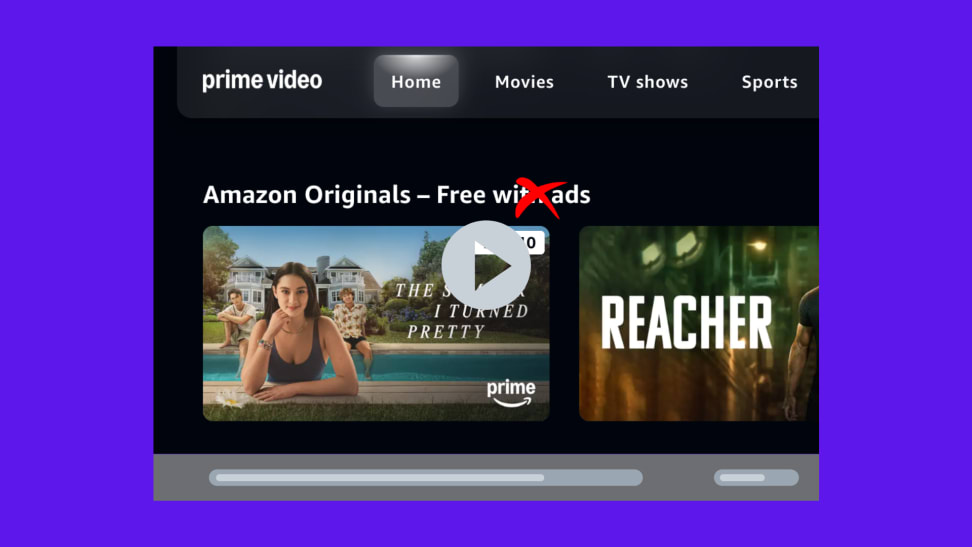
The current structure introduces a “base” tier that includes advertisements during movies and TV shows. To revert to the previous ad-free standard, subscribers must now pay an additional monthly surcharge. This shift represents a “hidden” price hike. While the headline price of Amazon Prime might remain stable for a period, the quality of the service—specifically the absence of commercial interruptions—has been downgraded, effectively forcing a “convenience tax” on those who wish to maintain the status quo.
Breaking Down the Monthly and Annual Costs
To accurately budget for Prime Video without ads, one must look at the cumulative totals. As of the current market standard, the ad-free supplement is priced at $2.99 per month.
- For Monthly Subscribers: If you pay for Prime on a month-to-month basis (currently $14.99), adding the ad-free option brings your total to $17.98 per month. Over a year, this totals approximately $215.76.
- For Annual Subscribers: If you pay the annual fee of $139, the additional $2.99/month (which is typically billed monthly regardless of your base plan) adds $35.88 to your yearly expenditure. This brings the total annual investment for an ad-free Prime experience to approximately $174.88.
When viewed in isolation, $2.99 seems negligible. However, in the context of personal finance, it is a 20% increase over the base monthly cost of Prime, a significant jump for any recurring expense.
The Hidden Impact of “Subscription Creep” on Your Budget
In financial planning, “subscription creep” refers to the slow accumulation of small, recurring monthly charges that, while seemingly insignificant individually, aggregate into a substantial financial burden. The decision to pay for ad-free Prime Video must be analyzed within the broader context of your entire digital footprint.
Tracking Incremental Increases Across the Streaming Landscape
Amazon is not alone in this strategy. Netflix, Disney+, and Max have all introduced ad-supported tiers while simultaneously raising the prices of their premium, ad-free offerings. For a household that subscribes to three or four major services, these incremental $2 or $3 increases can quickly add $10 to $15 to the monthly budget.
From a wealth-building perspective, that $15 a month—$180 a year—could instead be directed toward a high-yield savings account or an index fund. Over a decade, that small “ad-free” premium across multiple services could represent thousands of dollars in lost investment potential due to the power of compound interest.
Calculating the Long-Term Cost of the Ad-Free Premium
When evaluating a side hustle or a new investment, we often look at the “burn rate.” The same logic should apply to our digital lives. If you are paying $35.88 extra per year for Prime Video to be ad-free, you are essentially committing to a small, perpetual liability. If you maintain this for the next 20 years, you will have spent over $700 just to avoid commercials on a single platform. This is why financial literacy in the modern era requires a ruthless audit of “auto-pay” features that bypass our daily conscious spending decisions.
Value Analysis: Is Ad-Free Prime Video Worth the Extra Expense?
The “Money” niche isn’t just about saving every penny; it’s about the efficient allocation of resources. Whether the $2.99 monthly fee is “worth it” depends on how you value your time and the quality of your leisure hours.
Time Savings vs. Monetary Cost
The primary product being sold for $2.99 is not “content,” but “time.” Most streaming ads run for approximately 30 to 60 seconds, several times per hour. If you watch five hours of Prime Video a week, you might be subjected to 15–20 minutes of advertisements.
If your professional hourly rate is $30, and you spend roughly 80 minutes a month watching ads, you are effectively “trading” about $40 worth of your time to save $2.99. In this narrow view, paying for the ad-free tier is a mathematically sound decision for high-earning professionals whose leisure time is extremely scarce and valuable. Conversely, for a student or someone on a tight fixed income, that $2.99 represents several meals or a week’s worth of transportation costs, making the “time-for-money” trade-off less attractive.
Comparing Prime Video to Competitors’ Ad-Free Tiers
When allocating your “entertainment budget,” it is helpful to compare the price-per-feature across platforms.
- Netflix: Their ad-free “Standard” plan is significantly higher than the base Prime membership.
- Disney Bundle: Often offers better value if you utilize multiple platforms (Hulu, ESPN+, Disney+).
- Prime’s Unique Value: Unlike other streamers, the $2.99 ad-free fee is tacked onto a service that also provides logistics benefits (shipping). This makes the “Money” calculation unique; you aren’t just paying for a video service, you are paying for an ecosystem. If you don’t use the shipping benefits frequently, the “Ad-Free Prime” package becomes one of the most expensive streaming options on the market.
Strategic Budgeting for the Modern Digital Household
Managing a household budget in the era of tiered subscriptions requires a more active approach than the “set it and forget it” mentality of the past. To offset the cost of ad-free tiers, consumers must adopt more sophisticated financial strategies.
The “Rotate and Cancel” Method for Streaming Services
One of the most effective ways to reclaim your budget is the rotation strategy. Rather than paying for Prime Video (with the ad-free add-on), Netflix, and Max simultaneously, a financially savvy consumer subscribes to one service for two months, watches the desired content ad-free, and then cancels that subscription to move to the next service.
This keeps your monthly “Entertainment” line item fixed. For example, by rotating, you could enjoy the premium, ad-free experience of any platform for roughly $15–$20 a month total, rather than paying $60+ a month to have all of them active at once.
Leveraging Annual Discounts and Bundled Benefits
Whenever possible, paying annually for the base membership of Prime saves money compared to the monthly rate. However, because the ad-free $2.99 fee is often billed monthly, users should keep a close eye on their credit card statements. Some premium credit cards offer “streaming credits” as a perk. Utilizing a card that gives 3% to 6% cash back on streaming services can effectively subsidize a portion of the ad-free surcharge, reducing the “real” cost of the upgrade.
The Future of Consumer Choice in the Subscription Economy
The transition of Prime Video to an ad-supported model with a paid “out” is a signal of where the entire digital economy is headed. As consumers, we are moving away from ownership and toward a “utility” model of media consumption.
Why Ad-Supported Tiers are Becoming the Industry Standard
From a business finance perspective, ad-supported tiers are incredibly lucrative. Companies often make more “Average Revenue Per User” (ARPU) from the combination of a lower subscription fee plus ad revenue than they do from a single high-priced premium subscription. This is why Amazon and others are nudging users toward ads; if you choose not to pay the $2.99, Amazon likely makes that much (or more) by selling your attention to advertisers.
Protecting Your Financial Health in a Recurring Revenue World
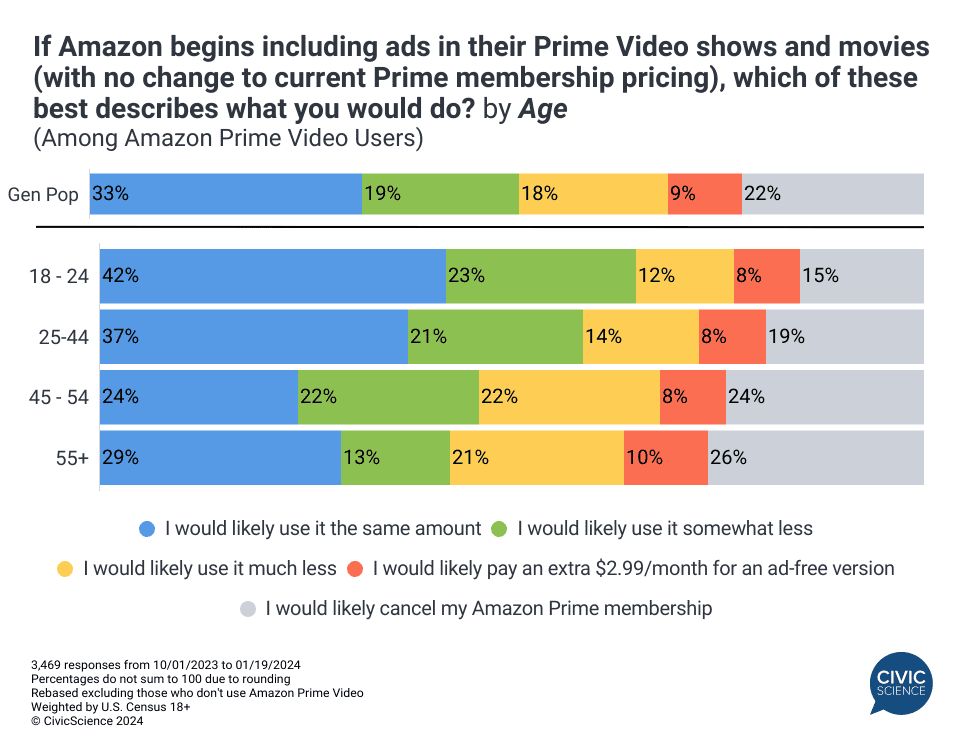
The ultimate takeaway for the financially conscious individual is that the cost of “Prime Video without ads” is a moving target. Prices will likely continue to rise as platforms seek profitability. To protect your financial health, you must treat these services as discretionary expenses rather than fixed utilities.
Regularly auditing your subscriptions—at least once a quarter—allows you to decide if the $2.99 premium is still delivering value. In a world where every service is reaching for a few more dollars of your monthly income, the most powerful financial tool you have is the “Cancel Subscription” button. By being intentional about where those small amounts go, you ensure that your money is working for your long-term goals, rather than just funding an uninterrupted viewing of the latest blockbuster.
aViewFromTheCave is a participant in the Amazon Services LLC Associates Program, an affiliate advertising program designed to provide a means for sites to earn advertising fees by advertising and linking to Amazon.com. Amazon, the Amazon logo, AmazonSupply, and the AmazonSupply logo are trademarks of Amazon.com, Inc. or its affiliates. As an Amazon Associate we earn affiliate commissions from qualifying purchases.