
In the modern landscape of digital consumption, the question “how much is Prime TV?” is no longer a simple inquiry about a monthly bill. It has evolved into a complex calculation of personal finance, value propositions, and ecosystem integration. As streaming services continue to pivot their pricing models—introducing ad-supported tiers and incremental fees for premium features—consumers must approach Amazon’s offering with a critical eye toward their overall household budget. This article provides a deep dive into the financial structure of Amazon Prime Video, evaluating its cost-to-value ratio and its place within a strategic financial plan.
The Architecture of Amazon’s Subscription Pricing
To understand the financial commitment required for Prime Video, one must first navigate the tiered structure Amazon has implemented. Unlike traditional cable packages, Amazon offers multiple entry points that cater to different financial priorities, ranging from standalone enthusiasts to full-ecosystem power users.
The Standalone Prime Video Membership
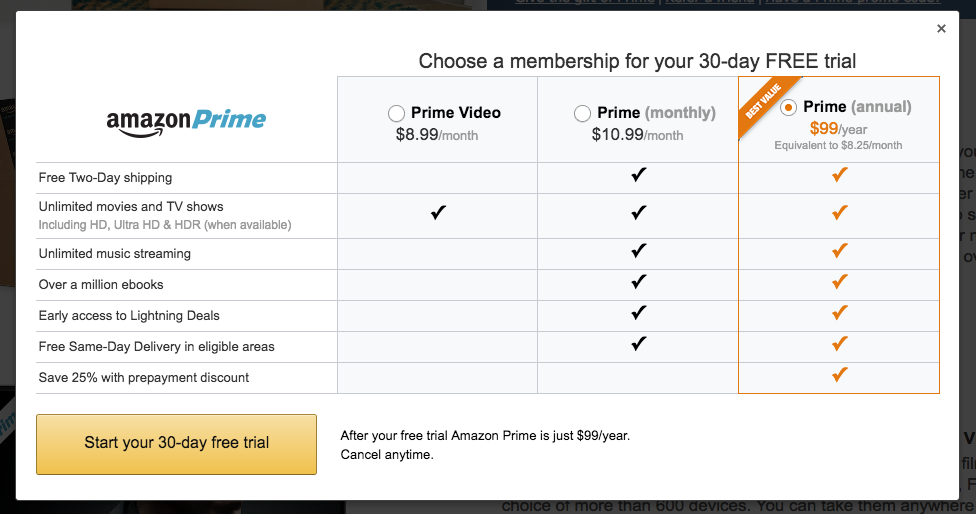
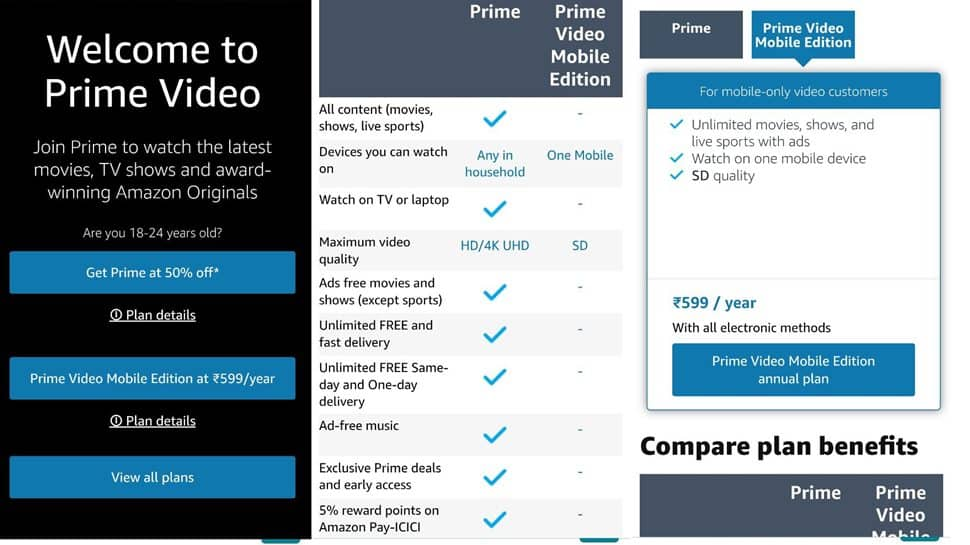
For those who are strictly interested in cinema and television without the desire for expedited shipping or music streaming, Amazon offers a standalone Prime Video membership. Currently priced at approximately $8.99 per month, this is the most direct answer for a budget-conscious consumer who wants access to the library without the “clutter” of the full Prime experience. From a financial management perspective, this tier represents a focused expense, allowing for a clean comparison against competitors like Netflix or Hulu.
The Full Amazon Prime Integration
The most common way consumers access Prime Video is through the comprehensive Amazon Prime membership. Priced at $14.99 per month or a discounted $139 per year, this membership is a hybrid financial product. While the upfront cost is higher, the “per-service” cost drops significantly if the user utilizes the secondary benefits, such as Prime Delivery, Amazon Music, and Prime Reading. For a household that spends significantly on e-commerce, the annual membership often pays for itself in saved shipping costs, effectively making the video service a “free” or low-cost addition to their financial ledger.
The Impact of the 2024 Ad-Supported Transition
A pivotal shift occurred recently in Amazon’s financial model: the introduction of mandatory advertisements unless a premium is paid. To maintain an ad-free experience, subscribers must now pay an additional $2.99 per month on top of their existing membership fee. This represents a significant percentage increase in the annual cost of the service. For a budget analyst, this move signals a transition from a growth-focused model to a profit-maximization model, requiring users to reassess whether the “ad-free” luxury aligns with their monthly discretionary spending limits.
The ROI of Streaming: Assessing Value and Opportunity Cost
In personal finance, the Return on Investment (ROI) isn’t always about monetary gain; it’s about the utility gained per dollar spent. When evaluating how much Prime TV costs, one must look at the breadth of the library versus the price of physical media or cinema tickets.
Comparative Cost Analysis vs. Competitors
When placed side-by-side with other “Big Tech” streaming platforms, Prime Video often occupies a mid-to-high price point, especially with the ad-free surcharge. However, the value proposition changes when you consider the volume of content. With thousands of titles included in the base price, the cost-per-hour of entertainment is fractions of a cent for heavy users. For a family of four, replacing a single monthly trip to the movie theater with a Prime Video subscription can result in a net savings of over $600 annually, making it a powerful tool for reducing “entertainment leakage” in a household budget.
The “Hidden” Costs: Channels and Rentals
A common financial pitfall for Prime Video users is the integration of “Amazon Channels” (like Paramount+, Max, or Starz) and the “Store” (rentals/purchases). These are not included in the base price and can lead to “subscription creep”—the gradual accumulation of small monthly fees that eventually balloon into a significant financial burden. A disciplined approach to managing these add-ons is essential. Treating each “Channel” as an independent financial decision rather than a simple click ensures that the total cost of the service remains within the allocated “Entertainment” category of one’s budget.
Opportunity Cost and the Annual Commitment
The decision to pay $139 annually versus $14.99 monthly is a classic lesson in liquidity versus savings. While the annual plan offers roughly a $40 saving over the year, it requires a lump-sum payment that reduces immediate liquidity. For those living paycheck to paycheck, the monthly flexibility may be worth the higher cumulative cost. Conversely, for those with a healthy emergency fund, the 20% discount offered by the annual plan is a guaranteed “return” that outperforms most high-yield savings accounts.
Strategic Budgeting for the Digital Ecosystem
Managing digital subscriptions is a cornerstone of modern personal finance. Because “How much is Prime TV?” can be a moving target based on your usage habits, implementing a structured management strategy is vital.
Auditing the “Prime Effect” on Spending
There is a psychological component to the Prime membership known as the “lock-in effect.” Because you have paid for the service, you are more likely to shop on Amazon to “get your money’s worth.” This can lead to increased impulse spending on goods you might not have otherwise purchased. To truly understand the cost of Prime TV, one must audit their total Amazon spending. If the membership encourages $100 of unnecessary monthly shopping, the “real cost” of that video service is far higher than the $14.99 sticker price.
Utilizing Discounts: Students and Qualified Recipients
Amazon offers several avenues for reducing the financial impact of their services. Prime Student offers a 50% discount and a six-month trial, which is an exceptional financial tool for young adults building their first independent budgets. Additionally, the “Prime Access” program provides a discounted rate of $6.99 per month for recipients of select government assistance programs (such as SNAP or EBT). Utilizing these tiers can significantly lower the barrier to entry for high-quality digital entertainment.
The “Cancel and Rotate” Strategy
In an era of “peak TV,” many financial advisors recommend the “rotation strategy.” Instead of paying for Prime Video, Netflix, and Disney+ simultaneously, consumers can subscribe to one for two months, consume the desired content, and then cancel to move to the next. Since Amazon allows for monthly cancellations, a savvy consumer can access the entirety of Prime Video’s library for just $15–$18 a year by only subscribing for one or two months of intensive viewing.
Future-Proofing Your Subscription Finances
As we look toward the future of the digital economy, the price of Prime TV is unlikely to remain static. Inflation, rising production costs for “Prestige TV,” and corporate pressure for higher ARPU (Average Revenue Per User) suggest that costs will continue to climb.
Preparing for Price Hikes
The history of Amazon Prime shows a steady upward trend in pricing. From its initial $79 launch to the current $139, the trend is clear. To future-proof your finances, it is wise to build a “buffer” into your entertainment budget. Expecting a 5-10% increase every 24 to 36 months allows you to absorb these changes without disrupting your long-term financial goals, such as retirement contributions or debt repayment.
Evaluating the Cost of Content Ownership
A final financial consideration is the shift from “owning” to “renting.” When you pay for Prime Video, you own nothing; you are merely purchasing a license to view. For classic films or series that you watch repeatedly, it may be more financially sound to purchase the digital or physical copy once, rather than paying a perpetual monthly fee to access it. A one-time $15 purchase of a favorite movie is more cost-effective over a decade than maintaining a subscription primarily to keep that movie in your library.
In conclusion, the cost of Prime TV is a multifaceted figure that depends heavily on how you integrate it into your broader financial life. Whether viewed as an $8.99 standalone expense or a $139 annual lifestyle investment, it requires active management and periodic review. By treating your streaming services as a business expense that must prove its value every month, you ensure that your digital entertainment supports your lifestyle without undermining your financial security.
aViewFromTheCave is a participant in the Amazon Services LLC Associates Program, an affiliate advertising program designed to provide a means for sites to earn advertising fees by advertising and linking to Amazon.com. Amazon, the Amazon logo, AmazonSupply, and the AmazonSupply logo are trademarks of Amazon.com, Inc. or its affiliates. As an Amazon Associate we earn affiliate commissions from qualifying purchases.