
For millions of people worldwide struggling with weight management, phentermine has emerged as a widely prescribed short-term aid. Often utilized as part of a broader weight loss plan that includes diet and exercise, this stimulant works by suppressing appetite and boosting energy. However, while its efficacy is a primary concern for patients and healthcare providers, the practical question of “how much is phentermine?” often looms large. Understanding the financial implications, from its direct cost to the various factors influencing its price tag, is crucial for anyone considering this treatment option. This article will delve into the economics of phentermine, equipping you with the knowledge to navigate its costs effectively within your personal financial planning.
Deconstructing the Price Tag: Factors Influencing Phentermine’s Cost
The cost of phentermine is not a fixed figure but rather a dynamic one, shaped by a confluence of variables. From the specific formulation to where you purchase it, numerous elements contribute to the final price you pay. Understanding these factors is the first step in demystifying the expense.
Generic vs. Brand-Name Formulations
One of the most significant determinants of phentermine’s cost is whether you opt for the generic version or a brand-name equivalent. Phentermine hydrochloride is the active ingredient, and its generic form is typically significantly cheaper. Brand names like Adipex-P and Lomaira, while containing the same active compound, often carry a premium due to marketing, research investment (though typically for initial drug development rather than ongoing), and established brand recognition. A month’s supply of generic phentermine might range from $30 to $60, whereas brand-name alternatives could easily exceed $100 or even $200 for the same duration. This disparity highlights the immediate financial benefit of discussing generic options with your healthcare provider.
Dosage and Supply Length
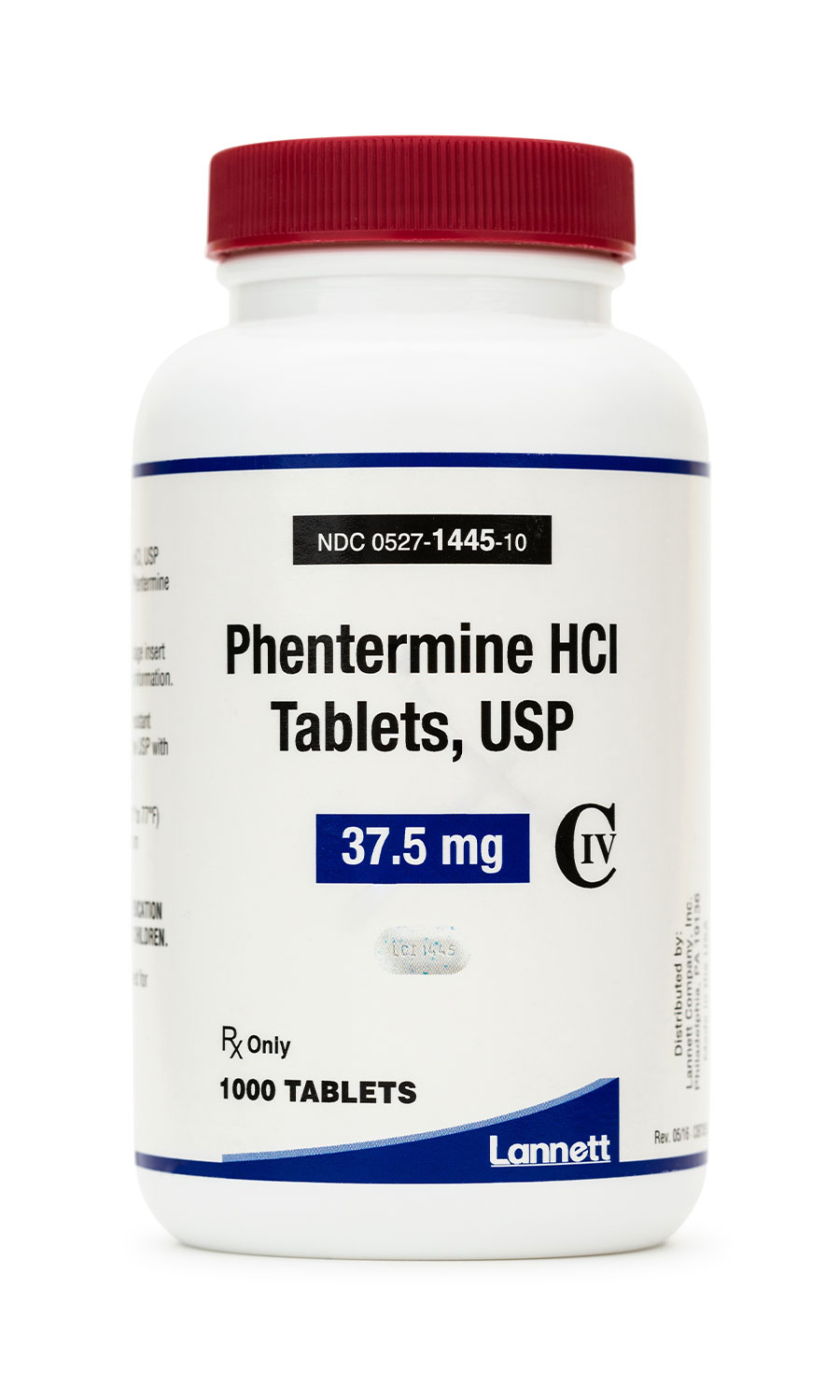
Phentermine is available in various dosages, commonly 15mg, 30mg, and 37.5mg, and is typically prescribed as a once-daily tablet. Naturally, the prescribed milligram strength and the quantity dispensed (e.g., a 30-day supply versus a 15-day supply) will directly impact the total cost. Higher dosages or larger quantities for extended periods will generally result in a higher overall bill. It’s important to note that while a higher dose might seem more expensive per pill, the difference in cost between different strengths of generic phentermine might not be as dramatic as the difference between generic and brand-name versions. Always clarify the exact quantity and dosage when comparing prices.
Pharmacy Selection and Location
The pharmacy you choose can have a surprising impact on the price of phentermine. Prices can vary considerably between large chain pharmacies (e.g., CVS, Walgreens, Rite Aid), independent local pharmacies, and online mail-order pharmacies. Even within the same chain, prices might differ slightly based on geographical location and regional pricing strategies. For instance, an independent pharmacy eager to gain or retain customers might offer more competitive pricing than a large chain in certain areas. Online pharmacies, while convenient, should be vetted for legitimacy and accreditation to ensure product quality and safety, alongside their pricing. Comparison shopping across different pharmacy types is a crucial financial strategy.
Insurance Coverage and Formularies
The role of health insurance in determining your out-of-pocket cost for phentermine cannot be overstated. Coverage varies dramatically based on your specific insurance plan, its formulary (the list of drugs it covers), and your deductible, co-pay, and coinsurance responsibilities. Many insurance plans classify phentermine as a “tier 2” or “tier 3” drug, meaning it might have a higher co-pay than preferred generics. Some plans may not cover it at all, especially if they deem it solely for cosmetic weight loss rather than medically necessary treatment for obesity-related conditions. Understanding your plan’s specifics and whether phentermine is on its approved list is paramount.
The Role of Insurance in Mitigating Costs
For many, health insurance is the primary mechanism for making prescription medications more affordable. However, leveraging your insurance effectively requires a clear understanding of its intricate components.
Understanding Your Policy: Deductibles, Co-pays, and Coinsurance
Before your insurance benefits kick in fully, you might need to meet a deductible – an annual amount you pay out-of-pocket for healthcare services. If you haven’t met your deductible, you’ll pay the full negotiated price for phentermine until that threshold is reached. Once your deductible is met, your costs typically shift to co-pays (a fixed amount you pay for a prescription, e.g., $30 per refill) or coinsurance (a percentage of the drug’s cost you are responsible for, e.g., 20% after the insurer pays 80%). Familiarizing yourself with these terms and reviewing your specific policy details is vital to anticipating your out-of-pocket expenses.
Navigating Formularies and Prior Authorization
Even if phentermine is generally covered, your insurance plan’s formulary plays a critical role. This list dictates which specific medications and their generic/brand versions are covered, often categorized by tiers that correspond to different co-pay levels. If your doctor prescribes a version not on your plan’s preferred list, it might be more expensive or not covered at all. Furthermore, many insurance companies require prior authorization for phentermine. This means your doctor must submit documentation to your insurer justifying the medical necessity of the prescription, outlining why it’s the most appropriate treatment given your health profile. Without this approval, your claim might be denied, leaving you responsible for the full cost.
Medicare and Medicaid Coverage
For individuals covered by government-sponsored programs, the landscape can be nuanced. Medicare Part D plans, which cover prescription drugs, vary widely in their coverage of weight loss medications like phentermine. Some plans may cover it if deemed medically necessary, while others may not. Patients enrolled in Medicaid programs will also find coverage varies by state and specific plan. Often, these programs have stricter criteria or require extensive documentation and prior authorization to cover weight loss medications. It’s imperative for beneficiaries of these programs to directly contact their plan administrator to ascertain phentermine coverage specifics.
Strategies for Reducing Phentermine Expenses
Even without robust insurance coverage, or if your plan’s co-pays are high, several strategies can help significantly reduce the out-of-pocket cost of phentermine. Proactive research and communication are key.
Utilizing Prescription Discount Programs and Coupons

A multitude of prescription discount programs and coupons are available that can offer substantial savings, often making the generic version of phentermine more affordable than your insurance co-pay. Services like GoodRx, Optum Perks, SingleCare, and others allow you to search for the best prices at local pharmacies and provide a coupon to use at checkout. These programs are often free to use and can be particularly beneficial if phentermine isn’t covered by your insurance or if you have a high deductible. Always check these resources before heading to the pharmacy.
Exploring Patient Assistance Programs
While less common for generic phentermine, some pharmaceutical companies that produce brand-name versions might offer patient assistance programs. These programs are designed to help low-income or uninsured individuals afford their medications. Eligibility criteria can be strict, typically based on income and insurance status. It’s worth researching if a brand-name version of phentermine is prescribed and you are facing significant financial hardship. Your doctor’s office or the drug manufacturer’s website are good starting points for information.
Comparing Pharmacy Prices
As noted earlier, pharmacy prices can fluctuate widely. Before filling a prescription, call around to different pharmacies in your area, including major chains, independent stores, and even supermarket pharmacies. Many pharmacies are willing to quote prices over the phone. Online tools and apps from discount programs can also provide a quick overview of prices at various locations, making comparison shopping efficient and effective. This simple step can sometimes save you tens of dollars per refill.
Discussing Alternatives with Your Doctor
If, after exploring all avenues, the cost of phentermine remains prohibitive, it’s crucial to have an open conversation with your healthcare provider. There might be other FDA-approved weight loss medications, or a combination of medications, that could be more affordable or better covered by your insurance. Your doctor can also discuss non-pharmacological weight loss strategies that might be a more financially viable option, such as referral to a nutritionist or structured exercise programs. The goal is to find a medically appropriate and financially sustainable path to better health.
Beyond the Pill: The Holistic Financial Picture of Weight Loss
The cost of phentermine itself is just one piece of the larger financial puzzle when embarking on a weight loss journey. A comprehensive financial perspective considers all associated expenses.
Associated Healthcare Costs
Phentermine is a prescription medication, meaning its use requires ongoing medical supervision. This typically involves initial doctor consultations, follow-up appointments to monitor progress and side effects, and potentially blood tests or other diagnostic evaluations. Each of these medical services carries its own cost, influenced by your insurance coverage, co-pays, and deductibles. When budgeting for phentermine, it’s essential to factor in these additional healthcare expenditures to avoid unforeseen financial strain.
Lifestyle Changes and Their Costs
Effective weight loss with phentermine is almost universally combined with significant lifestyle modifications. This often translates into new financial outlays for healthier food options, which can sometimes be more expensive than processed alternatives. Investing in a gym membership, personal trainer, or specialized exercise equipment also adds to the financial commitment. While these are investments in long-term health, they are direct financial costs that accompany the medication. Integrating these into your overall financial planning for weight loss ensures a realistic budget.
The Cost of Inaction: Long-Term Health Expenses
While focusing on immediate costs is necessary, it’s also insightful to consider the “cost of inaction.” Unmanaged obesity is a significant risk factor for a host of chronic and expensive health conditions, including type 2 diabetes, heart disease, high blood pressure, certain cancers, and joint problems. Treating these conditions often involves costly medications, frequent doctor visits, hospitalizations, and even surgeries, representing a substantial long-term financial burden. Viewing the expense of phentermine and associated weight loss strategies as an investment in preventing these future, potentially much higher, healthcare costs can shift one’s financial perspective.
Making an Informed Financial Decision
Ultimately, the decision to use phentermine involves a careful balance between health goals and financial realities. It’s not just about the effectiveness of the drug, but also its sustainability within your budget.
Cost-Benefit Analysis: Is Phentermine Worth the Investment?
Before committing, perform a personal cost-benefit analysis. Weigh the direct and indirect financial costs against the potential health benefits – improved quality of life, reduced risk of obesity-related diseases, and increased physical capabilities. For some, the investment in phentermine, even with significant out-of-pocket expenses, may be justified by the profound positive impact on their health and future financial savings from avoiding chronic disease treatments. For others, if the financial strain is too great, it might undermine the overall well-being it aims to achieve.
The Importance of Open Communication with Your Healthcare Provider
Never hesitate to discuss your financial concerns with your doctor. Healthcare providers are increasingly aware of the financial burden of prescriptions and can be valuable allies. They might be able to prescribe a generic alternative, suggest splitting higher-dose pills (if safe and appropriate), or provide samples. They can also refer you to social workers or patient advocates who specialize in connecting patients with financial assistance programs. An open dialogue ensures that your treatment plan is not only medically sound but also financially feasible.

Conclusion
The question “how much is phentermine?” is far more complex than a simple price tag. It encompasses generic versus brand differences, dosage, pharmacy variability, and the intricate world of insurance coverage, deductibles, and formularies. By proactively researching discount programs, comparing pharmacy prices, and understanding your insurance policy, you can significantly mitigate the financial impact. Furthermore, integrating the cost of lifestyle changes and recognizing the long-term financial benefits of improved health paints a holistic picture. Approaching phentermine not just as a medical prescription but as a financial investment in your well-being, coupled with open communication with your healthcare provider, empowers you to make informed decisions that support both your health and your financial stability.
aViewFromTheCave is a participant in the Amazon Services LLC Associates Program, an affiliate advertising program designed to provide a means for sites to earn advertising fees by advertising and linking to Amazon.com. Amazon, the Amazon logo, AmazonSupply, and the AmazonSupply logo are trademarks of Amazon.com, Inc. or its affiliates. As an Amazon Associate we earn affiliate commissions from qualifying purchases.