
Navigating the landscape of health insurance can often feel like deciphering a complex financial puzzle, particularly when it comes to understanding the costs associated with the Affordable Care Act (ACA), commonly known as Obamacare. For many Americans, the question isn’t just about having coverage, but specifically, “how much is Obamacare per month?” The answer, however, is far from a single, fixed number. It’s a dynamic figure influenced by a multitude of personal and economic factors, making a personalized assessment crucial for anyone seeking to understand their potential financial outlay.
The ACA was enacted with the primary goal of making affordable health insurance available to more people. It introduced a Health Insurance Marketplace where individuals and families could shop for plans, often with financial assistance from the government. However, the exact premium you pay each month is a function of several variables, ranging from your income and family size to your geographic location and the specific type of plan you choose. This article aims to demystify these complexities, providing an insightful and comprehensive guide to understanding your potential monthly Obamacare costs, enabling you to make informed decisions about your financial health and well-being.
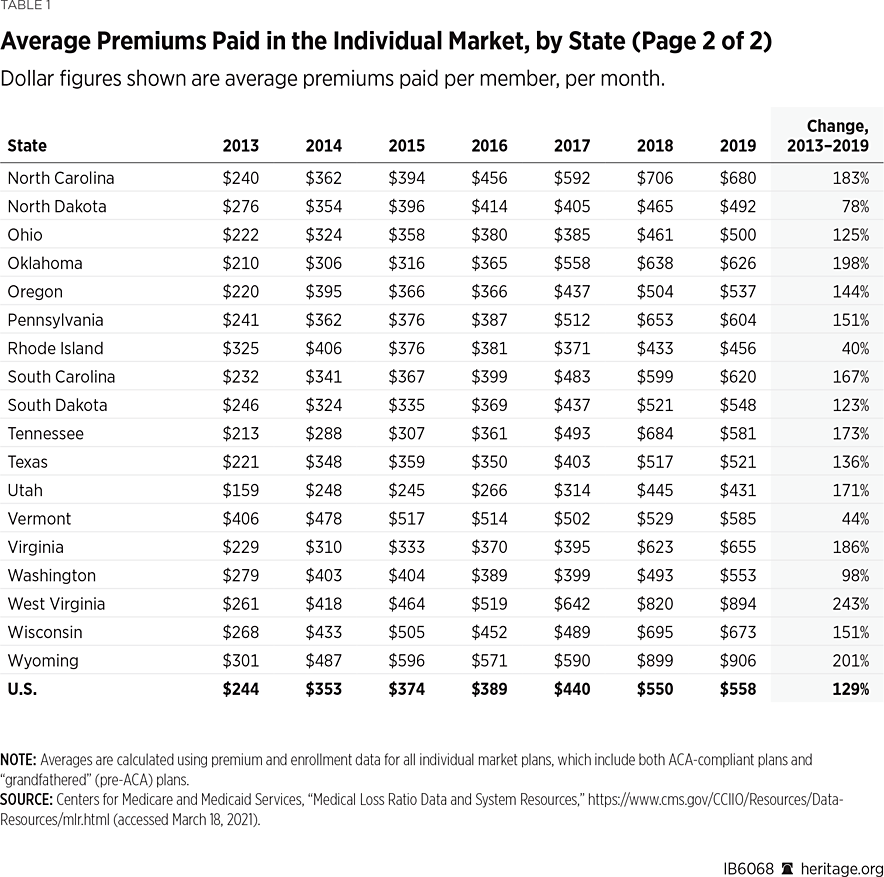
Understanding the Affordable Care Act (ACA) Landscape
Before diving into the specifics of monthly costs, it’s essential to grasp the foundational principles and structures of the Affordable Care Act. Knowing what the ACA set out to achieve and how it functions provides a necessary backdrop for understanding premium calculations.
The Core Premise of Obamacare
At its heart, the ACA aimed to expand health insurance coverage, control healthcare costs, and improve the quality of care. It achieved this by establishing new regulations for insurance companies, creating the Health Insurance Marketplace (also known as the exchange), and offering financial assistance to make coverage more affordable for low- and middle-income individuals and families. The idea was to move away from a system where pre-existing conditions could deny coverage and toward one where essential health benefits were guaranteed.
Key Components Influencing Costs
The ACA’s design includes several elements that directly or indirectly affect the price of your monthly premium. These include mandatory “essential health benefits” that all plans must cover (e.g., emergency services, prescription drugs, maternity care), and the “metal tiers” (Bronze, Silver, Gold, Platinum) which categorize plans based on how they split costs with you. Understanding these components is the first step in seeing why premiums vary so widely.
Dispelling Common Misconceptions
One of the biggest misconceptions is that Obamacare is a single, government-run health insurance plan with a universal price. In reality, Obamacare refers to the law that regulates private insurance plans offered through the Marketplace. These plans are sold by private insurance companies, and competition among these insurers can also influence prices, much like any other market. Another common myth is that subsidies are automatic; you must actively apply for them and meet specific income criteria.
Factors That Determine Your Monthly Premium
The question “how much is Obamacare per month?” demands a granular look at the individual-specific factors that directly impact your premium. There isn’t a one-size-fits-all answer because the system is designed to tailor costs based on your unique circumstances.
Income and Household Size: The Subsidy Sweet Spot
This is arguably the most significant factor. The ACA offers “premium tax credits” (subsidies) to reduce your monthly payment if your household income falls within a certain range relative to the federal poverty level (FPL). Generally, individuals and families earning between 100% and 400% of the FPL are eligible. For instance, if you’re a single person earning $30,000 a year, you’d likely qualify for significant premium assistance, drastically lowering your out-of-pocket monthly cost compared to someone earning $70,000. The larger your household size, the higher the income threshold for subsidy eligibility. It’s critical to accurately estimate your annual income, as this directly dictates the amount of financial aid you receive.
Age: A Significant Cost Driver
Older individuals typically face higher premiums than younger ones, as they generally have greater healthcare needs. The ACA allows insurers to charge older adults up to three times more than younger adults for the same plan. For example, a 60-year-old could pay substantially more per month than a 30-year-old for an identical plan, even with subsidies. This age-banding is a regulated difference to ensure some fairness, but it remains a primary determinant of cost.
Geographic Location: Regional Variations
Where you live plays a crucial role. Premiums can vary significantly from state to state, county to county, and even within different areas of the same city. This is due to several factors: the number of competing insurance companies in the area, the local cost of healthcare services, state-specific regulations, and even regional health trends. For instance, an urban area with more hospital networks and specialists might have different average costs than a rural region with fewer providers.
Plan Category (Metal Tiers): Balancing Premiums and Out-of-Pocket Costs
ACA plans are categorized into “metal tiers”: Bronze, Silver, Gold, and Platinum.
- Bronze plans have the lowest monthly premiums but the highest deductibles and out-of-pocket costs when you use care. They cover about 60% of your medical costs, leaving you responsible for 40%.
- Silver plans have moderate premiums and moderate out-of-pocket costs. They cover about 70% of medical costs. Crucially, if you qualify for cost-sharing reductions (CSRs), you must choose a Silver plan to receive them, making Silver plans particularly attractive for lower-income individuals.
- Gold plans have higher monthly premiums but lower deductibles and out-of-pocket costs. They cover about 80% of medical costs.
- Platinum plans have the highest monthly premiums but the lowest deductibles and out-of-pocket costs, covering about 90% of medical costs.
Your choice of tier will directly impact your monthly payment, but it’s a trade-off: lower premiums often mean you pay more when you actually need medical care.
Tobacco Use: A Premium Surcharge
In some states, insurers are permitted to charge tobacco users up to 50% more for their monthly premiums. This surcharge is a significant financial consideration for smokers and can add hundreds of dollars annually to their healthcare costs.
Navigating the Health Insurance Marketplace and Subsidies
The ACA’s most powerful tool for making insurance affordable is its system of financial assistance, primarily delivered through premium tax credits and cost-sharing reductions. Understanding how these work is key to minimizing your monthly outlays.
The Role of Premium Tax Credits (APTCs)
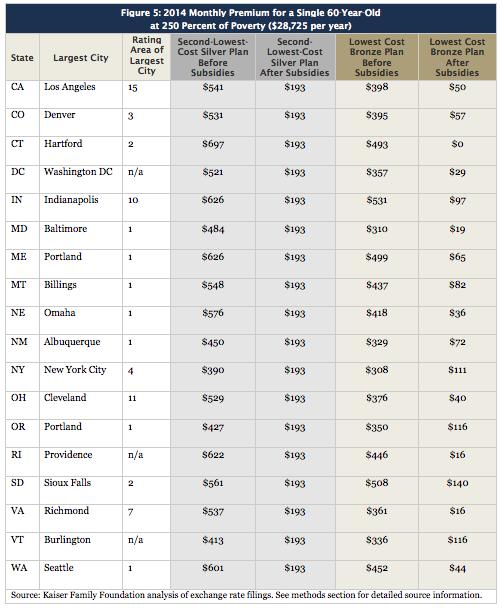
Premium tax credits, officially known as Advance Premium Tax Credits (APTCs), are government subsidies that reduce the amount you pay for your monthly health insurance premium. These credits are paid directly to your insurance company, lowering your bill. Eligibility is based on your household income relative to the federal poverty level (FPL). As mentioned, individuals and families earning between 100% and 400% of the FPL are generally eligible. For 2021 and 2022, the American Rescue Plan Act (ARPA) expanded eligibility, allowing more people to qualify for larger subsidies, effectively capping premium contributions at 8.5% of household income for most eligible individuals. This expansion has been extended through 2025.
Cost-Sharing Reductions (CSRs): Lowering Deductibles and Co-pays
Beyond lowering your monthly premium, some individuals may also qualify for Cost-Sharing Reductions (CSRs). These subsidies reduce the amount you have to pay out-of-pocket when you use healthcare services, such as deductibles, co-payments, and coinsurance. You are eligible for CSRs if your household income is between 100% and 250% of the FPL, and crucially, you must enroll in a Silver-level plan to receive them. CSRs effectively turn a standard Silver plan into one with benefits closer to a Gold or even Platinum plan, but at a Silver plan’s premium level (after APTCs). This makes Silver plans incredibly valuable for those who qualify.
Eligibility Requirements for Financial Aid
To be eligible for premium tax credits and cost-sharing reductions, you must:
- Enroll in a health insurance plan through your state’s Health Insurance Marketplace (Healthcare.gov or a state-run exchange).
- Meet specific income requirements based on the FPL and your household size.
- Not be eligible for Medicare or Medicaid.
- Not have access to affordable health insurance through an employer (if employer-sponsored coverage is deemed “affordable” and provides “minimum value,” you typically won’t qualify for subsidies).
The Importance of Accurate Income Estimation
When applying for coverage and subsidies, you’ll need to estimate your income for the upcoming year. This is critical because the subsidies are reconciled against your actual income when you file your tax return. If you underestimated your income, you might have to pay back some of the excess subsidy. If you overestimated, you might receive a tax credit. It’s advisable to update your income information with the Marketplace throughout the year if your financial situation changes significantly.
Beyond the Premium: Unpacking Total Healthcare Costs
While the monthly premium is the most visible cost, it’s merely one piece of the financial puzzle. A truly comprehensive understanding of “how much is Obamacare per month” requires looking at the total potential financial burden, including out-of-pocket expenses.
Deductibles, Copayments, and Coinsurance Explained
- Deductible: The amount you must pay for covered healthcare services before your insurance plan starts to pay. For example, if you have a $5,000 deductible, you pay the first $5,000 of covered services yourself.
- Copayment (Copay): A fixed amount you pay for a covered healthcare service after you’ve paid your deductible. For instance, a $20 copay for a doctor’s visit.
- Coinsurance: Your share of the cost of a covered healthcare service, calculated as a percentage (e.g., 20%) of the allowed amount for the service, after you’ve met your deductible.
These out-of-pocket costs are often lower with higher-tier plans (Gold, Platinum) and significantly reduced for those qualifying for Cost-Sharing Reductions on Silver plans.
Understanding Out-of-Pocket Maximums
An out-of-pocket maximum is the most you’ll have to pay for covered services in a plan year. Once you reach this limit, your insurance plan pays 100% of the cost of covered benefits for the remainder of the year. This provides a crucial financial safety net, protecting you from catastrophic healthcare expenses. It’s a vital figure to consider, especially when choosing between plans with similar premiums but vastly different deductibles or coinsurance percentages.
The True Value of Comprehensive Coverage
While a low monthly premium might seem attractive, it often comes with a high deductible and significant out-of-pocket costs. For individuals who anticipate frequent medical needs, a higher premium for a Gold or Platinum plan (or a CSR-enhanced Silver plan) might actually lead to lower overall annual healthcare spending. The “value” isn’t just the monthly payment; it’s the total cost of care, including prescriptions, doctor visits, and potential emergency services.
Considering Non-ACA Compliant Options (and their risks)
Some individuals might be tempted by non-ACA compliant plans, such as short-term health insurance or health care sharing ministries, which often boast very low monthly premiums. However, these plans typically do not cover essential health benefits, can deny coverage based on pre-existing conditions, have annual or lifetime benefit limits, and offer significantly less financial protection. While they might appear cheaper per month, they carry substantial financial risk and are generally not a suitable alternative for comprehensive coverage.
Strategies for Optimizing Your Obamacare Costs
Given the array of variables, proactive planning and strategic decision-making can significantly impact your monthly Obamacare costs and overall healthcare budget.
Shop Around Annually: The Power of Comparison
Do not simply auto-renew your plan each year. During the annual Open Enrollment Period, new plans emerge, existing plans change their benefits and premiums, and your own financial situation might have shifted. Always compare plans available in your area. Even if you love your current plan, check to see if a similar plan with a slightly different network or insurer offers a better deal, especially after accounting for your subsidies.
Leverage Available Subsidies to Your Fullest Advantage
Accurately estimate your income and apply for every subsidy you are eligible for. If your income changes during the year, update your information with the Marketplace immediately to ensure your premium tax credits are adjusted accordingly. This prevents a potential surprise bill at tax time or, conversely, ensures you aren’t overpaying each month. For eligible individuals, enrolling in a Silver plan to receive Cost-Sharing Reductions is one of the most impactful financial strategies.
Understand Your Healthcare Needs vs. Desired Coverage
Consider your anticipated medical expenses for the upcoming year. Are you generally healthy and rarely visit the doctor? A Bronze plan with a low premium and high deductible might suit your financial risk tolerance. Do you have a chronic condition, expect to have a baby, or visit specialists regularly? A Gold or Platinum plan (or a subsidized Silver plan) with higher premiums but lower out-of-pocket costs might save you money in the long run. Balance the monthly payment with the potential costs when you actually use care.

Seek Expert Assistance: Navigators and Brokers
If the process feels overwhelming, don’t hesitate to seek free assistance. Certified navigators and licensed insurance brokers are available to help you understand your options, compare plans, calculate subsidies, and enroll in coverage. They can provide personalized advice tailored to your financial situation and healthcare needs, ensuring you maximize your financial benefits and choose the most cost-effective plan.
In conclusion, the question “how much is Obamacare per month?” has no single answer because the ACA is designed to personalize costs based on individual circumstances. By understanding the intricate interplay of income, age, location, plan choice, and the powerful financial assistance available through subsidies, you can demystify your potential monthly expenses. Proactive engagement with the Marketplace, careful consideration of your healthcare needs, and leveraging available financial aid are key to managing your personal finance related to health insurance, ensuring you get the most value for your healthcare dollar.
aViewFromTheCave is a participant in the Amazon Services LLC Associates Program, an affiliate advertising program designed to provide a means for sites to earn advertising fees by advertising and linking to Amazon.com. Amazon, the Amazon logo, AmazonSupply, and the AmazonSupply logo are trademarks of Amazon.com, Inc. or its affiliates. As an Amazon Associate we earn affiliate commissions from qualifying purchases.