
For millions of Americans, the cost of healthcare is a major concern, and understanding how much they might pay for coverage under the Affordable Care Act (ACA), often referred to as Obamacare, is a critical component of their personal financial planning. The question “how much is Obamacare per month?” seems straightforward, but the answer is anything but simple. It’s a complex calculation influenced by a multitude of personal and economic factors, making a one-size-fits-all figure impossible. Instead, individuals and families must navigate a landscape of plan options, financial assistance programs, and personal circumstances to determine their specific monthly premium. This article will delve into the intricacies of ACA costs, guiding you through the various elements that impact your monthly healthcare expenditure, all within the framework of responsible personal finance.
The Foundations of Obamacare: What You Need to Know
Before diving into the numbers, it’s essential to grasp the fundamental principles of the Affordable Care Act. Understanding its structure provides context for why costs vary so significantly and how financial assistance plays a crucial role.
What is the Affordable Care Act (ACA)?
The Affordable Care Act, signed into law in 2010, is a comprehensive healthcare reform law designed to expand health insurance coverage to uninsured Americans, control healthcare costs, and improve the quality of care. It established Health Insurance Marketplaces (or exchanges) where individuals and small businesses can shop for plans, mandated certain “essential health benefits” that all plans must cover, and introduced financial subsidies to make insurance more affordable. For many, the ACA represents the primary avenue for obtaining health insurance outside of employer-sponsored plans, Medicare, or Medicaid.
The Mandate and Its Evolution
Initially, the ACA included an “individual mandate” requiring most Americans to have health insurance or pay a penalty. While the federal penalty for not having coverage was eliminated starting in 2019 (though some states still have their own mandates), the core framework of the ACA remains. This includes the Marketplace for shopping, consumer protections (like prohibiting denial of coverage for pre-existing conditions), and, crucially for personal finance, the financial assistance mechanisms designed to lower monthly premiums and out-of-pocket costs. The absence of a federal penalty means that individuals now have more direct control over their decision to purchase coverage, but the financial implications of being uninsured (e.g., unexpected medical bills) remain a significant risk that must be factored into any financial strategy.
Why Costs Vary So Wildly
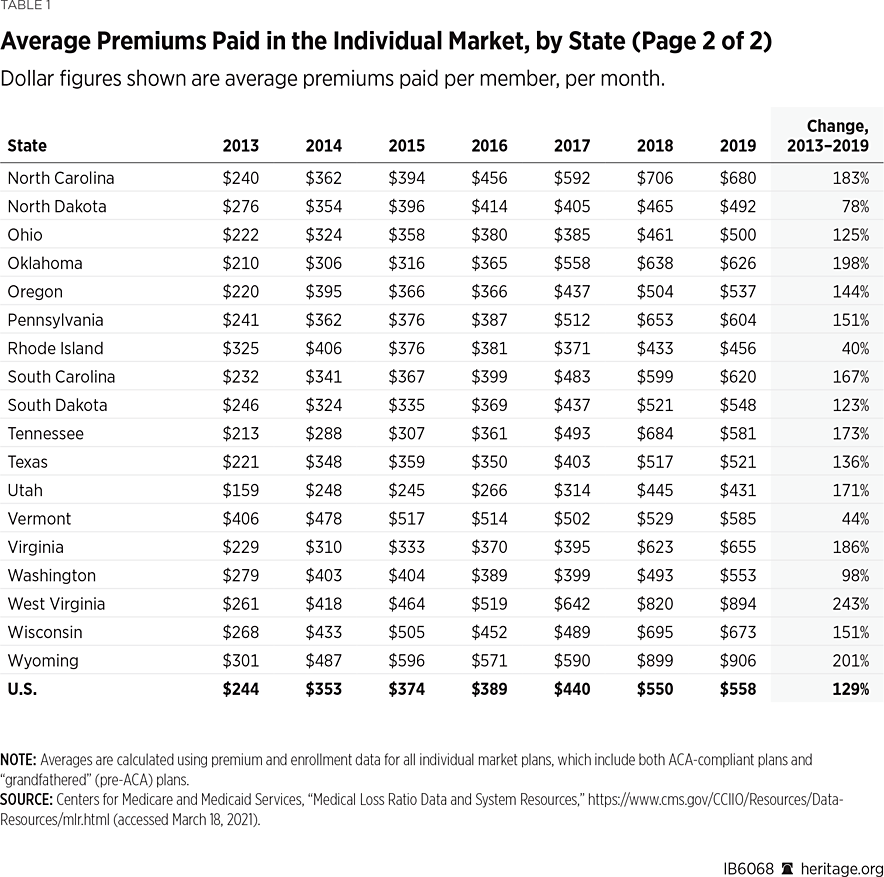
The sheer variability in ACA premiums stems from its design to cater to a diverse population. Unlike a fixed price for a product, health insurance premiums are risk-based and highly personalized. Factors ranging from where you live to your income level can drastically alter your monthly payment. This complexity means that relying on anecdotal evidence or general averages can be misleading. A proactive, individualized approach to calculating potential costs is paramount for effective financial planning.
Key Factors Determining Your Monthly Premium
When you look at plans on the Health Insurance Marketplace, you’ll quickly notice that no two individuals pay the exact same amount. Several critical factors converge to calculate your specific monthly premium. Being aware of these elements is the first step toward understanding and potentially managing your healthcare spending.
Income and Household Size: The Primary Driver
Perhaps the most significant determinant of your monthly ACA premium is your household income relative to the Federal Poverty Level (FPL) and the number of people in your tax household. The ACA’s financial assistance programs are primarily income-based. Generally, the lower your income (within certain thresholds), the more financial help you qualify for, directly reducing your monthly premium. This means that a family of four earning $50,000 will likely pay a very different premium than a single individual earning the same amount, or a similar family earning $100,000. Accurately projecting your Modified Adjusted Gross Income (MAGI) for the upcoming year is crucial for receiving the correct amount of assistance and avoiding surprises at tax time.
Age, Location, and Tobacco Use
Beyond income, demographic and lifestyle factors play a substantial role.
- Age: Older individuals typically face higher premiums than younger individuals, reflecting the higher average healthcare utilization and costs associated with aging. However, the ACA limits how much more older adults can be charged compared to younger adults (a 3:1 ratio), preventing excessively high premiums for seniors.
- Location: Where you live within the United States, and even within your state, can significantly impact your premium. Health insurance markets are local. The number of insurers competing in your area, the overall healthcare costs in your region, and state-specific regulations all contribute to premium variations from one zip code to another.
- Tobacco Use: Insurers are allowed to charge tobacco users higher premiums (up to 50% more) than non-tobacco users. This is a deliberate policy aimed at disincentivizing smoking and reflecting the higher health risks associated with it.
The Impact of Plan Type and Insurer
The specific health plan you choose, and the insurer offering it, also have a direct bearing on your monthly cost. Different insurance companies offer a variety of plans, even within the same “metal tier” (which we’ll discuss shortly), with varying benefits, provider networks (HMO, PPO, EPO, POS), and, consequently, different premiums. Researching different providers and understanding their network types is vital, not just for the premium but for ensuring your preferred doctors and hospitals are covered.
Decoding Financial Assistance: Subsidies That Reduce Your Burden
A cornerstone of the ACA is its provision for financial assistance, which makes coverage dramatically more affordable for millions. Understanding these subsidies is essential for accurately calculating your actual monthly out-of-pocket cost.
Premium Tax Credits (PTC): Lowering Your Monthly Bill
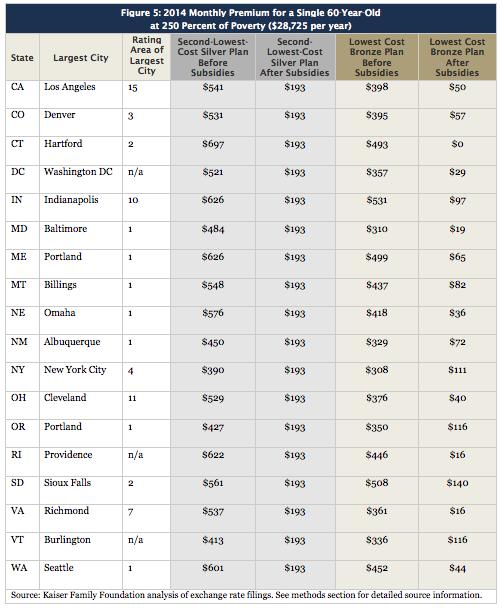
The most widespread form of financial assistance is the Premium Tax Credit (PTC). This credit can be used to lower your monthly premium payments for plans purchased through the Health Insurance Marketplace. The amount of your PTC is based on a sliding scale tied to your income (relative to the Federal Poverty Level) and family size. Essentially, the government pays a portion of your premium directly to the insurance company, and you pay the remaining balance. These credits can be taken in advance, meaning you pay less each month, or claimed at the end of the year when you file your taxes. For many, PTCs transform what would be an unaffordable premium into a manageable monthly expense.
Cost-Sharing Reductions (CSR): Making Care More Affordable
Beyond reducing monthly premiums, some individuals qualify for Cost-Sharing Reductions (CSRs). Unlike PTCs, which reduce the premium itself, CSRs lower the amount you have to pay for healthcare when you actually use it. This means lower deductibles, copayments, coinsurance, and out-of-pocket maximums. CSRs are only available if you enroll in a “Silver” plan through the Marketplace and your income falls within specific FPL thresholds. For those eligible, a Silver plan with CSRs often provides the best value, offering enhanced benefits that are usually found only in more expensive Gold or Platinum plans, but at a significantly reduced out-of-pocket cost.
Eligibility Requirements for Assistance
To qualify for Premium Tax Credits and Cost-Sharing Reductions, you must meet several criteria:
- You must purchase your health insurance plan through a state or federal Health Insurance Marketplace.
- Your household income must fall within certain percentages of the Federal Poverty Level (typically between 100% and 400% for PTCs, though this upper limit was temporarily removed or expanded by legislation like the American Rescue Plan Act, allowing more people to qualify).
- You must not be eligible for other minimum essential coverage, such as Medicaid, Medicare, or affordable employer-sponsored health insurance.
- You cannot be claimed as a dependent on someone else’s tax return.
Understanding these eligibility rules is crucial for accurately estimating your financial burden and planning your healthcare budget.
Navigating the Metal Tiers: Bronze, Silver, Gold, and Platinum
When shopping on the Marketplace, you’ll encounter plans categorized into “metal tiers”: Bronze, Silver, Gold, and Platinum. These tiers are not an indicator of quality of care but rather reflect how you and your plan share the costs of your healthcare. This structure is fundamental to personal financial decision-making for healthcare.
Understanding the Trade-off: Premium vs. Out-of-Pocket
Each metal tier represents a different actuarial value, which is the average percentage of healthcare costs that the plan is expected to cover for a typical population.
- Bronze: Covers about 60% of costs, you pay 40%.
- Silver: Covers about 70% of costs, you pay 30%.
- Gold: Covers about 80% of costs, you pay 20%.
- Platinum: Covers about 90% of costs, you pay 10%.
Generally, plans with lower monthly premiums (like Bronze) have higher deductibles and out-of-pocket costs when you need care. Conversely, plans with higher monthly premiums (like Gold or Platinum) have lower deductibles and out-of-pocket costs. Your choice of tier should align with your anticipated healthcare needs and your financial comfort level with managing potential out-of-pocket expenses.
When a Bronze Plan Makes Sense
Bronze plans typically have the lowest monthly premiums. They are often attractive to individuals who are generally healthy, don’t anticipate needing frequent medical care, and are comfortable with a high deductible in exchange for a lower monthly bill. They can be a good option for those who want catastrophic coverage to protect against major, unexpected medical emergencies but are willing to pay for routine care largely out-of-pocket until their deductible is met. Financially, choosing a Bronze plan means prioritizing a lower fixed monthly expense over potentially higher variable costs.
The Strategic Advantage of Silver Plans
Silver plans are the most popular choice on the Marketplace for several reasons. While their premiums are higher than Bronze plans, they offer a moderate balance between monthly costs and out-of-pocket expenses. Crucially, Silver plans are the only plans eligible for Cost-Sharing Reductions (CSRs). For individuals with lower incomes who qualify for CSRs, a Silver plan can offer significantly enhanced benefits (e.g., much lower deductibles) that make them a far better value than even a Gold or Platinum plan, despite a similar or even lower premium. This makes Silver plans a strategic financial choice for many households, offering a powerful lever to reduce total healthcare spending.
Gold and Platinum: For Those Who Expect High Usage
Gold and Platinum plans come with the highest monthly premiums but, in exchange, offer the lowest deductibles, copays, and coinsurance. These plans are best suited for individuals or families who anticipate frequent medical needs, manage chronic conditions, or expect to incur substantial healthcare costs throughout the year. While the monthly premium is higher, their total annual out-of-pocket spending might be lower if they utilize a lot of medical services, making their overall healthcare budget more predictable. For those who prioritize peace of mind and minimal out-of-pocket expenses at the point of care, despite a higher fixed monthly cost, Gold and Platinum plans can be a financially sound decision.
Beyond the Premium: Maximizing Value and Managing Total Healthcare Costs
Calculating your monthly premium is just one piece of the puzzle. A truly comprehensive financial assessment of your healthcare options under the ACA requires understanding other costs and leveraging smart strategies.
Deductibles, Copayments, and Coinsurance Explained
These three terms represent the out-of-pocket costs you pay after your premium.
- Deductible: The amount you must pay for covered healthcare services before your insurance plan starts to pay. For example, if you have a $5,000 deductible, you pay the first $5,000 of covered services yourself.
- Copayment (Copay): A fixed amount you pay for a covered healthcare service after you’ve met your deductible (or sometimes before, depending on the service). For example, a $30 copay for a doctor’s visit.
- Coinsurance: Your share of the cost of a covered healthcare service, calculated as a percentage (e.g., 20%) of the allowed amount for the service, after you’ve met your deductible.
These costs directly impact your overall annual healthcare spending, which is why a plan with a lower premium but high deductibles might not be the cheapest option in the long run if you need significant medical care.
The Importance of Out-of-Pocket Maximums
Every ACA-compliant plan includes an out-of-pocket maximum (or limit). This is the most you’ll have to pay for covered services in a plan year. Once you hit this limit, your health insurance plan pays 100% of the costs for covered benefits for the rest of the year. This feature is a critical financial safeguard, providing protection against catastrophic medical expenses. When evaluating plans, consider not just the premium and deductible, but also the out-of-pocket maximum, especially if you have a chronic condition or are risk-averse.
Strategies for Choosing the Right Plan and Saving Money
- Accurately Estimate Income: Your income projection is fundamental to determining your subsidy eligibility. Be realistic and update it if your financial situation changes.
- Compare All Tiers: Don’t just look at the lowest premium Bronze plans. If you qualify for CSRs, a Silver plan might offer better overall value and lower total out-of-pocket costs.
- Check Doctor and Prescription Coverage: Ensure your preferred doctors are in-network and your necessary prescriptions are covered by any plan you consider. Unexpected out-of-network costs or uncovered medications can quickly negate premium savings.
- Consider HSAs: If you choose a high-deductible health plan (HDHP), you may be eligible for a Health Savings Account (HSA). HSAs offer triple tax advantages: tax-deductible contributions, tax-free growth, and tax-free withdrawals for qualified medical expenses. They are powerful financial tools for managing healthcare costs and saving for the future.
- Understand Your Usage: Reflect on your past year’s healthcare usage. Do you visit the doctor frequently? Have regular prescriptions? Anticipating your needs helps you decide between a low-premium/high-deductible plan and a high-premium/low-deductible plan.

The Enrollment Process and Key Deadlines
To enroll in an ACA plan and potentially receive subsidies, you must do so during the annual Open Enrollment Period, typically from November 1st to January 15th for coverage starting the following year. Outside of this window, you generally need a Special Enrollment Period (SEP), triggered by qualifying life events such as marriage, birth of a child, loss of other coverage, or moving. Missing these deadlines can leave you uninsured or facing higher costs, underscoring the importance of timely financial planning and action.
In conclusion, understanding “how much is Obamacare per month” requires a detailed personal financial assessment, factoring in your income, age, location, and anticipated healthcare needs. By leveraging available subsidies, choosing the appropriate metal tier, and carefully considering all potential out-of-pocket costs, you can make an informed decision that aligns with your financial well-being and ensures access to essential healthcare coverage.
aViewFromTheCave is a participant in the Amazon Services LLC Associates Program, an affiliate advertising program designed to provide a means for sites to earn advertising fees by advertising and linking to Amazon.com. Amazon, the Amazon logo, AmazonSupply, and the AmazonSupply logo are trademarks of Amazon.com, Inc. or its affiliates. As an Amazon Associate we earn affiliate commissions from qualifying purchases.