
Understanding the financial value of your trailer is more than just a matter of curiosity; it’s a critical component of sound personal finance and asset management. Whether you own a travel trailer, a utility trailer, a boat trailer, or a horse trailer, this significant asset represents a portion of your wealth that can impact insurance premiums, loan applications, and future financial planning. For many, a trailer is not merely a recreational vehicle or a piece of equipment, but a substantial investment, often second only to a home or primary vehicle in terms of monetary value. Knowing its worth empowers you to make informed decisions, mitigate risks, and optimize your financial position. This comprehensive guide will delve into the various facets of trailer valuation, equipping you with the knowledge and tools to accurately assess its financial standing.
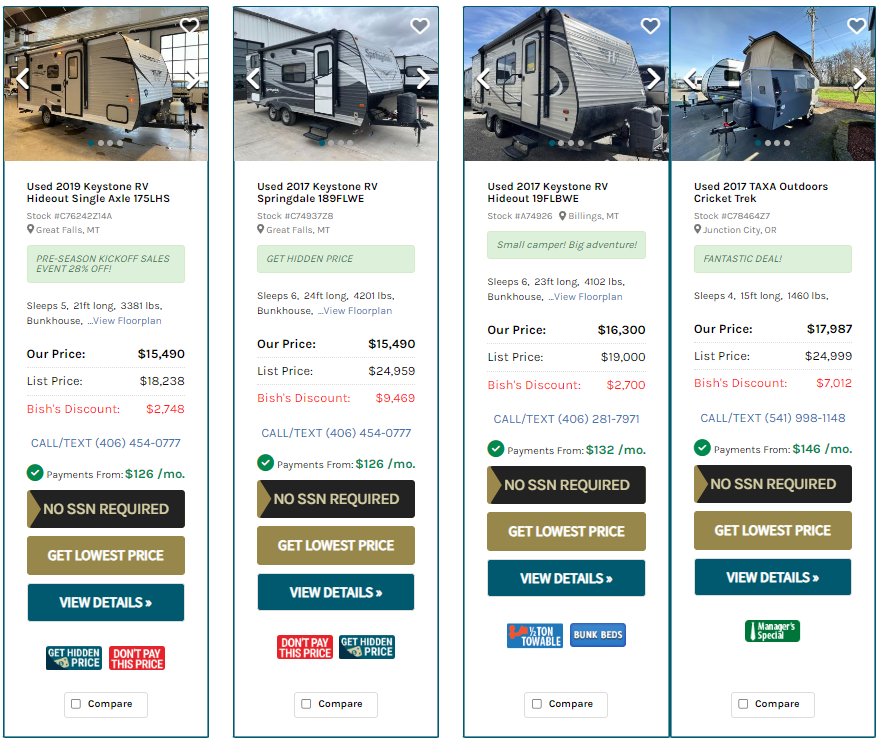
The Financial Importance of Knowing Your Trailer’s Worth
Accurately assessing your trailer’s value is a cornerstone of responsible financial management. It provides clarity and leverage across several crucial financial scenarios, transforming uncertainty into strategic advantage.
Informed Selling Decisions
When the time comes to sell your trailer, an accurate valuation is your most powerful tool. Overpricing can deter potential buyers, leading to prolonged sales periods and potentially a lower eventual sale price due to market stagnation. Underpricing, conversely, means leaving money on the table, shortchanging yourself on an asset you’ve likely maintained and invested in. A precise understanding of its market value allows you to set a competitive yet profitable price, attracting serious buyers and facilitating a swift transaction that maximizes your return on investment. This isn’t just about selling; it’s about realizing the true financial potential of your asset.
Insurance and Risk Management
Insurance coverage is directly tied to the declared value of your trailer. An outdated or inaccurate valuation can have severe financial repercussions. If your trailer is undervalued, a total loss claim (due to theft, accident, or natural disaster) could result in an insurance payout significantly less than its true replacement cost, leaving you with a substantial financial shortfall. Conversely, overvaluing your trailer might lead to higher, unnecessary premium payments. Regular valuation adjustments ensure that your insurance policy provides adequate financial protection without being an undue burden on your budget, effectively managing the financial risks associated with ownership.
Loan Applications and Refinancing
For those considering a loan using their trailer as collateral, or looking to refinance an existing trailer loan, an accurate valuation is indispensable. Lenders will base their loan offers on the fair market value of the collateral. A robust, well-supported valuation can strengthen your loan application, potentially securing more favorable interest rates or higher loan amounts. It demonstrates to financial institutions that you understand the asset’s worth, positioning you as a knowledgeable and reliable borrower, which can translate into better financial terms and lower borrowing costs over the life of the loan.
Personal Asset Management
Beyond transactional needs, knowing your trailer’s worth is fundamental to comprehensive personal asset management. It contributes to your overall net worth calculation, providing a clearer picture of your financial health. This information is vital for estate planning, wealth assessment, and even budgeting for future upgrades or replacements. By regularly tracking your trailer’s value, you gain insights into its depreciation curve, helping you decide on optimal holding periods and when to sell or upgrade to maximize your financial benefit. It transforms your trailer from a mere possession into a strategically managed financial asset.
Key Factors Influencing Your Trailer’s Monetary Value
The financial worth of a trailer is a dynamic figure, shaped by a confluence of specific characteristics and conditions. Understanding these factors is crucial for arriving at a realistic and accurate valuation.
Make, Model, and Year of Manufacture
Like any vehicle, the brand (make) and specific design (model) play a significant role. Reputable manufacturers often command higher resale values due to their established quality, reliability, and brand recognition. The year of manufacture is a primary indicator of age and technological relevance; newer trailers generally hold more value, though vintage models in exceptional condition can sometimes defy this trend for niche markets. The original MSRP (Manufacturer’s Suggested Retail Price) also sets a baseline for depreciation.
Condition: Interior and Exterior Assessment
The physical state of your trailer is paramount. A meticulous inspection of both the interior and exterior will reveal its true condition, impacting value directly.
-
Exterior: Look for dents, scratches, rust, faded paint, tire wear, condition of the roof (especially for RV trailers), lights, and hitch. A well-maintained exterior suggests careful ownership.
-
Interior: Assess upholstery, flooring, appliances (refrigerator, stove, AC), plumbing, electrical systems, cabinets, and any signs of water damage, mold, or excessive wear. A clean, functional, and damage-free interior significantly boosts financial appeal.
Type and Features: Specialization vs. Versatility
The type of trailer — whether it’s a specific cargo trailer, utility trailer, toy hauler, fifth-wheel, or travel trailer — dictates its target market and inherent value. Specialized trailers might appeal to a narrower audience but can command premium prices within that niche. Versatile trailers, while having broader appeal, might face more competition. Crucially, the features and amenities installed have a direct financial impact. High-end appliances, solar panels, upgraded suspension, integrated entertainment systems, specific tie-downs, or specialized ramps can add significant value, distinguishing your trailer in the market.
Mileage or Usage Hours
For trailers with an odometer (like many travel trailers or heavy-duty utility trailers), lower mileage generally correlates with higher value, indicating less wear and tear on components like axles, tires, and bearings. For other trailers, a proxy for usage might be hours of operation (e.g., generator hours in an RV trailer) or simply the visible wear consistent with its primary purpose. Less use typically means more life left in the components, a definite financial plus.
Maintenance History and Documentation
A well-documented maintenance history is a goldmine when it comes to demonstrating value. Records of regular servicing, oil changes, tire rotations, brake inspections, and any major repairs (with receipts) provide undeniable proof of responsible ownership. This financial transparency reassures potential buyers of the trailer’s reliability and helps justify a higher asking price. It also reduces perceived risk for insurers and lenders, further supporting a strong valuation.
Navigating Valuation Methods and Resources

Determining your trailer’s worth isn’t an exact science, but a process involving multiple data points and expert perspectives. Leveraging various valuation methods and resources can help you pinpoint its financial sweet spot.
Online Valuation Tools and Marketplaces
The digital age has brought forth a plethora of online resources that offer initial valuation estimates. Websites like RVUSA, NADAguides, J.D. Power (formerly NADA), or even specialized marketplaces for specific trailer types (e.g., Horse Trailer World, Boat Trader) provide extensive databases of comparable sales and suggested retail values. These tools often allow you to input your trailer’s make, model, year, and condition to generate a quick estimate. While these are excellent starting points for financial research, remember they offer generalized figures and may not account for every unique customization or local market nuance. They are best used to establish a broad financial range.
Professional Appraisals: When and Why
For high-value trailers, unique custom builds, or situations requiring legally binding valuations (such as divorce settlements, insurance claims disputes, or complex estate planning), a professional appraisal is often the most reliable financial tool. Certified appraisers possess the expertise to conduct thorough inspections, evaluate condition objectively, and analyze market data specific to your trailer. Their detailed reports provide an authoritative assessment of fair market value, carrying significant weight with financial institutions, insurance companies, and legal entities. While an appraisal incurs a fee, the precision and credibility it offers can be invaluable in critical financial situations.
Comparative Market Analysis (CMA)
A Comparative Market Analysis (CMA) is a practical, DIY approach to valuation that involves researching recently sold trailers similar to yours in your geographical area. By examining current listings and past sales on platforms like Facebook Marketplace, Craigslist, eBay, and specialized forums, you can gauge what buyers are actually paying. Pay close attention to trailers with similar makes, models, years, types, and conditions. This real-world financial data helps to refine estimates from online tools and provides a crucial understanding of local demand and pricing trends, which can vary significantly from national averages.
The Role of Dealer Trade-in Values
If you’re considering purchasing a new trailer and trading in your old one, the dealer’s trade-in offer is another form of valuation. Understand that dealer trade-in values are typically lower than private party sale values. This is because dealers need to factor in their costs for inspection, reconditioning, marketing, and profit margin. While it offers convenience and tax advantages (in some regions, you only pay sales tax on the difference between the new trailer price and the trade-in value), it’s important to compare it against a potential private sale. Use trade-in offers as a benchmark for the absolute minimum financial value you might expect, but don’t let it be your sole valuation metric.
Maximizing Your Trailer’s Resale Value: A Financial Strategy
Treating your trailer as a financial asset means understanding how to protect and even enhance its value over time. Strategic actions can significantly impact your return when it’s time to sell.
Proactive Maintenance and Repairs
The simplest yet most effective way to preserve value is through diligent maintenance. Regular servicing, addressing minor issues promptly, and adhering to the manufacturer’s maintenance schedule prevent small problems from escalating into costly major repairs that significantly diminish financial appeal. Keeping detailed records of all maintenance work proves your commitment to care and acts as a selling point. Investing in preventative maintenance is a sound financial decision that pays dividends at resale.
Strategic Upgrades and Customizations
Not all upgrades are created equal in terms of financial return. Focus on enhancements that genuinely add functionality, safety, or widespread appeal without over-personalizing. For travel trailers, upgrading to LED lighting, efficient appliances, a robust solar charging system, or improved insulation can be attractive. For utility trailers, adding a secure tool storage box, improving tie-down points, or upgrading the ramp system can increase its utility and market value. Research what features are most sought after in your trailer’s category and prioritize those that offer a good return on investment. Avoid highly specific or expensive customisations that might only appeal to a very narrow buyer segment.
Presentation Matters: Cleaning and Staging
First impressions are crucial for any financial transaction, and a trailer is no exception. A thorough cleaning, both inside and out, can dramatically enhance its perceived value. Remove all personal belongings, deep clean upholstery and surfaces, wash the exterior, polish chrome, and detail the tires. For RVs, stage the interior to look inviting and spacious. Functionality is also key: ensure all lights work, tires are properly inflated, and any visible repairs are addressed. A well-presented trailer suggests careful ownership and instills confidence in potential buyers, often justifying a higher asking price.
Effective Marketing and Pricing Strategies
Once your trailer is ready, strategic marketing and pricing are vital. High-quality photos from various angles (interior and exterior) are essential. Write a detailed, honest description highlighting key features, maintenance history, and any recent upgrades. When setting your price, use all the valuation methods discussed earlier to arrive at a competitive figure. Be prepared to negotiate, but know your bottom line based on your financial assessment. Advertising on multiple relevant platforms (online marketplaces, social media groups, local classifieds) can expand your reach and attract serious buyers, ultimately leading to a quicker and more profitable sale.
Understanding Depreciation and Market Trends
The financial landscape for trailer ownership is constantly shifting, primarily influenced by the inevitable force of depreciation and broader market dynamics. Acknowledging these factors is essential for realistic financial planning.
The Inevitable Slide: Trailer Depreciation
Like most vehicles, trailers are depreciating assets. From the moment a new trailer leaves the dealership, its value begins to decline. This depreciation is generally most rapid in the first few years, slowing down as the trailer ages. While depreciation cannot be entirely avoided, understanding its curve allows owners to make informed decisions about when to sell to minimize financial loss or when to buy used to maximize value. Factors like construction quality, brand reputation, and owner maintenance can influence the rate of depreciation, offering some control over this financial reality.
Economic Factors and Seasonal Fluctuations
Broader economic conditions play a significant role in the trailer market. During periods of economic prosperity, discretionary spending on recreational vehicles and equipment tends to increase, driving up demand and potentially prices. Conversely, economic downturns can lead to lower demand and softer prices. Seasonal fluctuations also impact value; travel trailers, for instance, might fetch higher prices in the spring and early summer as people plan vacations, while utility trailers might see demand tied to specific industries or projects. Timing your sale or purchase with these financial cycles can significantly affect the transaction outcome.
Demand and Supply Dynamics
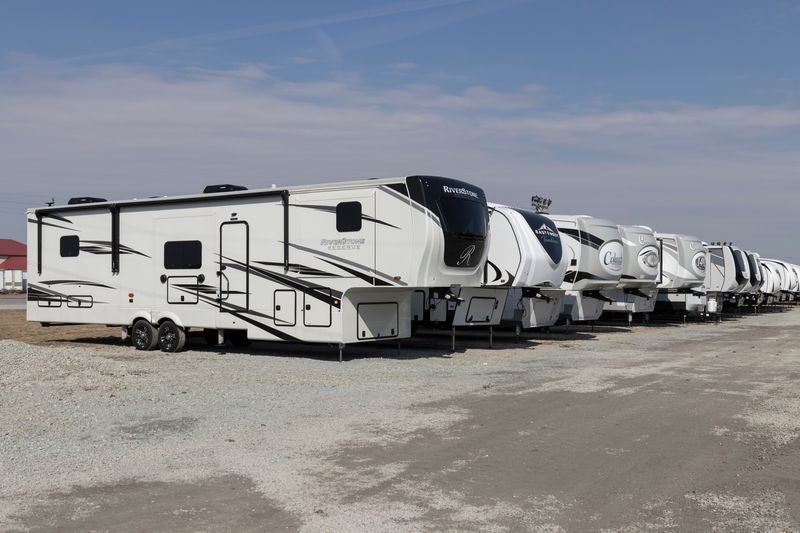
The classic economic principles of supply and demand are highly influential in trailer valuation. If a particular make or model is in high demand but supply is limited, its value will naturally increase. Conversely, an oversupply of a certain type of trailer can drive prices down. Keep an eye on market trends: are certain types of trailers becoming more popular (e.g., small, lightweight travel trailers for fuel efficiency)? Are there manufacturing delays affecting new inventory? These dynamics directly translate into financial opportunities or challenges for both buyers and sellers in the used trailer market.
In conclusion, understanding “how much is my trailer worth” is a multifaceted financial endeavor that extends far beyond a simple number. It involves a meticulous assessment of its physical attributes, an insightful analysis of market forces, and a proactive approach to maintenance and strategic upgrades. By embracing the principles of personal finance and leveraging available financial tools, you can accurately ascertain your trailer’s true monetary value, enabling you to make financially intelligent decisions regarding its sale, insurance, financing, and overall management as a valuable asset within your portfolio. This knowledge empowers you to navigate the trailer market with confidence, ensuring you get the most financial benefit from your investment.
aViewFromTheCave is a participant in the Amazon Services LLC Associates Program, an affiliate advertising program designed to provide a means for sites to earn advertising fees by advertising and linking to Amazon.com. Amazon, the Amazon logo, AmazonSupply, and the AmazonSupply logo are trademarks of Amazon.com, Inc. or its affiliates. As an Amazon Associate we earn affiliate commissions from qualifying purchases.