
For most individuals, a mortgage represents the single largest financial commitment they will ever make. It’s not merely a monthly payment; it’s a complex interplay of principal, interest, taxes, and insurance, all subject to a myriad of influencing factors. Understanding “how much is my mortgage” goes far beyond the initial quote from a lender; it requires a deep dive into the components that constitute your regular payment, the variables that can alter it, and the strategies you can employ to manage this significant financial obligation effectively. This comprehensive guide aims to demystify the mortgage payment, providing homeowners and prospective buyers with the insights needed to navigate the financial landscape of homeownership with confidence and foresight.
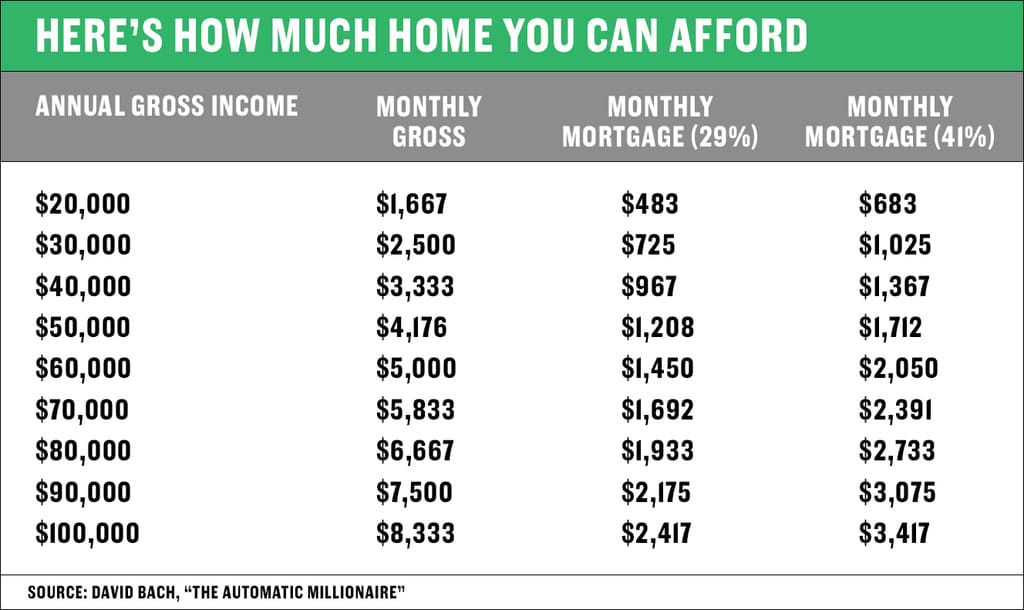
Deconstructing Your Monthly Mortgage Payment: The PITI Paradigm
To truly grasp the cost of your mortgage, you must first understand its foundational elements. The widely recognized acronym PITI — Principal, Interest, Taxes, and Insurance — forms the bedrock of most monthly mortgage payments, each contributing significantly to the total sum.
The Core Components: Principal and Interest (P&I)
At its heart, a mortgage is a loan, and like any loan, it involves repaying the borrowed amount (principal) and the cost of borrowing that money (interest).
- Principal: This is the actual amount of money you borrowed from the lender to purchase your home. Each month, a portion of your payment goes towards reducing this outstanding balance. Early in the loan term, a smaller fraction of your payment typically goes towards principal, gradually increasing over time. As your principal balance decreases, you begin to build equity in your home.
- Interest: This is the fee charged by the lender for the privilege of borrowing their money. The interest rate, a percentage of the loan’s principal, dictates how much you pay. The higher the interest rate or the larger the principal, the more interest you’ll pay over the life of the loan. In the initial years of a standard fixed-rate mortgage, the majority of your P&I payment is allocated to interest, reflecting the higher outstanding principal balance. This dynamic shifts over the loan term due to a process called amortization.
Understanding the interplay of principal and interest is crucial. While both are integral, the varying allocation over time profoundly impacts your equity accumulation and the total cost of your loan. A greater understanding allows for strategies like making extra principal payments, which can significantly reduce the overall interest paid and shorten the loan term.
Beyond P&I: Taxes and Insurance (TI)
While principal and interest constitute the direct cost of the loan, property taxes and homeowner’s insurance are essential, often mandatory, costs associated with owning real estate.
- Property Taxes: These are levied by local governmental authorities (county, city, school district) based on the assessed value of your property. They fund public services like schools, roads, and emergency services. Property tax rates vary dramatically by location and can change periodically, impacting your monthly payment. Lenders typically require these to be paid, often collected as part of your monthly mortgage payment.
- Homeowner’s Insurance: This policy protects your home and personal belongings from damage due to events like fire, theft, vandalism, and natural disasters. Lenders mandate homeowner’s insurance to protect their investment in your property. Like property taxes, premiums can vary based on location, property value, coverage limits, and deductible choices.
To simplify payments and ensure these crucial obligations are met, many lenders utilize an escrow account. This is a special account managed by your mortgage servicer, into which a portion of your monthly payment is deposited. When property taxes and homeowner’s insurance premiums become due, the servicer pays them directly from your escrow account. While convenient, it means your mortgage payment can fluctuate if taxes or insurance premiums change.
Additional Costs: PMI, HOA, and More
Beyond the core PITI, other expenses can add to your total monthly mortgage outlay, often specific to certain loan types or property situations.
- Private Mortgage Insurance (PMI): If you make a down payment of less than 20% on a conventional loan, lenders typically require PMI. This protects the lender in case you default on your loan. PMI is an additional monthly cost that can range from 0.3% to 1.5% of the original loan amount per year. Fortunately, PMI can often be canceled once you reach 20% equity in your home, providing a pathway to reducing your monthly expenses.
- Homeowners Association (HOA) Fees: If your property is part of a planned community, condominium, or townhouse development, you’ll likely pay monthly or annual HOA fees. These fees cover the maintenance and management of common areas, amenities (e.g., pools, gyms), and often services like landscaping, exterior building maintenance, and sometimes utilities. HOA fees are non-negotiable for properties within such associations and contribute directly to your overall housing cost.
- Other Potential Costs: Depending on your location and property type, you might encounter additional fees such as flood insurance (if your property is in a flood zone), special assessments for community improvements, or Mello-Roos taxes in specific California districts.
Each of these additional costs plays a role in the total answer to “how much is my mortgage” and must be factored into your budget and financial planning.
Key Factors Influencing Your Mortgage Amount
The exact figure of your monthly mortgage payment is not static; it’s a dynamic result of several critical factors. Understanding these variables allows for better planning and potential optimization.
The Loan Amount and Interest Rate
These two factors are arguably the most significant determinants of your P&I payment.
- The Loan Amount: This is the total sum you borrow, which is your home’s purchase price minus your down payment. A larger loan amount will naturally result in higher monthly payments, assuming all other factors remain constant. The size of your down payment directly impacts the loan amount and, consequently, your monthly obligation and whether you’ll pay PMI.
- The Interest Rate: This is the cost of borrowing money, expressed as a percentage. Even a small difference in the interest rate can significantly alter your monthly payment and the total interest paid over the life of the loan. Factors influencing your interest rate include your credit score (higher scores generally secure lower rates), the type of mortgage (fixed-rate vs. adjustable-rate), the overall economic environment, and market conditions set by the Federal Reserve. A fixed-rate mortgage offers predictable payments, as the interest rate remains constant for the life of the loan. An adjustable-rate mortgage (ARM), conversely, has an interest rate that can change after an initial fixed period, potentially leading to fluctuating monthly payments.
Loan Term and Amortization Schedule
The duration over which you agree to repay your loan also profoundly impacts your monthly payments.
- Loan Term: Common terms include 15-year and 30-year mortgages, though other options exist. A 15-year mortgage typically has higher monthly payments because you’re paying off the principal over a shorter period. However, it results in significantly less interest paid over the loan’s life and faster equity accumulation. A 30-year mortgage offers lower monthly payments, providing greater cash flow flexibility, but you’ll pay substantially more in interest over the longer term. The choice between these terms often involves balancing affordability with long-term financial goals.
- Amortization Schedule: This is a table detailing each payment over the life of the loan, showing how much goes towards principal and how much towards interest. It clearly illustrates how early payments are heavily weighted towards interest, with the principal portion growing over time. Understanding this schedule is key to appreciating how your equity builds and how early extra payments can dramatically impact the loan’s trajectory.
Location-Specific Costs: Property Taxes and Insurance Premiums
As discussed, taxes and insurance are critical components of PITI, but their specific amounts are highly localized.
- Property Taxes: These are influenced by your home’s assessed value (which can differ from its market value) and the tax rates set by local jurisdictions. These rates vary widely across states, counties, and even within the same city. Higher property values or a community’s need for increased revenue can lead to higher tax bills, directly impacting your monthly mortgage payment.
- Insurance Premiums: Homeowner’s insurance costs are affected by the home’s replacement cost, its location (e.g., proximity to coastlines, wildfire zones), local crime rates, and the specific coverage selected. Factors like the age and construction type of the home, as well as the chosen deductible, also play a significant role. These premiums can fluctuate annually, sometimes necessitating adjustments to your escrow payments.
Calculating and Understanding Your Mortgage
While a basic understanding of PITI and influencing factors is crucial, accurate calculation and comprehensive analysis are essential for effective financial planning.
Leveraging Online Mortgage Calculators
Modern technology offers readily accessible tools that simplify mortgage calculations. Online mortgage calculators are invaluable for estimating monthly payments, comparing loan scenarios, and understanding the financial implications of various choices.
- Benefits: These tools provide instant results, allow for “what-if” scenarios (e.g., different down payments, interest rates, terms), and often include amortization schedules. They can help you determine affordability, compare lenders, and plan for future adjustments.
- Key Inputs: To get an accurate estimate, you’ll need to input the loan amount, interest rate, loan term, estimated annual property taxes, estimated annual homeowner’s insurance premium, and any applicable PMI or HOA fees.

By using these calculators, prospective homeowners can gain a realistic picture of their future financial commitments, while current homeowners can explore the impact of potential refinancing or extra payments.
Decoding Your Amortization Schedule
An amortization schedule is more than just a table of numbers; it’s a roadmap of your loan repayment journey.
- What it shows: For each payment, it clearly breaks down how much goes towards interest, how much towards principal, and the remaining principal balance. This visual representation highlights how slowly principal is paid down in the early years and how rapidly it accelerates later on.
- Understanding Equity Buildup: The schedule directly illustrates how your equity in the home grows as the principal balance decreases. This insight can be highly motivating for homeowners looking to pay off their loan faster.
- The Power of Early Extra Payments: By reviewing the amortization schedule, one can vividly see the significant impact that even small, consistent extra principal payments can have, particularly in the early years. These payments reduce the principal balance sooner, leading to substantial savings on interest over the loan’s life.
Strategies for Managing and Optimizing Your Mortgage
A mortgage is not a static burden but a dynamic financial instrument that can be managed and optimized to suit your financial goals. Proactive strategies can save you money, shorten your loan term, and enhance your overall financial well-being.
Making Extra Payments and Shortening Your Loan Term
One of the most effective ways to reduce the total cost of your mortgage and accelerate its payoff is by making additional principal payments.
- Impact: Even a modest extra payment each month can shave years off your loan term and save tens of thousands in interest. For instance, paying just an extra $100-$200 per month can have a surprisingly profound effect.
- Bi-Weekly Payments: A popular strategy is to make bi-weekly payments. By paying half of your monthly payment every two weeks, you end up making one extra full payment per year (26 half-payments = 13 full payments). This seemingly small adjustment can significantly shorten your loan term and reduce interest costs.
- Lump-Sum Payments: Applying bonuses, tax refunds, or other unexpected windfalls as lump-sum payments directly to your principal can also yield substantial long-term savings. Always specify that extra payments should be applied directly to the principal balance.
Refinancing for Better Terms
Refinancing involves taking out a new mortgage to pay off your old one, often to secure more favorable terms.
- When it Makes Sense: Refinancing is often considered when interest rates drop significantly, allowing you to secure a lower rate and reduce your monthly payment or the total interest paid. It can also be used to switch from an ARM to a fixed-rate mortgage for greater payment predictability, or to shorten the loan term (e.g., from 30 years to 15 years) to pay it off faster.
- Cash-Out Refinancing: Some homeowners use refinancing to “cash out” a portion of their home equity, converting it into liquid funds for large expenses or debt consolidation. However, this increases your loan amount and should be approached with caution.
- Costs of Refinancing: Be aware that refinancing comes with closing costs, similar to your original mortgage. It’s crucial to calculate whether the savings from a lower interest rate or improved terms outweigh these upfront expenses.
Budgeting and Financial Planning Around Your Mortgage
Your mortgage is a central pillar of your financial life, making comprehensive budgeting and planning essential.
- Creating a Comprehensive Household Budget: Integrate your PITI, HOA fees, and any other housing-related costs into a realistic monthly budget. This ensures you have a clear picture of your disposable income and can allocate funds effectively.
- Emergency Fund Importance: Maintain a robust emergency fund (typically 3-6 months of living expenses) that can cover your mortgage payments and other essential bills in case of unexpected job loss, illness, or other financial setbacks. Your home is not a liquid asset, so having cash reserves is vital.
- Balancing Mortgage with Other Goals: While paying off your mortgage quickly is appealing, ensure it doesn’t come at the expense of other crucial financial goals like retirement savings, education funds, or high-interest debt repayment. A balanced approach is often the most prudent.
Periodic Review of Escrow Accounts and Insurance
Your escrow account, designed for convenience, requires periodic review due to the dynamic nature of property taxes and insurance premiums.
- Why Escrow Can Change: Property tax assessments can increase, and homeowner’s insurance premiums can rise due to inflation, claims history, or changes in risk assessment (e.g., increased weather-related events). These changes directly impact the amount your lender needs to collect for escrow, potentially leading to adjustments in your monthly mortgage payment.
- Shopping for Better Rates: Regularly shop around for homeowner’s insurance quotes. Premiums vary significantly between providers, and you might find substantial savings by comparing policies, ensuring you maintain adequate coverage. Similarly, review your property tax assessment annually; in some cases, you might be able to appeal an assessment you believe is too high.
The Long-Term Perspective: Mortgage as a Wealth-Building Tool
Beyond its immediate costs, a mortgage, when managed wisely, can serve as a powerful tool for long-term wealth creation and financial stability.
Building Home Equity
One of the most compelling advantages of homeownership is the gradual accumulation of home equity.
- How Equity Grows: Equity is the portion of your home that you truly own. It increases as you pay down your principal balance and as your property appreciates in value over time.
- Utilizing Equity: Built-up equity can be a valuable financial asset. It can be accessed through a home equity line of credit (HELOC) or a cash-out refinance to fund renovations, pay for education, or consolidate debt. However, using your home as an ATM should be done cautiously, as it converts equity back into debt and puts your home at risk if you cannot repay.
Tax Advantages of Homeownership
Homeowners often benefit from certain tax deductions that can help offset the costs of ownership.
- Mortgage Interest Deduction: In many tax systems, homeowners can deduct the interest paid on their mortgage, up to certain limits. This deduction effectively lowers the after-tax cost of homeownership. (Note: Tax laws change, so it’s always wise to consult a tax professional for current regulations).
- Property Tax Deductions: Similarly, property taxes paid can often be deducted, though these are also subject to limitations and caps, particularly in recent tax reforms.
These tax benefits, while potentially significant, should be viewed as an additional perk rather than the primary reason for purchasing a home.
Preparing for Future Financial Milestones
Integrating your mortgage into your broader financial plan is crucial for achieving long-term goals.
- Planning for Eventual Mortgage Payoff: Whether you aim to pay off your mortgage before retirement or ride it out for the full term, having a clear strategy in place is important. Eliminating this significant debt can free up substantial cash flow for retirement or other aspirations.
- Integrating Homeownership into Retirement Planning: Your home’s value and whether it will be fully paid off by retirement can significantly impact your retirement income needs and assets. For some, downscaling or reverse mortgages might become options later in life to leverage home equity.

Conclusion
Understanding “how much is my mortgage” is an ongoing journey that extends well beyond signing the initial loan documents. It requires a continuous awareness of the payment components, the factors that influence them, and the strategic options available for optimization. By actively deconstructing your payments, leveraging financial tools, and adopting a proactive approach to budgeting and management, homeowners can transform a daunting financial obligation into a manageable asset that contributes significantly to their long-term financial health and wealth accumulation. Homeownership is a marathon, not a sprint, and knowledge is your most powerful tool for navigating its terrain successfully.
aViewFromTheCave is a participant in the Amazon Services LLC Associates Program, an affiliate advertising program designed to provide a means for sites to earn advertising fees by advertising and linking to Amazon.com. Amazon, the Amazon logo, AmazonSupply, and the AmazonSupply logo are trademarks of Amazon.com, Inc. or its affiliates. As an Amazon Associate we earn affiliate commissions from qualifying purchases.