
The dream of homeownership is a central pillar of financial stability and personal achievement for many. However, when prospective buyers ask, “How much is a mortgage?” they are often met with a complex array of variables that go far beyond the simple sticker price of a house. A mortgage is not a static number; it is a dynamic financial commitment influenced by market conditions, personal creditworthiness, and the intricate mechanics of debt amortization.
To truly understand how much a mortgage costs, one must look past the monthly payment and examine the total cost of borrowing over decades. This involves dissecting the components of a payment, the impact of interest rates, the hidden fees associated with closing, and the long-term financial strategy required to manage such a significant liability.

Decoding the Core Components: The PITI Framework
When you receive a monthly mortgage statement, the total amount you pay is usually divided into four distinct categories, often referred to by the acronym PITI: Principal, Interest, Taxes, and Insurance. Understanding these four elements is essential to calculating the real-time cost of your loan.
Principal and Interest: The Foundation of the Loan
The principal is the actual amount of money you borrowed from the lender to purchase the home. If you buy a house for $400,000 and put down $80,000, your principal balance starts at $320,000. Interest, on the other hand, is the fee the lender charges you for the privilege of using their money.
In the early years of a traditional 30-year fixed-rate mortgage, the majority of your monthly payment goes toward interest. This process is known as amortization. As the years progress, the ratio shifts, and a larger portion of your payment begins to chip away at the principal balance. This is why building equity in a home feels slow at first but accelerates significantly in the final decade of the loan.
Property Taxes and Homeowners Insurance
Lenders generally require borrowers to pay their property taxes and homeowners insurance as part of their monthly mortgage payment. These funds are held in an escrow account—a neutral holding area—and the lender pays the bills on your behalf when they come due.
Property taxes vary wildly depending on your geographic location and the assessed value of the home. Similarly, homeowners insurance protects both you and the lender against catastrophic loss. If you live in a high-risk area for floods or fires, your insurance premiums will be significantly higher, directly increasing your monthly mortgage obligation.
Private Mortgage Insurance (PMI)
If your down payment is less than 20% of the home’s purchase price, you will likely be required to pay Private Mortgage Insurance (PMI). This is an additional monthly fee that protects the lender in case you default on the loan. While PMI does not benefit the homeowner directly, it is a necessary cost for those who wish to enter the market without a large cash reserve. Once you have reached 20% equity in the home, you can usually request to have PMI removed, which can lower your monthly mortgage cost by hundreds of dollars.
External Factors Influencing Your Monthly Costs
Beyond the price of the house itself, several external economic and personal factors dictate “how much” your mortgage will ultimately be. These variables can mean the difference between a manageable monthly expense and a financial burden.
The Impact of Interest Rates and Credit Scores
The interest rate is perhaps the most powerful variable in the mortgage equation. Even a 1% difference in your interest rate can result in tens of thousands of dollars in extra costs over the life of the loan. Interest rates are influenced by the Federal Reserve’s monetary policy and the broader economy, but your personal interest rate is largely determined by your credit score.
A high credit score (740 and above) signals to lenders that you are a low-risk borrower, allowing you to qualify for the lowest available rates. Conversely, a lower credit score may result in a higher interest rate or the requirement of a larger down payment. For someone asking “how much is a mortgage,” the first step is often improving their credit profile to minimize the cost of interest.
Loan Term Length: 15 vs. 30 Years
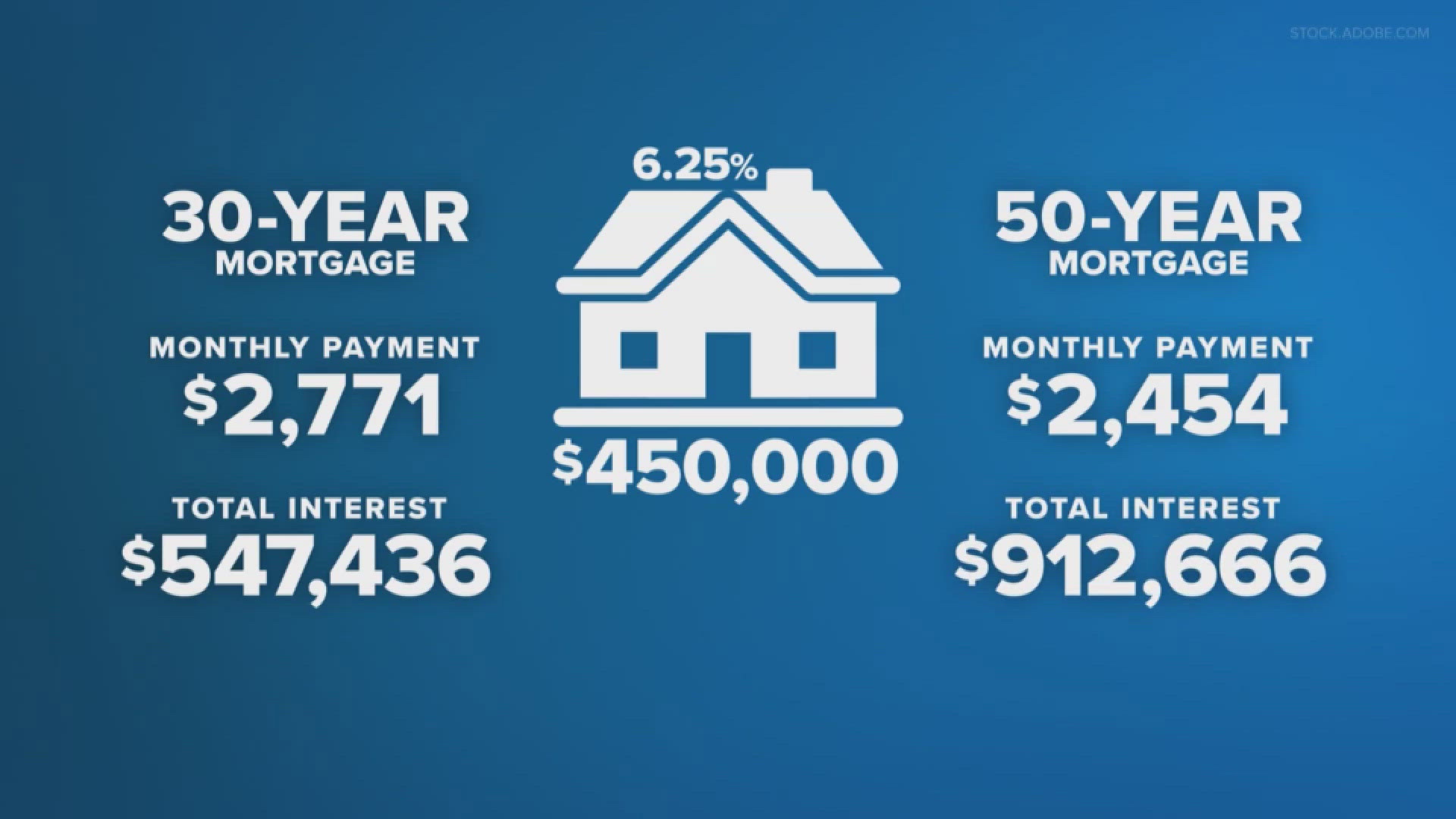
The duration of the loan significantly affects your monthly out-of-pocket costs versus the total interest paid. A 30-year mortgage is the most popular option because it offers lower monthly payments, making homeownership more accessible. However, because you are spreading the principal over a longer period, you will pay substantially more in interest over the life of the loan.
A 15-year mortgage typically offers a lower interest rate than a 30-year loan, but the monthly payments are much higher because the principal must be paid back in half the time. For those focused on long-term wealth building, the 15-year option is often superior because it allows the homeowner to own the asset outright sooner and saves a fortune in interest.
Down Payment Size and Loan-to-Value (LTV) Ratio
The amount of cash you bring to the closing table has a “ripple effect” on your mortgage costs. A larger down payment reduces the principal amount, which in turn reduces the monthly interest and can potentially eliminate the need for PMI. The Loan-to-Value (LTV) ratio is the percentage of the home’s value that is being financed. Lenders prefer a lower LTV; the more skin you have in the game, the less risk the lender assumes, which can sometimes lead to better loan terms.
Hidden Costs and Closing Fees
When calculating “how much is a mortgage,” many first-time buyers make the mistake of only looking at the monthly payment. However, the upfront costs of securing that mortgage can be a significant financial hurdle.
Upfront Closing Costs
Closing costs are the fees paid at the end of the real estate transaction. They typically range from 2% to 5% of the total purchase price of the home. These costs cover a variety of administrative and legal requirements, including:
- Loan Origination Fees: What the lender charges for processing the loan.
- Appraisal Fees: The cost to have a professional verify the home’s value.
- Title Insurance: Protection against future claims to the property’s ownership.
- Government Recording Fees: The cost of registering the deed with the local municipality.
On a $300,000 home, closing costs could easily reach $10,000 to $15,000. These must usually be paid in cash at the time of purchase, making them a critical part of the “how much” equation.
Maintenance, HOA Fees, and Utilities
While not technically part of the mortgage loan, these are recurring costs of homeownership that must be factored into your financial planning. Homeowners Association (HOA) fees are common in condos and planned communities; they cover communal maintenance but can add hundreds of dollars to your monthly housing budget. Furthermore, unlike renting, where a landlord covers repairs, a homeowner is responsible for all maintenance. Financial experts recommend setting aside 1% of the home’s value annually for repairs, which should be considered an indirect cost of maintaining the mortgage.
How to Calculate and Plan Your Budget
Determining how much mortgage you can afford requires a deep dive into your personal finances and an understanding of how lenders evaluate your “ability to pay.”
The 28/36 Rule of Debt-to-Income
Financial advisors and lenders often use the “28/36 Rule” as a benchmark for affordability. According to this rule:
- The 28% Limit: Your total monthly mortgage payment (PITI) should not exceed 28% of your gross monthly income.
- The 36% Limit: Your total debt payments (including mortgage, car loans, student loans, and credit cards) should not exceed 36% of your gross monthly income.
Staying within these boundaries ensures that you are not “house poor”—a situation where so much of your income goes toward housing that you cannot afford other life necessities or save for retirement.
Using Mortgage Calculators and Financial Tools
In the modern era, you don’t need to be a math expert to estimate your mortgage. Online mortgage calculators are invaluable tools that allow you to input different scenarios. You can toggle between different interest rates, down payment amounts, and loan terms to see how they impact your monthly bottom line.
However, a calculator is only as good as the data you give it. To get an accurate picture, you must research local property tax rates and get insurance quotes. Relying solely on a basic calculator that only considers principal and interest will lead to a significant underestimation of the actual cost.
Conclusion: The Strategic View of Mortgage Debt
So, how much is a mortgage? The answer is a combination of the purchase price, the cost of the money borrowed, the taxes levied by your community, and the fees required to protect the asset. A mortgage is more than just a monthly bill; it is a long-term financial strategy.
By understanding the PITI structure, maintaining a high credit score to secure low interest rates, and accounting for the “hidden” costs of closing and maintenance, you can ensure that your mortgage is a tool for building wealth rather than a source of financial stress. Careful planning and a realistic assessment of your Debt-to-Income ratio will allow you to step into the world of homeownership with confidence, knowing exactly what your financial commitment entails.
aViewFromTheCave is a participant in the Amazon Services LLC Associates Program, an affiliate advertising program designed to provide a means for sites to earn advertising fees by advertising and linking to Amazon.com. Amazon, the Amazon logo, AmazonSupply, and the AmazonSupply logo are trademarks of Amazon.com, Inc. or its affiliates. As an Amazon Associate we earn affiliate commissions from qualifying purchases.