
Understanding the cost of monthly health insurance is a critical component of personal financial planning. For many, it represents a significant recurring expense, yet it’s an indispensable safeguard against the potentially catastrophic costs of unexpected medical events. The question, “how much is monthly health insurance?”, doesn’t have a single, simple answer because premiums are highly individualized, fluctuating based on a myriad of factors. This article will delve into the complexities of health insurance pricing, explore the various elements that influence your monthly outlay, guide you through different avenues for securing coverage, and offer strategies to manage this essential financial commitment.

Understanding the Fundamentals of Health Insurance Premiums
Before dissecting the factors that drive costs, it’s essential to grasp the basic concepts underpinning health insurance premiums. What exactly are you paying for each month, and how does the system work?
What is a Premium?
At its core, a health insurance premium is the regular payment – typically monthly – you make to an insurance company or health plan in exchange for coverage. This payment ensures that the insurer will help cover eligible medical costs, from doctor’s visits and prescription drugs to emergency care and hospital stays, according to the terms of your policy. It’s akin to a subscription fee for access to healthcare services, albeit one with much higher stakes.
The Concept of Risk Pooling
Insurance operates on the principle of risk pooling. A large group of people pay premiums into a common fund. While only a fraction of these individuals will experience major health issues in any given year, the pooled money is available to cover the high costs for those who do. Healthy individuals contribute to the pool, helping to subsidize the care for those who are sicker, thereby spreading the financial risk across the entire insured population. This collective approach makes healthcare more affordable and accessible than if each person had to bear the full cost of their own medical emergencies independently.
Differentiating Plan Types (HMO, PPO, EPO, POS)
The type of health insurance plan you choose profoundly impacts both your premium and how you access care.
- HMO (Health Maintenance Organization): Typically features lower premiums. You choose a primary care physician (PCP) within the HMO’s network, who then coordinates all your care and provides referrals to specialists. Out-of-network care is generally not covered, except in emergencies.
- PPO (Preferred Provider Organization): Offers more flexibility. You don’t need a PCP referral to see a specialist, and you have the option to see out-of-network providers, though at a higher cost. Premiums are generally higher than HMOs.
- EPO (Exclusive Provider Organization): A hybrid, somewhat like an HMO in that it doesn’t cover out-of-network care (except emergencies), but like a PPO in that you usually don’t need a PCP referral to see specialists within the network. Premiums are often mid-range.
- POS (Point of Service): Combines features of both HMOs and PPOs. You select a PCP within the network, but you can also go out of network for care, often requiring a referral from your PCP for out-of-network services and typically incurring higher costs.
Understanding these distinctions is crucial, as the balance between premium cost, flexibility, and coverage network is a major decision point for consumers.
Key Factors Influencing Your Monthly Premium
The price of health insurance is not arbitrary; it’s a carefully calculated sum based on several demographic, geographic, and policy-specific variables. Recognizing these factors empowers you to better understand and potentially influence your monthly costs.
Age and Location
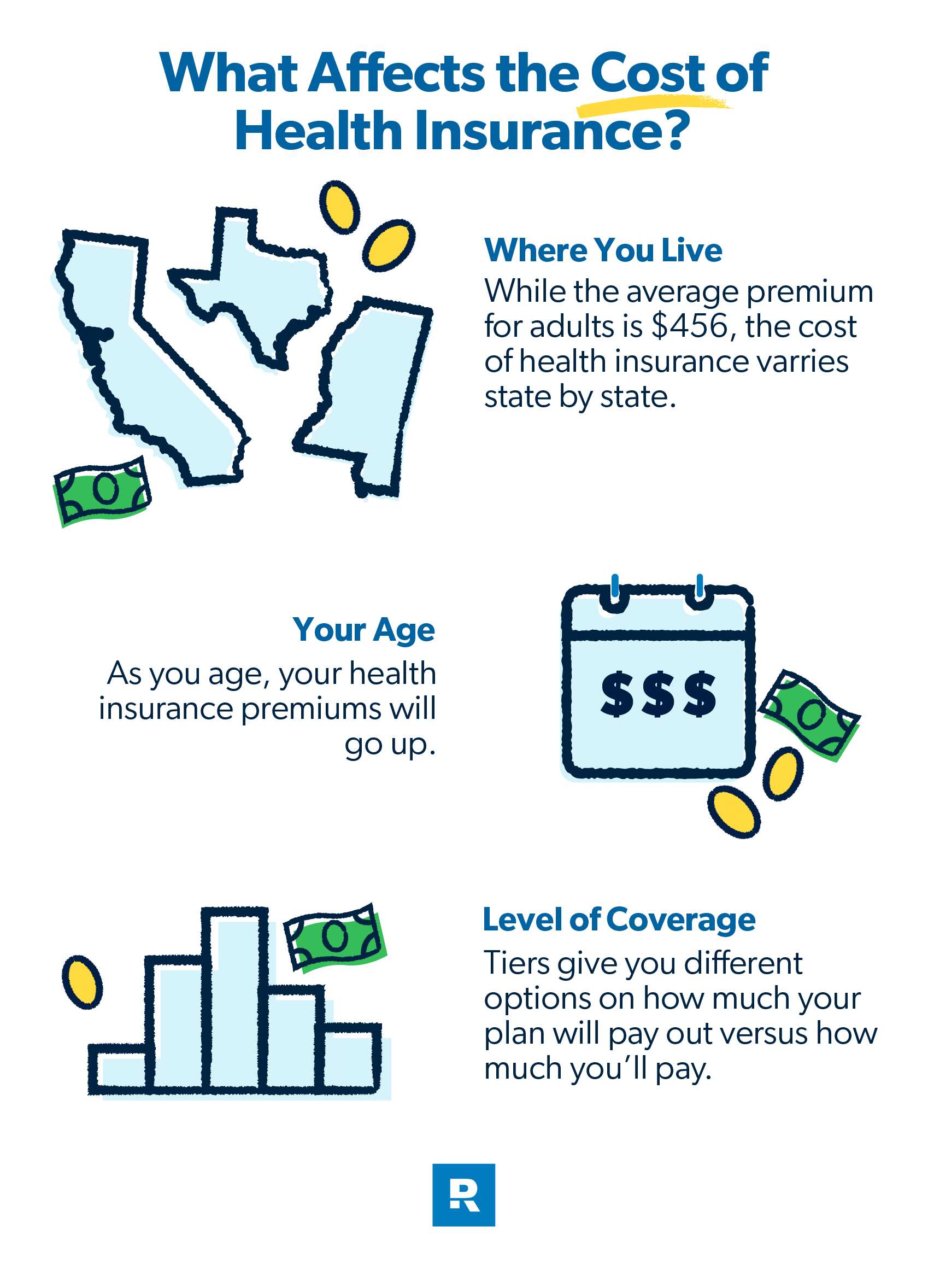
These are two of the most significant determinants of your premium. Generally, as you age, your health insurance premium will increase. This is because older individuals statistically require more medical care, making them a higher risk for insurers. Insurers are allowed to charge older adults up to three times more than younger adults for the same plan under the Affordable Care Act (ACA).
Your geographical location also plays a substantial role. Healthcare costs vary significantly by state, county, and even zip code due to differences in local medical costs, competition among providers, state regulations, and the overall health of the local population. A plan that costs a certain amount in one state might be much more or less expensive just across state lines.
Tobacco Use
Insurers are permitted to charge individuals who use tobacco products a higher premium, often referred to as a “tobacco surcharge.” This surcharge can add up to 50% to your monthly premium. This is a direct reflection of the increased health risks and associated medical costs linked to tobacco use.
Plan Category (Bronze, Silver, Gold, Platinum)
Plans available through the Health Insurance Marketplace (ACA) are categorized into metal tiers: Bronze, Silver, Gold, and Platinum. These tiers reflect the actuarial value of the plan, which is the average percentage of healthcare costs the plan is expected to cover for a standard population.
- Bronze plans have the lowest monthly premiums but the highest deductibles and out-of-pocket costs. They cover approximately 60% of costs.
- Silver plans have moderate premiums and deductibles. They cover about 70% of costs, and are the only plans eligible for cost-sharing reductions (subsidies that lower your deductible, copayments, and coinsurance).
- Gold plans have higher monthly premiums but lower deductibles and out-of-pocket costs, covering about 80% of costs.
- Platinum plans have the highest monthly premiums but the lowest deductibles and out-of-pocket costs, covering about 90% of costs.
Your choice of metal tier is a direct trade-off between monthly premium expense and out-of-pocket costs when you receive care.
Family Size
The number of individuals you need to cover under your plan will directly increase your premium. A single person will pay less than a couple, who will pay less than a family with children. Each additional family member added to the policy will increase the overall premium.
Health Status (Post-ACA Changes)
Prior to the Affordable Care Act, insurers could deny coverage or charge significantly higher premiums based on an individual’s pre-existing conditions. The ACA largely eliminated this practice for most individual and small group plans. Now, your current health status and medical history generally do not influence your premium, although tobacco use remains an exception. This ensures that everyone, regardless of their health, has access to affordable coverage.
Navigating the Health Insurance Marketplace
Finding the right health insurance plan can feel like a daunting task, given the multitude of options and complexities. Knowing where to look and understanding the common pathways to coverage is key.
Employer-Sponsored Plans
For many Americans, health insurance is provided through their employer. These plans are often a highly attractive option because employers typically subsidize a significant portion of the premiums, making them more affordable than individual plans purchased elsewhere. Employer-sponsored plans come in various forms (HMO, PPO, etc.) and usually offer a range of options during an annual open enrollment period.
Government Marketplaces (ACA/Obamacare)
If you don’t have access to employer-sponsored insurance, or if it’s deemed unaffordable, the government-run Health Insurance Marketplaces (such as HealthCare.gov or state-specific marketplaces) are a primary avenue. These marketplaces allow individuals and families to compare and enroll in qualified health plans. Crucially, they are also where individuals can apply for financial assistance, including premium tax credits (subsidies) and cost-sharing reductions, which can significantly lower both monthly premiums and out-of-pocket costs. Eligibility for these subsidies is based on income relative to the federal poverty level.
Private/Off-Marketplace Options
Beyond employer plans and government marketplaces, you can also purchase health insurance directly from private insurance companies. These are often referred to as “off-marketplace” plans. While these plans must still adhere to ACA requirements regarding essential health benefits, pre-existing conditions, and annual out-of-pocket maximums, they are not eligible for premium tax credits or cost-sharing reductions. They might offer a wider selection of plans or different network options, but typically make sense only for those who do not qualify for subsidies.
Medicare and Medicaid Considerations
For specific populations, government programs offer crucial health coverage:
- Medicare: Primarily serves individuals aged 65 or older, younger people with certain disabilities, and people with End-Stage Renal Disease. Medicare has different parts (A, B, C, D) covering various services, and while some parts have premiums (like Part B), others may be premium-free if certain conditions are met.
- Medicaid: Provides health coverage to low-income adults, children, pregnant women, elderly adults, and people with disabilities. Eligibility is based on income and family size, with specific thresholds determined by each state. Medicaid plans typically have very low or no monthly premiums and minimal out-of-pocket costs.
Understanding these government programs is vital for those who may qualify, as they offer comprehensive coverage often at a significantly reduced personal cost.
Strategies for Reducing Your Health Insurance Costs
While many factors influencing your premium are beyond your control, there are proactive steps you can take to potentially lower your monthly health insurance expenses and optimize your overall healthcare spending.
Choosing the Right Plan Tier
As discussed, the metal tiers (Bronze, Silver, Gold, Platinum) represent a spectrum of premium costs versus out-of-pocket expenses. If you anticipate minimal healthcare needs and want the lowest possible monthly payment, a Bronze plan might be appealing. However, be prepared for high deductibles should you need significant medical care. Conversely, if you have chronic conditions or anticipate frequent doctor visits, a Gold or Platinum plan, with higher premiums but lower out-of-pocket costs, might be more cost-effective in the long run. Silver plans are often the sweet spot, especially for those eligible for cost-sharing reductions, as they combine reasonable premiums with moderate out-of-pocket limits and subsidy eligibility.
Maximizing Subsidies and Tax Credits
For those purchasing insurance through the government marketplaces, exploring eligibility for premium tax credits (subsidies) is paramount. These credits can dramatically reduce your monthly premium, making coverage much more affordable. Additionally, if your income falls within a certain range relative to the federal poverty level, you might also qualify for cost-sharing reductions, which lower your deductibles, copayments, and coinsurance. Always provide accurate income information when applying through the marketplace to ensure you receive the maximum financial assistance you qualify for.
Exploring Health Savings Accounts (HSAs)
If you choose a High Deductible Health Plan (HDHP) – which includes many Bronze and Silver plans – you might be eligible to open a Health Savings Account (HSA). An HSA is a tax-advantaged savings account that allows you to contribute pre-tax dollars (or tax-deductible if self-funded) to pay for qualified medical expenses. The money grows tax-free, and withdrawals for medical expenses are also tax-free. HSAs offer a triple tax advantage, providing a powerful tool for managing healthcare costs while also serving as a long-term savings and investment vehicle for retirement. This can indirectly reduce your “true” health insurance cost by offsetting future medical expenses with tax-free funds.
Maintaining a Healthy Lifestyle
While your current health status doesn’t directly affect your premium post-ACA (with the exception of tobacco use), adopting and maintaining a healthy lifestyle can indirectly reduce your healthcare costs over time. Regular exercise, a balanced diet, and avoiding unhealthy habits can lead to fewer doctor visits, less need for prescription medications, and a lower likelihood of developing chronic conditions. This, in turn, can help you stick with lower-premium plans more confidently and reduce your out-of-pocket spending on healthcare. Some insurers also offer wellness programs or discounts for healthy behaviors, though these are less common in individual plans.
Beyond the Premium: Total Healthcare Costs
Focusing solely on the monthly premium provides an incomplete picture of your total healthcare expenses. To truly understand the financial implications of your health insurance, you must also consider the costs you incur after you’ve paid your premium and begin using your plan.
Deductibles, Copayments, and Coinsurance
These are the primary out-of-pocket costs you’ll face when receiving care:
- Deductible: The amount you must pay for covered healthcare services before your insurance plan starts to pay. For example, if your deductible is $5,000, you’ll pay the first $5,000 of covered services yourself before your insurer contributes.
- Copayment (Copay): A fixed amount you pay for a covered healthcare service after you’ve paid your deductible (though some services, like primary care visits, may have a copay even before the deductible is met). For instance, a $30 copay for a doctor’s visit.
- Coinsurance: Your share of the cost of a covered healthcare service, calculated as a percentage (e.g., 20%) of the allowed amount for the service, after you’ve met your deductible. If the allowed amount for a service is $100 and your coinsurance is 20%, you’d pay $20.
Lower premiums often come with higher deductibles and coinsurance, shifting more of the cost burden to you when you actually use healthcare services.
Out-of-Pocket Maximums
While deductibles, copayments, and coinsurance can add up, all ACA-compliant plans (and most other comprehensive plans) have an out-of-pocket maximum. This is the most you’ll have to pay for covered services in a plan year. Once you reach this limit, your health insurance company pays 100% of the cost of covered benefits for the remainder of the year. The out-of-pocket maximum provides a crucial financial safety net, protecting you from truly catastrophic medical bills, regardless of how high your costs would otherwise be.
Understanding Network Limitations
The network of doctors, hospitals, and other healthcare providers your plan contracts with is another critical consideration. Staying within your plan’s network typically means lower costs, as these providers have agreed to discounted rates with your insurer. Going out-of-network, especially with HMOs or EPOs, can lead to much higher costs, or even no coverage at all, except in emergencies. Always verify if your preferred doctors and facilities are in-network before enrolling in a plan and before scheduling appointments.

The Value of Comprehensive Coverage
Ultimately, the “cost” of health insurance isn’t just the premium; it’s the total value it provides. A seemingly expensive plan with a higher premium might offer better coverage, a broader network, and lower out-of-pocket costs, potentially saving you money in the long run if you require significant medical care. Conversely, a cheap plan with a high deductible could be a good fit if you’re consistently healthy, but could expose you to substantial costs during an unexpected illness or injury.
In conclusion, determining how much monthly health insurance costs requires a comprehensive assessment of your personal circumstances, healthcare needs, and financial situation. By understanding the factors that drive premiums, exploring all available coverage options, and proactively managing your healthcare spending, you can make an informed decision that secures your health and financial well-being.
aViewFromTheCave is a participant in the Amazon Services LLC Associates Program, an affiliate advertising program designed to provide a means for sites to earn advertising fees by advertising and linking to Amazon.com. Amazon, the Amazon logo, AmazonSupply, and the AmazonSupply logo are trademarks of Amazon.com, Inc. or its affiliates. As an Amazon Associate we earn affiliate commissions from qualifying purchases.