
For millions of workers globally, understanding the minimum wage isn’t just an academic exercise; it’s a fundamental aspect of daily financial planning and survival. While often quoted as an hourly rate, grasping how much minimum wage amounts to on a yearly basis provides a far more realistic picture of an individual’s financial standing, their purchasing power, and the profound challenges they may face in meeting basic living expenses. This article delves into the intricacies of minimum wage as an annual income, exploring federal standards, state and local variations, its economic impact, and strategies for those navigating life within its confines.
The concept of a minimum wage was introduced with the intention of establishing a floor for worker compensation, ensuring that full-time employment could at least provide a basic standard of living. However, in an economy marked by rising costs of living, inflation, and stark income inequality, the federal minimum wage has remained largely stagnant for extended periods, creating a widening gap between what workers earn and what they need to thrive. Examining the yearly figure brings this disparity into sharp focus, allowing for a more comprehensive discussion of financial stability, economic policy, and the societal value of labor.
Understanding the Federal Minimum Wage Baseline
The federal minimum wage serves as the national floor for hourly pay in the United States, established by the Fair Labor Standards Act (FLSA). While many states and localities have implemented their own, higher minimum wage rates, the federal standard remains a crucial benchmark, particularly in areas without more progressive local policies. To truly understand its impact, it’s essential to convert this hourly rate into a yearly sum and consider its historical context.
The Current Federal Rate and its Origins
As of the time of writing, the federal minimum wage stands at $7.25 per hour. This rate was last increased in July 2009, making it one of the longest periods without an adjustment in modern history. The FLSA, signed into law in 1938, initially set the minimum wage at $0.25 per hour. Since then, it has been raised periodically through legislative action, often after significant debate regarding its economic effects and its adequacy in supporting workers.
The rationale behind the minimum wage’s inception was rooted in the desire to stabilize the economy during the Great Depression, protect workers from exploitation, and ensure that a full-time job could lift individuals out of poverty. Proponents at the time argued that a wage floor would stimulate consumer demand, reduce income inequality, and enhance worker dignity. Over the decades, these arguments have been revisited and re-evaluated, particularly as economic conditions and the cost of living have evolved dramatically. The long stagnation of the federal minimum wage highlights a significant divergence from its original purchasing power, prompting widespread calls for its re-evaluation in light of contemporary economic realities.
Calculating Annual Income from Federal Minimum Wage
To calculate the yearly income from the federal minimum wage, we make a standard assumption: a full-time work schedule of 40 hours per week for 52 weeks a year.
- Hourly Wage: $7.25
- Weekly Hours: 40
- Weeks per Year: 52
The calculation is straightforward:
$7.25/hour * 40 hours/week = $290/week
$290/week * 52 weeks/year = $15,080 per year
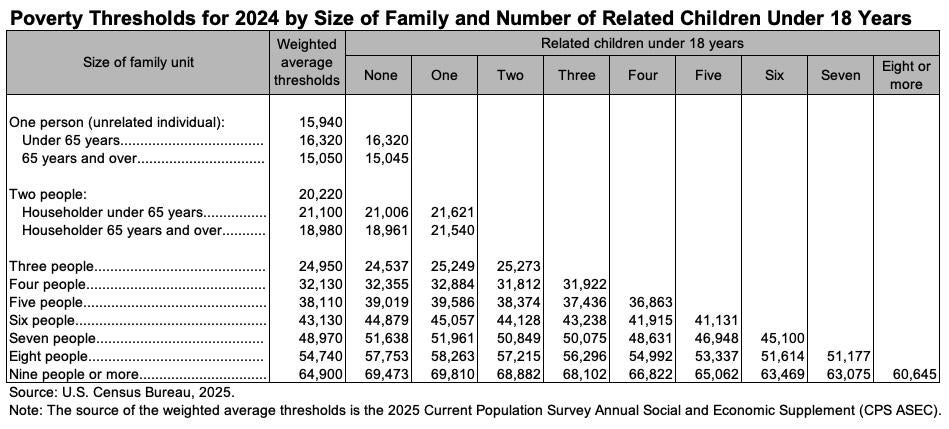
This figure, $15,080, represents the gross annual income for an individual working full-time at the federal minimum wage. It’s important to note that this is before taxes (federal, state, and local income taxes, Social Security, and Medicare contributions) and other deductions like health insurance premiums. The net income, the amount an individual actually takes home, would be considerably lower. For a single individual, this gross income places them just above the federal poverty line, which for a single person under 65 was $14,580 in 2023. However, for a family with dependents, this income falls significantly below the poverty threshold, underscoring the severe financial challenges faced by minimum wage earners, particularly those supporting a household.
The Complex Landscape of State and Local Minimum Wages
While the federal minimum wage provides a baseline, it’s far from a universal standard across the United States. Many states, counties, and even cities have chosen to implement their own minimum wage laws, often significantly higher than the federal rate, in response to local economic conditions and cost of living. This creates a diverse and sometimes fragmented landscape of minimum wage policies.
Where State Laws Surpass Federal Mandates
States have the authority to set their own minimum wage rates, provided they are equal to or higher than the federal minimum. If a state’s minimum wage is higher than the federal rate, employers in that state are generally required to pay the higher state rate. As of early 2024, a significant majority of states and the District of Columbia have minimum wages exceeding the federal $7.25 per hour. States like California, New York, Washington, and Massachusetts, among others, have implemented minimum wages ranging from the high tens to over $16 per hour, with some even planning to reach $20 or more in the coming years.
These state-level increases are often driven by factors such as higher local costs of living, strong labor advocacy, and political will to address income inequality. For example, in states with expensive housing markets or high utility costs, a minimum wage of $7.25 would be virtually impossible to live on, even for a single individual. State legislatures, responding to these pressures, have often taken the lead in raising the wage floor, sometimes indexing it to inflation to ensure its value doesn’t erode over time.
The Role of Local Ordinances and Cost of Living
Beyond state laws, numerous cities and counties have enacted their own minimum wage ordinances that surpass both federal and state levels. These local efforts are particularly prevalent in large metropolitan areas where the cost of living is exceptionally high. Cities such as Seattle, San Francisco, and Denver have some of the highest minimum wages in the country, recognizing that a statewide minimum might still be insufficient for residents of their particular jurisdictions.
The rationale for local minimum wages is primarily tied to the extremely varied cost of living across different geographic areas. A wage that might be manageable in a rural town in the Midwest could be utterly inadequate in a bustling coastal city. Local governments, being closer to the ground, can tailor their minimum wage policies to reflect the specific economic realities faced by their residents, including housing costs, transportation expenses, and the price of goods and services. This hyper-local approach aims to provide a more meaningful wage floor that more accurately reflects what it takes to live and work in that specific community.
Discrepancies Across the Nation
The result of this layered approach is a patchwork of minimum wage rates across the country. An identical full-time job might pay vastly different annual incomes depending on the precise location. For instance, a full-time worker in a city with a $15 minimum wage would earn approximately $31,200 per year (15 * 40 * 52), more than double the federal minimum wage worker’s income. In contrast, a worker in a state that adheres to the federal minimum wage still earns only $15,080 annually.
This creates significant regional disparities in economic opportunity and financial well-being. It also complicates business operations for companies with national footprints, requiring them to adhere to diverse wage regulations. From an individual’s perspective, these discrepancies highlight the critical importance of understanding the specific minimum wage laws applicable to their workplace and geographic location when calculating their potential yearly income and planning their finances.
The Real-World Impact on Personal Finances and Livelihoods
Living on a minimum wage, especially at the federal level, presents profound financial challenges that extend far beyond simply having enough money for basic necessities. It impacts an individual’s ability to save, invest, pursue education, or even cope with unexpected emergencies, trapping many in a cycle of economic precarity.
Budgeting Challenges and the Poverty Threshold
For someone earning the federal minimum wage of $15,080 gross annually, comprehensive budgeting is not merely a financial tool but a desperate necessity. After deductions, their take-home pay might be closer to $13,000-$14,000. For a single person, this income barely nudges them above the federal poverty line. For a single parent with one child, the poverty line (in 2023) was $19,720, meaning a full-time minimum wage job would place them well below it.
This stark reality means that minimum wage earners often struggle to afford essentials such as rent, food, healthcare, and transportation. Rent, in particular, consumes a disproportionately large share of their income, often leaving little for other necessities. According to various reports, a full-time minimum wage worker cannot afford a modest two-bedroom apartment at the fair market rent anywhere in the United States, and in most places, cannot even afford a one-bedroom apartment. This often forces minimum wage earners to take on second jobs, work irregular hours, rely on public assistance, or live in substandard housing. The constant pressure of making ends meet can lead to chronic stress, health issues, and limited opportunities for upward mobility.
Purchasing Power and the Cost of Living Crisis
The purchasing power of the minimum wage has eroded significantly over time. When adjusted for inflation, the federal minimum wage peaked in real terms in 1968, when it was worth approximately $13.50 in 2023 dollars. The current $7.25 per hour represents a substantial decline in real value, meaning minimum wage workers today can afford far less than their counterparts did decades ago, despite the economy being vastly more productive.
This erosion is compounded by the ongoing cost of living crisis, where prices for housing, groceries, energy, and healthcare continue to rise, often outpacing any wage gains. For minimum wage earners, this means that every dollar stretches less and less, pushing basic necessities further out of reach. The dream of homeownership, saving for retirement, or even accumulating a small emergency fund becomes increasingly unattainable, leading to a precarious financial existence where a single unexpected expense, such as a car repair or medical bill, can trigger a financial crisis.
The Economic Debate: Wages vs. Affordability
The debate over the minimum wage is one of the most contentious in economics. Proponents argue that increasing the minimum wage is a vital tool for reducing poverty, boosting consumer demand, and addressing income inequality. They point to studies suggesting that moderate increases have little negative impact on employment and can significantly improve the lives of low-wage workers. They also argue that a higher minimum wage can reduce employee turnover, increase productivity, and lessen reliance on public assistance programs, ultimately benefiting taxpayers.
Opponents, however, contend that significant increases in the minimum wage can lead to job losses, particularly in small businesses, as employers may be forced to cut staff or automate tasks to offset higher labor costs. They also express concerns about potential price increases as businesses pass on higher wage costs to consumers, leading to inflation. Furthermore, some argue that minimum wage laws interfere with the free market and that targeted social programs are more effective at addressing poverty than a blanket wage mandate. The ongoing discussion highlights the complexity of finding a balance between ensuring a fair wage for workers and maintaining economic stability and business viability.
Navigating Life on Minimum Wage: Strategies and Solutions
For individuals and families living on a minimum wage income, strategic financial management and proactive efforts to improve their economic standing are crucial. While systemic changes are needed, personal strategies can offer some resilience.
Essential Budgeting and Financial Planning
Effective budgeting is non-negotiable for minimum wage earners. It starts with a detailed understanding of all income and expenses. Creating a strict budget, tracking every dollar spent, and prioritizing essential needs (housing, food, utilities, transportation, healthcare) above discretionary spending is paramount. Utilizing free budgeting apps or simple spreadsheets can help visualize cash flow and identify areas for savings.
Beyond basic budgeting, developing an emergency fund, however small, is vital. Even saving a few dollars a week can accumulate into a buffer against unexpected costs. Exploring assistance programs for food, housing, or childcare can also significantly alleviate financial pressure. Additionally, seeking out free financial literacy resources from local community centers or non-profit organizations can provide valuable guidance on managing debt, building credit, and planning for the future.
Exploring Opportunities for Income Growth
While minimum wage jobs might be a starting point, actively seeking opportunities for income growth is a key long-term strategy. This can include:
- Skill Development: Investing in education or vocational training can open doors to higher-paying jobs. Many community colleges offer affordable courses, and online platforms provide free or low-cost certifications in in-demand fields.
- Networking: Connecting with people in industries of interest can provide leads for better employment.
- Seeking Promotions or New Roles: Even within minimum wage sectors, there might be opportunities for advancement to supervisory roles or positions with slightly higher pay.
- Side Hustles: Depending on available time and skills, a side hustle (e.g., freelance work, gig economy jobs, selling crafts) can supplement income. However, it’s crucial to ensure these don’t lead to burnout or conflict with primary employment.
- Job Searching in Higher Wage Areas: If geographical relocation is feasible, moving to an area with a higher minimum wage or more robust job market can significantly increase annual income.
Advocating for Change and Policy Considerations
Beyond individual efforts, collective advocacy plays a critical role in pushing for policy changes that benefit minimum wage workers. This includes supporting organizations that lobby for higher minimum wages, fair labor practices, and better worker protections. Participating in local political processes, contacting elected officials, and raising awareness about the challenges faced by minimum wage earners can contribute to a broader movement for economic justice.
Policy considerations extend to not only the hourly rate but also issues like paid sick leave, affordable healthcare, childcare subsidies, and opportunities for unionization, all of which can dramatically improve the financial stability and quality of life for low-wage workers.
The Future of Minimum Wage: Debates and Directions
The debate over minimum wage is far from settled and continues to evolve with economic conditions, societal values, and technological advancements. The question of “how much is minimum wage yearly” remains central to discussions about economic fairness, poverty reduction, and the future of work.
Calls for a “Living Wage”
One of the most prominent aspects of the ongoing debate is the push for a “living wage” rather than merely a minimum wage. A living wage is generally defined as the minimum income necessary for an individual or family to afford basic necessities without relying on public assistance. Unlike the minimum wage, which is often set at a politically negotiated level, a living wage is typically calculated based on local costs of housing, food, transportation, healthcare, and childcare. These calculations almost invariably suggest a rate significantly higher than the current federal minimum wage.
Advocates argue that a living wage is a more appropriate standard for ensuring human dignity and economic security. While the concept of a federally mandated living wage presents complex economic and political challenges, many cities and counties have adopted their own living wage ordinances, often for municipal employees or contractors.

Inflation, Economic Stability, and Worker Value
The persistent issue of inflation underscores the need for minimum wage policies to be dynamically adjusted. Stagnant wages in an inflationary environment mean a continuous decline in real income and purchasing power for minimum wage earners. This highlights the argument for indexing the minimum wage to inflation or a measure of average wage growth, ensuring its value is maintained over time.
Ultimately, the future of minimum wage policy will hinge on a societal consensus regarding the value of labor, the responsibilities of employers, and the role of government in ensuring a basic standard of living for all workers. As economies continue to transform, driven by automation and global competition, the question of how much minimum wage yearly income truly provides a foundation for a dignified life will remain at the forefront of economic and social policy debates, shaping the financial realities for millions.
aViewFromTheCave is a participant in the Amazon Services LLC Associates Program, an affiliate advertising program designed to provide a means for sites to earn advertising fees by advertising and linking to Amazon.com. Amazon, the Amazon logo, AmazonSupply, and the AmazonSupply logo are trademarks of Amazon.com, Inc. or its affiliates. As an Amazon Associate we earn affiliate commissions from qualifying purchases.