
Navigating the landscape of individual health insurance can feel like deciphering a complex financial puzzle. For a single person, understanding the cost of medical insurance isn’t just about knowing a monthly premium; it’s about grasping the myriad factors that contribute to that figure, the various types of coverage available, and the potential for financial assistance. In an increasingly complex healthcare environment, securing adequate and affordable coverage is a critical component of personal financial planning and overall well-being. This comprehensive guide will break down the true cost of medical insurance for one person, offering insights into how premiums are determined, where to find coverage, and strategies to make it more affordable.

Understanding the Core Factors Influencing Individual Health Insurance Costs
The sticker price of a health insurance premium for an individual is rarely a fixed number. Instead, it’s a dynamic figure shaped by a combination of personal attributes, plan choices, and geographical location. Grasping these core determinants is the first step toward understanding and managing your healthcare expenditures.
Age and Location: Key Demographic Drivers
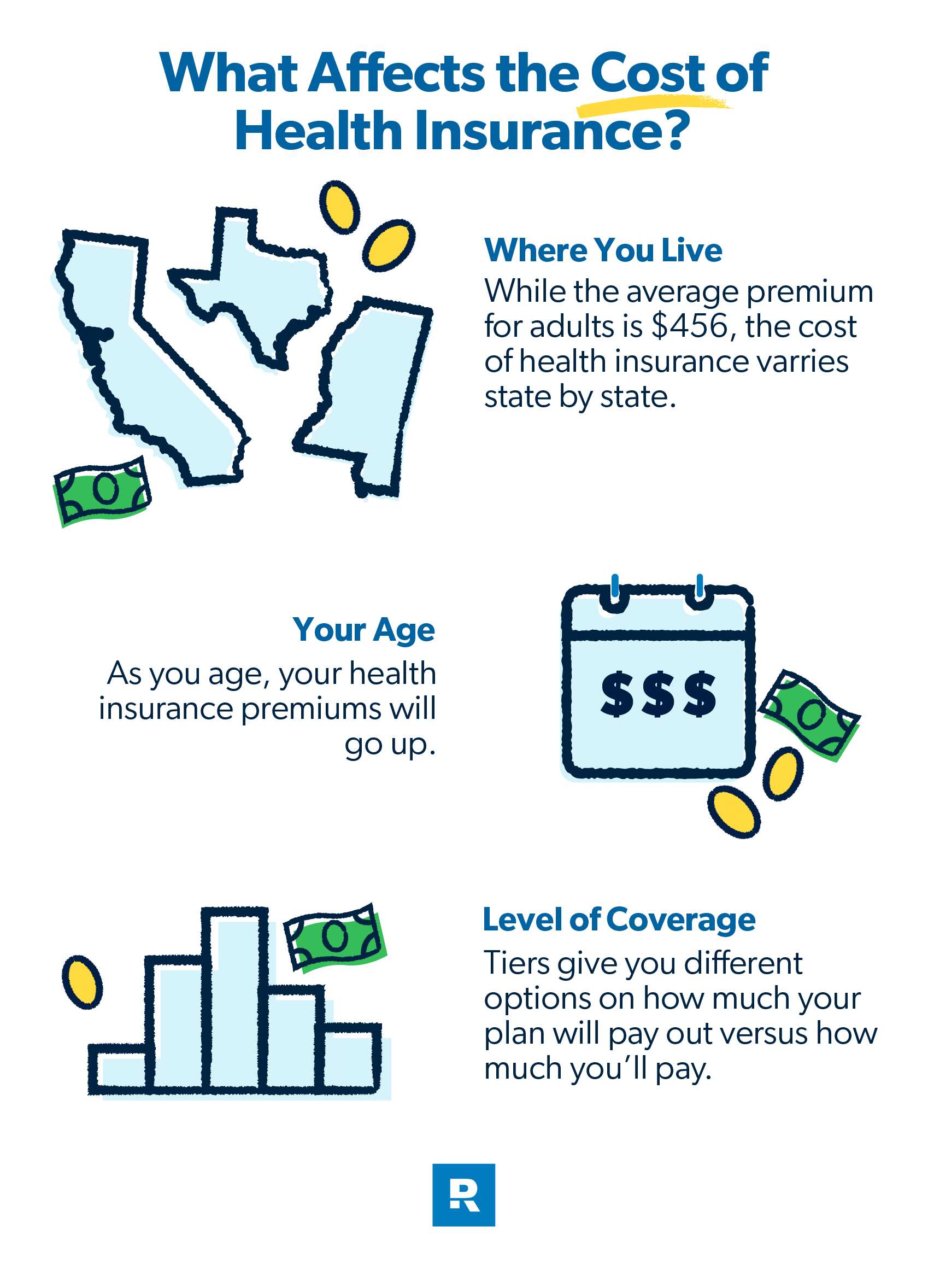
Perhaps two of the most significant external factors influencing your premium are your age and where you reside. Younger individuals generally pay less for health insurance because they are statistically less likely to require extensive medical care. As you age, the likelihood of needing medical services typically increases, leading to higher premiums. The Affordable Care Act (ACA) does limit how much insurers can vary premiums based on age (a 3:1 ratio for older adults compared to younger adults), but the difference remains substantial.
Your geographic location, specifically your state and even your county, also plays a crucial role. Insurance markets vary widely across different regions. Factors like the number of competing insurers, the cost of healthcare services in that area, state regulations, and even local medical usage rates all contribute to the overall pricing structure. A person living in a rural area with limited hospital options might face different rates than someone in a metropolitan area with many providers.
Plan Type and Coverage Level: Deciphering Your Options
The type of health insurance plan you choose profoundly impacts your premium. Plans are generally categorized by how they manage your access to doctors and hospitals (their network structure) and by their level of coverage (metal tiers).
- HMO (Health Maintenance Organization): Typically offers lower premiums but requires you to choose a primary care physician (PCP) who coordinates all your care and provides referrals to specialists. Out-of-network care is usually not covered, except in emergencies.
- PPO (Preferred Provider Organization): Offers more flexibility, allowing you to see specialists without a referral and providing some coverage for out-of-network care, though at a higher cost. Premiums are generally higher than HMOs.
- EPO (Exclusive Provider Organization): Similar to a PPO in network size but usually doesn’t cover out-of-network care, except in emergencies. Referrals for specialists might not be required.
- POS (Point of Service): A hybrid plan that combines features of HMOs and PPOs. You typically choose a PCP, but you can go out-of-network for a higher cost.
Beyond the network structure, plans are also categorized by “metal tiers” under the ACA: Bronze, Silver, Gold, and Platinum. These tiers reflect the percentage of healthcare costs the plan is expected to cover versus what you’ll pay out-of-pocket (your actuarial value).
- Bronze plans: Cover approximately 60% of costs, leaving 40% for you. They have the lowest premiums but the highest deductibles and out-of-pocket maximums.
- Silver plans: Cover about 70% of costs. Moderate premiums and deductibles. Crucially, Silver plans are the only ones eligible for Cost-Sharing Reductions (CSRs), which can significantly lower your out-of-pocket costs if you qualify.
- Gold plans: Cover roughly 80% of costs. Higher premiums but lower deductibles and out-of-pocket maximums.
- Platinum plans: Cover approximately 90% of costs. The highest premiums but the lowest out-of-pocket expenses when you use care.
Your choice of tier will directly correlate with your monthly premium – generally, the more the plan covers, the higher the premium.
Deductibles, Copayments, and Coinsurance: Your Out-of-Pocket Responsibilities
While the premium is your regular, predictable payment, it’s crucial to understand the other costs associated with using your insurance:
- Deductible: The amount you must pay out of your own pocket for covered medical services before your insurance company starts to pay. High-deductible plans typically have lower premiums.
- Copayment (Copay): A fixed amount you pay for a covered healthcare service (e.g., $30 for a doctor’s visit) after you’ve met your deductible. Some plans have copays that apply even before the deductible is met.
- Coinsurance: Your share of the cost of a covered healthcare service, calculated as a percentage (e.g., 20%) after you’ve met your deductible. If your coinsurance is 20% and the allowed cost of a service is $100, you pay $20.
These out-of-pocket expenses are critical to consider because they represent the “true” cost of your healthcare, extending beyond just the monthly premium. A lower premium might come with a higher deductible, meaning you pay more upfront if you need significant medical care.
Tobacco Use and Health Status (where applicable by law)
Under the ACA, insurers cannot charge higher premiums based on pre-existing conditions. However, they are permitted to charge tobacco users up to 50% more than non-tobacco users, though some states have stricter limits or prohibit this practice entirely. While your current health status doesn’t directly influence your premium, certain lifestyle choices, like tobacco use, can.
Navigating the Marketplaces: Where to Buy Individual Coverage
Once you understand the factors influencing cost, the next step is to explore where individuals can purchase medical insurance. The primary avenues have been established to provide accessible and often subsidized options.
The Affordable Care Act (ACA) Marketplace (Healthcare.gov and State Exchanges)
The most common and often most beneficial place for individuals to purchase health insurance is through the ACA Health Insurance Marketplace. This platform, accessible at Healthcare.gov for most states or through state-specific exchanges (e.g., Covered California, NY State of Health), allows you to compare various plans side-by-side. During the annual Open Enrollment Period (typically November 1st to January 15th in most states), you can sign up for new coverage or change existing plans. Special Enrollment Periods (SEPs) allow enrollment outside this window for qualifying life events such as marriage, birth of a child, loss of other coverage, or moving.
Crucially, the Marketplace is where eligible individuals can access financial assistance, such as Premium Tax Credits, which can significantly lower monthly premiums.
Private Insurance Companies and Brokers
While the Marketplace is a major player, you can also purchase individual health insurance directly from private insurance companies. Many major insurers offer plans outside the Marketplace. The plans offered directly by insurers must meet ACA standards for essential health benefits, but they do not typically qualify for federal subsidies like Premium Tax Credits. This option might be suitable for individuals who do not qualify for subsidies and prefer to deal directly with an insurer or find a plan not offered on the exchange.
Insurance brokers and agents can also assist you in navigating both Marketplace and off-Marketplace plans. They are licensed professionals who can help you compare options, explain benefits, and guide you through the enrollment process, often at no direct cost to you (they are paid commissions by the insurers).
Short-Term Health Insurance and Other Alternatives
For individuals facing temporary coverage gaps, short-term health insurance plans can seem like an appealing, low-cost option. However, it’s vital to understand their limitations. These plans are not ACA-compliant, meaning they do not have to cover essential health benefits (like maternity care, mental health services, or prescription drugs), can deny coverage or charge more based on pre-existing conditions, and often have annual and lifetime coverage limits. They are intended for temporary situations, typically lasting less than a year, and should not be considered a substitute for comprehensive health insurance.
Other alternatives might include Medicaid (for low-income individuals, depending on state expansion), COBRA (if you’ve recently left an employer with 20 or more employees), or student health plans. Each has specific eligibility requirements and coverage parameters.
Deciphering the Financial Aid: Subsidies and Tax Credits
For many single individuals, the full sticker price of a health insurance premium can be daunting. Fortunately, significant financial assistance is available through the ACA Marketplace, making comprehensive coverage far more attainable.
Premium Tax Credits (APTC)
The most impactful form of financial aid is the Advance Premium Tax Credit (APTC). This credit reduces your monthly premium payment for plans purchased through the Marketplace. Eligibility is based primarily on your household income relative to the Federal Poverty Level (FPL) and the cost of the benchmark Silver plan in your area.
The amount of your tax credit is calculated on a sliding scale: the lower your income, the larger the subsidy you receive. Recent legislative changes (like the American Rescue Plan Act and Inflation Reduction Act) have expanded eligibility and increased the generosity of these credits, ensuring that most individuals pay no more than 8.5% of their household income for a benchmark Silver plan. Even individuals with moderate incomes who previously didn’t qualify might now be eligible for substantial assistance.
It’s important to accurately estimate your income when applying, as any discrepancy could result in owing money back or receiving a larger refund at tax time.
Cost-Sharing Reductions (CSRs)
Beyond premium assistance, some individuals also qualify for Cost-Sharing Reductions (CSRs). Unlike Premium Tax Credits, which lower your monthly premium, CSRs reduce your out-of-pocket costs when you use medical care. This means lower deductibles, copayments, and coinsurance.
CSRs are only available if you enroll in a Silver plan through the Marketplace and your income falls within specific FPL thresholds (typically up to 250% FPL). If you qualify for CSRs, you’ll effectively receive a Silver plan with the benefits of a Gold or Platinum plan at a Silver plan price point, significantly reducing your financial exposure when you need care.
Eligibility Requirements and How They Impact Your Net Cost
To be eligible for Premium Tax Credits and Cost-Sharing Reductions, you must:
- Purchase your health insurance plan through the ACA Marketplace.
- Meet specific income requirements based on the FPL (which are updated annually).
- Not be offered affordable health coverage through an employer that meets minimum value standards (or decline employer coverage if it’s deemed unaffordable).
- Not be eligible for Medicaid, Medicare, or CHIP.
For a single person, accurately reporting your expected annual income is crucial. The Marketplace will provide an estimate of your premium with and without subsidies, allowing you to see your net cost. It often makes a significant difference, transforming an unaffordable plan into a manageable one. This financial aid is a cornerstone of making individual medical insurance accessible to millions.
Beyond the Premium: The True Cost of Individual Healthcare
While premiums are the most visible expense, the true cost of healthcare extends far beyond the monthly bill. A holistic view requires understanding your total potential out-of-pocket expenses and integrating healthcare into your broader financial strategy.
Understanding Your Total Out-of-Pocket Max
Every ACA-compliant health insurance plan has an out-of-pocket maximum. This is the absolute most you will have to pay for covered healthcare services in a policy year (excluding your premium). Once you reach this limit through deductibles, copayments, and coinsurance, your insurance plan pays 100% of all covered services for the remainder of the year.
Knowing your out-of-pocket maximum is vital for budgeting, especially if you anticipate needing significant medical care. For a single person, this limit provides a cap on your financial risk, offering crucial peace of mind. Plans with lower premiums often have higher out-of-pocket maximums, and vice versa. Evaluating your risk tolerance and expected healthcare needs should guide your choice.
The Importance of a Health Savings Account (HSA)
For individuals enrolled in a High-Deductible Health Plan (HDHP) – which are typically Bronze or Silver plans with higher deductibles – a Health Savings Account (HSA) can be an invaluable financial tool. HSAs are tax-advantaged savings accounts that can be used to pay for qualified medical expenses.
The benefits of an HSA are threefold:
- Tax-Deductible Contributions: Money you contribute to an HSA is tax-deductible.
- Tax-Free Growth: The money in the account grows tax-free over time.
- Tax-Free Withdrawals: Withdrawals for qualified medical expenses are tax-free.
An HSA effectively allows you to save for healthcare costs with significant tax advantages. For a single person, it can be an excellent way to cover those higher deductibles and out-of-pocket expenses while simultaneously building a tax-sheltered nest egg for future medical needs, even into retirement. Many employers contribute to employee HSAs, but individuals can also contribute on their own.
Budgeting for Healthcare Expenses: A Holistic Approach
Integrating healthcare costs into your personal budget is essential. This means not just allocating funds for your monthly premium but also preparing for potential deductibles, copayments, and other out-of-pocket expenses.
Consider creating a dedicated savings fund for healthcare. Even if you don’t have an HDHP with an HSA, having an emergency fund that can cover a portion of your deductible or a few unexpected copays can prevent financial strain. Regular review of your healthcare usage and expenses can help you adjust your budget. For a single person, being proactive about budgeting for healthcare ensures that necessary medical care doesn’t derail other financial goals.
Strategies for Reducing Your Individual Health Insurance Costs
While many factors influencing premiums are fixed, individuals can employ several strategies to lower their overall healthcare expenditures and find more affordable coverage.
Comparing Plans Effectively: Beyond the Premium Price Tag
The biggest mistake individuals make when shopping for health insurance is focusing solely on the monthly premium. While it’s a significant factor, it tells only part of the story. To truly compare plans, you must consider:
- Total Expected Out-of-Pocket: Factor in deductibles, copayments, and coinsurance based on your expected healthcare usage. If you anticipate frequent doctor visits or prescription needs, a plan with higher premiums but lower out-of-pocket costs might be cheaper in the long run.
- Network of Providers: Ensure your preferred doctors, specialists, and hospitals are in the plan’s network. Out-of-network care can be extremely expensive or not covered at all.
- Prescription Drug Coverage: Check the plan’s formulary to ensure your necessary medications are covered and understand their cost-sharing tiers.
- Essential Health Benefits: All ACA-compliant plans cover ten essential health benefits, but the specifics of how they are covered can vary.
Use the comparison tools on the ACA Marketplace or consult with a trusted broker to analyze these factors thoroughly.
Utilizing Preventive Care and Wellness Programs
Many health plans cover a wide range of preventive services at no cost to you (no copay or deductible). This includes annual physicals, screenings, immunizations, and certain counseling services. Taking advantage of these benefits can catch health issues early, potentially preventing more costly treatments down the line.
Some insurers and employers also offer wellness programs that incentivize healthy behaviors, sometimes even offering premium discounts or other rewards. For a single person, investing in preventive care is a smart long-term strategy to maintain health and avoid high medical bills.
Exploring High-Deductible Health Plans (HDHPs) with HSAs
For healthy individuals who anticipate minimal healthcare needs, an HDHP paired with an HSA can be an incredibly cost-effective strategy. The lower premiums of an HDHP can save you money monthly, and the tax advantages of an HSA allow you to save and invest for potential future medical expenses. Even if you rarely visit the doctor, contributing consistently to an HSA builds a valuable safety net.
However, this strategy requires discipline to fund the HSA adequately to cover the deductible if an unexpected medical event occurs. It’s a balance between lower monthly costs and higher potential out-of-pocket risk in a given year.
Seeking Professional Guidance: Brokers and Navigators
The complexity of health insurance can be overwhelming. Don’t hesitate to seek assistance from trained professionals:
- Licensed Insurance Brokers/Agents: These individuals can help you compare plans from various companies, explain complex terms, and guide you through the enrollment process. They often have expertise in both Marketplace and off-Marketplace options.
- Marketplace Navigators/Assistors: These are trained individuals or organizations (often non-profits) that provide free, unbiased help with understanding Marketplace plans, applying for financial assistance, and enrolling in coverage.
These resources can be particularly valuable for a single person who may not have access to an employer’s HR department for guidance. Their expertise can help you make an informed decision that aligns with your health needs and financial situation.
In conclusion, understanding how much medical insurance costs for one person involves looking beyond the monthly premium to a holistic view of financial obligations, available assistance, and strategic choices. By understanding the core cost factors, exploring available marketplaces, leveraging financial aid, and adopting smart budgeting and comparison strategies, individuals can secure comprehensive and affordable healthcare coverage, safeguarding both their health and their financial future.
aViewFromTheCave is a participant in the Amazon Services LLC Associates Program, an affiliate advertising program designed to provide a means for sites to earn advertising fees by advertising and linking to Amazon.com. Amazon, the Amazon logo, AmazonSupply, and the AmazonSupply logo are trademarks of Amazon.com, Inc. or its affiliates. As an Amazon Associate we earn affiliate commissions from qualifying purchases.