
The question “how much is Lululemon?” might seem straightforward, but its answer is surprisingly multifaceted. For some, it refers to the price of a pair of their iconic Align leggings; for others, it’s about the financial performance and market valuation of the publicly traded company. And for a growing segment of consumers, it’s a question of the personal investment in a lifestyle brand that intertwines fitness, fashion, and well-being. This article delves into the various financial dimensions of Lululemon, examining everything from the cost of its premium activewear to its standing as a major player in the global stock market, offering a comprehensive look at what “Lululemon” truly costs and represents from a monetary perspective.
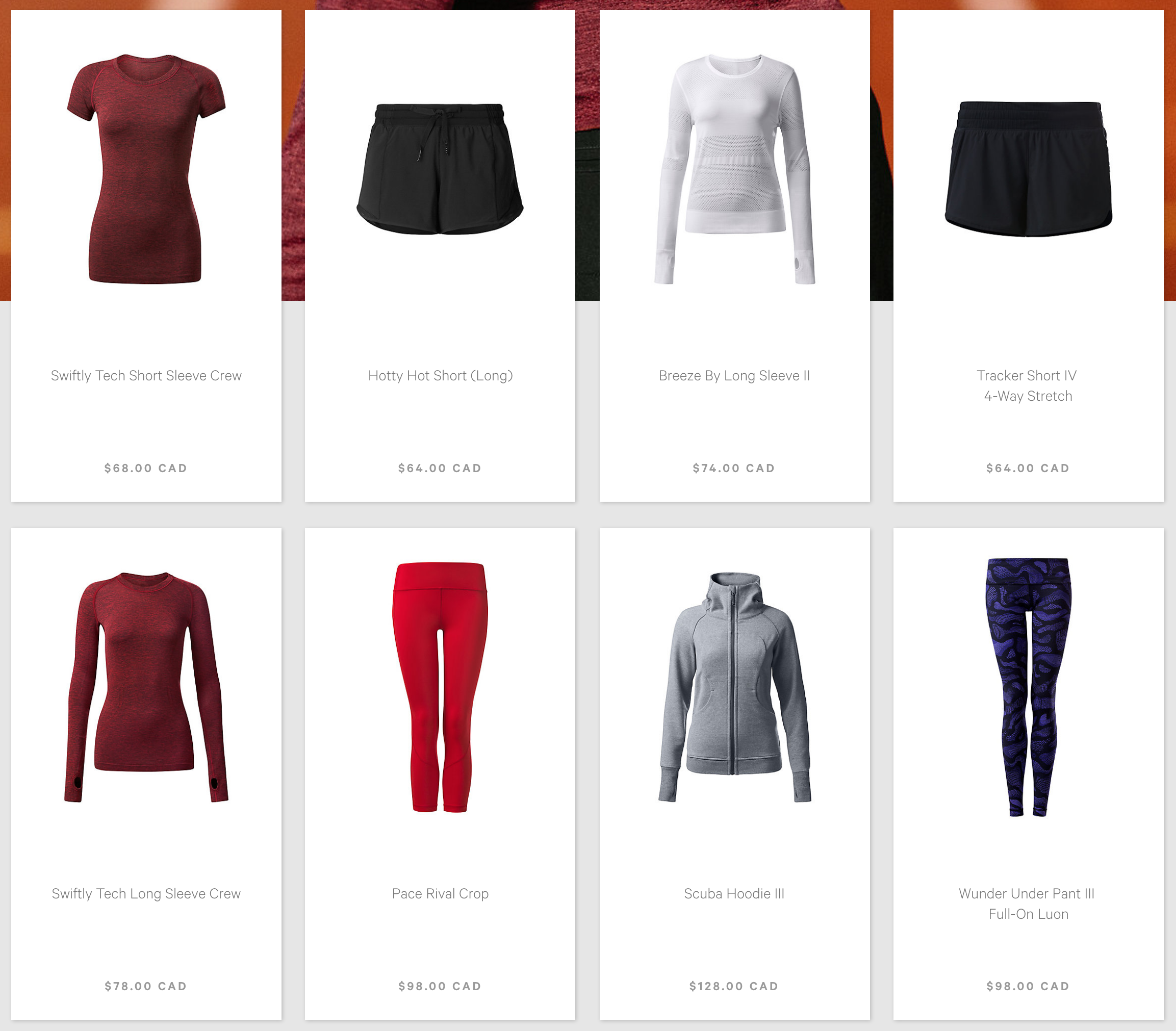
The Price Tag of Premium Activewear: Deconstructing Lululemon’s Product Costs
Lululemon Athletica Inc. has cemented its position as a leader in high-end athletic apparel and accessories. A quick glance at their product catalog reveals prices that often sit comfortably at the top of the market. Understanding these costs requires an exploration of the factors that contribute to their premium positioning, typical product pricing, and strategies consumers can employ to optimize their spending.
Why Lululemon Commands a Premium Price
Several key factors underpin Lululemon’s elevated pricing strategy. Foremost among these is material innovation and quality. The company invests heavily in research and development to create proprietary fabrics like Luon, Nulu (Align fabric), and Everlux, each engineered for specific performance benefits, comfort, and durability. These fabrics often feature advanced properties such as four-way stretch, sweat-wicking capabilities, breathability, and shape retention, distinguishing them from generic activewear materials. The development and production of such specialized textiles involve significant costs.
Beyond materials, design and technical features play a crucial role. Lululemon products are renowned for their thoughtful design, including ergonomic seams, cleverly placed pockets, reflective details, and versatile styles that transition seamlessly from studio to street. The meticulous attention to detail in garment construction, fit, and aesthetic contributes to both perceived and actual value. Furthermore, the brand’s strong identity and aspirational marketing have cultivated a perception of exclusivity and quality. Lululemon isn’t just selling clothing; it’s selling an experience, a lifestyle, and a sense of belonging to a community focused on wellness and self-improvement. This powerful brand equity allows them to maintain a premium price point without significant consumer resistance.
Lastly, ethical production and sustainable practices, though sometimes debated, are also part of their stated operational costs. While the direct cost impact is difficult for external observers to quantify, the company often highlights its efforts in responsible sourcing and manufacturing, which can factor into overheads and, consequently, retail prices.
A Snapshot of Typical Lululemon Product Pricing
For the uninitiated, Lululemon prices can come as a surprise. Here’s a general overview of what consumers can expect to pay for some of their popular items:
- Leggings: Arguably their most iconic product, a pair of Lululemon leggings (e.g., Align, Wunder Train, Invigorate) typically ranges from $98 to $138 USD. Special editions or those with advanced features might push toward the higher end.
- Sports Bras: Designed for various levels of support, sports bras usually fall between $48 and $78 USD.
- Tops & T-shirts: Basic T-shirts and tanks can start around $48 USD, while more technical long-sleeved tops, hoodies, or specialized training shirts can range from $78 to $128 USD.
- Jackets & Outerwear: These items represent a more significant investment, with prices generally from $128 to $248 USD, depending on the design, insulation, and intended use.
- Accessories: Items like yoga mats, bags, hats, and socks vary widely, with yoga mats typically priced around $78 to $88 USD, and smaller accessories costing anywhere from $18 to $68 USD.
These figures underscore Lululemon’s positioning in the premium activewear segment, where the company directly competes with other high-end brands rather than mass-market retailers.
Maximizing Value: Smart Shopping Strategies
Given the premium price point, many consumers seek ways to acquire Lululemon products without paying full retail. Several strategies can help maximize value:
- “We Made Too Much” (WMTM) Section: This is Lululemon’s dedicated online sale section, where items that are discontinued, seasonal, or overstocked are sold at a discount, often 20-50% off. Stock rotates frequently, so regular checking is advised.
- Seasonal Sales and Promotions: While less frequent than other retailers, Lululemon does offer sales around major holidays (e.g., Black Friday, Boxing Day) and occasionally for specific product launches or clearances.
- Outlet Stores: Lululemon operates a limited number of outlet stores, primarily in the U.S. and Canada, which offer past-season items and overstock at reduced prices. The selection can be hit-or-miss but can yield significant savings.
- Resale Market: Platforms like Poshmark, eBay, Mercari, and dedicated Facebook groups offer a robust secondary market for new or gently used Lululemon items. Many savvy shoppers find excellent deals on popular styles.
- Student/Military/First Responder Discounts: Lululemon often offers a 15-25% discount for verified students, military personnel, and first responders in specific regions, which can significantly reduce the cost of full-price items.
By employing these strategies, consumers can enjoy the quality and performance of Lululemon products while managing their personal finance budgets effectively.
Lululemon as an Investment: Analyzing the LULU Stock
Beyond the retail price of its garments, “how much is Lululemon” can also refer to its value as a publicly traded company. Lululemon Athletica Inc. (ticker: LULU) has been a significant player in the stock market, attracting considerable attention from investors due to its strong brand, consistent growth, and premium market positioning.
The Journey of a Publicly Traded Powerhouse
Lululemon went public on July 27, 2007, listing on the NASDAQ exchange. Since then, it has experienced remarkable growth, evolving from a niche yoga apparel company into a global athleisure giant. Its market capitalization, which represents the total value of its outstanding shares, has soared over the years, often placing it among the most valuable apparel companies globally. This journey has been characterized by strategic expansion, effective brand management, and a robust financial performance that has consistently outperformed many competitors. The stock’s historical performance reflects not just its fundamental business strength but also its appeal as a growth stock within the consumer discretionary sector.
Financial Drivers Behind LULU’s Valuation
Lululemon’s stock valuation is underpinned by several powerful financial drivers:
- Consistent Revenue Growth: The company has demonstrated a consistent ability to grow its top line, driven by expanding product categories (menswear, accessories, footwear), geographical expansion (especially into Asia and Europe), and a strong direct-to-consumer (DTC) model through its e-commerce platform. The success of its Mirror acquisition, though later divested, also highlighted its willingness to innovate beyond traditional apparel, even if the financial outcome was mixed.
- Strong Profitability and Margins: Lululemon typically boasts impressive gross profit margins, a testament to its premium pricing power and efficient supply chain management. This strong profitability translates into healthy earnings per share (EPS), a key metric for investors. Its ability to maintain premium pricing with strong demand contributes directly to these robust margins.
- Effective Inventory Management: While not always perfect, Lululemon generally manages its inventory well, minimizing markdowns and preserving brand value. This operational efficiency contributes positively to its bottom line.
- Brand Loyalty and Consumer Engagement: From an investor’s perspective, Lululemon’s passionate customer base translates into predictable demand and resilience during economic fluctuations. This strong brand equity provides a competitive moat, allowing the company to sustain its pricing and market share.
What Investors Should Consider
While LULU has been a high-performing stock, potential investors must consider various factors:
- Premium Valuation: As a growth stock with strong fundamentals, LULU often trades at a premium valuation compared to its peers in terms of price-to-earnings (P/E) ratios and other metrics. This means expectations for continued growth are high, and any slowdown could impact the stock price.
- Competitive Landscape: The activewear market is increasingly crowded, with established giants like Nike and Adidas, as well as numerous emerging brands, vying for market share. While Lululemon has maintained its distinct position, competition remains a constant factor.
- Macroeconomic Factors: Consumer discretionary spending is sensitive to economic conditions. Inflation, interest rates, and consumer confidence can all influence Lululemon’s sales performance and, consequently, its stock valuation.
- Innovation and Diversification: Lululemon’s ability to continue innovating with new products, expand into new markets, and diversify its offerings (e.g., footwear) will be crucial for sustaining its long-term growth trajectory and justifying its valuation. Investors look for signs of continuous innovation and strategic expansion to maintain growth momentum.
Beyond the Hype: Assessing Lululemon’s Corporate Financial Health

To fully understand “how much is Lululemon,” one must look at the company’s broader financial health, which encompasses more than just product prices or stock performance. It involves analyzing its operational efficiency, strategic investments, and overall financial stability as a global enterprise.
A Look at Key Financial Metrics
Lululemon’s financial reports reveal a company with strong fundamentals:
- Revenue Trends: The company has consistently reported double-digit revenue growth for many years, driven by both comparable store sales growth and expansion into new markets and channels (e-commerce). This indicates strong consumer demand and effective market penetration.
- Profit Margins: Lululemon typically maintains high gross profit margins (often in the mid-50s percent range), reflecting its premium pricing and efficient cost of goods sold. Operating margins are also robust, demonstrating effective control over operational expenses.
- Cash Flow: Healthy operating cash flow allows Lululemon to fund its growth initiatives, invest in R&D, and return capital to shareholders (e.g., through share buybacks), indicating financial flexibility and sustainability.
- Balance Sheet Strength: The company generally maintains a strong balance sheet with manageable debt levels and ample liquidity, providing a cushion against economic downturns and supporting strategic investments.
These metrics collectively paint a picture of a financially sound and well-managed company capable of sustaining its growth trajectory.
Strategic Growth Initiatives and Their Financial Impact
Lululemon’s financial health is also a reflection of its strategic vision and its execution of key growth initiatives:
- International Expansion: The company has made significant investments in expanding its presence in international markets, particularly in Asia-Pacific and Europe. These investments, while initially costly, are designed to unlock vast new revenue streams and diversify its geographical risk. The financial impact is seen in increased global sales and brand recognition.
- Product Diversification: Moving beyond women’s yoga apparel, Lululemon has successfully expanded into menswear, running gear, training apparel, and more recently, footwear. This diversification broadens its customer base and revenue streams, reducing reliance on any single product category.
- Digital Transformation and Omnichannel Strategy: Significant investments in e-commerce platforms, digital marketing, and an integrated omnichannel shopping experience have been crucial. This allows for seamless customer journeys, enhances engagement, and drives online sales, which typically carry higher margins.
- Innovation in Retail Experiences: Lululemon continuously innovates its physical store experience, offering community classes, personal styling, and product education. These experiences foster customer loyalty and differentiate the brand, ultimately supporting higher sales per square foot and stronger brand advocacy.
Each of these strategic initiatives requires significant financial outlay but is designed to generate substantial long-term returns, reinforcing Lululemon’s market position and financial strength.
Market Position and Competitive Moat (Financial Perspective)
Lululemon’s financial health is bolstered by a strong competitive moat, which from a financial perspective includes:
- Pricing Power: The brand’s strong desirability and perceived quality allow it to command premium prices, even amidst economic pressures. This pricing power directly contributes to higher revenues and margins.
- Customer Loyalty: Lululemon’s community-centric approach and high-quality products have cultivated an exceptionally loyal customer base. This loyalty translates into recurring revenue and reduces customer acquisition costs over time.
- Brand Equity: The Lululemon brand itself is a valuable asset. Its association with health, wellness, and a premium lifestyle provides a significant barrier to entry for competitors and enables sustained market leadership.
- Global Supply Chain: The company has developed a sophisticated global supply chain that supports its quality standards and enables efficient distribution, helping to manage costs and maintain product availability.
These elements combine to create a robust financial foundation that allows Lululemon to navigate competitive pressures and market volatility more effectively than many of its peers.
The Personal Finance Angle: Is Lululemon Worth Your Money?
Finally, for the individual consumer, “how much is Lululemon” often boils down to a deeply personal question of value. Is the premium price justified for your personal finance situation and lifestyle? This involves weighing cost against durability, performance, and the psychological benefits of owning a coveted brand.
The Cost-Per-Wear Philosophy
When evaluating premium purchases like Lululemon, the “cost-per-wear” philosophy can be highly insightful. This metric calculates the total cost of an item divided by the number of times you expect to wear it. A $100 pair of leggings worn 100 times over several years costs $1 per wear. If a cheaper $30 pair only lasts for 10 wears before falling apart, its cost-per-wear is $3. While the initial outlay for Lululemon is higher, many loyal customers attest to the brand’s superior durability and longevity. High-quality fabrics and construction often mean items withstand frequent washing and wear better than cheaper alternatives, potentially leading to a lower cost-per-wear over the long term. For those who prioritize performance, comfort, and style that endures, the investment might be justified.
Budgeting for a Lululemon Lifestyle
For individuals who appreciate the brand but are mindful of their budget, incorporating Lululemon purchases into a personal finance plan is essential. This could involve:
- Dedicated Savings: Setting aside a small amount each month specifically for discretionary purchases like Lululemon.
- “Needs vs. Wants” Assessment: Distinguishing between essential wardrobe items and aspirational pieces.
- Strategic Shopping: Utilizing the smart shopping strategies discussed earlier (WMTM, sales, resale) to get more for your money.
- Prioritizing Key Pieces: Focusing on versatile core items (e.g., a well-fitting pair of black leggings) that will get the most use, rather than impulse buying every new collection.
Treating Lululemon purchases as a planned investment rather than spontaneous splurges can help align spending with broader financial goals.

Evaluating Alternatives and Personal Value
Ultimately, the “worth” of Lululemon is subjective. Many excellent activewear brands offer high-quality alternatives at various price points. Brands like Athleta, Gymshark, Outdoor Voices, and even performance lines from major sports brands often provide comparable features and aesthetics.
The decision to invest in Lululemon often comes down to:
- Performance Needs: Do you require specific technical features for intense workouts or specialized activities?
- Comfort and Fit: Is the unparalleled comfort and fit (especially of fabrics like Nulu) a non-negotiable for you?
- Style and Aesthetics: Do you value the specific aesthetic and versatility that Lululemon offers, allowing you to transition effortlessly from athletic activities to casual outings?
- Brand Experience: Does the connection to the brand, its community, and the aspirational lifestyle it represents hold personal value for you?
For some, the answer to “how much is Lululemon” transcends mere monetary cost, extending into the perceived value of quality, community, and an investment in their own well-being and confidence. For others, equally effective and comfortable alternatives exist at more accessible price points. Understanding your own priorities and financial boundaries is key to making an informed decision.
In conclusion, “how much is Lululemon?” is a question with a complex answer, spanning the retail price of its products, its multi-billion-dollar valuation on the stock market, and its subjective value in a consumer’s personal finance portfolio. Whether as a consumer or an investor, Lululemon represents a significant financial entity, shaped by premium quality, strategic growth, and a powerful brand presence in the global market.
aViewFromTheCave is a participant in the Amazon Services LLC Associates Program, an affiliate advertising program designed to provide a means for sites to earn advertising fees by advertising and linking to Amazon.com. Amazon, the Amazon logo, AmazonSupply, and the AmazonSupply logo are trademarks of Amazon.com, Inc. or its affiliates. As an Amazon Associate we earn affiliate commissions from qualifying purchases.