
Shipping a dog, whether across the country or internationally, is a complex endeavor with a significant financial footprint. Beyond the emotional preparation and logistical planning, understanding the true cost is paramount for responsible pet ownership and effective financial management. The price tag for relocating a canine companion is not static; it’s a dynamic figure influenced by a multitude of factors, ranging from the pet’s characteristics to the chosen mode of transport and the level of service required. For individuals and businesses alike, budgeting accurately for pet shipping involves delving into carrier fees, veterinary expenses, regulatory compliance costs, and potential auxiliary services.
Understanding the Variables in Pet Transportation Costs
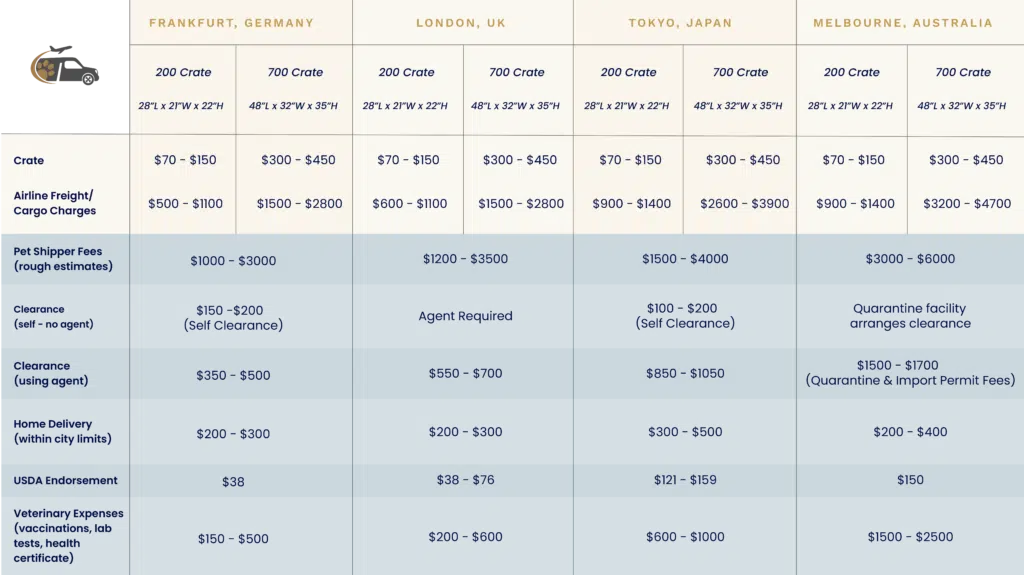
The core determinant of pet shipping expenses lies in a combination of factors that interact to shape the final quotation. Each variable presents its own set of financial implications, which prospective shippers must account for.
Distance and Destination
The geographical span of the journey is perhaps the most obvious cost driver. Domestic shipping within a country will naturally incur different expenses than international relocation, which often involves more stringent customs, quarantine, and import regulations. Long-haul flights or extended ground travel necessitate higher fuel costs, labor, and potentially overnight stays, all of which contribute to the overall price. International shipments may also require additional fees for specific destination country permits, import taxes, and potentially mandatory quarantine periods, each carrying a per-day or flat-rate charge. Moving a pet from New York to California will be less expensive than from New York to London or Sydney, not just due to distance but due to regulatory complexity and associated administrative fees.
Pet Size and Breed
The physical attributes of your dog play a critical role in pricing. Larger dogs require bigger, more robust travel crates, which are more expensive to purchase and take up more space, leading to higher cargo or ground transport fees. Airlines, in particular, often charge based on the combined weight of the pet and its crate, or by the volume the crate occupies. Certain brachycephalic (snub-nosed) breeds, such as Pugs, Bulldogs, and Persian cats, often face additional restrictions and higher costs due to their susceptibility to respiratory issues during air travel. Some airlines may even refuse to transport them in cargo or require specialized, climate-controlled environments, driving up expenses. These breeds may also necessitate specific vet clearances or even a custom-built, larger-than-standard crate to ensure adequate airflow, adding further to the financial burden.
Mode of Transport (Air vs. Ground)
The choice between air and ground transport has a significant impact on cost and service. Air travel is typically faster and preferred for long distances, especially internationally. However, it can be more expensive due to airline cargo fees, specific crate requirements, and the need for immediate veterinary checks before flight. Ground transport, while slower, can sometimes be more economical for shorter to medium distances, particularly if a dedicated pet transport service is used for multiple pets on one route. Ground services often offer a more personalized, door-to-door experience, but the cost per mile can add up quickly, especially for private, expedited services. The choice often balances speed, cost, and the perceived stress on the pet.
Time of Year and Urgency
Seasonal demand and holiday periods can drive up prices for pet shipping, much like human travel. Peak travel seasons (e.g., summer, major holidays) see increased demand for cargo space and pet transport services, leading to higher rates. Conversely, off-peak seasons might offer more competitive pricing. Urgent or last-minute bookings will almost always incur premium fees due to the need for expedited logistics, quick veterinary appointments, and immediate allocation of resources, making proactive planning a financially wise decision.
Deconstructing the Cost Components
The total cost of shipping a dog is an aggregation of several distinct financial outlays, each contributing a significant portion to the overall expense. Understanding these individual components is crucial for accurate budgeting.
Carrier Fees and Airfare
This is often the largest single expense. For air travel, airlines charge for cargo space, and these fees are generally calculated based on the combined weight of the pet and its IATA-compliant travel crate, or by the volumetric weight. Prices can range from a few hundred dollars for small pets on domestic flights to several thousand dollars for large breeds on international routes. These fees cover the cost of space on the aircraft, handling at the airport cargo facility, and sometimes a basic level of care during transit. It’s important to note that these are separate from human passenger tickets. Ground transport companies also have their own rate structures, often per mile or per day, which factor in fuel, vehicle maintenance, driver wages, and insurance.
Health Certificates and Vet Checks
Before any travel, especially air or international, a veterinarian must issue a health certificate, attesting that the pet is fit to travel and free from contagious diseases. This typically requires a comprehensive examination, necessary vaccinations (e.g., rabies), deworming, and potentially blood tests (e.g., rabies titer test for international travel). The cost of these veterinary services can range from $50 to several hundred dollars, depending on the vet’s fees, the number of required tests, and the specific regulations of the destination country. Some countries have very strict and expensive requirements, including microchipping with specific ISO standards, specific parasite treatments, and multiple vet visits spaced out over months.
Crate Requirements and Acquisition
A proper travel crate (kennel) is non-negotiable for pet safety and regulatory compliance. For air travel, crates must meet International Air Transport Association (IATA) specifications, which dictate size, ventilation, material, and labeling. These specialized crates are robust and often more expensive than standard pet carriers. Prices can range from $75 for a small dog crate to over $500 for an extra-large, airline-approved model. DIY modifications for ventilation or labeling, while seemingly minor, can also incur small costs for materials. Selecting the right size is also a financial consideration; a crate that is too small will be rejected by the carrier, while one that is excessively large may incur higher shipping costs due to volumetric weight.
Brokerage and Professional Services
Many pet owners opt to use professional pet shipping companies or brokers to navigate the complexities of pet relocation. These companies handle everything from booking flights, coordinating vet appointments, providing customs clearance, to door-to-door transport. Their services come at a premium, often adding anywhere from $500 to $3,000+ to the total cost, depending on the scope of services and the journey’s complexity. While an added expense, these services can be invaluable, saving time, reducing stress, and mitigating the risk of costly errors or delays, especially for international moves.
Additional Insurance and Comforts
While standard carrier fees may include minimal liability, many owners choose to purchase additional pet travel insurance to cover potential veterinary emergencies, loss, or damage during transit. This can add $50-$200 or more, offering peace of mind. Other minor costs might include specialized food or water dishes, comfort items for the crate, absorbent bedding, or sedative prescriptions from a vet (though sedatives are often discouraged by airlines). Each small addition contributes to the overall financial outlay.
Navigating Different Shipping Options and Their Financial Implications
The chosen method of transport significantly impacts the financial burden and the experience for both pet and owner.

Commercial Air Cargo: The Standard for Long Distances
For most domestic and all international long-distance pet shipping, commercial air cargo is the primary method. Financially, this means paying direct airline cargo rates, which are typically calculated by weight and volume. Expect these fees to be substantial, often starting at $300-$500 for smaller domestic shipments and soaring to $1,500-$4,000+ for international transit, not including professional handling services. This option requires strict adherence to IATA guidelines for crates and health documentation, and often involves dropping off and picking up the pet at airport cargo facilities, which may incur additional transport costs to and from the terminals.
In-Cabin Travel: A Niche, Cost-Effective Alternative
For very small dogs (typically under 20 pounds, including the carrier), some airlines allow in-cabin travel. This is often the most cost-effective and least stressful option for the pet, with fees usually ranging from $100-$200 per flight segment. However, space is extremely limited, with most airlines restricting it to one or two pets per flight. The carrier must fit under the seat in front of you, and the pet must remain inside for the entire flight. This option is generally only feasible for domestic or short-haul international flights where the total journey duration is manageable.
Ground Pet Transport: Flexibility and Personalization
Ground transport services offer a range of options, from shared rides to private, dedicated journeys. Shared ride services, where multiple pets are transported along a planned route, can be more economical, costing anywhere from $300 for short distances to $1,500+ for cross-country trips. These services often include stops for exercise and feeding, and a handler is present throughout the journey. Private ground transport, while offering maximum flexibility and direct routes, can be significantly more expensive, potentially rivaling or exceeding air cargo costs for long distances, easily reaching several thousands of dollars due to the dedicated vehicle and driver. The advantage here is often reduced stress for the pet and direct door-to-door service.
DIY vs. Professional Pet Shippers: Weighing Costs and Convenience
A fundamental financial decision is whether to manage the shipping process yourself or hire a professional pet relocation service.
DIY Shipping: This involves personally researching airline regulations, booking cargo space, obtaining all veterinary certificates, purchasing crates, and handling all drop-offs and pick-ups. While it saves on service fees, it requires a significant investment of time, meticulous attention to detail, and a thorough understanding of often complex regulations. Any mistake in documentation or timing can lead to costly delays, rebooking fees, or even quarantine. The direct costs would primarily be airline/ground carrier fees, vet expenses, and crate purchase.
Professional Pet Shippers: These companies specialize in navigating the complexities of pet travel. They handle documentation, vet appointments, flight bookings, customs clearance, and often offer door-to-door service. While their fees add several hundred to several thousand dollars to the total expense, they can save owners from costly errors, provide expert guidance, and reduce stress. For international moves, especially to countries with complex import requirements, professional services are often a wise investment, mitigating financial risks associated with regulatory non-compliance.
Budgeting and Financial Planning for Your Pet’s Journey
Accurate financial planning is essential to avoid unexpected costs and ensure a smooth, stress-free relocation for your dog.
Requesting Detailed Quotes
When seeking estimates, always request a comprehensive, itemized quote from any pet transport company or airline. A detailed quote should break down costs for the flight, crate, health certificates, customs brokerage, handling fees, and any optional services. Be wary of quotes that seem unusually low or lack transparency, as they may hide additional charges that surface later. For international moves, ask for separate quotes for origin services, airline fees, and destination services.
Hidden Costs to Anticipate
Beyond the obvious, several less apparent costs can surface. These might include:
- Layover expenses: If your pet’s journey involves long layovers, there might be charges for overnight kenneling or comfort stops.
- Customs duties/taxes: Some countries impose import duties or taxes on pets, which can be a percentage of the pet’s declared value.
- Quarantine fees: If destination country regulations require quarantine, these fees can be substantial, ranging from hundreds to thousands of dollars, depending on the duration and facility.
- Veterinary re-checks: Some destinations require a final vet check upon arrival.
- Transportation to and from airports/ports: If not part of a door-to-door service, ground transport costs for pickup and drop-off at cargo facilities can add up.
- Exchange rates: For international payments, fluctuating exchange rates can subtly impact the final cost.
Payment Structures and Deposit Requirements
Understand the payment terms upfront. Many pet transport companies require a significant deposit (often 50% or more) to secure bookings, with the balance due closer to the travel date. Airlines typically require full payment for cargo space upon booking. Clarify cancellation policies and potential refunds, as these can have significant financial implications if plans change.
Saving Strategies for Pet Relocation
While pet shipping is inherently expensive, there are ways to manage costs:
- Plan far in advance: Early booking can secure better rates and allows ample time to complete veterinary requirements without rush fees.
- Compare multiple quotes: Obtain at least three detailed quotes from different reputable companies or airlines.
- DIY where feasible: For simpler, domestic moves, handling parts of the process yourself (e.g., getting health certificates, buying the crate) can save on professional service fees.
- Consider ground transport for shorter distances: If time isn’t a critical factor, ground transport can sometimes be more economical and less stressful than air travel for medium-range journeys.
- Optimize crate size: Ensure the crate is the minimum required size for your pet’s comfort and airline compliance, as larger crates mean higher costs.
Maximizing Value and Ensuring Safety Without Breaking the Bank
While cost is a primary concern, compromising on safety or ethical treatment is never an option. Financial decisions should always balance economy with the well-being of your pet.
Researching Reputable Companies
Thorough due diligence is paramount. Look for companies accredited by industry associations such as the International Pet and Animal Transportation Association (IPATA). Check online reviews, testimonials, and governmental consumer protection agencies. A reputable company, though potentially more expensive, offers peace of mind through experienced handling, adherence to regulations, and transparent communication, ultimately safeguarding your investment in your pet’s welfare and avoiding costly mistakes or potential scams.
Preparing Your Pet for a Smooth Transit
Invest time in preparing your pet for travel. Crate training prior to the journey can significantly reduce stress, making the trip smoother and potentially preventing issues that could lead to unexpected vet bills or delays. Familiarizing your dog with its travel crate, slowly increasing the time spent inside, and making it a positive space can be invaluable. Discuss any anxiety concerns with your vet; while sedatives are generally discouraged by airlines, other vet-approved calming aids or strategies might be beneficial.

Understanding Refund and Cancellation Policies
Life is unpredictable, and travel plans can change. Carefully review the cancellation and refund policies of any service provider or airline before committing. Understand what percentage of your payment is recoverable if you need to postpone or cancel, and within what timeframe. This financial safeguard can prevent significant losses if unforeseen circumstances disrupt your pet’s relocation. Ensure clarity on whether certain deposits are non-refundable, especially for specialized services or bookings that require significant upfront outlays from the provider.
aViewFromTheCave is a participant in the Amazon Services LLC Associates Program, an affiliate advertising program designed to provide a means for sites to earn advertising fees by advertising and linking to Amazon.com. Amazon, the Amazon logo, AmazonSupply, and the AmazonSupply logo are trademarks of Amazon.com, Inc. or its affiliates. As an Amazon Associate we earn affiliate commissions from qualifying purchases.