
In the modern financial landscape, a checking account serves as the primary engine for your personal economy. It is the hub through which income flows, bills are settled, and daily transactions are executed. However, for many prospective account holders, the initial hurdle is a matter of cost. Understanding how much it actually costs to open a checking account requires looking beyond the initial deposit and examining the long-term fee structures, minimum balance requirements, and the various tiers of service offered by financial institutions.
While many consumers assume that banking is a paid service, the reality is far more nuanced. Depending on the institution you choose—be it a legacy “big box” bank, a community credit union, or a cutting-edge fintech neobank—the “price” of entry can range from zero dollars to several hundred.
Understanding Initial Deposit Requirements
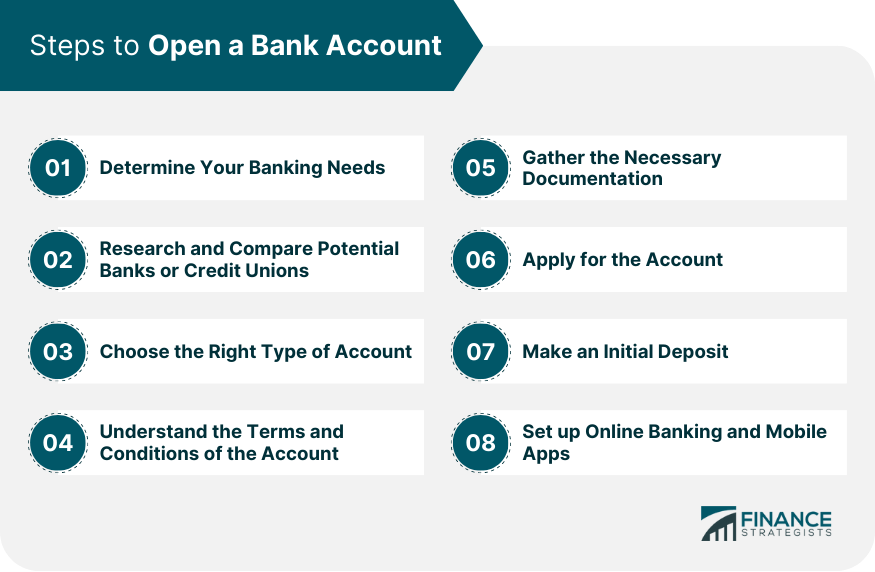
The first financial commitment you will encounter is the initial opening deposit. This is not a “fee” in the traditional sense, as the money remains yours; however, it represents the minimum liquidity required to activate the account.
Online Banks vs. Traditional Institutions
The digital revolution has significantly lowered the barrier to entry for the average consumer. Online-only banks often have lower overhead costs because they do not maintain physical branches. As a result, many online banks allow you to open a checking account with an initial deposit of $0. This makes them an attractive option for those starting their financial journey or for individuals looking to move away from high-cost traditional banking.
In contrast, traditional brick-and-mortar banks often require an initial deposit to cover the administrative costs of opening an account in person. This amount typically ranges from $25 to $100 for a standard personal checking account. For premium or “gold” tier accounts, the initial deposit could be significantly higher, sometimes reaching $500 or more, though these accounts are often designed for individuals with higher net worths who seek specialized perks.
The Rise of No-Minimum Deposit Accounts
There is a growing trend among financial institutions to offer accounts with no minimum opening deposit. This move is largely driven by competition from fintech companies that prioritize user acquisition over immediate profitability. For the consumer, this means that the “cost” to start is effectively time and information rather than capital. However, it is essential to read the fine print; an account that requires $0 to open may still require a minimum balance to avoid monthly maintenance fees later on.
The Real Cost of Ownership: Fees and Monthly Charges
Once an account is active, the focus shifts from the “opening cost” to the “maintenance cost.” This is where many consumers are caught off guard by the ongoing expenses associated with managing their money.
Monthly Maintenance Fees
A monthly maintenance fee is a service charge levied by a bank for keeping the account open. These fees usually range from $5 to $15 per month. While this may seem nominal, it can subtract $60 to $180 from your balance annually. Most traditional banks offer ways to waive this fee, such as maintaining a certain average daily balance or setting up a recurring direct deposit. For the savvy consumer, the “cost” of the account becomes $0 if they can consistently meet these requirements.
Transactional Fees: ATMs and Wire Transfers
The cost of accessing your money can also add up. If you use an ATM that is outside of your bank’s network, you may be charged twice: once by the ATM owner and once by your own bank. These combined fees can reach $5 or more per transaction. Furthermore, specialized services like domestic or international wire transfers, cashier’s checks, and stop-payment orders often carry fees ranging from $15 to $50.
The Overdraft and NSF Dilemma
Perhaps the most significant “hidden” cost of a checking account is the overdraft fee. If you spend more than what is available in your account, the bank may cover the transaction but charge an overdraft fee, which typically sits around $30 to $35 per occurrence. Non-sufficient funds (NSF) fees are similar but occur when the bank rejects the transaction. While federal regulations now require consumers to “opt-in” for overdraft protection on debit card transactions, many still find themselves paying high costs for automated clearing house (ACH) payments or checks that bounce.
How to Open a Checking Account for Free
For the majority of people, paying a monthly fee to store money is unnecessary. By strategically selecting an account and managing it properly, the total cost of ownership can be effectively eliminated.
Leveraging Direct Deposits
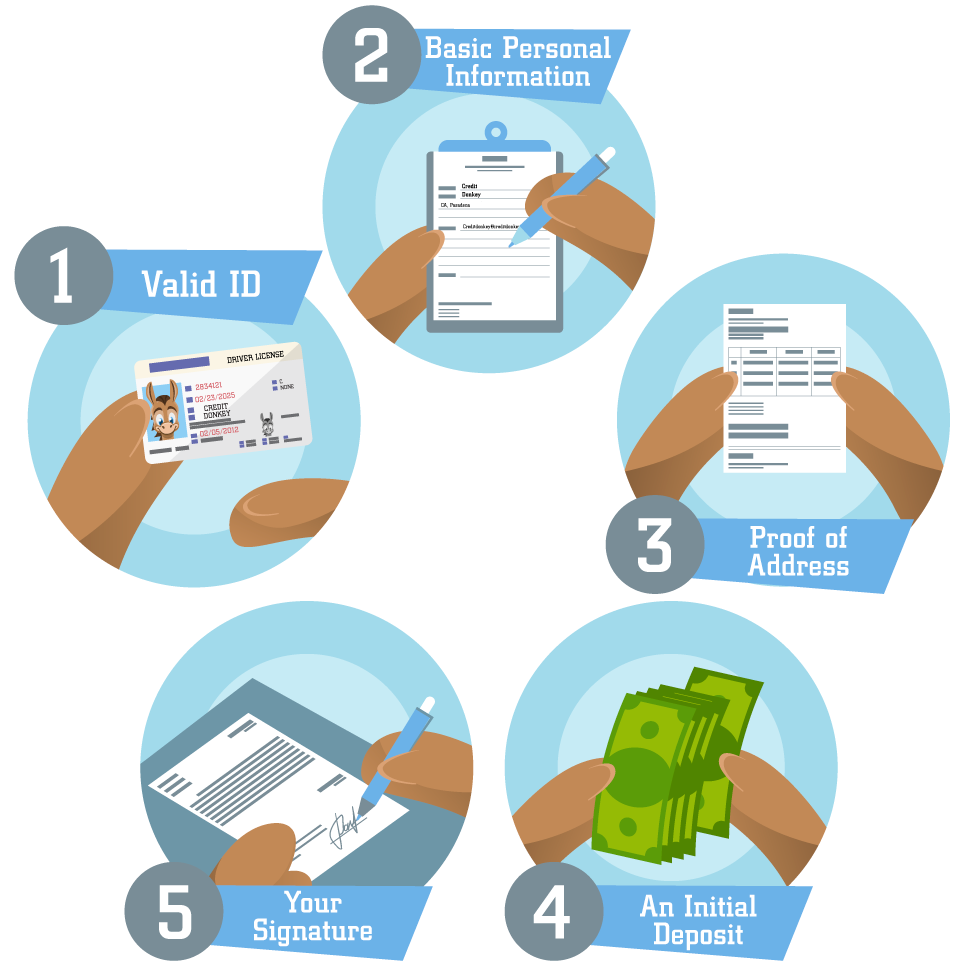
The most common way to waive monthly fees is through direct deposit. Most banks will waive the $10–$15 maintenance fee if you have a total of $250 to $1,000 deposited into the account via an employer payroll or government benefit each month. This is the bank’s way of ensuring that you are using them as your primary financial institution, which allows them to profit from other services like loans or credit card offers.
Maintaining a Minimum Daily Balance
If you do not have a steady direct deposit, you can often waive fees by keeping a minimum amount of money in the account at all times. This “minimum daily balance” varies. For a basic account, it might be $500 or $1,000. For premium accounts, it could be $5,000 to $10,000. While this avoids the monthly fee, there is an “opportunity cost” to consider; that money might earn a higher return if it were sitting in a high-yield savings account or an investment portfolio.
Student and Senior Exemptions
Age-based accounts are a significant part of the personal finance market. Most major banks offer “Student Checking” for individuals between the ages of 17 and 24. These accounts typically have no monthly maintenance fees and no minimum balance requirements, provided the user can prove they are enrolled in school. Similarly, many banks offer “Senior Checking” with reduced fees or lower balance requirements for those over 62 or 65.
Specialized Checking: Business vs. Personal Costs
If you are opening an account for a side hustle or a small business, the cost structure changes dramatically. Business checking accounts are rarely “free” in the same way personal accounts are.
Why Business Accounts Cost More
Banks view business accounts as higher-risk and higher-utility than personal accounts. Consequently, opening a business checking account often requires a higher initial deposit, sometimes starting at $100 to $500. Maintenance fees are also higher, often starting at $15 and scaling up based on the size of the business.
Tiered Pricing and Transaction Limits
Business accounts often come with transaction limits. For example, a basic business account might allow for 50 free transactions per month, after which you are charged $0.25 to $0.50 per item. Cash deposits may also be capped; once you exceed a certain threshold (e.g., $5,000 per month), the bank may charge a small percentage for processing the cash. When calculating the cost to open a business account, you must forecast your monthly transaction volume to avoid being penalized for growth.
Strategic Considerations Before You Sign
Before committing to an institution, it is vital to evaluate the account as a tool within your broader financial strategy. The “cost” is not just about the money you pay out; it is also about the utility you get in return.
Evaluating the Annual Percentage Yield (APY)
Most standard checking accounts pay very little interest—often as low as 0.01%. However, some “Rewards Checking” or “High-Yield Checking” accounts offer APYs that rival savings accounts, sometimes as high as 1% to 3%. To get these rates, you usually have to meet specific criteria, such as making 10 or 15 debit card purchases per month. If you are a frequent spender, these accounts can actually pay you to use them, turning the cost of opening an account into a net gain.
The Impact of Credit and ChexSystems
While opening a checking account does not usually involve a hard credit pull that affects your FICO score, most banks use a service called ChexSystems. This is essentially a credit bureau for bank accounts. If you have a history of unpaid overdrafts or account closures at other banks, you may be denied a standard account. In this case, your only option may be a “Second Chance Checking” account. These accounts often have mandatory monthly fees that cannot be waived, making them the most expensive type of checking account to maintain.
The Hidden Benefit of Sign-up Bonuses
In the competitive world of retail banking, many institutions offer “sign-up bonuses” to attract new customers. You might see offers for $200, $300, or even $500 for opening a new checking account and meeting certain direct deposit requirements within the first 90 days. When you factor in these bonuses, the “cost” of opening the account becomes a significant profit. For the disciplined consumer, “bank hopping” to collect these bonuses is a viable side hustle, provided they are careful to avoid the fees associated with closing an account too early.
Conclusion: Weighing the Value
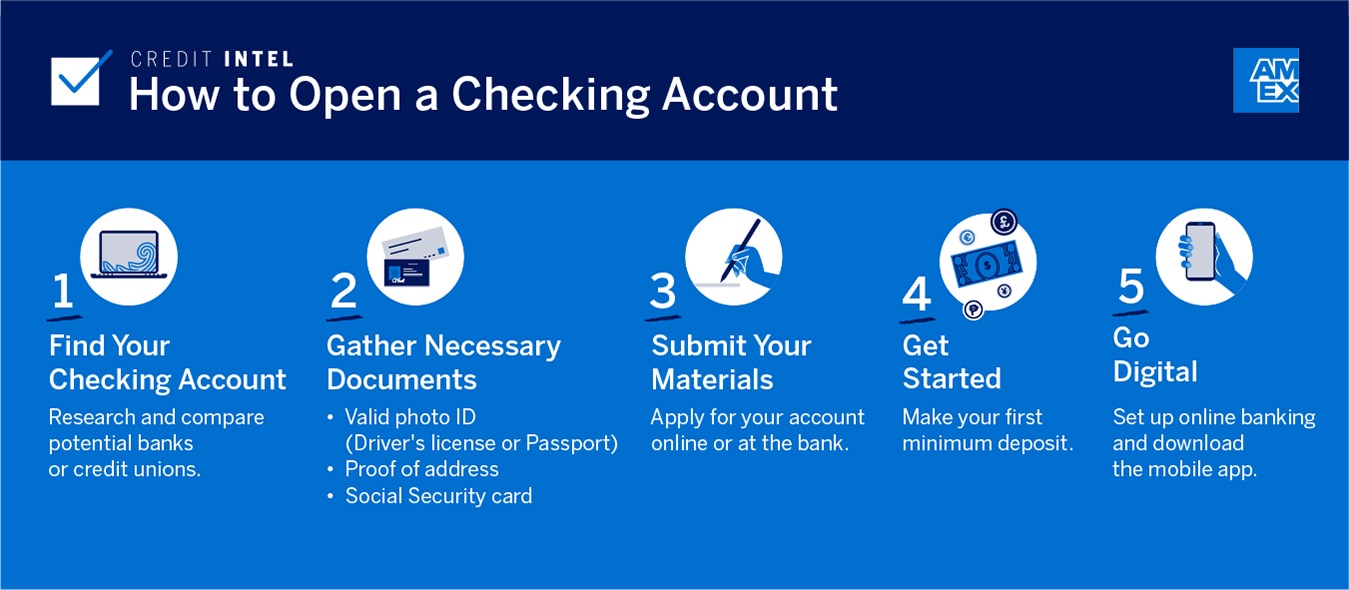
In summary, the cost to open a checking account is highly variable and largely depends on your own financial habits. If you are comfortable with digital-only banking and have a steady income, you can open and maintain a checking account for absolutely $0. If you require the physical infrastructure of a national branch network or have a complex business to manage, you should expect to pay an initial deposit and potentially a monthly fee.
The key to financial health is not just finding the cheapest account, but finding the one that provides the most value for your specific needs. By understanding the interplay between deposits, fees, and incentives, you can transform your checking account from a monthly expense into a powerful, cost-effective tool for wealth management. When you look at the landscape of personal finance, the goal is always the same: keep as much of your capital as possible while ensuring your money is secure, accessible, and working for you.
aViewFromTheCave is a participant in the Amazon Services LLC Associates Program, an affiliate advertising program designed to provide a means for sites to earn advertising fees by advertising and linking to Amazon.com. Amazon, the Amazon logo, AmazonSupply, and the AmazonSupply logo are trademarks of Amazon.com, Inc. or its affiliates. As an Amazon Associate we earn affiliate commissions from qualifying purchases.