
Walking into a Build-A-Bear Workshop is often perceived as a simple trip to a toy store, but from a personal finance perspective, it is a complex retail experience designed around incremental spending. For parents, gift-givers, and collectors, the primary question—”How much does it cost?”—rarely has a single answer. The total expenditure is a variable figure that depends heavily on customization, licensing, and the psychological “upsell” flow of the workshop.
Understanding the financial architecture of a Build-A-Bear transaction is essential for anyone trying to maintain a budget while participating in this high-touch retail environment. Whether you are planning a birthday party or adding to a collection, here is a comprehensive breakdown of the costs involved in creating a furry friend.
The Base Cost: Understanding the Entry Point of the Workshop
The financial journey begins with the “skin”—the unstuffed plush toy that serves as the foundation of the experience. Build-A-Bear utilizes a tiered pricing strategy for these base models, ensuring there is an entry point for various budget levels while simultaneously offering premium options for those willing to spend more.
The Standard Plush Range
At the lowest end of the spectrum, you will find classic bears and simple animals. These typically range from $14.00 to $20.00. These items are often part of the “core” collection and are designed to be the most accessible options. For a budget-conscious consumer, selecting a plush in this range is the most effective way to keep the total bill under $30.00 after tax.
Licensed Characters and Premium Editions
The price point shifts significantly when intellectual property (IP) is involved. Build-A-Bear has lucrative partnerships with franchises such as Disney, Marvel, Star Wars, Pokémon, and Harry Potter. Because of the licensing fees associated with these brands, the base price for these characters usually starts at $30.00 and can climb as high as $45.00 or $50.00 for limited-edition releases. From a value-analysis perspective, you are paying a “brand tax” for the likeness of a specific character, which adds approximately 50% to 100% to the cost of a standard bear.
The “Add-On” Economy: Navigating Hidden Costs and Upsells
The genius of the Build-A-Bear business model lies in the “stations” that follow the selection of the bear. Each station represents a micro-transaction opportunity. While the base price covers the plush and the stuffing process, the final cost is often doubled or even tripled through accessories.
Outfits and Accessories
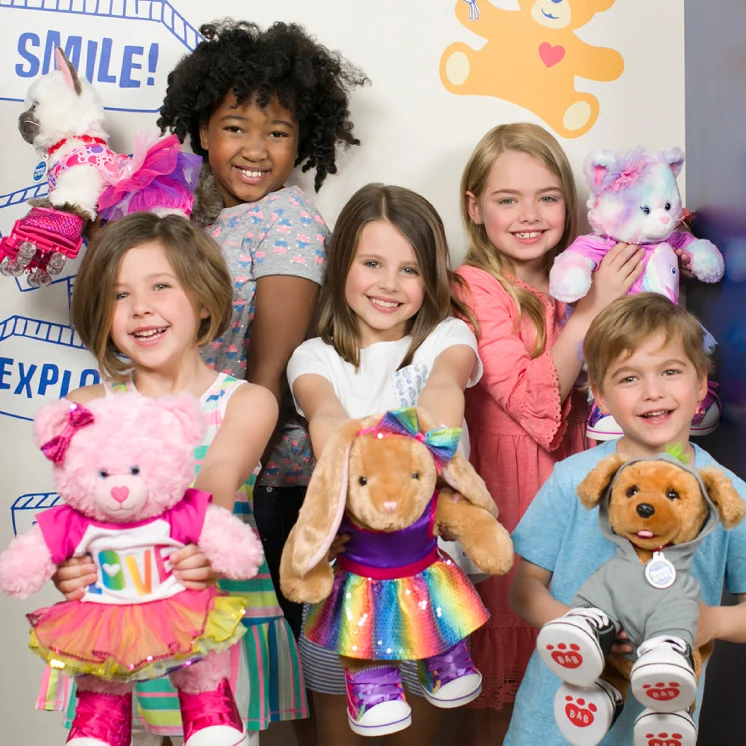
Clothing is where the most significant portion of a Build-A-Bear budget is often spent. A basic t-shirt might cost $7.00, but full outfits—such as a princess gown, a superhero suit, or a specialized career uniform—typically range from $15.00 to $25.00. When you add shoes ($8.00–$10.00), glasses ($5.00), or handheld props like wands or sports balls ($5.00–$10.00), the cost of the “wardrobe” can easily exceed the cost of the bear itself.
Sound Chips and Scents: The Sensory Surcharge
Build-A-Bear excels at sensory marketing. During the stuffing process, customers are offered the chance to add scents or sounds.
-
Scents: Small discs that smell like bubblegum, lavender, or popcorn usually cost around $4.00 to $5.00.
-
Sounds: Pre-recorded sounds (like a bark or a giggle) cost approximately $6.00 to $8.00.
-
Record-Your-Own: The most expensive sound option is the personalized voice recorder, which allows you to record a message for about $10.00 to $12.00.
While these items seem like small additions, they represent high-margin products for the company and can quickly inflate a $20.00 bear into a $40.00 commitment before clothing is even considered.
Heart Beats and Special Inserts
One of the most recent additions to the upsell ladder is the vibrating “heartbeat” insert. For an additional $6.00 or more, a battery-operated device is placed inside the bear to simulate a pulse. This is a classic example of emotional pricing, where the consumer is encouraged to spend a small amount more to enhance the “life-like” quality of the product.

Strategic Budgeting for the Build-A-Bear Experience
Navigating these costs requires a proactive financial strategy. Without a plan, a single visit can result in “sticker shock” at the checkout counter. Here are the most effective ways to manage the expense without sacrificing the experience.
Setting a Hard Limit for Children
The retail environment is designed to be immersive, which often makes it difficult for children to grasp the cumulative cost of their choices. A successful budgeting tactic is to provide a “cap” before entering the store. For example, telling a child they have a $40.00 budget forces them to make trade-offs: “Do you want the expensive licensed Pokémon bear with no clothes, or the standard bear with a full outfit and a scent?” This teaches basic financial literacy and prevents overspending.
Leveraging Loyalty Programs and Gift Cards
The “Build-A-Bear Bonus Club” is a free loyalty program that provides points for every dollar spent. These points eventually convert into “Reward Certificates” (usually $5.00 or $10.00 off). Furthermore, savvy shoppers often look for discounted gift cards. Wholesale clubs like Costco or Sam’s Club frequently sell $100.00 worth of Build-A-Bear gift cards for $70.00 or $80.00. Utilizing these cards effectively provides an immediate 20% to 30% discount on the entire experience.
Off-Peak Savings and “Pay Your Age” Events
Build-A-Bear is famous for its “Pay Your Age” promotions. While these events are rare and often result in long lines, the company has transitioned this into a birthday-specific offer. Members of the Bonus Club can bring a child in during their birthday month to pay their age for a specific “Birthday Treat Bear.” If a child is turning three, the bear costs only $3.00. This is arguably the best value in the entire retail toy industry, though it is limited to a specific plush model.
The Value Proposition: Is Build-A-Bear a Sound Investment?
When analyzing the cost of Build-A-Bear, it is helpful to view it not just as a product purchase, but as an entertainment expense. In the world of personal finance, this is known as the “cost per hour of entertainment.”
Cost per Hour of Entertainment
If you take a child to a movie, you might spend $15.00 on a ticket and $15.00 on snacks for two hours of passive entertainment. A Build-A-Bear session typically lasts 30 to 45 minutes of active engagement, followed by years of play with the physical product. When viewed as an “experience plus a toy,” the $40.00 to $60.00 average spend becomes more justifiable compared to other high-cost outings like theme parks or arcade centers.
Resale Value and Collectibility
From an investment standpoint, most standard Build-A-Bears do not appreciate in value. However, there is a robust secondary market for specific niches. Licensed collaborations (like the early Sanrio/Hello Kitty releases) or retired limited editions can sell for significantly more than their original retail price on platforms like eBay or Mercari. For collectors, the “cost” of the bear is mitigated by its potential as a liquid asset in the future, provided the item is kept in mint condition with its tags.

Business Finance Perspective: Why the Pricing Strategy Works
To truly understand why a Build-A-Bear costs what it does, one must look at the corporate financial strategy. Build-A-Bear operates on a “high-touch” retail model. Unlike a standard toy store where products sit on a shelf, Build-A-Bear requires a high staff-to-customer ratio to facilitate the stuffing, heart ceremony, and birth certificate process.
The labor costs associated with this interactive experience are built into the margins of the accessories. While a $5.00 scent disc likely costs the company mere pennies to produce, that margin helps cover the hourly wages of the “Bear Builders” who guide customers through the experience. The company isn’t just selling plush; they are selling a memory, and they price their products to sustain the physical brick-and-mortar infrastructure required to deliver that memory.
In conclusion, a trip to Build-A-Bear can cost as little as $14.00 or as much as $100.00+. By understanding the base costs, recognizing the high-margin add-ons, and utilizing loyalty rewards and discounted gift cards, consumers can control their spending. The key to a successful visit is recognizing that the “Workshop” is a financial ecosystem where every choice has a price tag, and the best “value” is found by balancing emotional satisfaction with disciplined budgeting.
aViewFromTheCave is a participant in the Amazon Services LLC Associates Program, an affiliate advertising program designed to provide a means for sites to earn advertising fees by advertising and linking to Amazon.com. Amazon, the Amazon logo, AmazonSupply, and the AmazonSupply logo are trademarks of Amazon.com, Inc. or its affiliates. As an Amazon Associate we earn affiliate commissions from qualifying purchases.