
Cruising has long been romanticized as an epitome of luxurious relaxation, an all-inclusive escape where every whim is catered to. However, beneath the allure of endless buffets, sparkling pools, and exotic destinations lies a complex financial landscape that often surprises first-time cruisers. Understanding the true cost of a cruise extends far beyond the advertised base fare; it involves dissecting various components, anticipating potential hidden expenses, and strategizing smart financial decisions to ensure your dream vacation doesn’t turn into a budgetary nightmare. This guide will delve into the intricate financial layers of a cruise vacation, providing an insightful and professional perspective for anyone looking to set sail without sinking their savings.
Deconstructing the Base Cruise Fare: What’s Included and What’s Not
The first figure you encounter when planning a cruise is typically the base fare. This is the foundation upon which your entire trip’s cost is built, but it rarely represents the final amount you’ll pay. Understanding what this initial price covers, and more importantly, what it doesn’t, is critical for accurate financial planning.
The Core Offering: Accommodation, Meals, and Entertainment
At its heart, the base cruise fare includes several fundamental elements designed to provide a comprehensive vacation experience. Your accommodation, ranging from an interior cabin to a sprawling suite, is naturally part of this. Most major meals in the main dining rooms, buffets, and often a few casual eateries are also covered, offering a vast array of culinary choices throughout your journey. Beyond sustenance, a significant portion of the ship’s onboard entertainment—think Broadway-style shows, live music, comedy clubs, access to pools, hot tubs, and fitness centers—is typically included. These elements create the perceived all-inclusive value that draws many to cruising. However, the quality and variety of these inclusions can differ significantly between cruise lines and specific ship classes.
Understanding Different Cabin Categories and Their Price Impact
One of the most significant factors influencing your base fare is the chosen cabin category. This decision alone can lead to hundreds, if not thousands, of dollars in price variance.
- Interior Cabins: These are generally the most affordable, lacking windows and natural light. They are ideal for budget-conscious travelers who plan to spend most of their time outside the cabin.
- Oceanview Cabins: Offering a window or porthole, these provide natural light and a glimpse of the sea, often at a moderate price increase over interior cabins.
- Balcony Cabins: A popular choice, balcony cabins feature a private outdoor space, offering fresh air and personal views, significantly increasing the fare but enhancing the overall experience for many.
- Suites: At the pinnacle of luxury, suites offer more space, often multiple rooms, exclusive amenities, and priority services, coming with a premium price tag that can be several times that of an interior cabin.
The choice of cabin is a delicate balance between budget, personal preference for space and natural light, and the overall value you place on your private retreat at sea.
The Influence of Cruise Line, Itinerary, and Season
Beyond cabin choice, the base fare is heavily shaped by the specific cruise line, the chosen itinerary, and the time of year you plan to travel. Luxury cruise lines (e.g., Silversea, Regent Seven Seas) inherently command higher prices, often including more “all-inclusive” features like specialty dining, unlimited drinks, and even shore excursions in their base fares. Mainstream lines (e.g., Carnival, Royal Caribbean, Norwegian) offer more diverse price points, while premium lines (e.g., Celebrity, Holland America) sit somewhere in between.
The itinerary’s duration and destination also play a crucial role. A 3-day Bahamas cruise will naturally be less expensive than a 14-day Alaskan adventure or a transoceanic voyage. Similarly, cruising during peak seasons (e.g., school holidays, summer in Europe, Caribbean winter) will invariably result in higher prices due to increased demand. Conversely, opting for shoulder seasons or off-peak periods can yield significant savings. Flexibility with your travel dates is a powerful financial tool when planning a cruise.
Beyond the Sticker Price: Unveiling Common Hidden Costs
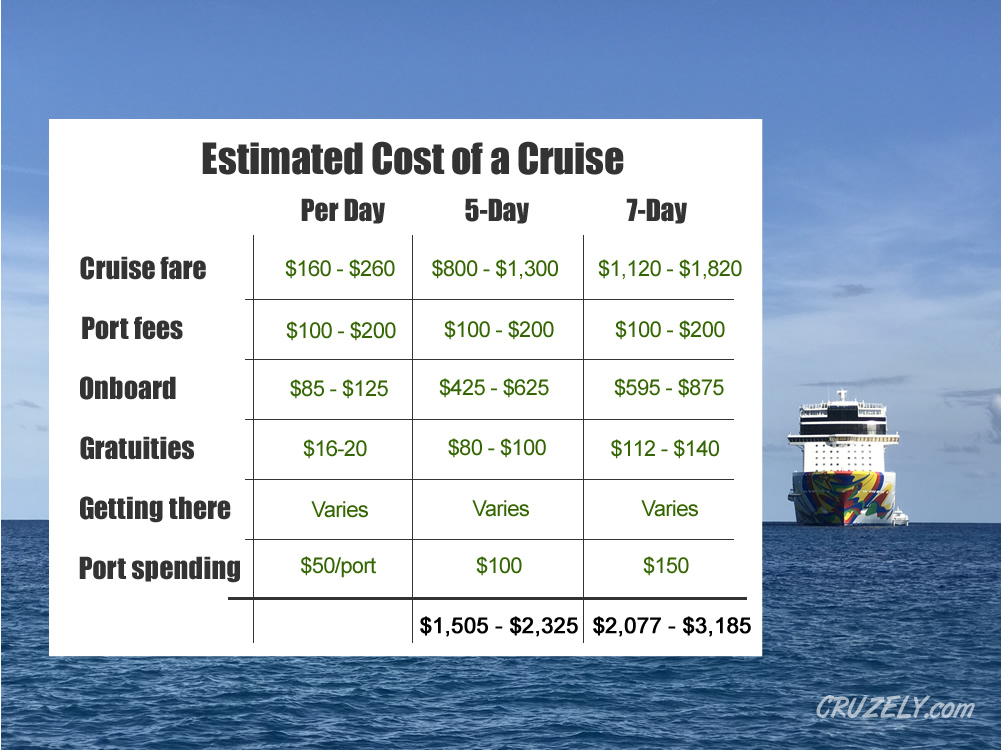
While the base fare provides accommodation, basic meals, and entertainment, it’s crucial to acknowledge the myriad of additional expenses that can accrue, often surprisingly, throughout your cruise journey. These “hidden costs” are where careful budgeting becomes paramount, transforming what appeared to be an affordable trip into a considerably more expensive endeavor if not accounted for.
Transportation to and From the Port: Flights, Hotels, and Transfers
The journey to your embarkation port is often the first significant unbundled expense. Unless you live within driving distance, flights to and from the port city can add hundreds, if not thousands, of dollars to your overall travel budget. Moreover, many cruisers opt to arrive a day early to mitigate the risk of flight delays causing them to miss the ship, necessitating an additional hotel night before embarkation. Post-cruise, a similar strategy might be adopted. Port transfers, whether via the cruise line’s shuttle service, a taxi, or ride-share, also represent an additional cost to ferry you between the airport, hotel, and the ship itself. These logistical expenses, while seemingly minor individually, can collectively inflate your total outlay considerably.
Onboard Expenses: Drinks, Specialty Dining, Wi-Fi, and Gratuities
Once onboard, the “all-inclusive” illusion often begins to fade. While water, coffee, and basic juices are usually complimentary, alcoholic beverages, sodas, and specialty coffees are almost universally extra and can quickly add up. Most ships feature a selection of specialty restaurants offering elevated culinary experiences for an additional charge, ranging from $30-$70 per person per meal. Wi-Fi packages, often sold by the day or minute, can be quite expensive due to satellite costs.
Perhaps the most significant “hidden” cost is daily gratuities. These mandatory service charges, typically $14-$20 per person per day, are automatically added to your onboard account to compensate the hard-working crew. While some luxury lines include gratuities, most mainstream and premium lines do not. Additionally, a 15-20% service charge is usually added to all individual drink purchases and spa services. These daily charges and automatic service fees are essential to factor into your financial calculations.
Shore Excursions and Port Adventures: Enhancing Your Experience
The allure of cruising often lies in visiting multiple destinations. While you are free to explore independently at each port, many cruisers opt for organized shore excursions. These range from city tours and cultural experiences to adventure activities like snorkeling or zip-lining, and they come with a separate price tag. Cruise line excursions, while convenient and reliable, tend to be pricier than booking independently through local operators. Depending on the number and type of excursions you choose, this category alone can add several hundred dollars to your vacation cost.
Personal Spending: Spa Treatments, Shopping, and Casino Fun
Finally, personal indulgence accounts for another variable but often substantial expense. Shipboard spas offer a tempting array of treatments, from massages to facials, all at resort-level prices. Duty-free shops, boutiques, and art auctions onboard provide ample opportunity for retail therapy. And, for those who enjoy a flutter, the ship’s casino is a constant draw, with spending easily spiraling if not managed carefully. Souvenirs from ports of call also fall under this discretionary spending category, allowing you to bring home tangible memories of your journey. Each of these optional expenditures contributes to the final tally, and while they enhance the vacation, they must be budgeted for.
Strategic Budgeting for Your Dream Cruise
Effective financial planning is paramount to enjoying a cruise without financial stress. By adopting strategic budgeting techniques, you can navigate the various costs, identify savings opportunities, and ensure your cruise remains an enjoyable investment rather than a source of debt.
Researching and Comparing Deals: Timing is Everything
The cruise market is highly competitive, meaning deals and promotions are constantly available. The savvy cruiser understands that timing plays a critical role in securing the best price. Booking well in advance (12-18 months out) can often secure early bird discounts, preferred cabin locations, and extra perks. Conversely, last-minute deals (30-90 days out) can emerge if ships aren’t fully booked, offering significant price reductions, though choice might be limited.
Utilize price comparison websites and consider working with a travel agent specializing in cruises. Travel agents often have access to group rates, exclusive promotions, and can offer valuable insights into which cruise lines and itineraries best fit your budget and preferences. Sign up for newsletters from your favorite cruise lines and travel agencies to stay informed about flash sales and special offers.
Leveraging Packages and Promotions: Drink, Wi-Fi, and Excursion Bundles
Many cruise lines offer “all-inclusive” or “perk” packages that bundle common extra costs into a single upfront price. These often include drink packages (unlimited alcoholic and non-alcoholic beverages), Wi-Fi packages, specialty dining credits, and even shore excursion credits. While these packages add to the upfront cost, they can represent significant savings if you anticipate utilizing these services frequently.
Before purchasing, calculate if the package genuinely offers value for your expected consumption. For instance, if you only plan to have one or two alcoholic drinks per day, a drink package might not be cost-effective. However, if you’re a heavy beverage consumer, it could save you money. These bundles can provide peace of mind, allowing you to enjoy your vacation without constantly monitoring individual spending.
Managing Onboard Spending: Setting Limits and Pre-Paying
One of the most effective ways to control costs onboard is to set a strict daily or weekly spending limit for discretionary items. Most cruise lines operate a cashless system, where all purchases are charged to your stateroom account. Regularly review your account balance (accessible via the ship’s app, TV, or guest services) to avoid surprises.
Consider pre-paying for as many items as possible before you even board. Gratuities can often be pre-paid, locking in the rate and removing that daily charge from your mind. Some cruise lines allow pre-purchase of specialty dining reservations, spa treatments, and even specific shore excursions. This strategy converts potential onboard charges into part of your vacation’s upfront cost, making it easier to manage your budget while sailing. Bringing your own non-alcoholic beverages (within cruise line limits) can also save on drink costs.
The Role of Travel Insurance in Protecting Your Investment
While not a direct cost of the cruise itself, travel insurance is a crucial financial safeguard that should be considered an essential part of your cruise budget. A cruise vacation represents a significant financial investment, and unforeseen circumstances can easily derail your plans and lead to substantial losses.
Travel insurance can cover:
- Trip Cancellation/Interruption: If you or a family member falls ill before or during the cruise, leading to cancellation or early return.
- Medical Emergencies: Healthcare costs at sea or in foreign ports can be exorbitant, and many domestic health insurance plans offer limited or no coverage abroad.
- Baggage Loss/Delay: Compensation for lost luggage or delays in receiving your bags.
- Emergency Evacuation: Covering the immense cost of medical evacuation from the ship or a remote port.
The cost of travel insurance is a small percentage of your overall trip cost, but it provides invaluable financial protection and peace of mind. It’s an expenditure that, while hopefully unused, can prevent catastrophic financial losses in the face of unexpected events.
Is a Cruise a Good Value? A Financial Perspective
After dissecting the various components of a cruise’s cost, the fundamental question remains: is it a good financial value for a vacation? The answer is nuanced, depending heavily on individual preferences, spending habits, and how one quantifies “value.”
Comparing Cruise Costs to Land-Based Vacations
When comparing a cruise to a land-based vacation of similar duration and luxury, cruises often present a compelling value proposition, particularly if you’re astute with your budgeting. For a single price, you typically get accommodation, transportation between multiple destinations, most meals, and entertainment. To replicate this experience on land – flying between cities, paying for hotels, dining out for every meal, and purchasing tickets for shows and attractions – would often exceed the cost of a well-planned cruise.
However, this comparison assumes a similar level of luxury and activity. A budget land trip, with self-catering and fewer paid attractions, could certainly be cheaper. The value of a cruise lies in its bundled convenience and the unique experience of visiting multiple locales without the constant packing, unpacking, and logistical headaches of traditional multi-city travel.
The All-Inclusive Perception vs. Reality
The perception of cruises as “all-inclusive” is both their greatest marketing strength and their biggest potential financial pitfall. As detailed earlier, very few cruise lines are truly all-inclusive in the traditional sense. The reality is that the base fare provides a robust foundation, but a significant portion of the “extras” that enhance the vacation experience come at an additional cost. Understanding this distinction is key to assessing the true value. If you appreciate the included amenities and are disciplined with your discretionary spending, a cruise can indeed offer excellent value. If you expect every single luxury and amenity to be covered without additional charges, you might find the final bill surprisingly high.

Maximizing Value: Tips for Frugal Cruising
For those keen on maximizing value and keeping costs down, several strategies can be employed:
- Choose Wisely: Opt for budget-friendly interior cabins, shorter itineraries, and mainstream cruise lines.
- BYOB (within limits): Check your cruise line’s policy on bringing a limited amount of non-alcoholic beverages or even a bottle of wine onboard to save on drink costs.
- Leverage Included Options: Stick to the complimentary dining rooms, buffets, and free entertainment. There’s usually plenty to enjoy without spending extra.
- DIY Shore Excursions: Research ports of call in advance and plan your own walking tours or use local transportation rather than expensive cruise line excursions.
- Limit Spa & Casino: Treat these as occasional indulgences rather than daily routines.
- Pre-Pay Gratuities: This ensures you account for them in your initial budget and avoid a large bill at the end.
- Travel Insurance: As discussed, this is a non-negotiable cost for financial protection.
In conclusion, the question “how much is it to go on a cruise” has no single answer. It’s a spectrum, ranging from a few hundred dollars for a short, budget-conscious trip to tens of thousands for a luxury suite on an extended voyage. By diligently researching, understanding the breakdown of costs, strategizing your budget, and making informed financial decisions, you can tailor a cruise experience that aligns perfectly with your financial comfort zone and provides an unforgettable, value-driven vacation.
aViewFromTheCave is a participant in the Amazon Services LLC Associates Program, an affiliate advertising program designed to provide a means for sites to earn advertising fees by advertising and linking to Amazon.com. Amazon, the Amazon logo, AmazonSupply, and the AmazonSupply logo are trademarks of Amazon.com, Inc. or its affiliates. As an Amazon Associate we earn affiliate commissions from qualifying purchases.