
For many families, a trip to Build-A-Bear Workshop is a rite of passage. It is a sensory-rich environment where children are transformed from mere consumers into creators. However, from a financial perspective, the question “How much is it to build a bear?” rarely has a single, simple answer. Because the brand operates on a highly modular pricing model, the final cost at the cash register can vary from the price of a modest lunch to the cost of a high-end electronics device.
Understanding the financial landscape of this retail giant is essential for parents, gift-givers, and collectors who wish to manage their discretionary spending without dampening the magic of the experience. This guide breaks down the tiers of pricing, the psychology of the “upsell,” and strategic ways to maximize value within the “Experience Economy.”

Understanding the Base Costs: From Plush to Heart
The foundation of any Build-A-Bear purchase is the “skin”—the unstuffed plush character that the customer selects from the bins. This is the primary price point displayed on the shelving, but it represents only the beginning of the financial journey.
The Entry-Level Tiers
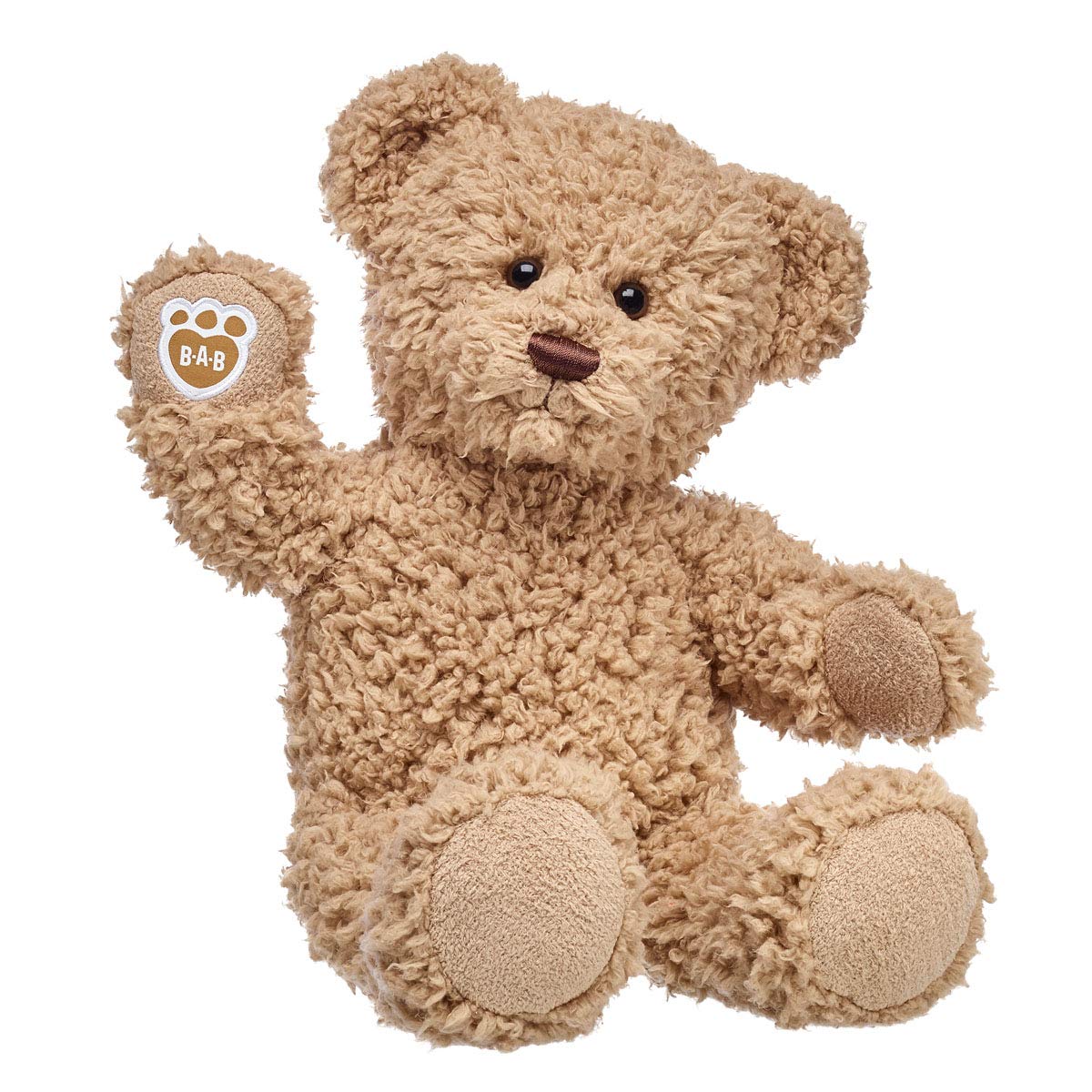
Build-A-Bear has historically maintained a range of accessible options to ensure that the brand remains inclusive of various income levels. The entry-level plush items typically range from $14.00 to $20.00. These are often classic teddy bears, such as the “Lil’ Cub” series. While they lack the intricate detailing or high-fashion fur textures of more expensive models, they provide the exact same “heart ceremony” and stuffing experience, making them a high-value option for those on a strict budget.
Premium and Licensed Collaborations
The pricing structure shifts significantly when intellectual property (IP) is involved. In the modern retail landscape, Build-A-Bear relies heavily on partnerships with giants like Disney, Nintendo, Marvel, and Lucasfilm. Because of licensing fees and specialized designs, these characters—ranging from Baby Yoda (Grogu) to Pikachu or Cinderella—typically start at $30.00 to $45.00 for the base plush alone. Collectors and fans should expect to pay a 50% to 100% premium for these branded characters compared to the store’s generic offerings.
The “Hidden” Upsells: Clothing, Sound, and Scent
The genius of the Build-A-Bear business model lies in its modularity. The base price of the bear is essentially a “loss leader” or a gateway to a series of high-margin add-ons. It is in the “dressing station” and the “sound station” where the total cost of the visit can double or even triple.
Wardrobe Essentials and Pricing
Rarely does a child want to take home a “naked” bear. The clothing selection is vast, and the pricing is designed to mimic real-world fashion segments. A basic t-shirt might cost $7.00, but a full “outfit” (such as a superhero costume or a formal dress) often ranges from $15.00 to $25.00. When you add accessories like shoes ($8.00–$10.00), sunglasses ($5.00), or handheld props like wands or tiny cell phones ($5.00–$10.00), the cost of the “wardrobe” can easily exceed the cost of the bear itself.
Interactive Technology Add-ons
To enhance the emotional connection to the plush, Build-A-Bear offers several technological enhancements.
- Scentaments: Small disks placed inside the bear that emit smells like bubblegum, lavender, or strawberry. These generally cost around $4.00 to $5.00.
- Sound Modules: These range from pre-recorded phrases to “Record-Your-Own” chips. A standard sound chip costs approximately $8.00, while the custom recording feature—a popular choice for long-distance gift-giving or memorial bears—is slightly higher.
- Heartbeats: For a small additional fee (usually around $6.00), a vibrating “heart” can be inserted, adding a tactile, lifelike element to the plush.
From a financial planning perspective, if a customer chooses a $25 bear, a $20 outfit, a $10 pair of shoes, and an $8 sound chip, the total before tax is already $63.00.
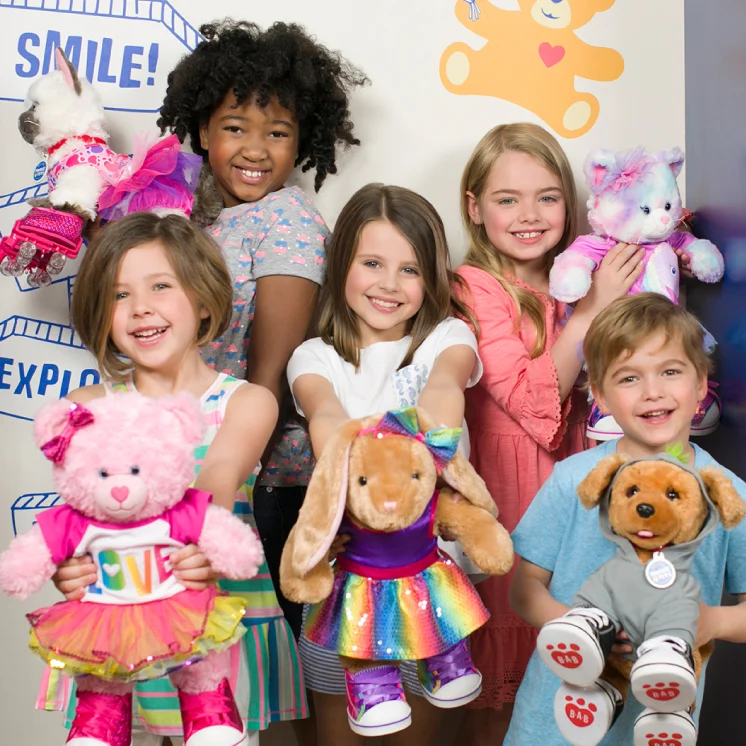
Strategic Spending: How to Maximize Value
While the costs can escalate quickly, there are several financial strategies that savvy consumers can use to mitigate the impact on their wallets. Navigating these promotions requires a bit of foresight and membership engagement.
The “Pay Your Age” Promotion and Rewards Programs
One of the most famous marketing campaigns in recent retail history is the “Pay Your Age” event. While the mass-chaos of the inaugural event led to changes, the concept lives on through the “Count Your Candles” program. Members of the Build-A-Bear Bonus Club can bring a child in during their birthday month to pay their age for a specific “Birthday Treat Bear.” For a three-year-old, this reduces the base cost of the bear to just $3.00.
Beyond birthdays, the Bonus Club is a traditional loyalty program where points translate into “Reward Certificates.” For every $100 spent, members typically receive a $10 credit. For frequent shoppers, this represents a 10% “cash back” equivalent on their purchases.
Seasonal Sales and Bundle Discounts
Build-A-Bear frequently runs “Buy One, Get One” (BOGO) sales on select plush or offers “bundle” pricing on their website. Online shoppers often have access to “web-exclusive” deals where a bear, outfit, and sound are packaged together at a 15–20% discount compared to in-store a la carte pricing. Additionally, purchasing gift cards through secondary markets or at warehouse clubs like Costco can provide an immediate 20% savings (e.g., buying $100 worth of gift cards for $79.99).
The Experience Economy: Is the Premium Worth the Price Tag?
When evaluating “how much it is to build a bear,” one must look beyond the physical goods and consider the “Experience Economy.” This economic theory suggests that businesses must orchestrate memorable events for their customers, and the memory itself becomes the product.
Cost-Benefit Analysis for Parents
From a purely utilitarian standpoint, a stuffed animal from a big-box retailer like Target or Walmart might cost $10.00 and offer similar physical quality. However, the $50.00 to $80.00 spent at Build-A-Bear is an investment in an activity. The process of choosing, stuffing, wishing upon a heart, and “bathing” the bear takes 30 to 60 minutes. For many parents, this is categorized not just as a “toy purchase” but as “entertainment spending,” similar to a movie ticket or a trip to an indoor playground. The psychological “Ikea Effect”—where consumers place a higher value on products they helped create—ensures that the child is more likely to form a long-term attachment to the toy, potentially extending its lifecycle and value.
Comparative Alternatives and DIY Options
For those who find the retail price point prohibitive, the “Build-A-Bear” experience has inspired a secondary market of DIY kits. Companies now sell “stuff-your-own” kits online that bypass the expensive storefront overhead. These kits often include the plush skin, stuffing, and a heart, usually at a 30–40% discount compared to the official brand. While you lose the in-store spectacle, the financial savings are significant for families with multiple children or those hosting bear-themed birthday parties.
Final Financial Considerations
The final price of building a bear is highly elastic. At the absolute minimum, a savvy shopper using a “Pay Your Age” voucher can walk out spending under $10.00. Conversely, a fan of a licensed franchise who wants the full array of sounds, scents, and accessories can easily spend over $100.00 on a single item.
To manage these costs effectively, it is recommended to:
- Set a “Hard Cap” Budget: Before entering the store, decide on a total dollar amount and communicate this to the child.
- Pre-Shop Online: Check the website to see the base prices of the characters currently in stock to avoid “sticker shock” at the bin.
- Audit the Accessories: Remind yourself (and your child) that clothes and accessories can be added later. This spreads the financial impact over several months rather than a single outing.
Ultimately, Build-A-Bear remains a premier example of how brands can command a premium price by turning a simple commodity into a personalized financial investment in a memory. By understanding the tiers of pricing and the mechanics of the upsell, consumers can enjoy the magic of the workshop without compromising their financial health.
aViewFromTheCave is a participant in the Amazon Services LLC Associates Program, an affiliate advertising program designed to provide a means for sites to earn advertising fees by advertising and linking to Amazon.com. Amazon, the Amazon logo, AmazonSupply, and the AmazonSupply logo are trademarks of Amazon.com, Inc. or its affiliates. As an Amazon Associate we earn affiliate commissions from qualifying purchases.