
The cost of a plane ticket is one of the most significant financial considerations for any traveler, often representing the largest single expense in a trip’s budget. Far from a fixed price, airfare is a notoriously volatile commodity, fluctuating based on an intricate web of economic factors, operational costs, market dynamics, and traveler behavior. Understanding “how much it is for a plane ticket” isn’t merely about checking a single price point; it’s about deciphering a complex financial equation that can vary wildly depending on when, where, and how you choose to fly.
This guide delves into the multifaceted financial landscape of air travel, helping you demystify ticket pricing, identify cost-saving strategies, and ultimately budget more effectively for your next journey. By understanding the underlying economic principles and practical financial levers, you can transform the daunting task of buying airfare into an opportunity for savvy financial planning.
The Dynamic Equation: Why Airfare Prices Are So Volatile
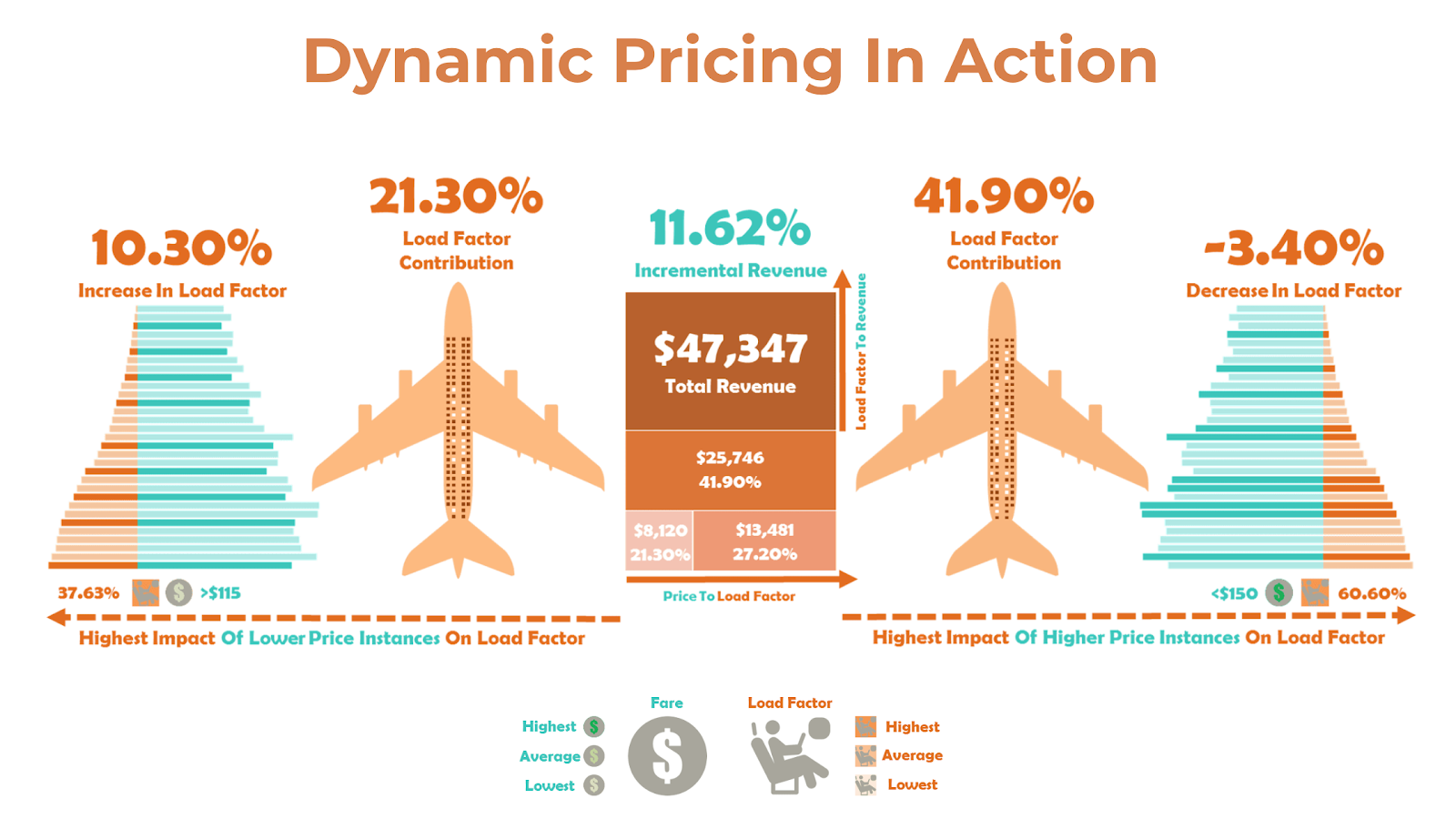
At its core, airfare pricing is a sophisticated exercise in demand forecasting and revenue management. Airlines employ advanced algorithms to optimize their financial returns, constantly adjusting prices in real-time based on a multitude of variables. This dynamic pricing model means that the price you see today might not be the price you see tomorrow, or even an hour from now.
Supply and Demand Fundamentals
The most basic economic principle governing airfare is supply and demand. Airlines have a fixed number of seats on any given flight (supply). When a route is popular, and many people want to fly on specific dates (high demand), prices tend to surge. Conversely, if a flight has many empty seats closer to departure, or if it’s an unpopular route during an off-peak season (low demand), prices may drop to entice more bookings. Peak travel seasons – holidays, summer vacations, major events – are prime examples of high-demand periods that invariably lead to higher prices. Business routes also experience demand spikes during weekdays, leading to distinct pricing patterns compared to leisure routes.
Operational Costs and Fuel Prices
A significant portion of an airline’s expenditure is tied to operational costs. Fuel is often the single largest variable cost, and global oil price fluctuations directly impact ticket prices. Other substantial costs include aircraft maintenance, crew salaries, airport landing fees, air traffic control services, insurance, and taxes. These fixed and variable costs must be covered by ticket sales. When any of these core expenses rise, airlines often pass a portion of those increases onto consumers through higher fares, especially on routes where they face less competition or during periods of high demand.
Competition and Market Strategy
The competitive landscape of a particular route plays a crucial role in pricing. On routes serviced by multiple airlines, competition can drive prices down as carriers vie for market share. Budget airlines, with their no-frills models and lower operating costs, have fundamentally reshaped the pricing structure on many routes, forcing legacy carriers to offer more competitive economy fares. Airlines also engage in complex pricing strategies, including fare sales, promotional offers, and bundling services, all designed to attract different segments of the market while maximizing overall revenue. Understanding an airline’s strategic positioning can often provide clues to potential savings.
Ancillary Revenue and “Hidden” Fees
Beyond the base ticket price, airlines increasingly rely on ancillary revenues – income generated from services beyond the fare itself. This includes fees for checked baggage, seat selection, in-flight meals, Wi-Fi, and priority boarding. While these fees might seem small individually, they can significantly inflate the total cost of your plane ticket, especially on budget carriers where the base fare is intentionally low. Savvy travelers must factor these potential additional costs into their initial budget, rather than being surprised at check-in, to get an accurate picture of the “true” price of their ticket.
Key Factors Influencing Your Personal Airfare Expense
While the broader economic forces dictate the general trend, several specific choices and circumstances directly impact how much you will pay for a plane ticket. Recognizing these variables allows for more informed decision-making and better financial outcomes.
Destination and Departure Point
The specific airports you fly from and to have a massive impact on price. Flying from a major international hub often offers more competitive pricing due to a higher volume of flights and greater competition among airlines. Conversely, flying from a smaller regional airport or to a less common destination might mean fewer direct options and potentially higher fares. Direct flights generally command a premium over flights with one or more layovers, which can offer significant savings for those willing to sacrifice convenience for a lower price.
Time of Booking: The “Sweet Spot”
There’s a widely debated “sweet spot” for booking flights. Generally, purchasing tickets too far in advance (e.g., more than six months out) can be more expensive, as airlines may not yet have fully optimized their pricing for future demand. Booking too close to the departure date (especially within two weeks) almost always results in higher prices, as these seats are often purchased by last-minute business travelers or those with urgent needs who are less price-sensitive. For international flights, the optimal window is often considered to be 2-8 months out, while domestic flights might see their best prices 1-3 months in advance. However, this is a guideline, not a strict rule, and market conditions can always lead to exceptions.
Travel Dates and Seasonality

Your chosen travel dates are perhaps the most influential factor. Flying during peak seasons (summer, major holidays like Christmas or Thanksgiving, school breaks) will almost always be more expensive due to heightened demand. Conversely, traveling during the “shoulder seasons” (spring and fall, outside of major holidays) or the true off-season can yield substantial savings. Even within a week, prices vary: flying on Tuesdays, Wednesdays, or Saturdays is often cheaper than flying on high-demand Fridays and Sundays. Red-eye flights (late night/early morning) can also be less expensive due to less desirable departure times.
Airline Choice and Class of Service
The airline you choose significantly impacts the price. Budget airlines like Ryanair, Spirit, or Allegiant offer incredibly low base fares but often charge extra for almost everything else. Full-service carriers like United, British Airways, or Lufthansa might have higher base fares but often include checked bags, meals, and entertainment. Furthermore, the class of service – Economy, Premium Economy, Business, or First Class – represents exponential increases in price, reflecting greater comfort, amenities, and service. Choosing the right balance between cost and desired amenities is a crucial financial decision.
Savvy Strategies for Budgeting and Saving on Airfare
Armed with an understanding of how prices are set, travelers can employ several financial strategies to reduce their airfare costs and maximize their travel budget.
Leverage Price Comparison Websites and Alerts
Aggregator websites like Google Flights, Skyscanner, Kayak, and Expedia are invaluable financial tools. They allow you to compare prices across multiple airlines and online travel agencies (OTAs) simultaneously, quickly identifying the lowest fares. Furthermore, setting up price alerts for specific routes and dates can notify you when fares drop, allowing you to snatch up a deal. These tools often have flexible search options, such as “fly anywhere” or “cheapest month,” which can be financially advantageous if your travel plans are adaptable.
Be Flexible with Dates and Destinations
Flexibility is your greatest financial asset when booking flights. If your travel dates can shift by a few days, you might uncover significantly cheaper fares. Similarly, being open to flying into or out of alternative, nearby airports can sometimes save you hundreds of dollars. Many search engines allow you to view a calendar of prices, making it easy to spot the cheapest days to fly. Exploring less popular destinations or traveling during the off-season are also excellent ways to stretch your budget further.
Utilize Loyalty Programs and Credit Card Rewards
For frequent flyers, loyalty programs (airline mileage programs) and travel-rewards credit cards can be powerful financial instruments. Accumulating points or miles through flights, everyday spending, or sign-up bonuses can eventually lead to “free” flights or significant discounts. Understanding the value of your points and strategically redeeming them can represent substantial savings. It’s crucial to evaluate annual fees and ensure the benefits outweigh the costs for any rewards credit card.
Strategic Booking Times
Beyond the “sweet spot” window, there are often specific times of the week when fares might be cheaper. Tuesdays are frequently cited as a good day to search for and book flights, as airlines often release new deals or match competitors’ prices early in the week. Flying during less popular hours, such as red-eyes or very early morning flights, can also be more economical. Clearing your browser’s cookies or using incognito mode when searching for flights is also a common, though debated, tactic to potentially avoid dynamic pricing based on your search history.
Factor In All Potential Costs
To truly understand “how much it is for a plane ticket,” you must look beyond the advertised base fare. Create a comprehensive financial checklist that includes:
- Baggage fees: Both checked and sometimes carry-on.
- Seat selection fees: If you want to guarantee a specific spot.
- In-flight services: Meals, Wi-Fi, entertainment.
- Airport transfers: Taxis, trains, buses to and from the airport.
- Travel insurance: A prudent investment to protect against unforeseen financial losses.
- Currency exchange fees: For international travel.
- Visa costs: If applicable to your destination.
Ignoring these ancillary costs can lead to significant budget overruns, making a seemingly cheap flight surprisingly expensive.
The Future of Airfare and Your Travel Budget
The financial landscape of air travel continues to evolve. Dynamic pricing algorithms are becoming even more sophisticated, using artificial intelligence to predict demand and adjust prices in real-time with greater precision. We may see an increase in personalized pricing, where fares are tailored based on your individual search history, loyalty status, or even predicted willingness to pay.
Sustainability surcharges are also an emerging financial factor. As the aviation industry grapples with its environmental impact, carbon offsetting programs and green fuel initiatives may lead to additional costs being passed on to consumers. Furthermore, subscription models or bundling of services, similar to how many digital products are sold today, could become more prevalent, offering travelers new ways to manage their flight expenses through fixed monthly payments or tiered packages.
Staying informed about these financial trends and continually refining your booking strategies will be essential for managing your travel budget effectively in the years to come. The financial decision of purchasing a plane ticket is no longer a simple transaction; it’s an ongoing exercise in economic awareness and strategic planning.
In conclusion, “how much is it for a plane ticket” is a question with no single answer, but rather a spectrum of financial possibilities. By understanding the intricate forces that shape airfare, from global fuel prices to individual booking habits, travelers can move beyond passive acceptance of high prices. With careful research, flexibility, and the smart application of financial strategies, you can significantly reduce your airfare expenses, making your travel dreams more financially accessible and enjoyable.
aViewFromTheCave is a participant in the Amazon Services LLC Associates Program, an affiliate advertising program designed to provide a means for sites to earn advertising fees by advertising and linking to Amazon.com. Amazon, the Amazon logo, AmazonSupply, and the AmazonSupply logo are trademarks of Amazon.com, Inc. or its affiliates. As an Amazon Associate we earn affiliate commissions from qualifying purchases.