
For most individuals, purchasing a car is one of the largest financial commitments they will make after a home. While the sticker price often grabs immediate attention, the interest rate on a car loan is arguably the most critical factor determining the true cost of your vehicle over its lifetime. An ostensibly small difference in interest percentage can translate into thousands of dollars in extra payments, significantly impacting your personal finances. Understanding how car loan interest rates are determined, what factors influence them, and how you can secure the best possible rate is essential for any savvy car buyer. This guide delves deep into the intricacies of car loan interest rates, equipping you with the knowledge to make informed decisions and drive away with confidence, not just a new car.

Understanding Car Loan Interest Rates
Before we dive into the specifics of how much you might pay, it’s crucial to establish a foundational understanding of what a car loan interest rate truly represents and why it holds such significance in your financial planning.
What is an Interest Rate?
At its core, an interest rate is the cost of borrowing money. When you take out a car loan, a lender provides you with a lump sum to purchase the vehicle. In return for this service, you agree to pay back the principal amount (the original loan amount) plus an additional percentage, which is the interest. This percentage is typically expressed as an Annual Percentage Rate (APR), which not only includes the interest rate itself but also any other fees associated with the loan, such as administrative charges. The APR provides a more holistic view of the total annual cost of borrowing compared to just the nominal interest rate. A higher APR means a higher overall cost for the same principal amount.
Why Do Interest Rates Matter?
The interest rate directly impacts two critical aspects of your car loan: your monthly payment and the total amount you will pay over the life of the loan. A lower interest rate means more of your monthly payment goes towards reducing the principal balance, leading to faster equity build-up and less money spent on interest charges. Conversely, a higher interest rate results in a larger portion of your payments being allocated to interest, extending the time it takes to pay down the principal and significantly increasing the overall cost of the vehicle. For instance, a $30,000 loan over 60 months at 3% APR might cost you around $2,370 in interest, whereas the same loan at 7% APR could cost upwards of $5,700 in interest – a difference of over $3,300. This disparity underscores why even a seemingly small percentage point can have substantial financial implications.
Key Factors Influencing Your Rate
Several variables converge to determine the interest rate you’ll be offered. These factors reflect the lender’s assessment of the risk involved in lending you money. Understanding them is the first step towards improving your bargaining position. The most prominent factors include your credit score, the loan term, the size of your down payment, the type of vehicle (new vs. used), and prevailing market conditions. Each of these plays a significant role in shaping the final percentage you’ll be quoted.
Dissecting the Factors That Shape Your Rate
To effectively navigate the car loan landscape, it’s vital to understand the intricate interplay of forces that dictate the interest rate you receive. These factors are not static and often depend on both your personal financial profile and broader economic conditions.
The Power of Your Credit Score
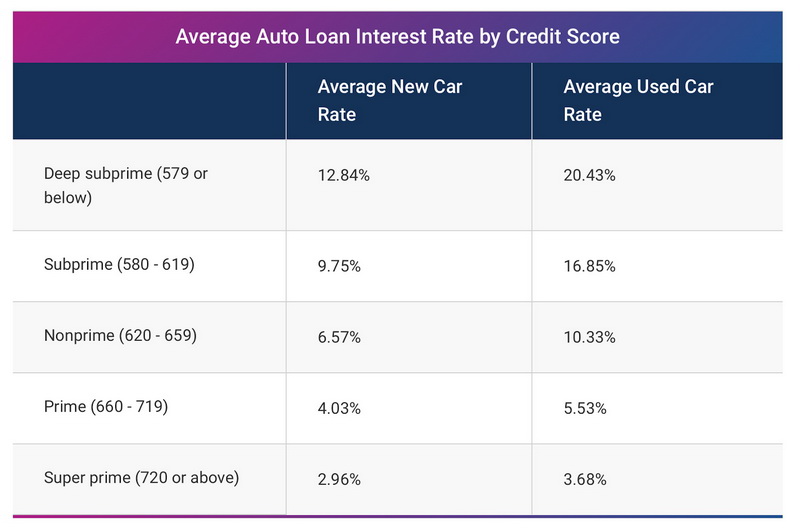
Your credit score is arguably the most influential factor in determining your car loan interest rate. It serves as a financial report card, indicating your past reliability in managing debt. Lenders use it to assess the likelihood that you will repay your loan. Generally, credit scores range from 300 to 850.
-
Excellent Credit (780-850): Borrowers in this tier typically qualify for the lowest available rates, often enjoying rates below 4-5% on new cars, and sometimes even lower with special promotions.
-
Good Credit (670-779): Most consumers fall into this category. You’ll still get competitive rates, likely in the 5-8% range, but may not access the absolute lowest offers.
-
Fair Credit (580-669): This tier signifies some credit challenges. Rates tend to be higher, potentially ranging from 9-15% or more, reflecting increased risk for the lender.
-
Poor Credit (300-579): Borrowers with poor credit face significant hurdles. Lenders may offer rates upwards of 15-25% or even decline the loan, if approved, it comes with substantial financial burden.
A higher credit score signals lower risk to lenders, making them more willing to offer preferential rates.
Loan Term: Short vs. Long
The loan term, or the length of time you have to repay the loan, also significantly impacts the interest rate. Common terms range from 24 to 84 months.
-
Shorter Terms (e.g., 36-48 months): These typically come with lower interest rates because the lender’s risk exposure is reduced over a shorter period. While your monthly payments will be higher, you’ll pay significantly less in total interest over the life of the loan.
-
Longer Terms (e.g., 72-84 months): Lenders perceive longer terms as higher risk because more can happen over an extended period that could affect your ability to repay. Consequently, they often assign higher interest rates. Although longer terms result in lower monthly payments, the total interest paid can be substantially greater, leading to a higher overall cost for the vehicle.
The Role of Your Down Payment
A substantial down payment works in your favor in multiple ways. Firstly, it reduces the principal amount you need to borrow, directly lowering the amount of interest you’ll accrue. Secondly, it signals to lenders that you are financially stable and have “skin in the game,” reducing their risk. This often translates into better interest rates. A 10-20% down payment is generally recommended. Putting down less than 10% (or nothing at all) usually results in higher interest rates, as the lender is taking on more risk and you’re more likely to be “upside down” on your loan (owing more than the car is worth) early on.
New vs. Used Vehicles
The type of vehicle you’re financing also plays a role.
-
New Cars: Generally command lower interest rates. This is because new cars hold their value better initially, are less prone to mechanical issues in the short term, and offer manufacturers incentives (like 0% APR deals) that are often unavailable for used cars.
-
Used Cars: Typically carry higher interest rates. Lenders view used cars as a higher risk due to their unknown history, potential for mechanical problems, and faster depreciation curve. The older the used car, the higher the rate might be.
Market Conditions and Lender Specifics
Beyond your personal profile, broader economic conditions and individual lender policies also influence rates.
-
Federal Reserve Interest Rates: The Federal Reserve’s monetary policy, particularly the federal funds rate, indirectly impacts the prime rate, which banks use as a basis for various loans. When the Fed raises rates, borrowing costs generally increase across the board, including for car loans.
-
Lender Competition: A competitive lending market can drive rates down as institutions vie for your business.
-
Lender Type: Different types of lenders (banks, credit unions, online lenders, dealership finance departments) have varying rate structures and risk appetites. Credit unions, for example, are often known for offering more favorable rates to their members.
Strategies to Secure a Better Car Loan Interest Rate
Armed with the knowledge of what influences interest rates, you can proactively implement strategies to improve your chances of securing the most favorable terms available. A little preparation can save you a lot of money.
Boost Your Credit Score
This is perhaps the most impactful step. Before you even start car shopping, check your credit report from all three major bureaus (Equifax, Experian, TransUnion) and dispute any errors. Pay down existing debts, especially credit card balances, to lower your credit utilization. Make all payments on time. Even a modest improvement in your score can move you into a better rate tier. Aim for at least a few months of diligent credit management before applying.
Shop Around for Lenders
Never accept the first offer, especially from a dealership. Instead, compare rates from multiple sources:
-
Traditional Banks: Your current bank might offer competitive rates or incentives for existing customers.
-
Credit Unions: Often have some of the lowest rates due to their non-profit status. Consider joining one if you’re eligible.
-
Online Lenders: Companies like LightStream, Capital One Auto Finance, and others specialize in online auto loans and can offer quick pre-approvals and competitive rates.
-
Dealership Financing: While convenient, dealerships typically act as intermediaries, often adding a markup to the interest rate they receive from their lending partners. However, they can sometimes offer special manufacturer-subsidized rates (e.g., 0% or very low APR) on new vehicles, which are hard to beat.
Apply to several lenders within a short timeframe (usually 14-45 days) to ensure the inquiries are grouped as a single “hard pull” on your credit, minimizing impact.

Make a Substantial Down Payment
As discussed, a larger down payment reduces the loan amount and the lender’s risk. Aim for at least 10%, but 20% or more is ideal, especially for used cars. This not only lowers your interest payments but also helps prevent you from being “upside down” on your loan, where you owe more than the car is worth.
Choose a Shorter Loan Term (If Feasible)
While a longer term means lower monthly payments, it invariably leads to higher overall interest costs. If your budget allows, opt for the shortest loan term you can comfortably afford. This strategy not only saves you money in interest but also allows you to pay off the vehicle faster, freeing up funds for other financial goals.
Get Pre-Approved
Obtaining a pre-approval from a bank or credit union before visiting a dealership provides you with a significant advantage. You’ll know your maximum loan amount and the actual interest rate you qualify for. This turns you into a cash buyer at the dealership, giving you leverage to negotiate the car price without being pressured into less favorable financing options. It also streamlines the purchasing process.
Consider a Co-signer (If Necessary)
If you have a limited or poor credit history, a co-signer with excellent credit can help you qualify for a loan or secure a much better interest rate. The co-signer assumes equal responsibility for the loan, so it’s a significant commitment for them. Ensure both parties understand the implications, as missed payments will negatively impact both credit scores.
Calculating and Comparing Your Car Loan Options
Once you start receiving offers, it’s crucial to understand how to compare them accurately and identify any potential pitfalls. The lowest monthly payment isn’t always the best deal.
Understanding the Annual Percentage Rate (APR)
Focus on the APR, not just the quoted interest rate. The APR is a standardized measure that includes the interest rate plus certain fees (like origination fees, if applicable). It provides the most accurate reflection of the total annual cost of borrowing. A loan with a slightly lower nominal interest rate but higher fees could end up having a higher APR than a loan with a slightly higher interest rate but no fees.
Using Online Loan Calculators
Before committing, use online car loan calculators to estimate your monthly payments and total interest paid for different scenarios (varying interest rates, loan terms, and down payments). Many reputable financial websites and lender sites offer these tools. They allow you to plug in different numbers and visualize the financial impact, helping you budget and compare offers side-by-side.
Analyzing the Loan Disclosure Form
When you’re presented with a loan offer, carefully read the entire loan disclosure form. This legally binding document outlines all the terms and conditions. Key items to scrutinize include:
-
APR: Confirm it matches the quoted rate.
-
Loan Amount: Ensure it’s correct.
-
Loan Term: Verify the number of months.
-
Total Payment Amount: This is the sum of all your monthly payments over the life of the loan, including principal and interest.
-
Total Interest Paid: This figure clearly shows how much extra you’ll pay beyond the car’s price.
-
Prepayment Penalties: Check if there are any fees for paying off the loan early. Most car loans do not have these, but it’s important to confirm.
Beware of Add-ons and Hidden Fees
Dealerships often try to sell you various add-ons and services when finalizing the loan, such as extended warranties, GAP insurance, paint protection, rust proofing, or credit life insurance. While some, like GAP insurance (which covers the difference between your car’s value and what you owe if it’s totaled), might be worthwhile for certain buyers, many others are high-profit items for the dealership. If you choose to add them, ensure they are items you genuinely need and that the cost is fair. Importantly, these add-ons are often rolled into your loan, increasing your principal, and thus, your interest payments. Scrutinize all line items and be prepared to politely decline anything you don’t want or need.
The Long-Term Impact and Responsible Borrowing
Securing a great interest rate is just the beginning. Responsible management of your car loan can have lasting positive effects on your financial health.
Refinancing Your Car Loan
If market rates drop, your credit score improves significantly after you’ve taken out the loan, or you initially secured a high-interest rate due to limited credit, refinancing could be a smart move. Refinancing involves taking out a new loan to pay off your existing car loan, ideally at a lower interest rate or with more favorable terms. This can reduce your monthly payments or the total interest paid. However, consider any fees associated with refinancing and ensure the new loan term doesn’t extend your repayment period unnecessarily.
Avoiding Upside-Down Loans
An upside-down (or “underwater”) loan occurs when you owe more on your car than its current market value. This is particularly common in the early years of a loan due to rapid depreciation, especially if you made a small down payment or chose a very long loan term. Being upside down can make it difficult to sell or trade in your car without paying out of pocket. A substantial down payment and a shorter loan term are the best defenses against this scenario.
Budgeting for Your Car Loan
Remember that the car loan payment is just one piece of the overall cost of car ownership. Your budget must also account for:
-
Car Insurance: Mandatory and can be a significant monthly expense.
-
Fuel Costs: Vary greatly depending on usage and gas prices.
-
Maintenance and Repairs: Regular servicing and unexpected fixes are inevitable.
-
Registration and Licensing Fees: Annual costs imposed by your state.
Factoring in all these expenses gives you a realistic picture of affordability, preventing financial strain down the road.
Making Extra Payments
If your financial situation allows, making extra payments on your car loan can significantly reduce the total interest you pay and shorten the loan term. Even small additional contributions each month can add up. Ensure your lender applies these extra payments directly to the principal balance, rather than advancing your due date or simply holding them. Check your loan agreement for any prepayment penalties, though most auto loans do not have them.
In conclusion, the interest rate on a car loan is a cornerstone of responsible vehicle ownership. By understanding the forces that shape it, diligently preparing your financial profile, and meticulously comparing offers, you can empower yourself to make a decision that aligns with your financial well-being. A lower interest rate doesn’t just save you money; it provides peace of mind and contributes positively to your broader financial journey. Drive smart, not just new.
aViewFromTheCave is a participant in the Amazon Services LLC Associates Program, an affiliate advertising program designed to provide a means for sites to earn advertising fees by advertising and linking to Amazon.com. Amazon, the Amazon logo, AmazonSupply, and the AmazonSupply logo are trademarks of Amazon.com, Inc. or its affiliates. As an Amazon Associate we earn affiliate commissions from qualifying purchases.