
Purchasing a new car is an exciting milestone, often representing a significant personal investment. Amidst the thrill of a pristine interior and the latest technological features, a crucial financial consideration frequently emerges: the cost of insuring your new vehicle. Far from a mere afterthought, car insurance is a mandatory and substantial component of car ownership, impacting your monthly budget and overall financial planning. Understanding “how much is insurance for a new car” goes beyond a simple number; it delves into a complex interplay of factors, choices, and strategies that dictate the final premium. For savvy consumers and those new to vehicle ownership, demystifying these costs is essential for making informed financial decisions and securing adequate protection without overspending. This article will break down the variables that influence new car insurance rates, explain why new cars often carry higher premiums, and offer actionable financial strategies to manage these expenses effectively within your personal finance framework.
Understanding the Core Factors Influencing New Car Insurance Costs
The price you pay for new car insurance is not arbitrary; it’s the result of an intricate risk assessment by insurance providers. Several key categories of factors contribute to this assessment, each carrying significant weight in determining your premium. Within the realm of personal finance, comprehending these drivers is the first step toward budgetary control.
Vehicle-Specific Characteristics
The car itself plays a primary role in its insurance cost. Insurers evaluate the vehicle’s potential for damage, its repair cost, and its attractiveness to thieves.
- Make, Model, and Year: A brand-new car, by definition, has a higher market value than a used one. This directly translates to higher replacement costs for the insurer in the event of a total loss, and consequently, higher premiums. Luxury vehicles, sports cars, and models with advanced, proprietary technology tend to be more expensive to insure due to higher repair costs and parts expenses. Conversely, models with a strong safety record and readily available, less expensive parts might command lower premiums.
- Safety Features: Modern cars are replete with safety innovations like automatic emergency braking, lane-keeping assist, adaptive cruise control, and multiple airbags. These features can reduce the likelihood and severity of accidents, potentially leading to discounts on certain coverage types (e.g., medical payments, personal injury protection). However, the sophistication of these systems can also make repairs more expensive if they are damaged, creating a delicate balance in premium calculation.
- Anti-Theft Devices: Factory-installed immobilizers, alarm systems, and tracking devices can deter theft, which is a significant risk for insurers. Vehicles equipped with these features often qualify for discounts on comprehensive coverage.
- Engine Size and Performance: Vehicles with powerful engines or those classified as high-performance often face higher premiums. This is due to the statistical correlation between such vehicles and higher speeds, increased accident risk, and more severe damage when accidents occur. From a financial perspective, these cars are considered a higher liability.
Driver-Specific Demographics
While the car is important, the person behind the wheel is arguably even more critical in assessing risk. Insurers analyze your personal profile to gauge your likelihood of filing a claim.
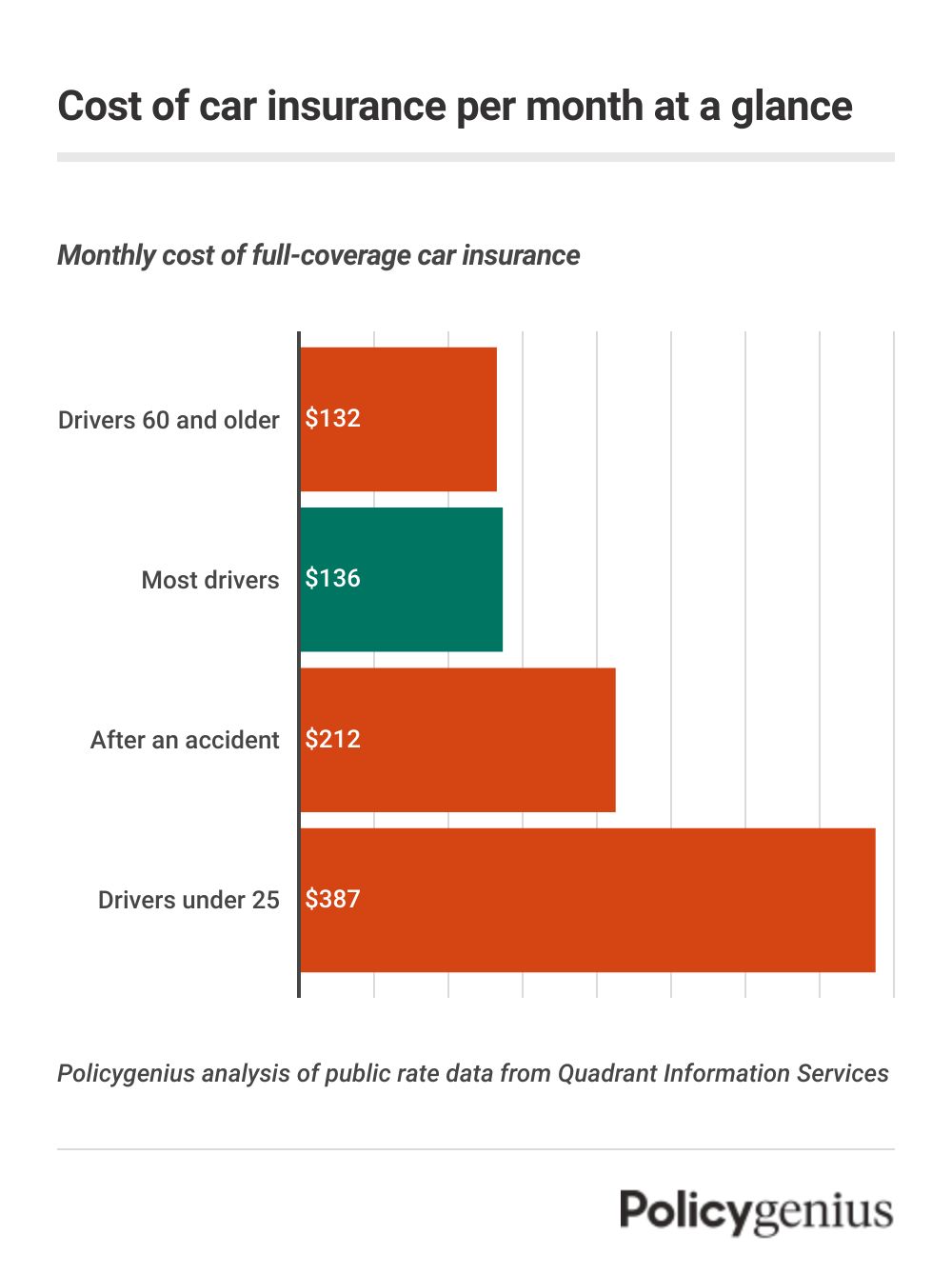
- Age and Driving Experience: Younger, less experienced drivers (especially those under 25) typically face the highest insurance rates. Statistics show this demographic is more prone to accidents. As drivers mature and gain a clean driving history, premiums generally decrease.
- Driving Record: A clean driving record is your most valuable asset when it comes to insurance costs. Prior accidents (especially at-fault), speeding tickets, and other moving violations signal higher risk to insurers and will almost certainly lead to increased premiums. Conversely, a history free of claims and infractions can earn you “good driver” discounts.
- Credit Score: In many states, your credit-based insurance score (which is related to, but not identical to, your regular credit score) is a significant factor. Insurers use this score as a predictor of how likely you are to file a claim. Generally, individuals with higher credit scores tend to pay lower premiums, highlighting the interconnectedness of various aspects of personal finance.
- Location: Where you live and park your car has a direct impact. Urban areas with higher traffic density, crime rates, and greater risk of theft or vandalism typically have higher premiums than rural areas. Even specific zip codes within the same city can have different rates based on localized accident statistics and crime data.
- Marital Status: Statistically, married drivers tend to have fewer accidents than single drivers, often leading to slightly lower insurance rates.
Policy Coverage Levels and Deductibles
Beyond the car and driver, the specific types and amounts of coverage you choose, along with your deductible, fundamentally shape your premium. This is where you have the most direct control over your financial outlay.
- Liability Coverage: This is the legally mandated minimum coverage in most states. It pays for damages and injuries you cause to other people and their property in an at-fault accident. While opting for minimum coverage might seem financially appealing, it leaves you vulnerable to out-of-pocket expenses if damages exceed your policy limits. From a financial planning perspective, choosing higher liability limits offers crucial protection for your assets.
- Collision Coverage: This pays for damage to your own vehicle resulting from a collision with another car or object, regardless of who is at fault. Since new cars have higher repair and replacement costs, collision coverage is particularly important and often contributes significantly to the total premium.
- Comprehensive Coverage: This protects your car from non-collision-related incidents, such as theft, vandalism, fire, natural disasters (hail, floods), and hitting an animal. Given the value of a new car, comprehensive coverage is almost always recommended and often required by lenders.
- Uninsured/Underinsured Motorist (UM/UIM) Coverage: This protects you if you’re involved in an accident with a driver who has no insurance or insufficient insurance to cover your damages and medical bills. This is a critical financial safeguard in an unpredictable world.
- Optional Add-ons: Many insurers offer additional coverages like rental car reimbursement, roadside assistance, and “new car replacement” or “gap insurance.” While these add to your premium, they can provide substantial financial relief in specific scenarios. GAP insurance, in particular, is highly relevant for new car buyers, covering the difference between your car’s actual cash value (what your standard collision policy pays) and the remaining balance on your loan or lease if the car is totaled.
- Deductibles: This is the amount you agree to pay out-of-pocket before your insurance coverage kicks in for collision and comprehensive claims. Choosing a higher deductible (e.g., $1,000 instead of $500) will lower your premium, but requires you to have more cash readily available if you need to file a claim. This is a classic financial trade-off between upfront costs and potential future expenses.
The Financial Imperative: Why New Cars Often Cost More to Insure
It’s a common observation that new cars generally cost more to insure than older, comparable models. This isn’t arbitrary; it’s rooted in several core financial realities that insurers must account for when assessing risk and setting premiums. Understanding these points allows you to better budget for and manage your new car’s ongoing expenses.
Higher Replacement Value
The most straightforward reason is the car’s initial purchase price. A new vehicle represents a substantial asset. In the event of a total loss (where repair costs exceed the car’s market value), the insurer is responsible for paying out the current market value or the agreed-upon value, which for a new car is significantly higher than for a depreciated older model. This higher potential payout directly translates to higher premiums for collision and comprehensive coverage. From a personal finance perspective, this higher value also means your financial exposure without adequate insurance is much greater.
Cost of Repairs for Advanced Technology
Modern new cars are technological marvels, packed with sophisticated sensors, cameras, radar systems, and computer modules that power everything from advanced driver-assistance systems (ADAS) to infotainment. While these technologies enhance safety and driving experience, they come at a cost in the repair shop. Even a minor fender bender can involve recalibrating or replacing expensive sensors embedded in bumpers, windshields, and side mirrors. The parts themselves are often proprietary and costly, and the specialized labor required for repairs can significantly drive up expenses. Insurers factor in these elevated repair costs when calculating premiums, recognizing the increased financial liability associated with fixing a high-tech new vehicle.
Depreciation and GAP Insurance
Cars begin to depreciate the moment they leave the dealership lot. This rapid initial depreciation can create a significant financial gap between what you owe on a car loan and what your standard collision and comprehensive insurance policy would pay out if the car is totaled. For instance, if you financed a $30,000 car and it’s totaled six months later, it might only be worth $25,000 to the insurer, while you still owe $28,000 on the loan. This $3,000 difference would come directly out of your pocket.
This is precisely where GAP (Guaranteed Asset Protection) insurance becomes a critical financial tool for new car buyers, particularly those who put down a small down payment or financed over a long term. While it adds to your premium, it’s a relatively inexpensive way to protect against a potentially devastating financial loss. Lenders often require it, or strongly recommend it, for financed new vehicles due to this inherent depreciation risk.
Financing Requirements
When you purchase a new car with a loan or lease, the financing institution has a vested interest in protecting its asset. Virtually all lenders will mandate that you carry full coverage insurance, meaning both collision and comprehensive coverage, with specific minimum liability limits. This requirement immediately increases your base insurance cost compared to what you might choose for an older, fully paid-off vehicle where you have more flexibility to opt for liability-only coverage. Understanding this lender-imposed requirement is crucial for accurate financial planning before you even drive off the lot.
Strategies to Financially Optimize Your New Car Insurance Premiums
While new car insurance can be a significant expense, there are numerous proactive financial strategies you can employ to minimize your premiums without compromising essential coverage. Smart shopping and leveraging available discounts are key components of effective personal finance management for vehicle owners.
Comparison Shopping Across Multiple Insurers
This is perhaps the most impactful financial strategy. Insurance rates can vary wildly between different providers for the exact same coverage. Simply accepting the first quote you receive or defaulting to your current insurer without exploring alternatives could cost you hundreds, if not thousands, of dollars annually.
- Gather Multiple Quotes: Obtain quotes from at least three to five different insurance companies. Utilize online comparison tools, contact independent insurance agents (who work with multiple insurers), and reach out directly to captive agents (who work for a single company).
- Ensure Apples-to-Apples Comparison: When comparing quotes, ensure that you are comparing identical coverage types, limits, and deductibles. A lower premium might simply indicate less coverage.
- Review Annually: Don’t set and forget. Your rates can change, and new discounts may become available. Make it a financial habit to review your policy and compare quotes every year or whenever a significant life event occurs (e.g., marriage, moving, purchasing a new car).
Bundling Policies and Multi-Car Discounts
Insurance companies often reward customers who bring more business to them. This can be a straightforward way to unlock significant savings.
- Home and Auto Bundling: If you own a home, bundling your home insurance and car insurance policies with the same provider can often result in a substantial discount on both. This is a common and effective strategy for maximizing savings.
- Multi-Car Discounts: If you’re insuring more than one vehicle in your household, many insurers offer discounts for placing all cars on the same policy.
- Other Bundles: Some insurers offer discounts for bundling other types of insurance, such as renters, motorcycle, or umbrella policies.
Leveraging Discounts
A wide array of discounts can significantly reduce your premium. Actively inquire about and ensure you’re receiving all applicable reductions.
- Good Driver/Claims-Free Discounts: Maintaining a clean driving record free of accidents and violations for a certain period (e.g., three to five years) can earn you substantial savings.
- Good Student Discounts: For younger drivers, maintaining good academic grades (typically a B average or higher) can qualify them for discounts.
- Safety Features and Anti-Theft Devices: As mentioned, factory-installed or aftermarket safety features (like advanced braking, stability control) and anti-theft devices (alarms, vehicle recovery systems) can reduce premiums.
- Low Mileage Discounts: If you don’t drive your new car much, some insurers offer discounts based on annual mileage.
- Telematics Programs: Many insurers offer programs where a device or app monitors your driving habits (speed, braking, mileage). Safe drivers can earn personalized discounts.
- Professional Affiliations: Membership in certain professional organizations, alumni associations, or employer groups might qualify you for exclusive discounts.
- Loyalty Discounts: Staying with the same insurer for several years can sometimes earn you a loyalty discount, though it’s crucial to still compare rates to ensure you’re not overpaying.
Adjusting Deductibles and Coverage Wisely
This is a balancing act between managing your upfront premium costs and your potential out-of-pocket expenses in the event of a claim.
- Higher Deductibles: Opting for a higher deductible (e.g., $1,000 or $2,500) on your collision and comprehensive coverage will lower your annual premium. However, you must be financially prepared to pay this higher amount yourself if you need to file a claim. This strategy is best for those with a robust emergency fund.
- Review Coverage Annually: As your car ages, its value depreciates. For an older car, you might consider dropping collision or comprehensive coverage if the annual premium outweighs the car’s current market value. For a new car, these coverages are essential, but you can still reassess liability limits as your financial situation or assets change.
- Consider Dropping Non-Essential Add-ons: While useful, rental car reimbursement or roadside assistance might be redundant if you have similar benefits through a credit card or auto club membership.
Choosing the Right Vehicle
The decisions you make before buying a new car significantly impact future insurance costs.
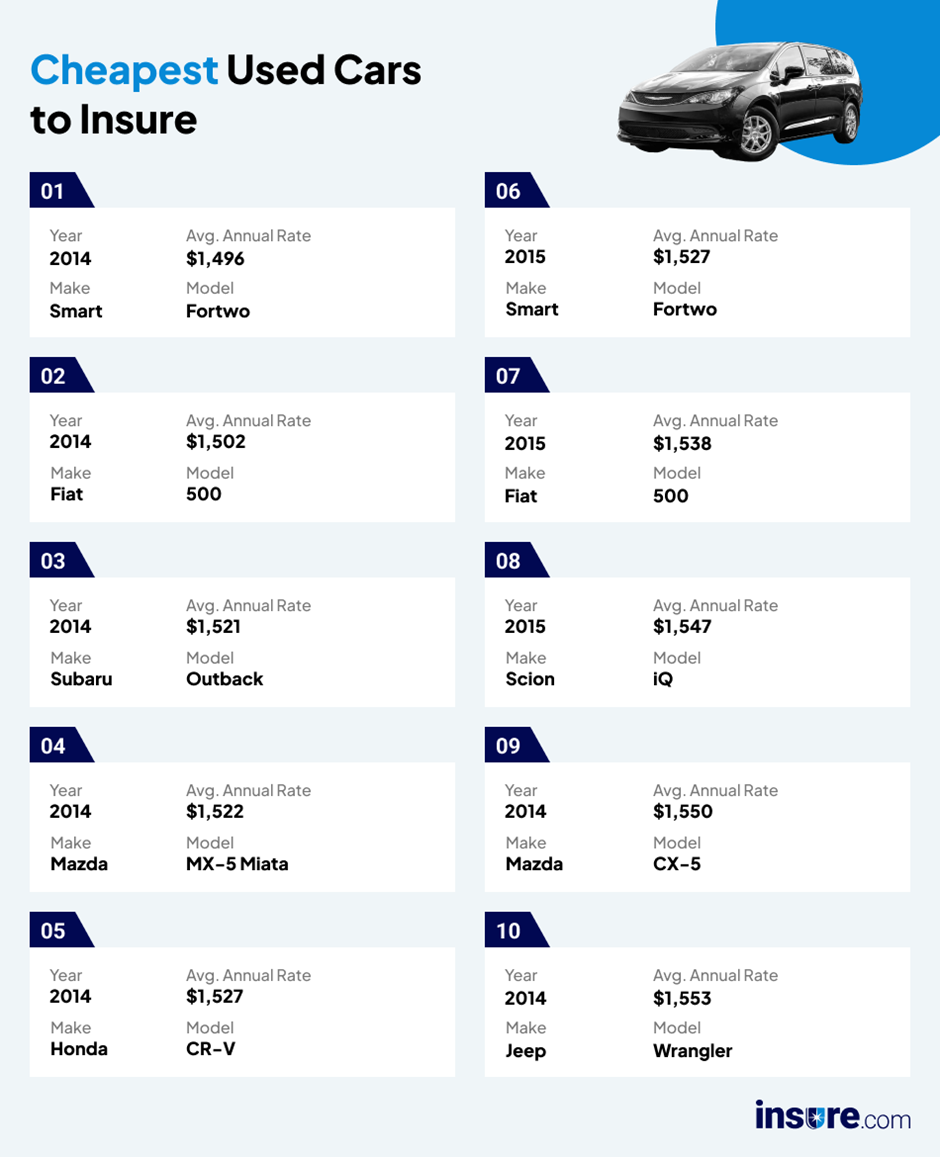
- Research Insurance Costs Before Buying: Before finalizing your purchase, get insurance quotes for specific models you’re considering. Some vehicles are simply cheaper to insure than others, even within the same class, due to their safety ratings, repair costs, and theft statistics.
- Consider Safety Ratings: Vehicles with top safety ratings often correlate with lower injury claims and potentially lower premiums.
- Avoid High-Risk Vehicles: Sports cars, certain luxury brands, and models that are statistically more frequently stolen or involved in accidents will almost invariably have higher insurance costs. Integrating insurance cost into your total cost of ownership calculation is a sound financial principle.
The Ongoing Financial Management of Car Insurance
Car insurance is not a one-time transaction; it’s an ongoing financial commitment that requires periodic review and management to ensure it continues to align with your needs and budget. Effective personal finance extends beyond initial purchase to continuous oversight.
Reviewing Your Policy Annually
Life circumstances, car value, and insurance rates are dynamic. Setting a calendar reminder to review your policy at least once a year, or whenever you renew, is a smart financial practice.
- Assess Coverage Needs: Have your assets increased, warranting higher liability limits? Has your driving record improved, making you eligible for new discounts?
- Check for New Discounts: Insurance companies frequently introduce new discounts. Proactively ask your agent or check online for any new savings you might qualify for.
- Compare Against Competitors: Even if you’re happy with your current insurer, quickly getting a few comparison quotes can confirm you’re still getting a competitive rate or alert you to potential savings elsewhere. This regular market check keeps your insurer honest.
Understanding Your Policy Documents
It’s easy to gloss over the fine print, but knowing the specifics of your coverage, limits, deductibles, and exclusions is paramount. This financial literacy empowers you to make informed decisions and prevents unwelcome surprises during a claim. Ensure you understand:
- What exactly is covered: For each type of coverage (liability, collision, comprehensive), know what events trigger a payout.
- Your limits: The maximum amount your insurer will pay for a covered loss.
- Your deductibles: The out-of-pocket amount you are responsible for.
- Exclusions: Specific situations or events that are not covered by your policy.
Impact of Claims on Future Premiums
While insurance is there to protect you, filing a claim (especially an at-fault accident claim) can significantly impact your future premiums. From a financial perspective, small, minor incidents where the damage is less than or slightly above your deductible might sometimes be cheaper to pay out-of-pocket to avoid a premium hike. However, for major incidents, never hesitate to use your insurance. This decision requires a careful cost-benefit analysis.
Budgeting for Insurance Costs
Car insurance should be a regular line item in your personal budget, just like your car payment, fuel, and maintenance. Integrating this cost into your overall financial plan ensures you’re fully prepared for the ongoing expenses of new car ownership. Consider:
- Monthly vs. Annual Payments: Paying your premium annually can sometimes result in a small discount compared to monthly installments. If you can afford it, this is a minor but effective savings strategy.
- Emergency Fund: Maintaining an emergency fund that can cover your deductibles, particularly if you’ve chosen higher ones, is crucial for financial resilience.
In conclusion, understanding “how much is insurance for a new car” is a multifaceted financial exploration. It hinges on the specific vehicle, your personal driving profile, and the strategic choices you make regarding coverage and deductibles. While new cars often command higher premiums due to their value and advanced technology, a proactive approach to comparison shopping, leveraging discounts, and ongoing policy review can significantly mitigate these costs. By integrating these financial strategies, you can ensure your new vehicle is not only a source of joy but also a responsibly managed asset within your broader personal finance framework, providing essential protection without undue financial strain.
aViewFromTheCave is a participant in the Amazon Services LLC Associates Program, an affiliate advertising program designed to provide a means for sites to earn advertising fees by advertising and linking to Amazon.com. Amazon, the Amazon logo, AmazonSupply, and the AmazonSupply logo are trademarks of Amazon.com, Inc. or its affiliates. As an Amazon Associate we earn affiliate commissions from qualifying purchases.