
In an increasingly complex world, securing adequate healthcare coverage stands as a cornerstone of personal financial stability and peace of mind. For millions, individual health insurance is not merely a policy; it’s a critical safety net against unforeseen medical emergencies, a pathway to preventative care, and an essential component of long-term financial planning. Yet, the question that frequently arises, often fraught with apprehension, is: “How much does individual health insurance actually cost?”
The answer, unfortunately, is rarely simple. Unlike a fixed-price commodity, individual health insurance premiums are a dynamic variable, influenced by a multitude of factors ranging from personal demographics and geographical location to the specific type and level of coverage desired. Understanding these underlying components is the first crucial step in demystifying the price tag of personal healthcare and empowering consumers to make informed decisions that align with both their health needs and their financial realities. This comprehensive guide will dissect the various elements that determine the cost of individual health insurance, explore different plan options, highlight strategies for affordability, and ultimately underscore the invaluable protection that this essential investment provides.
Understanding the Core Factors Influencing Individual Health Insurance Costs
The cost of individual health insurance is not arbitrarily determined; it’s the result of a sophisticated actuarial assessment that weighs various risk factors and market dynamics. Deciphering these core influences is paramount to grasping why premiums vary so widely from one individual to another.
Age and Location: The Primary Determinants
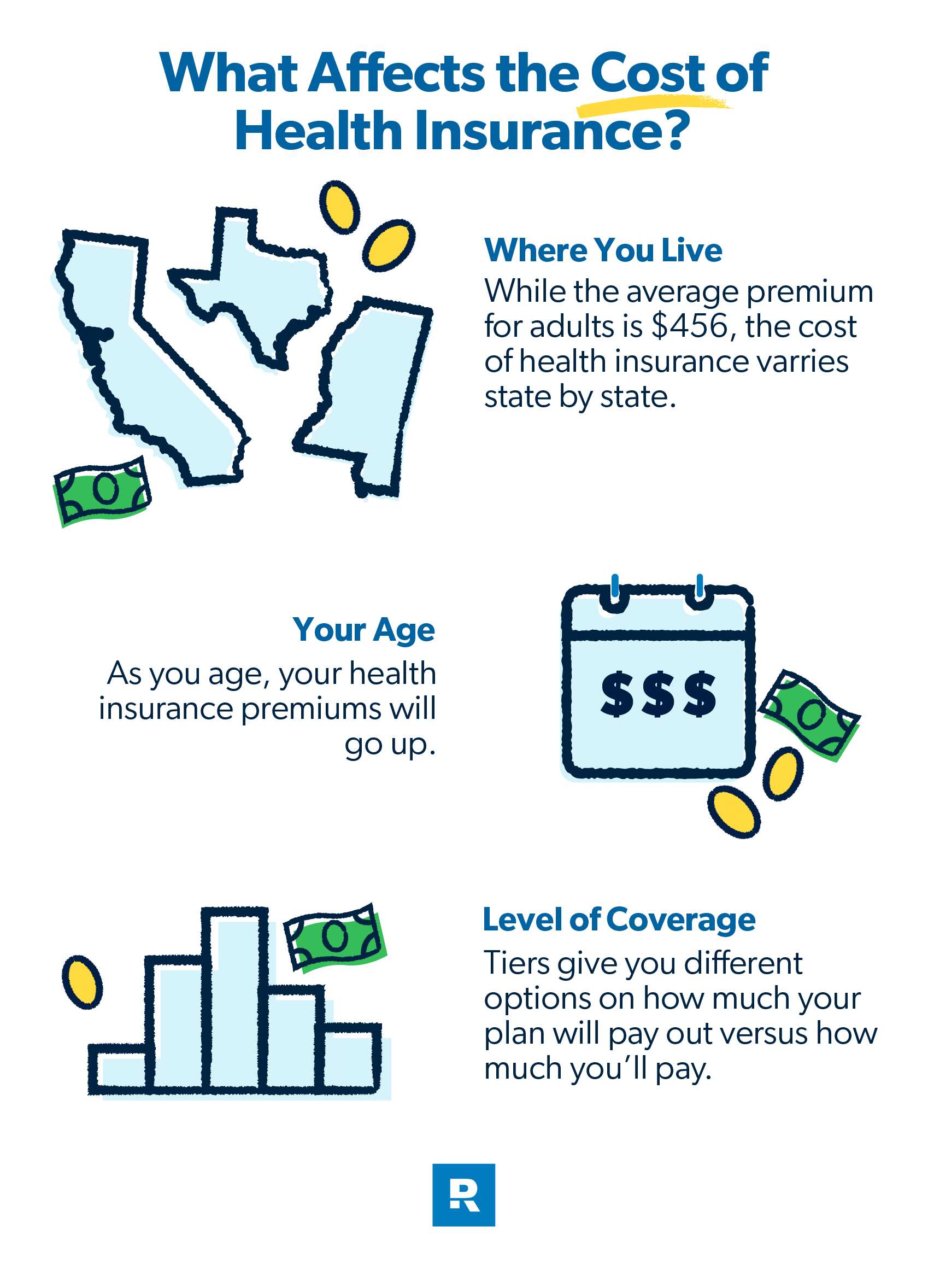
Perhaps the two most significant factors impacting your health insurance premium are your age and where you live. Older individuals typically face higher premiums because, statistically, they are more likely to require medical care. Under the Affordable Care Act (ACA), insurers can charge older adults up to three times more than younger individuals for the same plan, a practice known as “age-banded” rating. Similarly, geographical location plays a crucial role. Healthcare costs, competition among insurers, state regulations, and local medical service utilization rates all differ significantly from one state, and even one county, to another. A robust network of hospitals and specialists in a metropolitan area, for instance, might correlate with higher premiums compared to a rural region with fewer providers.
Plan Type and Coverage Level: A Spectrum of Choices
The breadth and depth of your coverage directly correlate with your premium. Health Maintenance Organizations (HMOs), Preferred Provider Organizations (PPOs), Exclusive Provider Organizations (EPOs), and Point of Service (POS) plans each come with different rules regarding network access, referrals, and out-of-network coverage, influencing their respective costs. Beyond the plan type, the level of coverage—often categorized as Bronze, Silver, Gold, or Platinum—dictates how much the insurer pays versus how much you pay out-of-pocket for services. Plans with higher deductibles, co-pays, and co-insurance (meaning you pay more out-of-pocket before the insurer contributes significantly) typically have lower monthly premiums. Conversely, plans with lower out-of-pocket costs will command higher premiums.
Tobacco Use and Health Status (Where Applicable)
While the ACA largely prohibits insurers from denying coverage or charging more based on pre-existing health conditions, it does permit them to charge tobacco users a surcharge, often referred to as a tobacco use rating. This surcharge can increase premiums by up to 50% in some states, reflecting the higher health risks associated with smoking. Beyond tobacco use, other health status indicators are not typically used to set individual market premiums, ensuring that those with chronic conditions are not penalized for their health history.
Provider Network and Drug Formularies
The scope and size of a plan’s provider network—the group of doctors, hospitals, and specialists that have contracted with the insurer—can also affect premiums. Plans with extensive networks, particularly those including leading medical centers and specialists, often come with higher costs. Similarly, the plan’s drug formulary, which is its list of covered prescription medications, can influence the premium. Plans that cover a broader range of brand-name and specialty drugs may have higher premiums than those with more restrictive formularies.
Decoding the Different Tiers of Health Insurance Plans
The individual health insurance marketplace, predominantly facilitated by state and federal exchanges, categorizes plans into distinct metallic tiers: Bronze, Silver, Gold, and Platinum. These tiers are defined by their “actuarial value,” which represents the average percentage of healthcare costs the plan is expected to cover for a standard population. Understanding these tiers is crucial for selecting a plan that balances monthly premiums with out-of-pocket costs for medical care.
Bronze Plans: Balancing Affordability with High Deductibles
Bronze plans boast the lowest monthly premiums, making them the most affordable option upfront. However, they also come with the highest deductibles and out-of-pocket maximums. Typically, Bronze plans cover around 60% of average healthcare costs, meaning you’ll pay 40% out-of-pocket for covered services after your deductible is met. These plans are best suited for individuals who are generally healthy, rarely visit the doctor, and want protection against catastrophic medical events without paying high monthly fees. While preventative services are covered before the deductible, significant medical expenses will require substantial out-of-pocket spending until the deductible is satisfied.
Silver Plans: The Sweet Spot for Subsidies and Moderate Coverage
Silver plans strike a balance between affordability and comprehensive coverage. They cover approximately 70% of average healthcare costs, offering moderate monthly premiums and moderate deductibles. For many, Silver plans represent the “sweet spot,” particularly because they are the only plans eligible for Cost-Sharing Reductions (CSRs). CSRs are government subsidies that lower your deductibles, co-payments, and co-insurance, significantly reducing your out-of-pocket costs if your income falls within a certain range. This makes Silver plans exceptionally attractive for individuals and families who qualify for financial assistance and anticipate needing some medical care throughout the year.
Gold Plans: Comprehensive Coverage for Predictable Healthcare Needs
Gold plans feature higher monthly premiums than Bronze and Silver plans but offer lower deductibles and out-of-pocket maximums. They are designed to cover around 80% of average healthcare costs, making them a good choice for individuals who expect to use their health insurance regularly or have chronic conditions that require frequent medical attention, prescriptions, or specialist visits. With a Gold plan, you pay more upfront each month, but you’ll pay less each time you access medical services, providing more predictable costs throughout the year.
Platinum Plans: Premium Protection for Extensive Healthcare Services
Platinum plans represent the highest tier of coverage, with the highest monthly premiums and the lowest deductibles and out-of-pocket maximums. These plans are designed to cover approximately 90% of average healthcare costs. Platinum plans are ideal for individuals who anticipate needing extensive medical care, frequent doctor visits, or expensive prescription medications. While the monthly cost is substantial, these plans offer maximum financial protection, ensuring minimal out-of-pocket expenses when medical services are rendered. They provide the ultimate peace of mind for those who value comprehensive coverage and predictable, low costs at the point of service.
Exploring Avenues for Reducing Your Health Insurance Costs
While health insurance can be a significant expense, there are several strategic approaches and government programs designed to make coverage more affordable. Understanding these options can substantially reduce your monthly premiums and overall healthcare spending.
Government Subsidies: Tax Credits and Cost-Sharing Reductions
The most impactful way to reduce individual health insurance costs for many Americans is through government subsidies available via the ACA marketplace. Premium Tax Credits (PTCs) are income-based subsidies that lower your monthly premium directly. These credits are paid directly to your insurer, reducing your out-of-pocket premium payment. Additionally, if your income is below a certain threshold, you may qualify for Cost-Sharing Reductions (CSRs). CSRs only apply to Silver plans and reduce your deductibles, co-pays, and co-insurance, effectively making a Silver plan act more like a Gold or even Platinum plan in terms of out-of-pocket costs. It’s crucial to check your eligibility for these subsidies when shopping for plans.
High-Deductible Health Plans (HDHPs) Paired with HSAs

High-Deductible Health Plans (HDHPs) typically offer lower monthly premiums in exchange for higher deductibles. For individuals who are generally healthy and anticipate minimal medical needs, an HDHP can be a cost-effective choice. Critically, if an HDHP meets specific IRS requirements, it can be paired with a Health Savings Account (HSA). HSAs are tax-advantaged savings accounts that allow you to contribute pre-tax dollars, which can then grow tax-free and be withdrawn tax-free for qualified medical expenses. This combination not only provides lower premiums but also offers a powerful, tax-efficient way to save for future healthcare costs.
Employer-Sponsored vs. Individual Market: Weighing Your Options
If you have access to an employer-sponsored health plan, it’s generally more cost-effective than an individual plan. Employers typically contribute a significant portion of the premium, making group coverage more affordable. However, if employer coverage is unavailable, too expensive, or doesn’t meet your needs, the individual marketplace becomes your primary option. Before dismissing employer coverage, always compare its cost and benefits against what you could find on the marketplace, factoring in any potential subsidies you might qualify for.
Exploring Short-Term Health Insurance (with caveats)
For those facing a temporary gap in coverage or needing immediate, limited protection, short-term health insurance plans can be an option. These plans typically have significantly lower premiums than ACA-compliant plans. However, they are not regulated by the ACA, meaning they don’t have to cover essential health benefits (like maternity care or mental health services), can deny coverage for pre-existing conditions, and have caps on benefits. They are not a substitute for comprehensive, long-term health insurance and should only be considered as a very temporary solution.
Comparison Shopping and Annual Re-evaluation
One of the simplest yet most effective ways to manage costs is through diligent comparison shopping. Utilize the official health insurance marketplaces (healthcare.gov or your state exchange) to compare plans side-by-side. Look beyond just the premium; consider deductibles, co-pays, co-insurance, out-of-pocket maximums, and network restrictions. Furthermore, always re-evaluate your plan annually during the Open Enrollment Period. Plans and prices change, and your health needs or financial situation may have shifted, making a different plan more suitable or affordable.
Beyond the Premium: Understanding Total Out-of-Pocket Expenses
When assessing the true cost of individual health insurance, it’s crucial to look beyond the monthly premium. The total financial impact of your healthcare coverage includes various out-of-pocket expenses that come into play when you actually utilize medical services. These components significantly influence your overall financial liability throughout the year.
Deductibles: Your Initial Contribution
A deductible is the amount of money you must pay out of pocket for covered healthcare services before your health insurance plan starts to pay. For example, if your plan has a $5,000 deductible, you would be responsible for the first $5,000 in covered medical expenses (excluding preventative care, which is typically covered before the deductible) before your insurer begins to contribute. Plans with lower monthly premiums typically come with higher deductibles, while plans with higher premiums usually have lower deductibles.
Co-payments and Co-insurance: Shared Costs for Services
Once your deductible has been met, you’ll typically still be responsible for a portion of the cost of services through co-payments and co-insurance. A co-payment (co-pay) is a fixed amount you pay for a covered healthcare service, such as a doctor’s office visit or a prescription drug, after your deductible is met (or sometimes before, depending on the service). Co-insurance is a percentage of the cost of a covered healthcare service that you pay after you’ve met your deductible. For instance, if your co-insurance is 20% and a service costs $100, you would pay $20, and your insurer would pay $80.
Out-of-Pocket Maximums: Your Financial Safety Net
The out-of-pocket maximum (or limit) is perhaps the most critical component for financial protection. This is the absolute maximum amount you will have to pay for covered healthcare services in a policy year. Once you reach this limit through your deductibles, co-payments, and co-insurance payments, your insurance plan will pay 100% of the cost of all covered benefits for the remainder of the policy year. This financial safety net prevents catastrophic medical bills from bankrupting individuals, providing a crucial ceiling on annual healthcare spending.
The Hidden Costs: Uncovered Services and Surprise Bills
Even with comprehensive insurance, vigilance is necessary. Be aware of services not covered by your plan, or out-of-network providers who may send “surprise bills” even if the facility was in-network. While recent legislation aims to mitigate surprise billing, it remains a concern. Always verify coverage and provider network status before receiving non-emergency care to avoid unexpected expenses.
The Value Proposition: Why Individual Health Insurance is an Essential Investment
Beyond the immediate costs and complexities, individual health insurance stands as an indispensable investment in one’s overall well-being and financial future. Its value far transcends the monthly premium, offering critical protections and benefits that are invaluable in today’s healthcare landscape.
Protection Against Catastrophic Financial Ruin
Without health insurance, a severe illness, accident, or chronic condition can lead to medical bills totaling tens or even hundreds of thousands of dollars. Such overwhelming debt can quickly lead to bankruptcy, destroy credit scores, and undermine years of financial planning. Individual health insurance acts as a robust shield, absorbing the vast majority of these costs once deductibles and out-of-pocket maximums are met, thereby safeguarding your assets and financial solvency.
Access to Preventative Care and Early Intervention
ACA-compliant health insurance plans cover a wide range of preventative services—such as annual check-ups, screenings for various diseases, and immunizations—at no additional cost, even before you’ve met your deductible. These services are crucial for detecting health issues early, often when they are more treatable and less costly. Investing in insurance is, in essence, an investment in proactive health management, leading to better long-term health outcomes and potentially avoiding more expensive treatments down the line.
Peace of Mind and Health Security
Perhaps the most intangible yet profound benefit of individual health insurance is the peace of mind it offers. Knowing that you and your family are covered in the event of illness or injury alleviates significant stress and anxiety. It empowers you to seek necessary medical attention without the constant worry of crippling financial consequences. This health security allows individuals to focus on their recovery and well-being, rather than being consumed by concerns over unaffordable medical bills.

Conclusion
Determining “how much individual health insurance is” involves a thorough understanding of an intricate web of factors, from personal attributes and plan choices to government subsidies and the critical components of out-of-pocket spending. While the monthly premium is the most visible cost, a holistic view encompassing deductibles, co-pays, co-insurance, and the out-of-pocket maximum is essential for accurately budgeting for healthcare.
Navigating this landscape can seem daunting, but by leveraging resources like the ACA marketplace, exploring subsidy eligibility, and carefully comparing plan tiers, individuals can find coverage that offers both financial protection and access to quality care. Ultimately, individual health insurance is far more than a recurring expense; it is a foundational investment in your health, your financial stability, and your peace of mind, providing an invaluable safeguard against the unpredictable nature of health and illness. Taking the time to understand its costs and benefits is an empowering step toward securing a healthier and more financially secure future.
aViewFromTheCave is a participant in the Amazon Services LLC Associates Program, an affiliate advertising program designed to provide a means for sites to earn advertising fees by advertising and linking to Amazon.com. Amazon, the Amazon logo, AmazonSupply, and the AmazonSupply logo are trademarks of Amazon.com, Inc. or its affiliates. As an Amazon Associate we earn affiliate commissions from qualifying purchases.