
Navigating the landscape of healthcare can be daunting, and for individuals, families, and small business owners who don’t receive health insurance through an employer, understanding the cost of independent health insurance is a critical financial puzzle. Independent health insurance, often referred to as individual or marketplace health insurance, refers to coverage purchased directly from an insurance company or through a government exchange established by the Affordable Care Act (ACA). Unlike employer-sponsored plans where a significant portion of the premium is typically covered by the company, individuals buying independent plans bear the full cost, albeit with potential government subsidies.
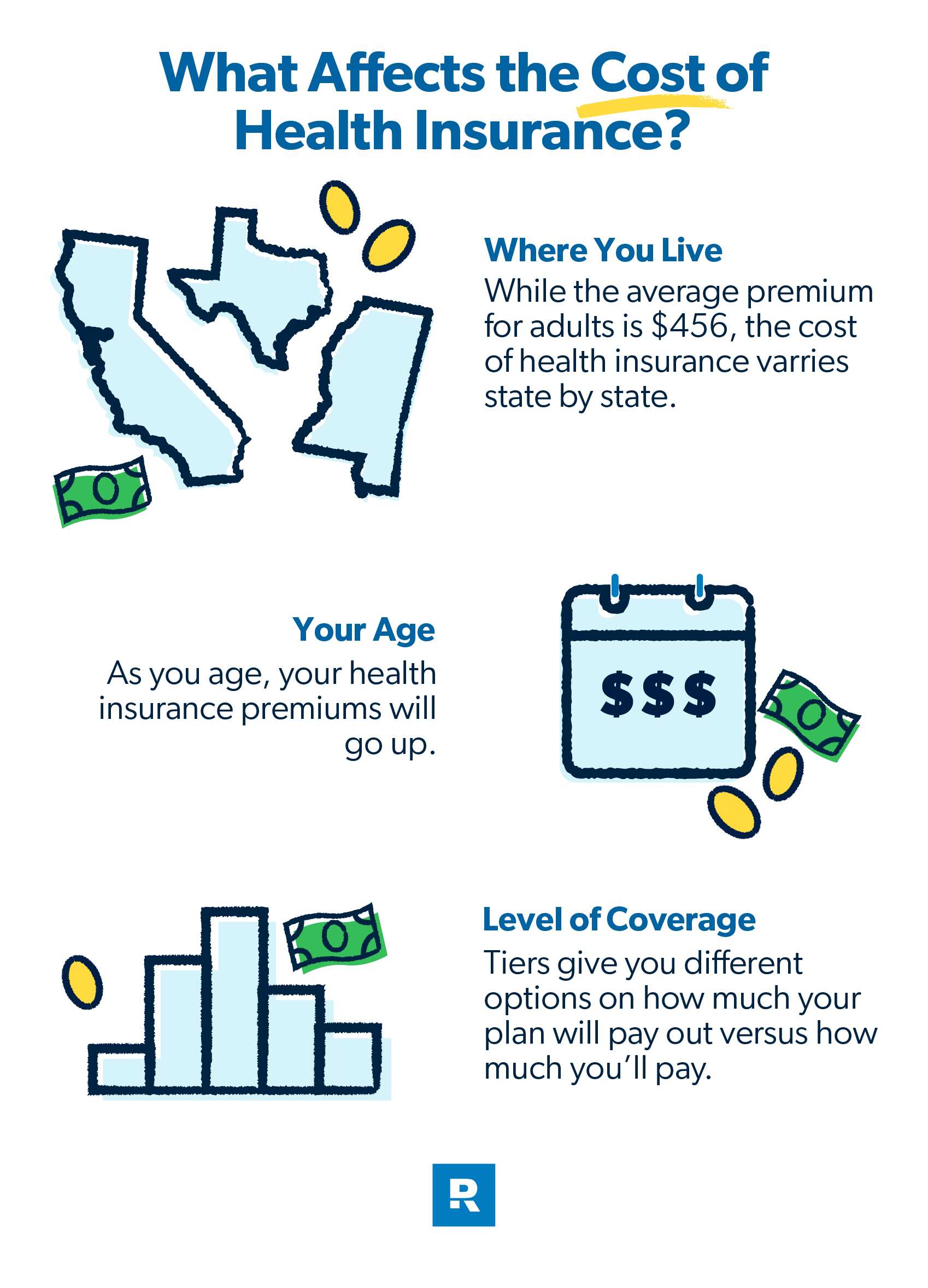
The question “how much is independent health insurance?” doesn’t have a single, straightforward answer. It’s akin to asking “how much does a car cost?” – the price varies wildly based on numerous factors. The average unsubsidized monthly premium for an individual bronze plan in 2024 might range from $300 to $500, while a silver plan could be $400 to $700, and a gold plan potentially $500 to $900 or more. However, these figures are highly generalized. Real costs are influenced by a complex interplay of demographic data, geographic location, plan structure, and personal health choices. Understanding these variables is crucial for anyone seeking to make an informed financial decision about their healthcare coverage. This article will delve into the critical factors that dictate the price of independent health insurance, how to navigate the purchasing process, and strategies to manage these significant financial outlays.
Deciphering the Cost Determinants of Independent Health Insurance
The premium you pay for independent health insurance is not a fixed national rate but rather a highly individualized figure. Several key factors, often regulated by federal and state laws, play a significant role in determining your monthly expense. Understanding these levers is the first step toward accurately estimating your potential costs.
Age, Location, and Tobacco Use
Three primary demographic factors permitted by the ACA to influence premiums are age, geographic location, and tobacco use.
-
Age: Generally, older individuals face higher premiums because they are statistically more likely to require medical care. The ACA limits how much older adults can be charged compared to younger adults, typically a 3:1 ratio for the oldest compared to the youngest adults. However, this still means a substantial difference in cost as you age. For instance, a 60-year-old might pay three times more than a 20-year-old for the same plan in the same area.
-
Geographic Location: Where you live dramatically impacts your premiums. Insurance companies price plans based on the cost of healthcare services in your specific area, the number of competitors, local regulations, and the overall health of the population. Urban areas with higher costs of living and more specialized medical facilities often have higher premiums than rural areas. Even within the same state, premiums can vary significantly by county or zip code.
-
Tobacco Use: Insurers are allowed to charge tobacco users up to 50% more than non-tobacco users. This surcharge is a financial incentive to encourage healthier lifestyle choices and reflects the increased health risks associated with smoking.
Plan Type, Deductibles, and Cost-Sharing
Beyond personal demographics, the structure of the insurance plan itself is a major cost driver.
-
Plan Type: Health insurance plans come in various forms, each with a different network structure and cost implications.
-
HMO (Health Maintenance Organization): Typically has lower premiums but requires you to choose a primary care physician (PCP) within the network who then refers you to specialists. Out-of-network care is generally not covered, except in emergencies.
-
PPO (Preferred Provider Organization): Offers more flexibility, allowing you to see any doctor or specialist without a referral, both in and out of network, though out-of-network care costs more. PPOs usually have higher premiums than HMOs.
-
EPO (Exclusive Provider Organization): Similar to a PPO but generally doesn’t cover out-of-network care except in emergencies, often at a lower premium than PPOs.
-
POS (Point of Service): A hybrid plan that combines aspects of HMO and PPO plans, offering both in-network and out-of-network options with varying cost-sharing.
-
HDHP (High-Deductible Health Plan): Features higher deductibles in exchange for lower monthly premiums. These are often paired with Health Savings Accounts (HSAs), allowing individuals to save and pay for qualified medical expenses with tax-advantaged dollars.
-
-
Deductibles, Copayments, and Coinsurance: These are forms of cost-sharing that determine how much you pay out-of-pocket before your insurance begins to cover costs fully.
-
Deductible: The amount you must pay for covered healthcare services before your insurance plan starts to pay. Plans with higher deductibles typically have lower monthly premiums.
-
Copayment (Copay): A fixed amount you pay for a covered healthcare service after you’ve paid your deductible. For example, a $30 copay for a doctor’s visit.
-
Coinsurance: Your share of the cost of a healthcare service, calculated as a percentage (e.g., 20%) of the allowed amount for the service after you’ve met your deductible.
Plans with lower deductibles, copays, and coinsurance (meaning you pay less out-of-pocket for care) generally have higher monthly premiums. The balance between premiums and out-of-pocket costs is a crucial financial decision.
-
The Role of the Affordable Care Act (ACA) and Subsidies
The ACA, often called Obamacare, fundamentally reshaped the individual health insurance market in the United States. A core component of the ACA is the establishment of Health Insurance Marketplaces (or Exchanges), where individuals can shop for plans and, critically, access financial assistance to make coverage more affordable.
Understanding Premium Tax Credits and Cost-Sharing Reductions
Many individuals don’t pay the full sticker price for independent health insurance thanks to ACA subsidies. These come in two main forms:
-
Premium Tax Credits (PTCs): These are refundable credits that lower your monthly premium for health insurance coverage purchased through the Marketplace. Eligibility for PTCs is based on your household income relative to the federal poverty level (FPL). Under current law, individuals and families earning between 100% and 400% (or even above 400% depending on certain factors) of the FPL may qualify. The amount of the credit is designed to cap your premium contributions at a certain percentage of your income for a benchmark “Silver” plan. You can choose to apply these credits directly to your monthly premium, reducing your out-of-pocket cost each month, or claim them when you file your taxes.
-
Cost-Sharing Reductions (CSRs): These are additional discounts that lower the amount you have to pay for deductibles, copayments, and coinsurance. CSRs are available only if you enroll in a Silver plan and your household income is between 100% and 250% of the FPL. These reductions effectively transform a standard Silver plan into a “super Silver” plan with significantly better cost-sharing benefits for a similar premium.
These subsidies are vital for making independent health insurance financially accessible to millions. Without them, the unsubsidized costs would be prohibitive for many, leading to a much higher rate of uninsured individuals. It’s crucial to estimate your expected income accurately when applying for coverage to ensure you receive the correct amount of financial assistance and avoid potential tax reconciliation issues.
Navigating the Health Insurance Marketplace

The Health Insurance Marketplace (HealthCare.gov for federal exchange states, or state-run exchanges) is the primary portal for individuals to purchase ACA-compliant plans and access subsidies.
-
Open Enrollment Period: Typically, you can only enroll in or change a health plan during the annual Open Enrollment Period, which usually runs from November 1st to January 15th for coverage starting the following year.
-
Special Enrollment Periods (SEPs): Outside of Open Enrollment, you may qualify for an SEP if you experience certain life events, such as getting married, having a baby, losing other health coverage, or moving. These periods allow you to enroll or change plans within a specific timeframe (usually 60 days before or after the event).
-
Plan Tiers (Metal Levels): Plans on the Marketplace are categorized into “metal levels” based on how they split costs with you:
-
Bronze: Pays approximately 60% of costs, you pay 40%. Lowest premiums, highest out-of-pocket costs.
-
Silver: Pays approximately 70% of costs, you pay 30%. Moderate premiums, moderate out-of-pocket costs. This is the only tier where CSRs are available.
-
Gold: Pays approximately 80% of costs, you pay 20%. Higher premiums, lower out-of-pocket costs.
-
Platinum: Pays approximately 90% of costs, you pay 10%. Highest premiums, lowest out-of-pocket costs.
Choosing the right metal level involves a careful financial assessment of your expected healthcare utilization versus your monthly budget.
-
Exploring Alternatives and Supplemental Options
While the ACA Marketplace is the primary avenue for many seeking independent health insurance, it’s not the only option. Understanding alternatives and supplemental plans can help round out your financial strategy for healthcare.
Short-Term Health Insurance and Other Niche Plans
For some, particularly those in transition or who don’t qualify for ACA subsidies, alternative plans might seem appealing, though they come with significant caveats.
-
Short-Term Health Insurance: These plans offer temporary coverage, typically for a few months up to a year (though regulations vary by state). They usually have much lower premiums than ACA-compliant plans. However, they are not regulated by the ACA, meaning they don’t have to cover essential health benefits, can deny coverage based on pre-existing conditions, and often have annual and lifetime caps on benefits. They are best suited for individuals who are healthy and need a bridge between comprehensive plans, not as a long-term solution. Financially, while premiums are low, the risk of high out-of-pocket costs for unexpected serious illness is significant.
-
Catastrophic Plans: Available through the Marketplace to individuals under 30 or those with hardship exemptions, these plans have very high deductibles and low premiums. They cover essential health benefits but are designed to protect against very high medical costs, not routine care. They are a financial safety net rather than comprehensive coverage.
-
Faith-Based or Health Care Sharing Ministries: These are not insurance and do not guarantee payment of medical bills. Members share medical costs according to specific guidelines. While they can be much cheaper than traditional insurance, they come with substantial financial risks and often exclude pre-existing conditions or certain treatments.
Dental, Vision, and Supplemental Insurance
Independent health insurance often does not include dental or vision coverage for adults (children’s dental and vision are usually considered essential health benefits). These are typically purchased separately.
-
Stand-Alone Dental and Vision Plans: These plans are offered by various insurers and can be purchased directly or through the Marketplace. Costs vary based on the level of coverage and network, but generally range from $15-$50 per month per person for dental and $5-$20 for vision.
-
Supplemental Insurance (e.g., Critical Illness, Accident, Hospital Indemnity): These plans pay out a lump sum or fixed benefit directly to you if a specific event occurs (e.g., diagnosis of cancer, accidental injury, hospital stay). They are not health insurance replacements but can provide financial relief for out-of-pocket costs, lost income, or other expenses not covered by your primary health plan. They add to your overall healthcare financial outlay but can offer peace of mind.
Strategies for Managing and Reducing Your Independent Health Insurance Costs
Given the substantial financial commitment independent health insurance represents, implementing smart strategies to manage and potentially reduce these costs is essential for sound personal finance.
Maximizing Subsidies and Tax Benefits
The most impactful way to reduce your independent health insurance costs is to ensure you are receiving all eligible financial assistance.
-
Accurate Income Estimation: When applying for Marketplace coverage, accurately estimate your modified adjusted gross income (MAGI) for the upcoming year. Changes in income can affect your subsidy eligibility, potentially leading to owing money back at tax time or missing out on larger subsidies. Regularly update your income information with the Marketplace if your financial situation changes.
-
Health Savings Accounts (HSAs): If you enroll in an HDHP, you become eligible for an HSA. This is a powerful financial tool. Contributions are tax-deductible, funds grow tax-free, and withdrawals for qualified medical expenses are tax-free. HSAs offer a triple tax advantage, allowing you to save for current and future medical costs while lowering your taxable income. They are excellent for managing high deductibles and can serve as an additional retirement savings vehicle.
Optimizing Plan Choices and Utilizing Benefits
Beyond subsidies, strategic plan selection and active engagement with your chosen plan can significantly affect your overall healthcare expenditures.
-
Evaluate Needs vs. Premiums: Don’t automatically opt for the lowest premium. If you anticipate frequent doctor visits or managing a chronic condition, a Silver or Gold plan with lower out-of-pocket costs might be more financially advantageous in the long run, even with higher monthly premiums. Conversely, if you are generally healthy and rarely see a doctor, a Bronze or HDHP plan might make more sense. Use the “total cost of care” calculator often available on Marketplace websites to compare estimated annual expenses (premiums + potential out-of-pocket maximums) for different plans.
-
In-Network Care: Always strive to use in-network providers, hospitals, and pharmacies. Out-of-network care, especially with PPO or EPO plans, can lead to substantially higher costs and often doesn’t count towards your deductible or out-of-pocket maximum. Verify that your current doctors and preferred facilities are in-network before enrolling in a new plan.
-
Preventive Care: ACA-compliant plans cover a wide range of preventive services (e.g., annual physicals, immunizations, certain screenings) at no cost to you. Utilizing these services is a financially smart move, as early detection and prevention can avert more serious and expensive health issues down the line.

Lifestyle Choices and Long-Term Planning
While not directly tied to premiums in the same way as age or location, personal health and long-term financial planning play a role in managing healthcare costs.
-
Healthy Lifestyle: Engaging in regular exercise, maintaining a healthy diet, and avoiding tobacco can not only improve your health but also indirectly reduce your healthcare financial burden over time by minimizing the need for extensive medical interventions and potentially lowering future premiums (if you are a tobacco user).
-
Emergency Fund: Given the high deductibles associated with many independent plans, having a robust emergency fund specifically for medical expenses is a financial imperative. This fund can cover your deductible, copayments, and coinsurance in the event of an unexpected illness or injury, preventing medical debt.
-
Consult with Professionals: If the process seems overwhelming, consider consulting with a licensed insurance broker or navigator. They can provide personalized advice, help you compare plans, and assist with enrollment, often at no cost to you, as they are compensated by the insurance companies.
In conclusion, understanding “how much is independent health insurance” requires a deep dive into personal circumstances, plan structures, and available financial assistance. It’s a significant financial decision that impacts not only your budget but also your access to crucial medical care. By diligently researching options, accurately assessing your financial situation, and proactively managing your healthcare choices, you can navigate the complexities of independent health insurance to secure comprehensive and affordable coverage.
aViewFromTheCave is a participant in the Amazon Services LLC Associates Program, an affiliate advertising program designed to provide a means for sites to earn advertising fees by advertising and linking to Amazon.com. Amazon, the Amazon logo, AmazonSupply, and the AmazonSupply logo are trademarks of Amazon.com, Inc. or its affiliates. As an Amazon Associate we earn affiliate commissions from qualifying purchases.