
Healthcare is an indispensable component of modern life, yet its financial implications remain a labyrinth for many individuals, families, and even businesses. The question, “how much is healthcare,” transcends a simple numerical answer; it delves into a complex ecosystem of premiums, deductibles, co-pays, out-of-pocket expenses, and a myriad of less obvious financial burdens. For anyone navigating personal finance, investing, or even managing a business, a robust understanding of healthcare costs is not just beneficial—it’s essential for financial stability and long-term planning. This article aims to demystify the financial landscape of healthcare, offering insights into its various components, the factors driving its escalation, and actionable strategies for managing these costs effectively.

The Multifaceted Nature of Healthcare Costs: Beyond the Premium
When contemplating the cost of healthcare, many immediately think of their monthly insurance premium. However, this is merely the tip of a much larger financial iceberg. The true cost encompasses a broad spectrum of direct and indirect expenses that can significantly impact a person’s or a family’s financial well-being.
Direct Medical Expenses: The Visible Financial Strain
The most apparent costs are those directly related to medical services and insurance coverage. These include:
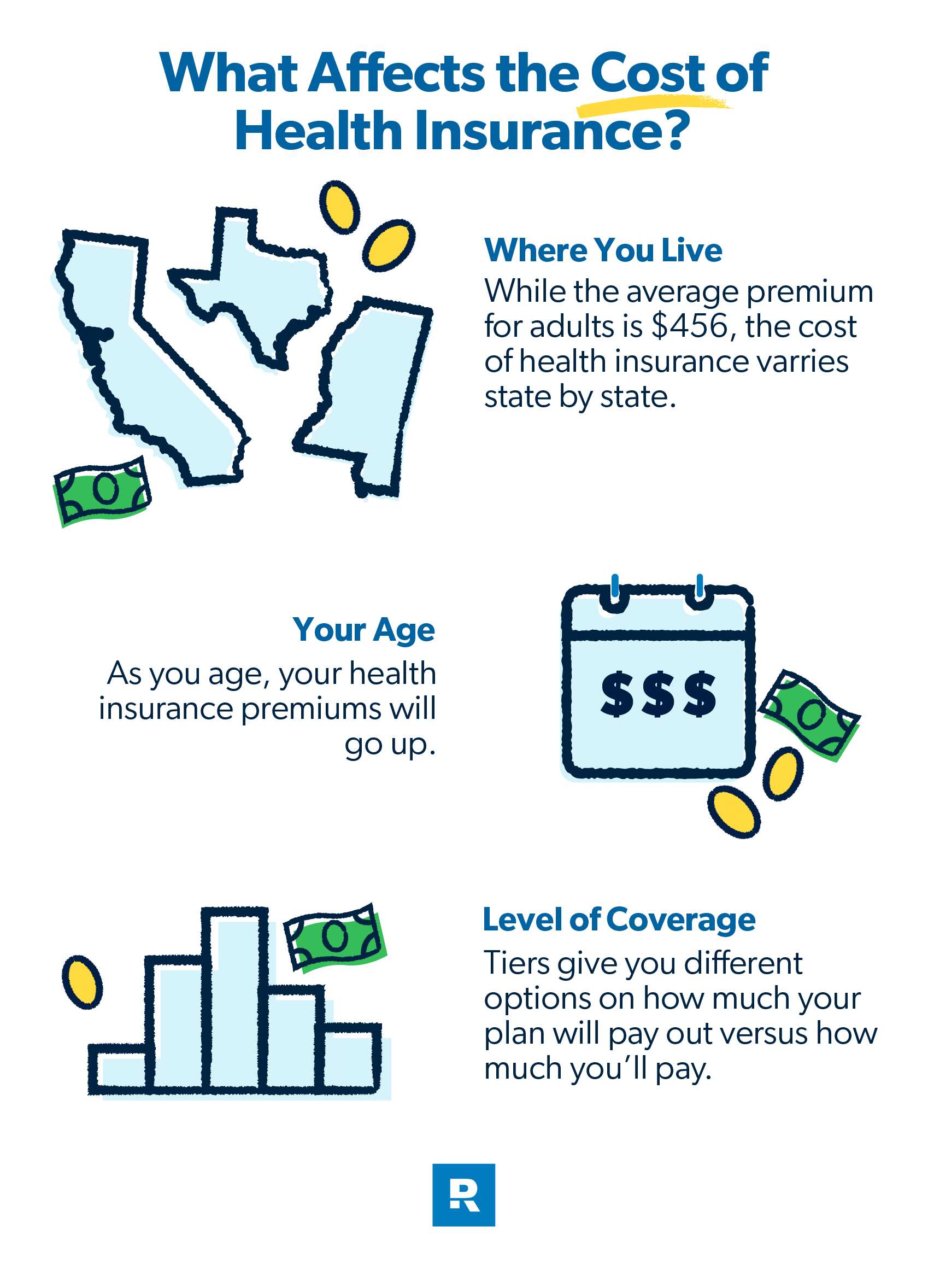
- Insurance Premiums: The regular payments made to an insurance provider to maintain coverage. These can vary wildly based on the plan type (HMO, PPO, HDHP), individual or family coverage, age, location, and whether it’s employer-sponsored or purchased on the open market. For individuals without employer subsidies, these can consume a significant portion of their monthly budget.
- Deductibles: The amount an individual must pay out-of-pocket for covered healthcare services before their insurance plan begins to pay. High-deductible health plans (HDHPs) often come with lower premiums but require individuals to bear more of the initial costs themselves, sometimes thousands of dollars.
- Co-payments (Co-pays): A fixed amount an insured person pays for a covered service, such as a doctor’s visit or prescription drug, after they’ve met their deductible. These are typically lower than deductibles but can add up with frequent medical needs.
- Co-insurance: Once the deductible is met, co-insurance is the percentage of the cost of a covered healthcare service that an insured person pays (e.g., 20%), while the insurance plan pays the rest (e.g., 80%).
- Out-of-Pocket Maximums: This is a crucial financial safety net. It’s the most an individual will have to pay for covered services in a plan year. Once this limit is reached, the insurance company pays 100% of the cost for covered benefits. Understanding and planning for this maximum is vital for managing catastrophic health events.
- Prescription Drug Costs: Often separated into tiers, the cost of medications can range from a few dollars for generics to hundreds or thousands for specialty drugs.
Indirect Costs: The Hidden Financial Burden
Beyond the direct payments, healthcare expenses carry significant indirect financial implications that are often overlooked until they occur. These include:
- Lost Wages and Productivity: Illness, injury, or the need to care for a sick family member often results in missed workdays, leading to lost income, particularly for hourly wage earners or freelancers. For businesses, this translates to reduced productivity and potential costs associated with temporary staffing.
- Transportation and Accommodation: Traveling to specialists, hospitals, or specific treatment centers, especially for chronic conditions or specialized care, can incur substantial costs for fuel, public transport, parking, or even overnight stays in other cities.
- Caregiving Costs: For severe or long-term illnesses, family members often take on caregiving roles, which can impact their own employment, career progression, and financial independence. Professional in-home care or assisted living facilities come with exorbitant fees that can quickly deplete savings.
- Mental and Emotional Strain: While not directly monetary, the stress and anxiety associated with navigating complex medical bills and financial strain can have ripple effects on mental health, potentially leading to further costs for therapy or medication.
Factors Driving Escalating Healthcare Expenses
The relentless upward trajectory of healthcare costs is not arbitrary. It’s the result of a confluence of complex factors, many of which are deeply entrenched in the healthcare system and broader economic trends. Understanding these drivers is key to comprehending the overall financial picture.
Technological Advancements and Innovation
While medical technology has revolutionized treatment and improved outcomes, it comes at a steep price. New diagnostic tools, surgical techniques, and advanced therapies are incredibly expensive to research, develop, and implement. Hospitals and clinics invest heavily in cutting-edge equipment, and these costs are invariably passed on to consumers through higher charges for services. The constant push for innovation, while beneficial for health, is a primary engine of cost inflation.
Administrative Overhead and System Complexity
The administrative burden within the healthcare system is staggering. The intricate web of insurance claims, billing codes, regulatory compliance, and diverse payment models necessitates a vast administrative workforce. Studies have shown that a significant portion of healthcare spending goes towards administrative tasks rather than direct patient care. The fragmentation of the U.S. healthcare system, with its mix of private and public insurers, further exacerbates this complexity, driving up operational costs for providers.
Pharmaceutical Costs and Drug Pricing
The cost of prescription drugs, particularly brand-name and specialty medications, is a major contributor to overall healthcare expenses. Factors contributing to high drug prices include:
- Research and Development Costs: Pharmaceutical companies cite the enormous investment in R&D for new drugs, a process that can take over a decade and cost billions for each successful drug.
- Patent Protection: Patents grant drug manufacturers exclusive rights to produce and sell a drug for a period, limiting competition and allowing them to set high prices.
- Lack of Price Negotiation: Unlike many other countries where governments negotiate drug prices, the U.S. market has historically limited such practices, leading to higher prices.
- Direct-to-Consumer Advertising: Extensive marketing campaigns for prescription drugs also contribute to their overall cost.
Lifestyle Choices and Chronic Disease Management
The prevalence of chronic diseases such as diabetes, heart disease, obesity, and hypertension is a significant financial strain. These conditions often require long-term management, including regular doctor visits, expensive medications, specialized tests, and potentially complex procedures. Lifestyle factors, including diet, exercise, and smoking, play a crucial role in the development and progression of many chronic illnesses. While individuals bear the personal financial costs of managing these diseases, their widespread prevalence also drives up insurance premiums for everyone and burdens public health systems.
Navigating Healthcare Costs: Strategies for Individuals and Families
Effectively managing healthcare costs requires proactive planning, informed decision-making, and a willingness to engage with the system. For individuals and families, several strategies can help mitigate the financial impact of medical care.
Optimizing Health Insurance Choices
Selecting the right health insurance plan is paramount. Understanding the differences between plan types is critical:
- HMO (Health Maintenance Organization): Generally lower premiums, but restricts choices to a network of doctors and hospitals, often requiring a primary care physician referral for specialists.
- PPO (Preferred Provider Organization): Offers more flexibility in choosing providers (in-network or out-of-network) without a referral, but typically comes with higher premiums and potentially higher out-of-network costs.
- HDHP (High-Deductible Health Plan) with HSA (Health Savings Account): Combines lower premiums with a high deductible. The HSA is a tax-advantaged savings account that can be used for qualified medical expenses. Contributions are tax-deductible, earnings grow tax-free, and withdrawals for medical expenses are tax-free. This is an excellent tool for long-term health savings, particularly for those with stable health.
- FSA (Flexible Spending Account): Similar to an HSA but typically employer-sponsored, funds must be used within the plan year (though some allow a carryover), and funds are lost if not used.
It’s crucial to analyze one’s anticipated medical needs, risk tolerance, and financial capacity when choosing a plan. Consider factors like chronic conditions, family planning, and prescription drug needs.
Understanding and Utilizing Financial Assistance Programs
Many avenues exist for financial assistance that can reduce the burden of healthcare costs:
- Medicaid: A government program providing healthcare to low-income individuals and families.
- Medicare: Federal health insurance for people aged 65 or older, younger people with certain disabilities, and people with End-Stage Renal Disease.
- Marketplace Subsidies: Individuals and families with incomes between 100% and 400% of the federal poverty line may qualify for premium tax credits and cost-sharing reductions when purchasing insurance through the Affordable Care Act (ACA) marketplaces.
- Hospital Financial Assistance Programs: Many hospitals, particularly non-profits, have financial assistance policies (often called “charity care”) for uninsured or underinsured patients who meet specific income criteria.
- Patient Assistance Programs (PAPs): Pharmaceutical companies often offer programs to help patients afford their medications. Non-profit organizations also provide assistance for specific diseases or conditions.
Proactive Health Management and Preventative Measures
An ounce of prevention is truly worth a pound of cure, both for health and finances. Investing in preventative care and adopting healthy lifestyle choices can significantly reduce the likelihood and severity of future medical expenses. This includes:
- Regular Check-ups and Screenings: Catching potential health issues early can prevent them from escalating into more serious, and expensive, conditions.
- Healthy Diet and Exercise: Lifestyle choices can prevent or manage chronic diseases, reducing the need for medications and intensive medical interventions.
- Smoking Cessation and Moderate Alcohol Consumption: Avoiding detrimental habits improves long-term health outcomes.
- Vaccinations: Preventing infectious diseases through vaccination avoids treatment costs and lost productivity.
- Mental Health Care: Addressing mental health proactively can prevent more severe conditions that require costly interventions.
Negotiating Medical Bills and Understanding Billing Practices
Medical billing can be complex and prone to errors. Patients should always review their medical bills meticulously.
- Request an Itemized Bill: Always ask for an itemized bill that details every service, supply, and medication.
- Check for Errors: Look for duplicate charges, incorrect dates, or services not received.
- Understand Explanation of Benefits (EOB): Compare the EOB from your insurance company with the provider’s bill to ensure consistency.
- Negotiate Prices: For uninsured services or out-of-network care, or even for large deductibles, don’t hesitate to negotiate with the hospital or provider for a lower cash price or a payment plan. Hospitals often have different pricing for insured and uninsured patients, and a cash payment can sometimes be cheaper than going through insurance for minor procedures.
- Utilize Medical Bill Advocates: For particularly complex or large bills, consider hiring a medical bill advocate who can negotiate on your behalf.
The Broader Economic Impact of Healthcare Spending
The financial burden of healthcare extends far beyond individual wallets, profoundly influencing national economies, business finances, and societal well-being.
Impact on National Budgets and Public Debt
In many developed nations, particularly the United States, healthcare spending consumes a massive portion of the national budget. Government programs like Medicare and Medicaid represent significant expenditures, contributing to national debt and influencing fiscal policy. The rising costs strain public resources, potentially diverting funds from other critical areas like education, infrastructure, or defense. The economic efficiency and equity of healthcare systems are subjects of constant debate, driven by the sheer scale of financial commitment.
Employer-Sponsored Healthcare and Business Finance
For many businesses, providing health insurance to employees is one of the largest and most volatile operating expenses after salaries. Rising premiums, deductibles, and co-pays directly impact a company’s bottom line, potentially limiting wage growth, investment in R&D, or job creation. Small businesses, in particular, often struggle to offer comprehensive benefits due to prohibitive costs, putting them at a disadvantage in attracting talent. This dynamic makes healthcare costs a critical component of business finance and strategic planning for employers of all sizes.
The Cycle of Medical Debt and Personal Bankruptcy
Perhaps one of the most devastating financial consequences of escalating healthcare costs is the prevalence of medical debt. A significant percentage of personal bankruptcies in countries like the U.S. are directly or indirectly linked to overwhelming medical bills. Even with insurance, high deductibles and out-of-pocket maximums can decimate savings, force individuals into debt, and compromise their financial futures. This cycle of medical debt can affect credit scores, limit access to loans, and perpetuate financial instability for countless families.
Conclusion: A Continuous Financial Calculation
The question “how much is healthcare” is not static; it’s a dynamic calculation that constantly evolves with medical advancements, economic shifts, and policy changes. From individual budgeting and investment strategies to corporate financial planning and national fiscal policy, the financial implications of healthcare are pervasive and profound. By adopting proactive financial strategies, understanding the intricate layers of costs, and advocating for transparent and equitable systems, individuals and societies can better navigate this complex financial terrain. Effective management of healthcare costs is not just about saving money; it’s about safeguarding financial well-being, fostering economic stability, and ensuring accessible care for all.
aViewFromTheCave is a participant in the Amazon Services LLC Associates Program, an affiliate advertising program designed to provide a means for sites to earn advertising fees by advertising and linking to Amazon.com. Amazon, the Amazon logo, AmazonSupply, and the AmazonSupply logo are trademarks of Amazon.com, Inc. or its affiliates. As an Amazon Associate we earn affiliate commissions from qualifying purchases.