
Navigating the landscape of health insurance is one of the most significant financial decisions an individual or business owner will face. It is not merely a monthly expense; it is a critical component of a robust financial plan designed to protect assets from the catastrophic costs of medical emergencies. Understanding “how much” health insurance costs requires a deep dive into the variables that influence premiums and the hidden costs that can impact your net worth.
1. Understanding the Core Variables: What Drives Your Monthly Premium?
The sticker price of a health insurance policy—the monthly premium—is not a static figure. In the United States, under the Affordable Care Act (ACA), insurance companies are limited in how they can set prices, but several key factors remain the primary drivers of cost.

The Impact of Geography and Network Competition
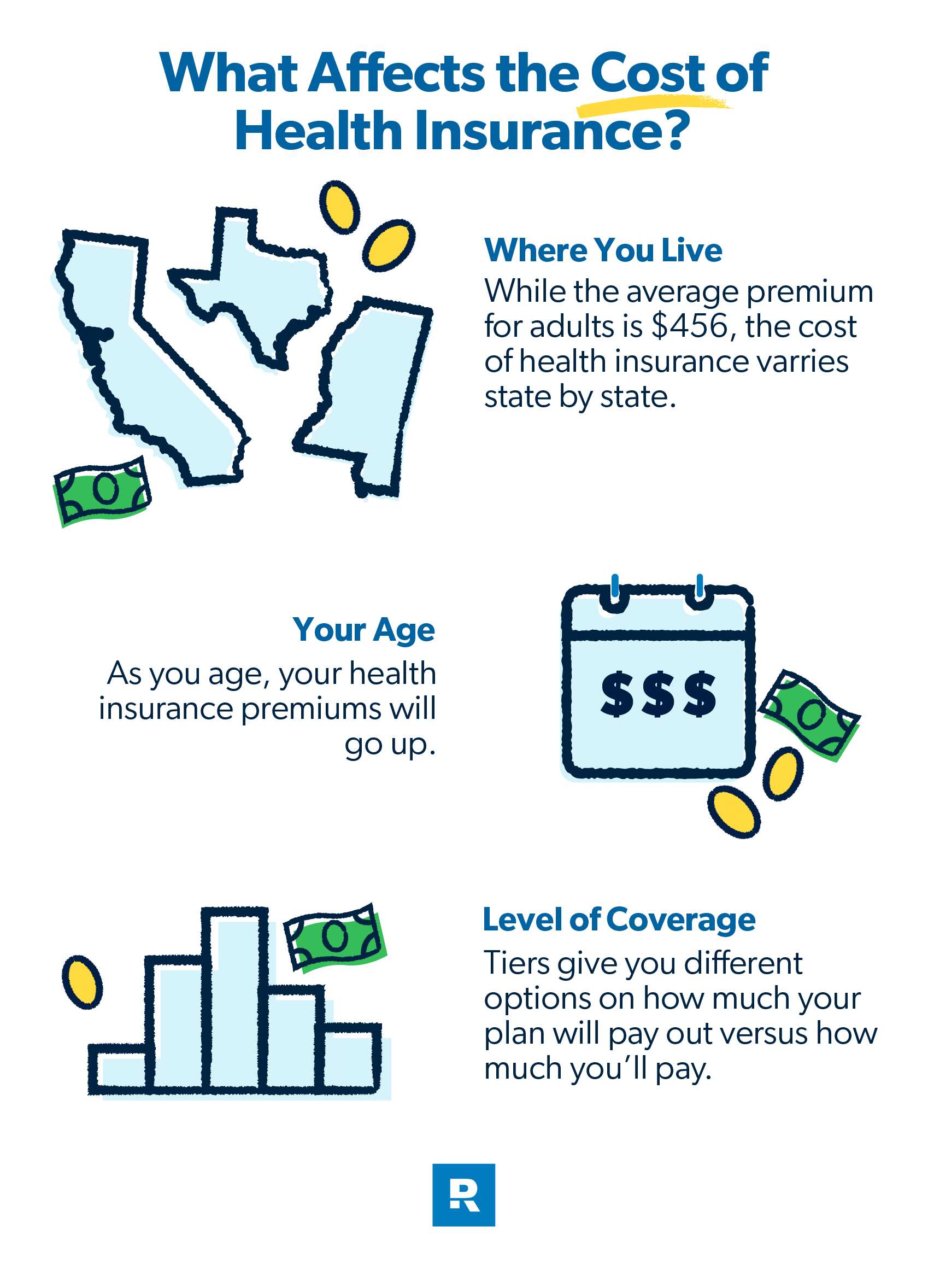
Where you live plays a massive role in your health insurance costs. In regions with high competition between hospital systems and multiple insurance carriers, premiums tend to be lower. Conversely, in rural areas with only one or two dominant providers, costs can skyrocket. State-level regulations also influence the “benchmark” plan prices, which serve as the baseline for subsidies and market competition.
Age and Tobacco Use: The Demographic Multipliers
While the ACA prevents insurers from charging more based on gender or pre-existing conditions, age remains a legal factor. Generally, older individuals can be charged up to three times more than younger individuals for the same coverage. Additionally, tobacco use is one of the few behavioral factors that can drastically increase costs; in many states, insurers can apply a “tobacco surcharge” of up to 50% on top of the standard premium.
Family Size and Coverage Scope
Naturally, an individual plan is the least expensive, while a family plan scales based on the number of dependents. For families, the financial strategy often involves weighing the cost of a “Family Deductible” versus “Individual Deductibles” within the same policy, which dictates how soon the insurance company begins to share the cost of care.
2. Deciphering the Metal Tiers: Balancing Monthly Costs vs. Point-of-Care Expenses
The “Metal Tier” system (Bronze, Silver, Gold, and Platinum) is a framework designed to help consumers understand the “actuarial value” of their plan—essentially, what percentage of total healthcare costs the insurer pays versus the member.
Bronze and Silver: Lower Premiums, Higher Risk
Bronze plans typically have the lowest monthly premiums but the highest out-of-pocket costs when you receive care. These are often favored by young, healthy individuals or those using a “catastrophic coverage” financial strategy. Silver plans represent the “middle ground” and are unique because they are the only plans eligible for Cost-Sharing Reductions (CSRs), which can lower deductibles and co-pays for those who qualify based on income.
Gold and Platinum: High-Utilization Financial Protection
For individuals with chronic conditions or those who anticipate significant medical needs (such as a planned surgery or pregnancy), Gold and Platinum plans are often the more economical choice despite their high monthly premiums. These plans cover 80% to 90% of medical costs, respectively, providing a predictable monthly budget with fewer surprises at the doctor’s office.
The Role of Catastrophic Plans
Available primarily to those under 30 or those with a “hardship exemption,” Catastrophic plans have very low premiums but extremely high deductibles. From a personal finance perspective, these are pure risk-mitigation tools designed to prevent medical bankruptcy rather than to cover routine wellness visits.
3. The Hidden Cost of Care: Deductibles, Co-insurance, and Maximums
To answer “how much is health insurance,” one must look beyond the premium. The “total cost of ownership” for a health plan includes several layers of cost-sharing that only trigger when you actually use the healthcare system.
Navigating the Deductible Threshold
The deductible is the amount you must pay out-of-pocket for covered services before your insurance plan begins to pay. In the current financial climate, High Deductible Health Plans (HDHPs) are becoming the norm. For many, a $5,000 or $7,000 deductible is a significant barrier to care, necessitating a dedicated emergency fund to cover this potential liability.
Co-payments and Co-insurance: The “After-Deductible” Split
Once your deductible is met, you usually pay a co-payment (a flat fee, like $30 for a specialist) or co-insurance (a percentage, like 20% of the bill). Understanding this split is vital for cash-flow management. A 20% co-insurance on a $50,000 hospital stay is still a $10,000 bill—unless you reach your out-of-pocket maximum.
The Out-of-Pocket Maximum: Your Financial Safety Net
The Out-of-Pocket (OOP) Maximum is the most important number for long-term financial security. This is the absolute limit on what you will pay in a calendar year for covered, in-network services. Once this limit is reached, the insurer pays 100% of the costs. When calculating your “worst-case scenario” for the year, you should add your annual premiums to your OOP maximum.
4. Leveraging Tax-Advantaged Tools: HSAs and FSAs
One of the most effective ways to lower the effective cost of health insurance is through the use of tax-advantaged accounts. These tools are centerpieces of sophisticated personal finance strategies.
The Health Savings Account (HSA) Triple Tax Advantage
If you are enrolled in a qualifying High Deductible Health Plan (HDHP), you are eligible for an HSA. Financial experts often call the HSA the “ultimate retirement account” because of its triple tax advantage: contributions are tax-deductible, the balance grows tax-free through investments, and withdrawals for qualified medical expenses are tax-free. This effectively provides a 20-30% discount on healthcare costs, depending on your tax bracket.
Flexible Spending Accounts (FSAs)
For those with employer-sponsored insurance, an FSA allows you to set aside pre-tax dollars for medical expenses. Unlike the HSA, the FSA is generally a “use it or lose it” account, meaning funds must be spent by the end of the plan year. This is a powerful tool for predictable annual costs like dental work, vision care, or recurring prescriptions.
Tax Credits and Subsidies (APTC)
For many Americans, the cost of health insurance is mitigated by the Advanced Premium Tax Credit (APTC). This subsidy is based on the relationship between your household income and the Federal Poverty Level (FPL). In many cases, these subsidies can reduce a $600 monthly premium to less than $100, fundamentally changing the affordability equation.
5. Health Insurance for Business Owners and the Self-Employed
For entrepreneurs and side-hustlers, health insurance is not just a personal expense—it is a business consideration.
The Self-Employed Health Insurance Deduction
Self-employed individuals who turn a profit are often eligible to deduct 100% of their health insurance premiums from their adjusted gross income. This is an “above-the-line” deduction, meaning you don’t need to itemize to benefit from it. This deduction effectively lowers the net cost of insurance by reducing your overall tax liability.
Group vs. Individual Coverage for Small Businesses
Small business owners must decide whether to offer group health insurance or provide a stipend for employees to purchase individual plans. Group plans often provide better rates due to the pooling of risk, but they come with administrative overhead. Alternatively, the Qualified Small Employer Health Reimbursement Arrangement (QSEHRA) allows businesses to reimburse employees for individual premiums and medical expenses tax-free, offering a flexible middle ground.
COBRA and Short-Term Transitions
When moving between jobs or starting a business, “COBRA” allows you to keep your previous employer’s coverage for up to 18 months. However, you must pay 102% of the total premium (including the portion your employer used to pay). While expensive, it offers a guaranteed bridge for those with ongoing medical needs who cannot afford a gap in coverage.

Conclusion: The Strategic Integration of Health Costs
Determining “how much” health insurance costs is a multi-dimensional calculation. It involves balancing the certain cost of monthly premiums against the uncertain risk of medical bills. By understanding the variables of geography and age, selecting the appropriate metal tier, and utilizing tax-advantaged accounts like HSAs, you can transform health insurance from a confusing expense into a strategic financial asset. Ultimately, the goal is to find the “sweet spot” where your premiums are manageable, but your financial exposure to medical debt is strictly capped.
aViewFromTheCave is a participant in the Amazon Services LLC Associates Program, an affiliate advertising program designed to provide a means for sites to earn advertising fees by advertising and linking to Amazon.com. Amazon, the Amazon logo, AmazonSupply, and the AmazonSupply logo are trademarks of Amazon.com, Inc. or its affiliates. As an Amazon Associate we earn affiliate commissions from qualifying purchases.