
The question “how much is health care?” is far more complex than a simple dollar figure. It represents a multifaceted financial challenge for individuals, families, and entire nations. In many developed countries, particularly the United States, healthcare costs have soared to unprecedented levels, transforming medical necessities into significant financial burdens. Understanding this complex landscape requires a deep dive into the various components of healthcare spending, the underlying drivers of these costs, and the strategies available for managing their impact on personal and national finances. This article will explore the financial dimensions of healthcare, offering insights into its true cost and how financial prudence can navigate its intricate structure.

The Multifaceted Burden of Healthcare Costs
The perceived cost of healthcare often only scratches the surface of its true financial weight. Beyond the seemingly straightforward premiums, a host of other expenses contribute to the financial labyrinth individuals must navigate. These costs don’t just deplete savings; they often lead to profound economic instability.
Beyond Premiums: Deductibles, Co-pays, and Out-of-Pocket Maximums
For many, healthcare costs begin with insurance premiums – the regular payments made to maintain coverage. However, these premiums are just the entry fee. The actual financial engagement with the healthcare system introduces further layers of expense:
- Deductibles: This is the amount an individual must pay out-of-pocket for covered healthcare services before their insurance plan starts to pay. High-deductible health plans (HDHPs) are increasingly common, often requiring individuals to spend thousands of dollars annually before their insurance benefits fully kick in. This structure shifts a significant portion of initial medical costs directly onto the consumer, demanding careful financial planning for unexpected illnesses or injuries.
- Co-pays: These are fixed amounts paid for specific services, such as doctor’s visits, prescription drugs, or emergency room visits, even after the deductible has been met. While generally smaller amounts, co-pays can accumulate, especially for individuals requiring frequent medical attention or specialized care.
- Co-insurance: Once the deductible is met, co-insurance is a percentage of the cost of a covered healthcare service that the policyholder pays, with the insurance company paying the rest. For instance, an 80/20 co-insurance plan means the insurer pays 80%, and the individual pays 20% of the bill, until the out-of-pocket maximum is reached.
- Out-of-Pocket Maximums: This is the most an individual will have to pay for covered services in a plan year. Once this limit is reached, the insurance company pays 100% of the cost of covered benefits for the remainder of the year. While providing a ceiling, these maximums can still be substantial, often ranging from several thousand dollars for individuals to double that for families.
These components collectively form a complex financial structure that demands a clear understanding to avoid unexpected fiscal shocks. An uninformed approach can quickly lead to significant debt, even for those with seemingly robust insurance plans.
The Shadow of Medical Debt and Bankruptcy
Perhaps one of the most devastating consequences of high healthcare costs is the prevalence of medical debt. Research consistently shows that medical expenses are a leading cause of personal bankruptcy in countries with high healthcare costs, such as the United States. Even with insurance, a major illness, an unforeseen accident, or the need for long-term care can quickly exhaust savings and push individuals into insurmountable debt.
This is exacerbated by several factors:
- Lack of Price Transparency: Patients often receive care without knowing the actual cost until weeks or months later, making it impossible to comparison shop or make informed financial decisions upfront.
- Out-of-Network Surprises: Unwittingly receiving care from an out-of-network provider, even at an in-network facility, can lead to “surprise billing” where patients are charged the full, often inflated, difference between the provider’s fee and the insurer’s allowed amount.
- Underinsurance: Even individuals with insurance can be considered “underinsured” if their deductibles, co-pays, and co-insurance amounts are so high that they struggle to afford care.
Medical debt not only impacts financial stability but also takes a heavy toll on mental and physical health, creating a vicious cycle where stress over bills can worsen existing conditions.
Understanding Your Healthcare Coverage and Its Price Tag
Navigating the healthcare system necessitates a thorough understanding of the available coverage options and their associated financial implications. The landscape of healthcare insurance is diverse, each with its unique cost structure and benefits.
Employer-Sponsored Plans and High-Deductible Health Plans (HDHPs)
The most common form of health insurance in many countries is provided through employers. While employers typically subsidize a portion of the premiums, employees are still responsible for a significant share, which can be deducted from their paychecks. The trend towards HDHPs within employer plans has been notable. These plans feature lower monthly premiums but require individuals to pay a higher deductible before insurance coverage begins.
HDHPs are often paired with Health Savings Accounts (HSAs), which allow individuals to save money for healthcare expenses on a tax-advantaged basis. Contributions to an HSA are tax-deductible, the money grows tax-free, and withdrawals for qualified medical expenses are also tax-free. For those who are generally healthy and can afford the higher deductible, HSAs can be an effective financial tool for managing future healthcare costs and even serving as a supplemental retirement savings vehicle. However, for individuals with chronic conditions or those who frequently use healthcare services, HDHPs can result in substantial out-of-pocket spending early in the plan year.
Navigating ACA Marketplaces, Medicare, and Medicaid
For those without employer-sponsored insurance, several public and private options exist, each with distinct financial parameters:
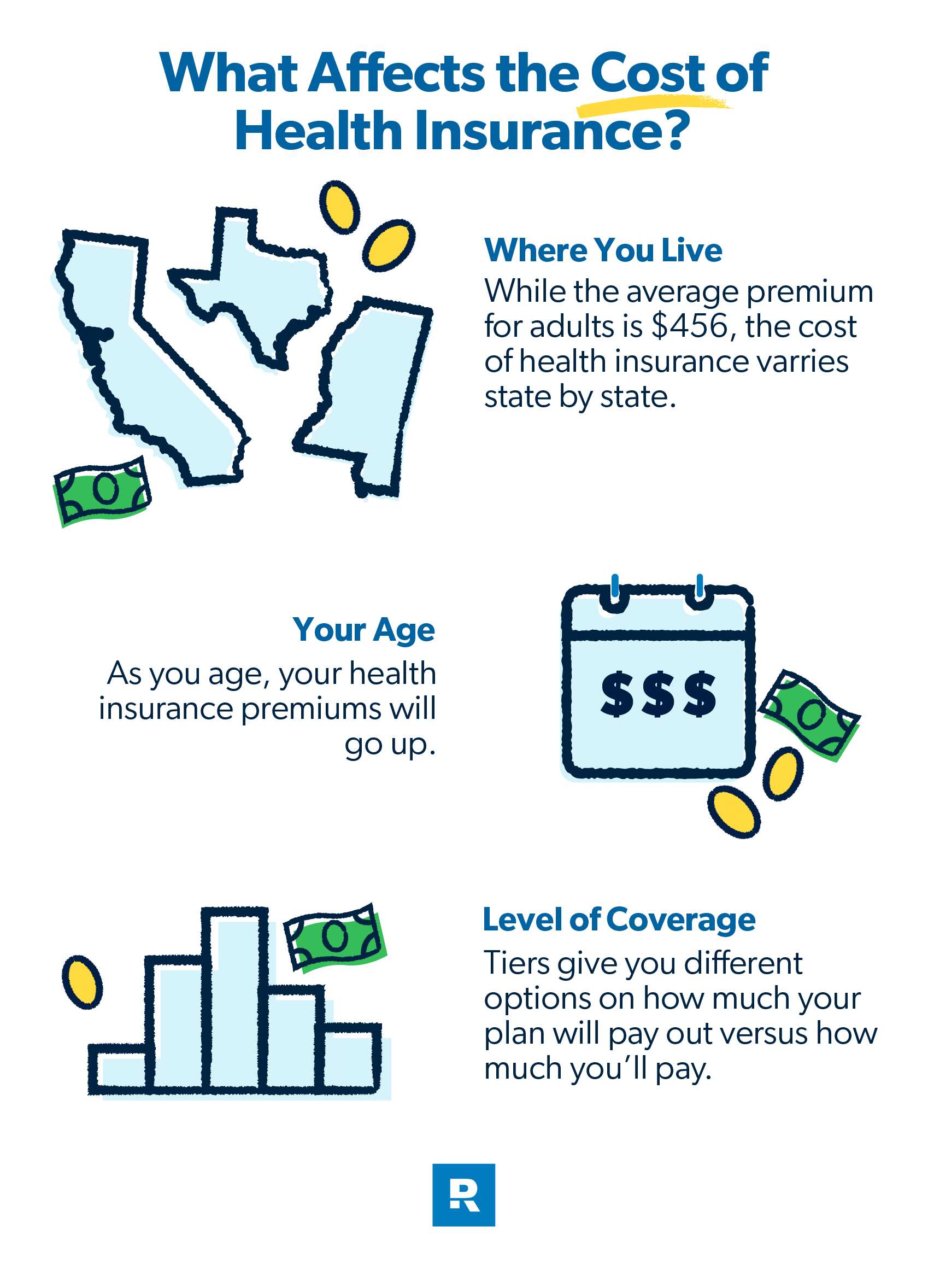
- Affordable Care Act (ACA) Marketplaces: These online exchanges allow individuals and families to shop for health insurance plans. Plans are categorized into metal tiers (Bronze, Silver, Gold, Platinum) based on how costs are split between the insurer and the enrollee, impacting premiums and out-of-pocket costs. Subsidies, in the form of premium tax credits and cost-sharing reductions, are available based on income, making coverage more affordable for many. Understanding eligibility for these subsidies is crucial for optimizing financial outlay.
- Medicare: This federal health insurance program primarily serves individuals aged 65 or older, younger people with certain disabilities, and people with End-Stage Renal Disease. Medicare is divided into several parts (A, B, C, D), each with its own premiums, deductibles, and co-insurance rules. Part A (hospital insurance) is generally premium-free for most, but Parts B (medical insurance) and D (prescription drug coverage) involve monthly premiums and other costs. Many beneficiaries opt for supplemental “Medigap” plans or Medicare Advantage plans (Part C) to help cover out-of-pocket expenses.
- Medicaid: This is a joint federal and state program that provides health coverage to millions of low-income Americans, including children, pregnant women, parents, seniors, and people with disabilities. Eligibility requirements and benefits vary by state, but generally, Medicaid involves very low or no out-of-pocket costs for recipients, significantly reducing the financial burden of healthcare for the most vulnerable populations.
Each of these avenues requires careful financial consideration, aligning the level of coverage with personal health needs and budget constraints.
The Root Causes of Escalating Healthcare Expenses
To truly grasp “how much is health care,” one must understand the systemic factors driving its relentless ascent. It’s not just individual choices but a complex interplay of economic, regulatory, and demographic forces.

Administrative Bloat and Pharmaceutical Costs
A significant portion of healthcare spending in countries like the U.S. is attributed to administrative overhead. The intricate billing and coding systems, the multiplicity of insurance plans, and the regulatory complexities create an administrative burden far greater than that in many other developed nations. This bureaucracy translates into higher costs, as more resources are diverted to non-clinical functions.
Pharmaceutical costs are another major contributor. Prescription drug prices, especially for brand-name and specialty medications, are often substantially higher in the U.S. compared to other countries. This disparity is influenced by a combination of factors, including patent protections, limited negotiation power for government payers, and the absence of robust price controls. For individuals, this means that even with insurance, chronic conditions requiring expensive medications can lead to significant out-of-pocket costs.
Technology, Chronic Disease, and Defensive Medicine
Technological advancements, while offering incredible improvements in diagnosis and treatment, often come with a hefty price tag. New medical devices, advanced imaging techniques, and innovative surgical procedures are expensive to develop, acquire, and maintain. The rapid adoption of these technologies, coupled with a fee-for-service model that often incentivizes their use, contributes to rising costs.
The prevalence of chronic diseases, such as diabetes, heart disease, and obesity, also plays a crucial role. Managing these conditions often requires continuous care, multiple medications, and frequent medical interventions, leading to prolonged and costly treatment regimens. An aging population further compounds this, as older adults generally require more extensive and specialized medical attention.
Finally, “defensive medicine” contributes to inflated costs. To avoid potential malpractice lawsuits, physicians may order additional tests, procedures, or consultations that might not be strictly necessary but serve to protect them legally. This practice, while understandable from a medical-legal perspective, adds unnecessary expenses to the healthcare system.
Strategies for Managing and Mitigating Healthcare Costs
Given the formidable financial challenges, both individuals and policymakers are exploring strategies to manage and mitigate healthcare costs. Financial literacy and proactive planning are paramount for individuals, while systemic reforms are essential for broader impact.
Personal Finance Tactics: Prevention, Negotiation, and Savings Tools
For individuals, proactive financial management of healthcare is key:
- Prioritize Preventative Care: Regular check-ups, screenings, and lifestyle choices that promote health can prevent costly diseases or catch them early when treatment is less intensive and expensive.
- Understand Your Plan: Thoroughly review insurance policy documents to understand deductibles, co-pays, in-network providers, and specific coverage limitations. This avoids surprise bills and ensures optimal utilization of benefits.
- Utilize In-Network Providers: Always confirm that doctors, hospitals, and other healthcare facilities are within your insurance network to avoid higher out-of-network charges.
- Negotiate Bills: If faced with a large medical bill, do not hesitate to negotiate with providers. Hospitals and clinics often offer discounts for prompt payment or payment plans. Review bills for errors, as mistakes are common.
- Leverage Tax-Advantaged Savings: If eligible, contribute to Health Savings Accounts (HSAs) or Flexible Spending Accounts (FSAs). These accounts allow pre-tax dollars to be set aside for qualified medical expenses, effectively reducing taxable income and making healthcare more affordable.
- Seek Price Transparency: Use online tools and ask providers for estimated costs upfront for procedures or services. Some states and facilities are beginning to offer price transparency tools, empowering consumers to make more informed choices.
Policy-Level Interventions: Transparency and Value-Based Care
Beyond individual actions, broader policy reforms are crucial to addressing systemic cost issues:
- Increased Price Transparency: Mandating healthcare providers and insurers to disclose actual costs for services upfront would empower consumers, foster competition, and potentially drive down prices.
- Negotiating Drug Prices: Allowing government entities to negotiate prescription drug prices, similar to practices in other developed nations, could significantly reduce pharmaceutical expenditures.
- Shifting to Value-Based Care: Moving away from the traditional fee-for-service model towards payment systems that reward quality outcomes and efficiency, rather than just the volume of services, could incentivize better care at lower costs.
- Addressing Social Determinants of Health: Investing in public health initiatives, affordable housing, nutrition programs, and accessible education can improve overall population health, reducing the need for expensive acute care in the long run.
These policy initiatives, if effectively implemented, have the potential to reshape the financial landscape of healthcare, making it more equitable and sustainable.
The Broader Economic Impact of Healthcare Spending
The question “how much is health care” extends far beyond individual budgets; it impacts national economies, workforce productivity, and overall societal well-being. The financial burden of healthcare is a collective challenge with profound macroeconomic implications.
Impact on Personal Wealth and National Productivity
High healthcare costs divert significant portions of personal income and savings, limiting individuals’ ability to invest, purchase homes, save for retirement, or pursue entrepreneurial ventures. This drag on personal wealth accumulation has ripple effects throughout the economy, reducing consumer spending and overall economic growth.
From a national perspective, excessive healthcare spending can stifle productivity. Businesses bear the cost through employer-sponsored insurance premiums, impacting their profitability and competitiveness. Employees burdened by medical debt or lacking adequate care may experience decreased productivity due to poor health, absenteeism, or the stress of financial insecurity. Resources that could be invested in education, infrastructure, or innovation are instead consumed by ever-increasing healthcare expenditures.
A Societal Call to Action for Affordability
Ultimately, the high cost of healthcare represents a systemic issue that demands a concerted, multi-stakeholder effort. It’s not merely a personal finance problem but a societal one that impacts everyone, directly or indirectly. Governments, healthcare providers, insurance companies, pharmaceutical firms, and individuals all have a role to play in fostering a more affordable, accessible, and effective healthcare system.
Addressing “how much is health care” requires not only individual financial literacy and careful planning but also a sustained commitment to policy reforms that promote transparency, incentivize value, and ensure equitable access to quality care without forcing citizens into financial ruin. The long-term financial health of individuals and nations alike hinges on our collective ability to tame the rising tide of healthcare costs.
aViewFromTheCave is a participant in the Amazon Services LLC Associates Program, an affiliate advertising program designed to provide a means for sites to earn advertising fees by advertising and linking to Amazon.com. Amazon, the Amazon logo, AmazonSupply, and the AmazonSupply logo are trademarks of Amazon.com, Inc. or its affiliates. As an Amazon Associate we earn affiliate commissions from qualifying purchases.