
Understanding the cost of car insurance is a fundamental aspect of responsible personal finance, and for many, GEICO stands out as a prominent and often competitive option. The question, “How much is GEICO car insurance?” isn’t simple, as premiums are highly individualized, reflecting a complex interplay of personal circumstances, vehicle specifics, and chosen coverage levels. This article delves into the financial intricacies of GEICO car insurance, providing a comprehensive guide to what influences your rates, how to potentially lower them, and how to strategically integrate this essential expense into your broader financial planning.
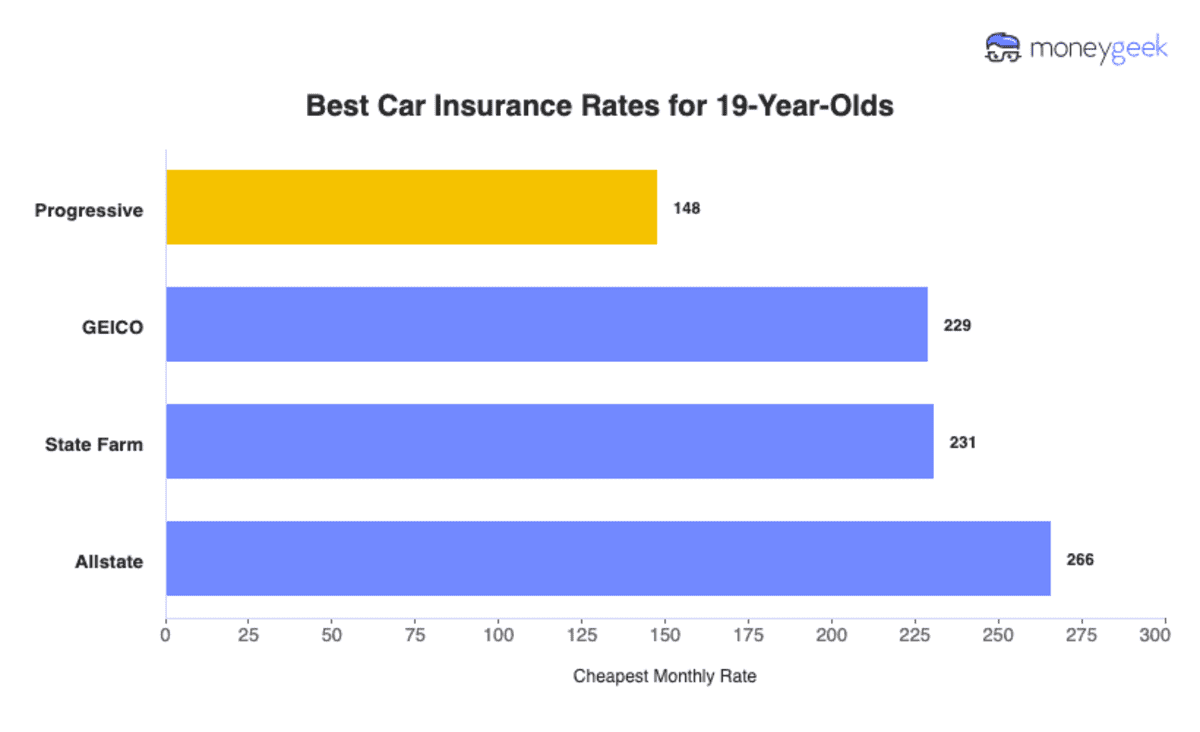
GEICO, or Government Employees Insurance Company, has built its reputation on offering competitive rates, often emphasizing direct-to-consumer sales channels which can streamline operations and pass savings onto policyholders. However, the exact premium you pay will be a unique figure, calculated through sophisticated actuarial science that assesses risk from multiple angles. For the financially savvy consumer, demystifying this calculation is the first step toward optimizing their car insurance budget.
Understanding the Factors That Influence Your GEICO Premium
Car insurance premiums are not arbitrary; they are the result of a detailed risk assessment designed to predict the likelihood and potential cost of future claims. GEICO, like all insurers, employs a multifaceted approach, considering numerous variables to arrive at your personalized quote. Understanding these factors is crucial for anyone looking to manage their car insurance expenditures effectively.
Personal Demographics and Driving History
Your personal profile forms the bedrock of your insurance premium calculation. This includes a range of data points that statistically correlate with varying levels of risk.
- Age and Gender: Younger, less experienced drivers, particularly males, often face higher premiums due to statistical data indicating a greater propensity for accidents. As drivers mature and gain experience, rates typically decline until a certain advanced age.
- Location: Where you live and primarily park your car significantly impacts your rates. Urban areas with higher traffic density, crime rates (vehicle theft, vandalism), and accident frequencies generally incur higher premiums than rural or suburban locales.
- Marital Status: Married individuals often receive slightly lower rates, as statistics suggest they tend to be more responsible drivers.
- Credit Score (where permitted by law): In many states, insurers use a credit-based insurance score as a predictor of risk. Individuals with higher credit scores are often associated with a lower likelihood of filing claims. While not a direct measure of financial responsibility, it’s a proxy many insurers use.
- Driving Record: This is arguably one of the most significant factors. A clean driving record, free of accidents, moving violations (speeding tickets, DUIs), and traffic infractions, is rewarded with lower rates. Conversely, a history of incidents will significantly increase your premium, as it signals a higher risk to the insurer.
- Claims History: Beyond traffic violations, your history of filing insurance claims (even if not at-fault) can influence your rates. Frequent claims, regardless of fault, may suggest a higher propensity for future claims.
Vehicle Type and Usage
The car you drive and how you use it are direct inputs into your premium calculation, as they directly influence the potential cost of repairs, theft, and liability.
- Make, Model, and Year: Luxury vehicles, sports cars, and certain high-performance models typically cost more to insure due to higher repair costs, more expensive parts, and a greater likelihood of theft. Conversely, vehicles with strong safety ratings and lower repair costs often qualify for better rates.
- Safety Features: Modern safety technologies like automatic emergency braking, lane departure warning, blind-spot monitoring, and anti-lock brakes can lead to discounts, as they reduce the risk of accidents and injuries.
- Annual Mileage: The more you drive, the higher the perceived risk of an accident. Drivers with lower annual mileage often qualify for reduced rates, as they spend less time on the road.
- Purpose of Vehicle: Whether your car is used for daily commuting, business, or purely for leisure activities can affect your premium. Commuting generally carries a higher risk than leisure use.
Coverage Selections and Deductibles
The types and amounts of coverage you choose are perhaps the most direct determinant of your premium, as they dictate the insurer’s maximum financial exposure.
- Liability Coverage: This is typically mandated by law and covers damages and injuries you cause to others. Higher liability limits offer greater financial protection but result in higher premiums.
- Collision Coverage: Pays for damage to your own vehicle in an accident, regardless of fault. This is optional if your car is paid off but often required by lenders.
- Comprehensive Coverage: Protects against non-collision incidents like theft, vandalism, fire, natural disasters, and animal collisions.
- Uninsured/Underinsured Motorist (UM/UIM): Covers your costs if you’re hit by a driver who lacks sufficient insurance.
- Medical Payments (MedPay) / Personal Injury Protection (PIP): Covers medical expenses for you and your passengers, regardless of fault.
- Additional Coverages: Options like roadside assistance, rental car reimbursement, and mechanical breakdown insurance add convenience but also increase your premium.
- Deductibles: This is the amount you pay out-of-pocket before your insurance kicks in for collision and comprehensive claims. Choosing a higher deductible (e.g., $1,000 instead of $500) will lower your premium, but requires you to have more cash readily available in the event of a claim. This is a classic risk-reward financial decision.
State-Specific Regulations and Requirements
Insurance is regulated at the state level, meaning minimum coverage requirements, specific laws (like no-fault statutes), and even premium taxes can vary significantly. These regulations directly impact the baseline cost of insurance, regardless of the insurer. It’s crucial to understand your state’s minimums, but also to recognize that these minimums often provide inadequate financial protection for most drivers.
Leveraging Discounts to Lower Your GEICO Car Insurance Costs
One of the most effective strategies for reducing your GEICO car insurance premium is to actively seek out and apply for all eligible discounts. GEICO is known for offering a wide array of discounts, making it possible for many policyholders to significantly reduce their overall financial outlay. Being proactive in identifying and claiming these savings is a smart financial move.
Driver-Related Discounts
These discounts reward safe driving habits and specific personal affiliations.
- Good Driver/Safe Driver Discount: Policyholders with a clean driving record (no accidents or violations) for a certain period (e.g., 5 years) can qualify for substantial savings.
- Defensive Driving Course Discount: Completing an approved defensive driving course can not only enhance your driving skills but also earn you a discount in many states.
- Good Student Discount: High school or college students who maintain a certain GPA (e.g., B average or 3.0) may be eligible for a discount, recognizing their perceived responsibility.
- Federal Employee/Military Discount: GEICO was originally founded for government employees and their families, and they continue to offer special rates for military personnel (active duty, retired, guard, reserve) and federal employees.
Vehicle-Related Discounts
Discounts tied to the safety and security features of your car.
- Anti-Theft System Discount: Vehicles equipped with approved anti-theft devices (alarms, tracking systems, immobilizers) are less likely to be stolen, resulting in a lower risk for the insurer.
- New Car Discount: Insuring a new vehicle, often within the first few years of its model year, can sometimes lead to a discount.
- Multi-Vehicle Discount: Insuring more than one car on the same GEICO policy almost always results in a discount for each vehicle.
Policy-Related Discounts
These discounts incentivize consolidating your insurance needs or choosing specific payment methods.
- Multi-Policy (Bundling) Discount: One of the most significant discounts available. By bundling your car insurance with other GEICO policies, such as home, renters, motorcycle, or RV insurance, you can often save a considerable amount on both policies. This is a prime example of financial synergy.
- Continuous Coverage Discount: Maintaining continuous car insurance coverage, without lapses, is often rewarded. It signals responsibility and a lower risk profile.
- Payment Method Discounts: Paying your premium in full upfront, or opting for electronic funds transfer (EFT) for monthly payments, can sometimes qualify you for a small discount.
- Paperless Discount: Electing to receive policy documents and bills electronically can also lead to minor savings.
Membership and Affinity Discounts
GEICO partners with a vast network of organizations to offer exclusive rates to their members.
- Professional Organizations: Members of certain professional groups (e.g., accountants, engineers) may qualify.
- Alumni Associations: Graduates of specific colleges or universities can often access discounts.
- Fraternal Organizations, Sororities, and Employer Groups: A wide array of other groups also have partnerships. It’s always worth checking if any of your affiliations qualify.
It’s imperative to speak with a GEICO representative or thoroughly review their website to ensure you’re aware of and applying for every discount you qualify for. Periodically reviewing your policy and discussing potential new discounts can yield ongoing savings.
Comparing GEICO with Other Insurers: A Financial Perspective

While GEICO is renowned for its competitive pricing, assuming it’s always the cheapest option without verification would be a financial misstep. The insurance market is dynamic, and rates can vary significantly between companies for the exact same coverage, depending on their risk assessment models and current market strategies. A diligent financial approach necessitates comprehensive comparison.
The Importance of Getting Multiple Quotes
From a personal finance standpoint, gathering multiple quotes is non-negotiable.
- Optimizing Your Budget: This is the most direct way to ensure you’re getting the best possible price for the coverage you need. A difference of even $10-$20 per month can amount to hundreds of dollars saved annually, freeing up funds for other financial goals like savings or debt reduction.
- Understanding Market Rates: Obtaining quotes from GEICO, alongside other major insurers (e.g., Progressive, State Farm, Allstate, Farmers) and potentially regional carriers, provides a clear benchmark of current market pricing for your specific profile.
- Leveraging Competition: Knowing what other insurers are offering can sometimes be used as leverage during discussions with your preferred provider, though insurers rarely price-match directly. It primarily serves to inform your decision.
Beyond Just the Premium: Evaluating Value
While the bottom-line premium is critical, a purely cost-driven decision can sometimes be short-sighted. True financial value in insurance extends beyond the monthly payment.
- Customer Service: How easy is it to interact with the company? Is their customer support responsive and helpful? A smooth experience, especially during stressful times, holds intrinsic value.
- Claims Process Efficiency: The true test of an insurance company comes during a claim. Are claims handled quickly, fairly, and with minimal hassle? Researching customer reviews and industry reports on claims satisfaction is crucial. A company with a slow or difficult claims process can lead to significant financial inconvenience and stress.
- Financial Stability: While less common for major carriers, ensuring your insurer has strong financial backing is important. Ratings from agencies like A.M. Best indicate an insurer’s ability to meet its financial obligations, including paying out claims. GEICO consistently receives high ratings.
Tools and Strategies for Comparison
Making an informed comparison requires effective tools and strategies.
- Online Aggregators: Websites like The Zebra, QuoteWizard, or Bankrate allow you to input your information once and receive multiple quotes from various insurers. While convenient, these may not always capture every available discount or provide the most accurate final price.
- Direct Quotes: Visiting individual insurer websites (including GEICO.com) or calling them directly for a quote can often yield more precise pricing, as you can directly apply for all specific discounts.
- Independent Agents: An independent insurance agent works with multiple carriers and can shop around on your behalf. They can often provide personalized advice, explain coverage options, and help you find the best value across different companies, often saving you time and effort.
Strategic Financial Planning for Car Insurance
Integrating car insurance into your broader personal finance strategy goes beyond just finding the lowest premium. It involves ongoing management and making informed decisions that align with your financial goals and risk tolerance.
Reviewing Your Policy Annually
Life circumstances change, and so does the insurance market.
- Life Changes: Marriage, moving, a new job (affecting commute), adding a teen driver, improving your credit score, or paying off your car all warrant a policy review, as they can significantly impact your rates.
- Market Shifts: Insurers frequently adjust their pricing models and discount offerings. An annual review ensures you’re still getting the most competitive rate available. Even if you’re happy with GEICO, it’s wise to obtain a fresh quote from them and a couple of competitors each year.
- New Discounts: New discounts may become available, or you might now qualify for discounts you didn’t before (e.g., due to a clean driving record milestone or enrolling in a new professional organization).
Balancing Premiums and Potential Out-of-Pocket Costs
This is a critical financial decision requiring a trade-off analysis.
- Higher Deductibles vs. Lower Premiums: As discussed, increasing your collision and comprehensive deductibles can significantly lower your monthly premium. However, this means you must be prepared to pay a larger sum out-of-pocket if you need to file a claim. Financially, it’s advisable to choose a deductible you can comfortably afford from your emergency fund.
- Self-Insurance Considerations: For older, low-value vehicles, the cost of collision and comprehensive coverage might outweigh the potential payout. In such cases, some financially secure individuals might opt to drop these coverages and “self-insure” the vehicle, meaning they’d pay for any damage themselves. This is a high-risk strategy that should only be considered if you have ample savings to cover potential repair or replacement costs.
- Adequate Liability Coverage: While minimum liability is cheap, it often provides insufficient protection. An at-fault accident resulting in serious injuries or property damage could easily exceed minimum limits, leaving you personally liable for the remainder, potentially jeopardizing your assets. It’s a sound financial practice to carry higher liability limits than the state minimums.
Understanding the Long-Term Financial Impact of Claims
Filing a claim, especially an at-fault one, can have lasting financial consequences beyond immediate repair costs.
- Rate Increases: Even a minor at-fault accident can lead to significant premium increases that can last for several years. The financial benefit of a small claim might be negated by these future rate hikes.
- Claims History: A history of claims can make it more challenging or expensive to switch insurers in the future.
- Accident Forgiveness: GEICO, like some other insurers, offers accident forgiveness programs as an add-on or a reward for long-term safe driving. This can mitigate the financial sting of a first at-fault accident.
Budgeting for Insurance Expenses
Car insurance is a recurring fixed expense that must be factored into your monthly budget.
- Integration into Personal Finance Plan: Include your premium payments in your budget alongside other necessities like housing, utilities, and groceries.
- Saving for Deductibles: If you opt for higher deductibles, proactively save the deductible amount in an accessible emergency fund. This prevents a financial shock should you need to file a claim.
- Payment Options: Consider paying your premium in full if you can afford it, as this often comes with a discount. If not, budget for monthly payments and set up automatic transfers to avoid late fees.
The GEICO Advantage: Accessibility and Digital Tools for Cost Management
GEICO has positioned itself as a technologically advanced insurer, offering a suite of digital tools designed to make managing your policy and understanding your costs more accessible and convenient. These tools, from a financial perspective, empower policyholders to take a more active role in optimizing their insurance expenditures.
Streamlined Online Quoting Process
GEICO’s online quoting system is renowned for its speed and user-friendliness.
- Immediate Estimates: You can often get a preliminary quote within minutes by providing basic information. This immediacy allows for quick comparisons and initial budgeting.
- Transparency: The online process typically breaks down coverage options and their associated costs, helping you understand how different choices impact your premium.
- Personalized Experience: While online, the system still tailors the quote to your specific profile, though a phone call or agent consultation may be needed for highly complex situations or to confirm all discounts.
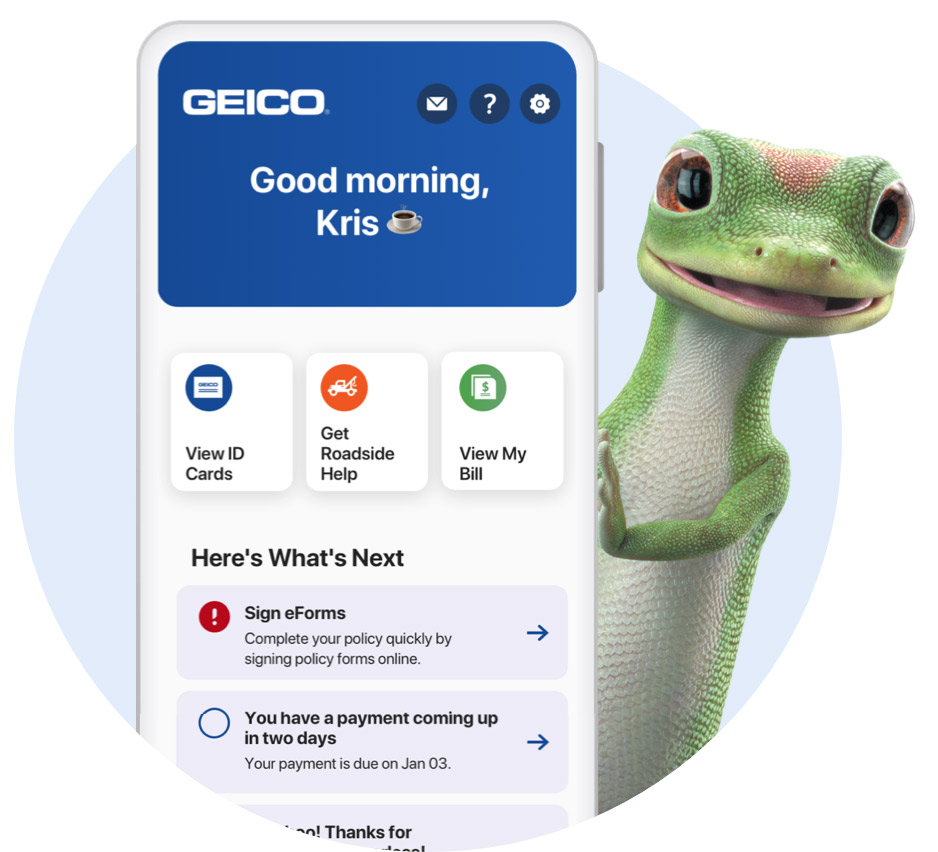
Mobile App Features for Policy Management
The GEICO mobile app is a robust financial tool that puts policy management at your fingertips.
- Convenient Payments: Easily make payments, view billing history, and set up automatic payments, ensuring you stay current and avoid late fees or policy lapses.
- Digital ID Cards: Accessing your insurance ID cards digitally is convenient and helps avoid potential legal issues if you forget your physical card.
- Claims Filing and Tracking: The app allows you to initiate a claim, upload photos, and track its progress, simplifying what can often be a stressful financial event.
- Virtual Assistant: Many apps, including GEICO’s, now include virtual assistants that can answer common questions about your policy or billing.
Customer Support and Financial Guidance
While GEICO emphasizes its direct model, it still provides ample avenues for personalized support.
- Agent Availability: Despite the robust online presence, GEICO offers phone and sometimes local agent support to help you understand complex coverage options, clarify discounts, or assist with financial planning related to your policy. This human element is valuable for those who prefer direct consultation.
- Coverage Advice: Agents can provide insights into what coverage levels might be appropriate for your specific financial situation, helping you strike the right balance between protection and cost.
In conclusion, “how much is GEICO car insurance” is a dynamic question with a highly individual answer. By understanding the underlying factors that drive premiums, actively seeking out and applying for discounts, rigorously comparing GEICO’s offerings with other insurers, and strategically managing your policy within your overall financial framework, you can ensure you’re getting the best possible value for your car insurance dollar. Car insurance is a significant financial commitment, and an informed, proactive approach is key to optimizing this essential expense.
aViewFromTheCave is a participant in the Amazon Services LLC Associates Program, an affiliate advertising program designed to provide a means for sites to earn advertising fees by advertising and linking to Amazon.com. Amazon, the Amazon logo, AmazonSupply, and the AmazonSupply logo are trademarks of Amazon.com, Inc. or its affiliates. As an Amazon Associate we earn affiliate commissions from qualifying purchases.