
In the landscape of modern personal finance, fuel remains one of the most volatile yet non-negotiable line items in the average household budget. As inflation fluctuates and global energy markets shift, consumers are increasingly turning to warehouse clubs to insulate their wallets from rising costs. Among these, Costco Wholesale stands as a titan of value, often serving as the benchmark for the “lowest price in town.” However, understanding “how much gas is at Costco” requires more than just looking at a digital sign; it requires a comprehensive analysis of membership ROI, opportunity costs, and strategic cash-flow management.
For the savvy individual looking to optimize their personal finance strategy, Costco’s fuel stations are not just a convenience—they are a financial tool. By analyzing the price delta between warehouse fuel and traditional retailers, we can uncover the true economic impact of a Costco membership on your annual bottom line.
The Financial Advantage of Costco Gas: More Than Just a Discount
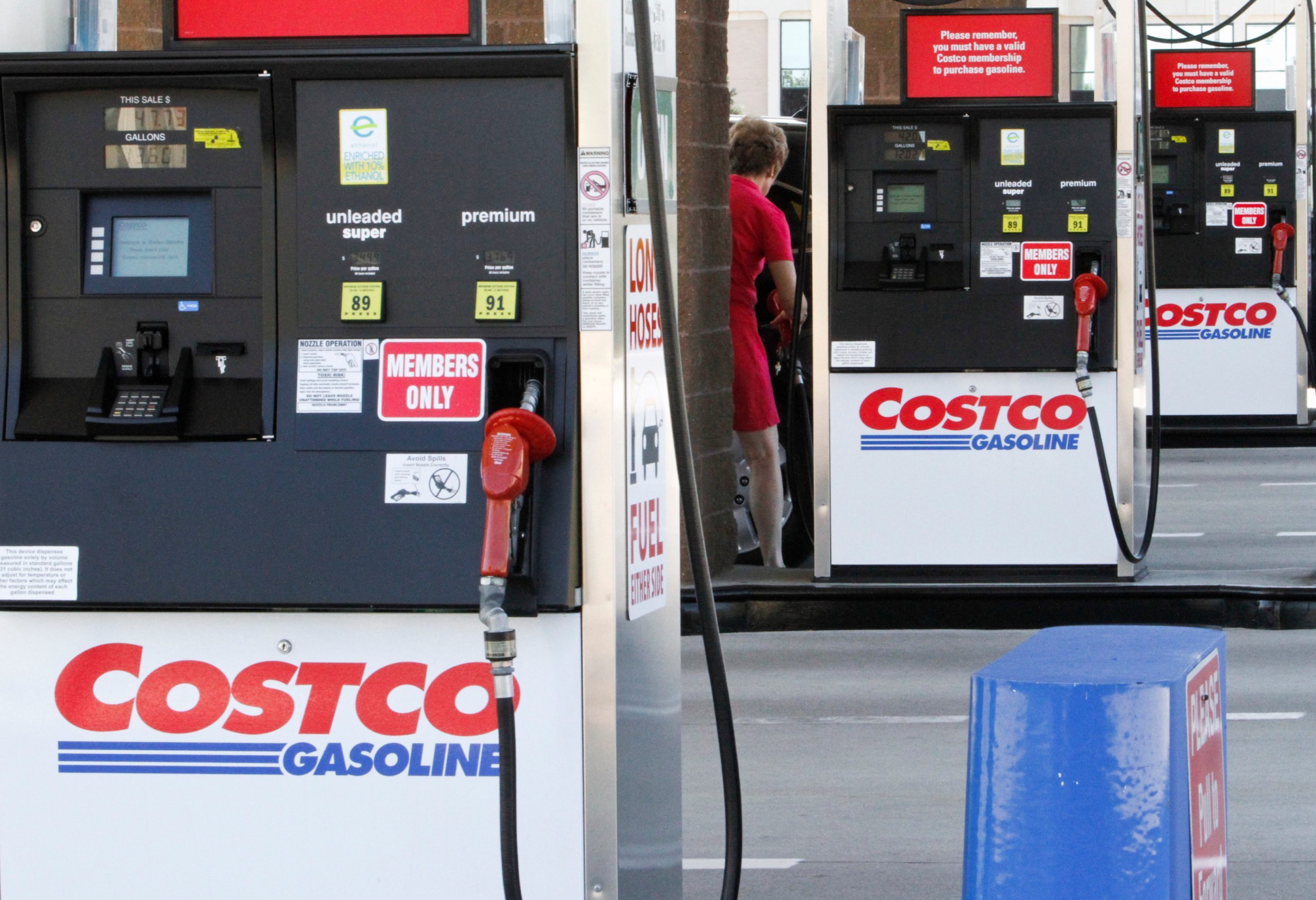
At its core, Costco’s gasoline strategy is a “loss leader” or “low-margin” model designed to drive foot traffic into the warehouse. From a personal finance perspective, this offers a unique advantage. While traditional gas stations often rely on high margins from fuel to offset lower volumes, Costco leverages its massive membership base to sell fuel at prices that are consistently $0.10 to $0.30 lower than the national average.
Comparative Pricing Strategies
Costco’s pricing is localized. In many regions, the price per gallon can be significantly lower than neighboring Exxon, Shell, or BP stations. This is largely because Costco operates on a high-volume, low-margin business model. For a consumer, this means that every gallon pumped is a direct contribution to “forced savings.” If an individual drives 12,000 miles per year in a vehicle that gets 25 miles per gallon, they consume 480 gallons annually. A $0.20 per gallon savings at Costco translates to nearly $100 in annual savings—effectively paying for a basic membership and then some.
The Quality-to-Cost Ratio (Top Tier™ Detergent)
When discussing the “cost” of gas, one must consider the long-term financial health of the vehicle. Costco fuel is certified as “TOP TIER™,” meaning it contains higher concentrations of detergent additives designed to keep engines clean. From a financial planning standpoint, this is a preventive measure. Using lower-quality fuel can lead to carbon buildup, reduced fuel efficiency, and expensive engine repairs over time. By providing premium-grade cleaning agents at a discount price, Costco offers a double financial benefit: immediate savings at the pump and long-term savings on vehicle maintenance.
Analyzing the Membership ROI: Is the Fee Worth the Gas Savings?
One cannot discuss the price of gas at Costco without factoring in the “entry fee.” To access these prices, one must hold a Gold Star ($60/year) or Executive Membership ($120/year). Determining whether the gas is “worth it” depends entirely on your consumption patterns and your ability to reach the “break-even point.”
Calculating the Break-Even Point
To determine the financial viability of a membership solely for gas, use the following formula:
Annual Membership Fee / Average Savings Per Gallon = Gallons needed to break even.
If you pay $60 for a membership and save an average of $0.20 per gallon, you must pump 300 gallons per year to break even. For a standard 15-gallon tank, that is 20 fill-ups per year. For commuters or families with multiple vehicles, this break-even point is often reached within the first four to five months of the year. Beyond that point, every dollar saved at the pump is pure profit for your household budget.
The Executive Membership and Cash Back
For those focused on maximizing their “Online Income” or passive returns, the Executive Membership offers a 2% reward on most purchases. While fuel itself is historically excluded from the 2% reward program, the gas station acts as a “gateway” that brings members to the warehouse where they perform their high-value shopping. However, when paired with the Costco Anywhere Visa® Card by Citi, the financial math shifts significantly. This card offers 4% cash back on eligible gas for the first $7,000 per year. For a heavy commuter, this 4% rebate on already-discounted fuel is one of the most effective fuel-hedging strategies available in personal finance today.
Strategic Budgeting: How Fuel Prices Impact Your Monthly Cash Flow
Fuel is often a “leaky bucket” in a household budget—an expense that grows quietly and eats into discretionary income. By centering your fueling strategy around Costco, you can bring a level of predictability to your monthly cash flow.
The Ripple Effect on Personal Finance
High gas prices don’t just affect the car; they affect the ability to save for retirement, pay down debt, or invest in side hustles. By consistently paying $5 to $8 less per tank, a consumer can reallocate that “found money” toward high-interest debt or an automated savings plan. While $8 a week may seem negligible, when compounded annually ($416), it represents a significant contribution to an Emergency Fund or a Roth IRA. In the world of finance, small, recurring optimizations are the foundation of wealth building.
Maximizing Rewards with Financial Tools
The most financially literate Costco members treat the gas station as part of a broader “financial ecosystem.” They utilize apps like GasBuddy or the Costco mobile app to track local price fluctuations. By timing their fill-ups during the middle of the week—when lines are shorter and prices are often more stable—they maximize the value of their time and money. Integrating these savings into a budgeting app like YNAB (You Need A Budget) or Mint allows the user to see exactly how much their “Costco strategy” is contributing to their overall financial health.
The Hidden Costs and Time-Value Analysis
No financial analysis is complete without considering the “cost of time.” In personal finance, the concept of Opportunity Cost is vital. If the price of gas at Costco is significantly lower, the trade-off is often a long line at the pump.
Opportunity Cost of the Waiting Line
If you spend 30 minutes in line to save $3.00 on a 15-gallon fill-up, you are essentially valuing your time at $6.00 per hour. For many professionals, this is a poor financial trade. To truly benefit from Costco gas, one must be strategic. Pro-tip for the financially minded: Costco gas stations typically open earlier and stay open later than the warehouse itself (often 6:00 AM to 9:30 PM). Pumping gas during “off-peak” hours—early morning or late evening—ensures that you capture the financial savings without sacrificing the valuable time that could be spent on a side hustle or with family.
Geographic Variability and Price Tracking
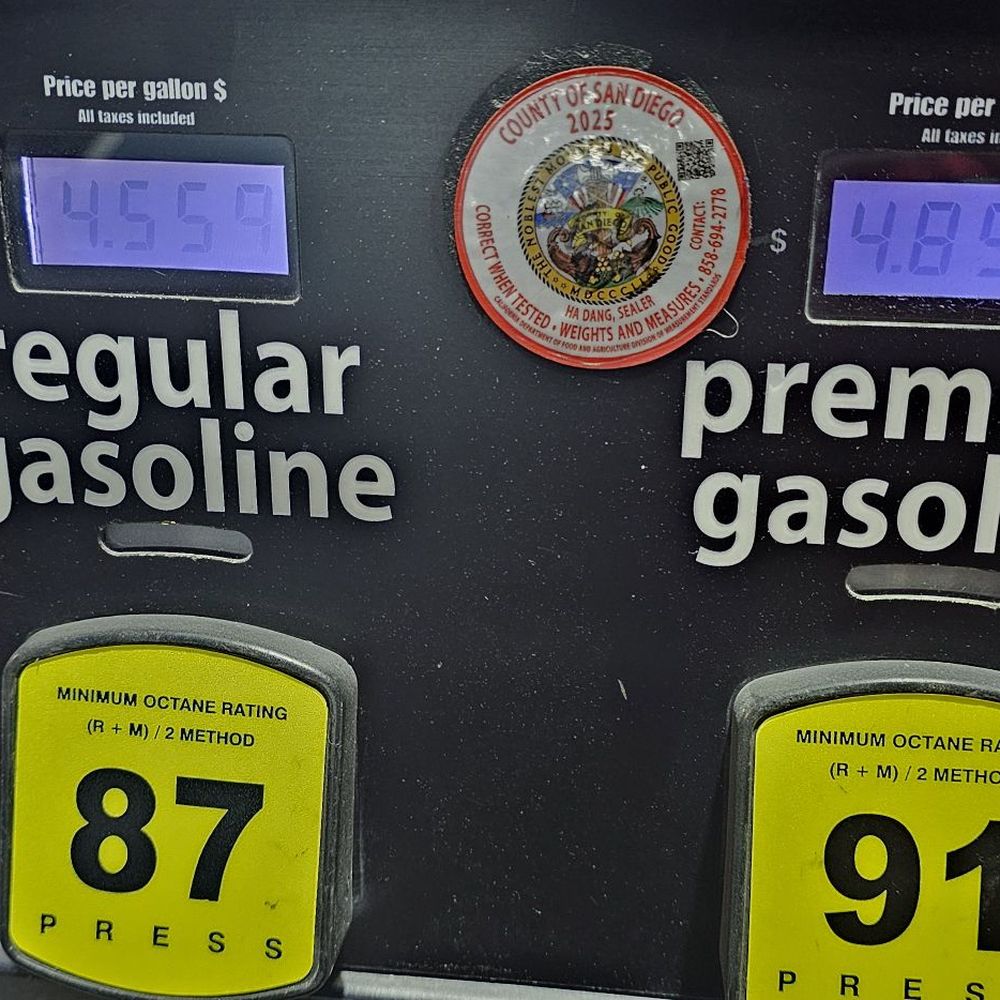
“How much is gas at Costco” is a question that changes by zip code. In high-tax states like California or Washington, the delta between Costco and a standard station might be $0.50 or more, making the membership an absolute necessity for financial survival. In areas with lower competition or lower fuel taxes, the gap might be narrower. Utilizing digital tools to monitor these prices ensures that you aren’t driving 10 miles out of your way (spending more on fuel than you save) just to get to a Costco pump.

Long-Term Financial Planning and the Future of Bulk Retail Fueling
As we look toward the future of personal finance, the role of the “warehouse club” is evolving. With the rise of Electric Vehicles (EVs), Costco is beginning to pivot toward charging stations. However, for the foreseeable future, internal combustion engines remain the primary mode of transport for the global workforce.
Maintaining a membership for discounted fuel is a form of “inflation hedging.” When the price of oil spikes due to geopolitical instability, Costco’s lag in raising prices (due to their inventory turnover) often provides a multi-day window of savings for members. This “buffer” is a valuable asset in a volatile economy.
Furthermore, the discipline required to maintain a Costco fueling routine often spills over into other areas of business finance. It encourages bulk buying, price comparison, and the avoidance of “convenience taxes”—those small, overpriced purchases made at traditional gas station convenience stores. By avoiding the $4.00 bottle of water or the $2.00 candy bar at the gas station checkout, and instead buying those items in bulk inside the warehouse, the financial “win” of the Costco trip is multiplied.
In conclusion, the question of “how much is gas at Costco” is not merely about a number on a screen. It is a question of how much you value your long-term financial stability. Through strategic membership use, the application of high-reward credit cards, and a keen understanding of opportunity cost, the Costco gas station becomes a cornerstone of a robust personal finance strategy. For the individual dedicated to optimizing every dollar, those few cents of savings per gallon are the building blocks of a much larger financial success story.
aViewFromTheCave is a participant in the Amazon Services LLC Associates Program, an affiliate advertising program designed to provide a means for sites to earn advertising fees by advertising and linking to Amazon.com. Amazon, the Amazon logo, AmazonSupply, and the AmazonSupply logo are trademarks of Amazon.com, Inc. or its affiliates. As an Amazon Associate we earn affiliate commissions from qualifying purchases.