
For millions of Americans, managing chronic health conditions often comes with the added burden of understanding and affording prescription medications. Among the most critical of these is Eliquis (apixaban), a widely prescribed anticoagulant used to prevent dangerous blood clots in patients with conditions like atrial fibrillation, deep vein thrombosis (DVT), and pulmonary embolism (PE). While life-saving and highly effective, the cost of Eliquis without health insurance can be astronomically high, posing a significant financial challenge and sometimes forcing difficult decisions about treatment adherence.
This article delves into the complexities of Eliquis pricing for uninsured individuals, exploring the factors that contribute to its high cost, providing insights into typical out-of-pocket expenses, and — most importantly — outlining actionable strategies and resources available to help patients access this vital medication without breaking the bank. Understanding these dynamics is not just about budgeting; it’s about ensuring continuous access to necessary healthcare and protecting one’s financial well-being.
Understanding the High Cost of Prescription Medications in the U.S.
The United States stands out globally for the high price of its prescription drugs. For those without the buffer of health insurance, these costs can be particularly crippling, especially for essential medications like Eliquis. Unpacking why these prices are so elevated is the first step toward finding solutions.
Factors Driving Drug Prices
Several interwoven factors contribute to the steep cost of medications in the U.S., which directly impacts the cash price for uninsured individuals:
- Research and Development (R&D) Costs: Pharmaceutical companies argue that the immense investment required for drug discovery, clinical trials, and regulatory approval justifies high prices. Developing a new drug can take over a decade and cost billions of dollars, with many promising candidates failing before market entry.
- Market Exclusivity and Patents: Once a drug like Eliquis is approved, its manufacturer (Bristol Myers Squibb and Pfizer, in this case) holds patent protection for a specified period. This exclusivity grants them a monopoly, allowing them to set prices without direct competition from generic versions. While Eliquis’s primary patents were set to expire, complexities surrounding its formulation and various indications have extended its market dominance, delaying the widespread availability and impact of generic apixaban on pricing for some time.
- Lack of Price Negotiation: Unlike many other developed nations where government bodies negotiate drug prices with manufacturers, Medicare (the largest single payer for prescriptions in the U.S.) historically had limited ability to negotiate prices directly. While recent legislation (the Inflation Reduction Act) has begun to change this, its full impact on all drugs and all patients will take time to materialize. Private insurers do negotiate, but their power often doesn’t translate to lower cash prices for the uninsured.
- Complex Supply Chain and Markups: The journey of a drug from manufacturer to patient involves multiple intermediaries, including wholesalers, distributors, and pharmacies. Each step in this complex supply chain adds its own markup, further inflating the final retail price.
- “What the Market Will Bear” Pricing: In a system where drug efficacy can be literally life-saving, pharmaceutical companies often price drugs at what they perceive the market, or rather, the insurance companies and patients, are willing to pay, especially for innovative or first-in-class treatments.
The Impact on Uninsured Patients
For individuals managing conditions requiring Eliquis, being uninsured magnifies these pricing challenges into a critical health and financial crisis.
- Financial Burden and Healthcare Access: The inability to afford Eliquis can lead to immense financial strain, forcing individuals to choose between paying for their medication and covering other basic necessities like food or housing. This can create a significant barrier to accessing essential care, even when a diagnosis has been made.
- Risk of Non-Adherence: When costs are prohibitive, patients may resort to skipping doses, taking partial doses, or discontinuing their medication altogether. For an anticoagulant like Eliquis, non-adherence carries severe risks, including an increased likelihood of stroke, heart attack, or fatal blood clots, effectively negating the medical benefits and leading to worse health outcomes and potentially higher emergency care costs down the line.
Navigating Eliquis Costs Without Insurance
Given the high base price, understanding the actual cash price you might pay and why it fluctuates is crucial. More importantly, knowing how to actively seek lower prices can make a significant difference.
Average Cash Price Estimates for Eliquis
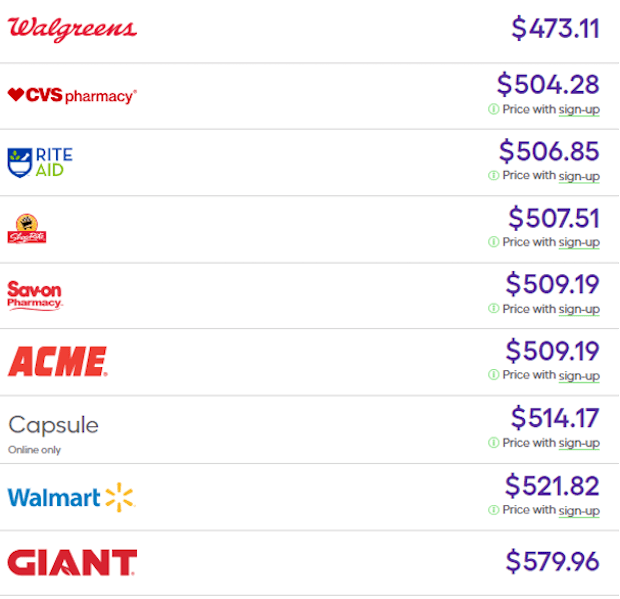
Without insurance, the cash price for a 30-day supply of Eliquis typically ranges dramatically. Depending on the pharmacy, dosage, and location, you might expect to pay anywhere from $450 to over $600 per month. For some pharmacies, the price could even creep higher.
- Dosage and Supply Variations: Eliquis is commonly prescribed in 2.5mg and 5mg tablets, usually twice daily. While a 30-day supply of a particular dosage will have a set price at a given pharmacy, opting for a 90-day supply (if available and prescribed) might sometimes offer a slight per-pill discount, though the upfront cost will be higher.
- Geographic Price Differences: Drug prices can vary significantly from one state or even one city to another, reflecting different market dynamics, local competition, and pharmacy operational costs.
- Pharmacy-Specific Pricing: Even within the same geographic area, prices can differ substantially between major chain pharmacies (e.g., CVS, Walgreens, Rite Aid), independent pharmacies, and big-box store pharmacies (e.g., Walmart, Costco). It pays to call around and compare.
Why the Price Varies So Much
The variation in cash prices is not arbitrary but rooted in how pharmacies acquire and price medications.
- Wholesale Acquisition Cost (WAC) vs. Retail Price: The WAC is the list price at which manufacturers sell drugs to wholesalers. Pharmacies then add their markup to this WAC to arrive at the retail cash price. This markup can vary based on the pharmacy’s business model, volume, and competitive strategy.
- Pharmacy Benefit Managers (PBMs) and Negotiated Rates: PBMs are third-party administrators hired by health plans to manage prescription drug programs. Even for cash-paying customers, some pharmacies might use pricing algorithms influenced by their PBM contracts, or they might offer different “cash prices” depending on whether you’re using a discount card that leverages PBM-negotiated rates. This creates a complex pricing landscape where the sticker price isn’t always the lowest available cash price.
Strategies to Reduce Eliquis Costs
Facing such high costs can feel overwhelming, but several effective strategies exist to significantly reduce the out-of-pocket expense for Eliquis. Proactive research and utilization of these resources are key.
Patient Assistance Programs (PAPs)
Manufacturer-sponsored patient assistance programs are often the most impactful way for uninsured individuals to get expensive brand-name medications like Eliquis for free or at a greatly reduced cost.
- Manufacturer Programs (Bristol Myers Squibb/Pfizer): The manufacturers of Eliquis typically offer PAPs for eligible uninsured or underinsured patients. These programs often require applicants to meet specific income criteria (e.g., typically a certain percentage of the Federal Poverty Level) and residency requirements. The application process usually involves your doctor and can take some time, so it’s best to start early. These programs can often provide the medication for free for a year or more.
- Non-Profit Organizations: Several non-profit organizations specialize in helping patients afford their medications. Examples include the Patient Access Network (PAN) Foundation, The Assistance Fund, and Good Days. These organizations often provide co-pay assistance or grants for specific diseases, including those treated by Eliquis.
- Eligibility Criteria: Each program has specific income, insurance status, and residency requirements. It’s crucial to review these carefully and gather all necessary documentation (proof of income, tax returns, doctor’s prescription, etc.) to ensure a smooth application process.
Prescription Discount Cards and Coupons
These widely available tools can offer immediate savings on the cash price of Eliquis, often bringing it down by a substantial percentage.
- GoodRx, SingleCare, ScriptSave WellRx, Optum Perks: These popular platforms provide free discount cards or printable coupons that can be used at most pharmacies. By entering your medication and zip code on their websites or apps, you can compare prices at various local pharmacies and find coupons that offer significant savings. These discounts are often based on negotiated rates between the discount card providers (who act as a sort of PBM) and pharmacies.
- How They Work and Limitations: You simply present the coupon or card to your pharmacist when filling your prescription. While they can provide substantial savings (potentially bringing a $500 prescription down to $300-$400), they are generally not combinable with insurance, nor do they usually cover the full cost. They are best utilized by uninsured individuals or for medications not covered by one’s insurance.
Exploring Generic Alternatives
The availability of a generic version of a brand-name drug is usually the most effective long-term solution for reducing costs.
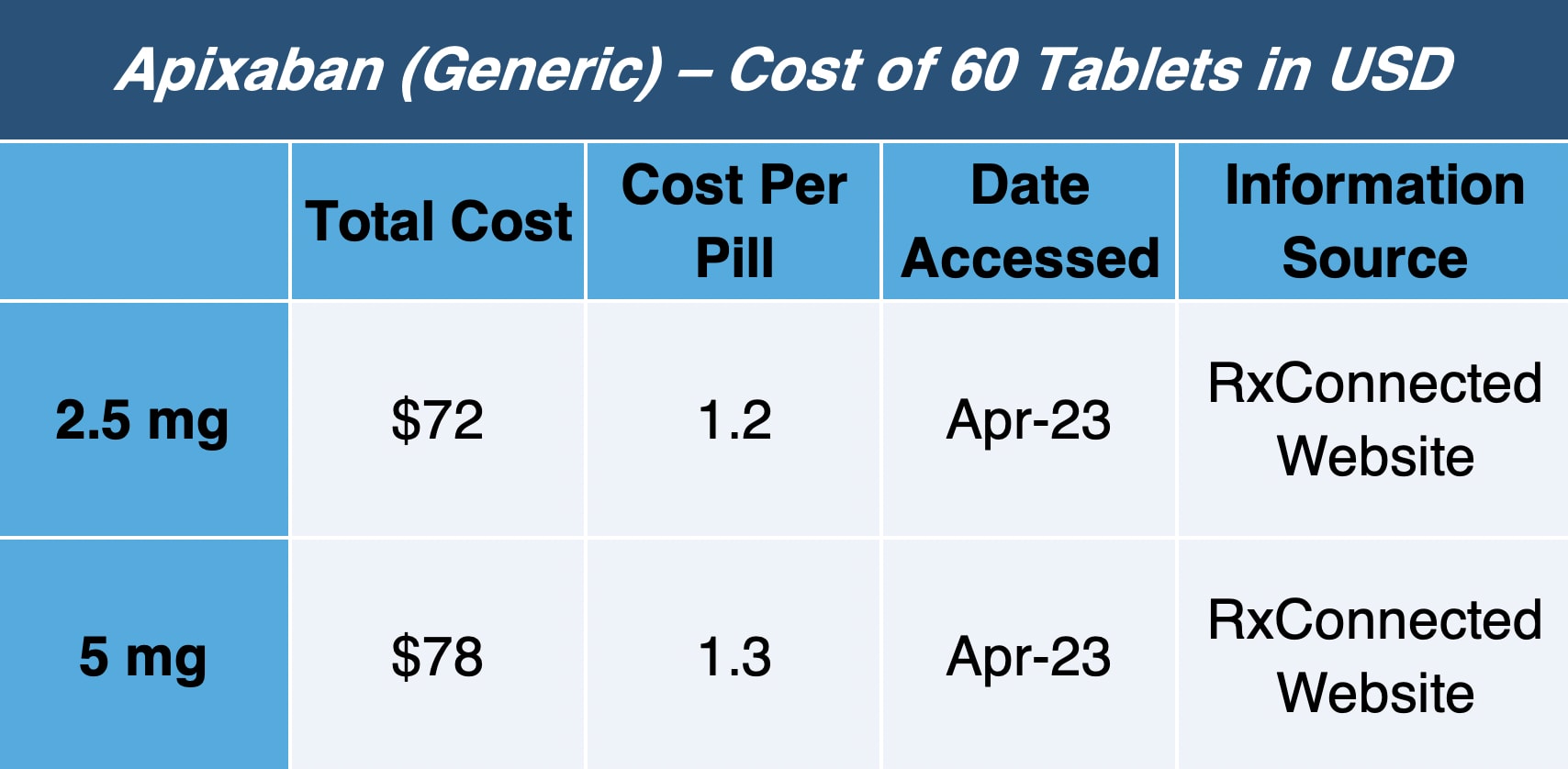
- Current Status for Eliquis (Apixaban): Generic versions of apixaban do exist and have been approved by the FDA. However, due to complex patent litigation and market dynamics, their widespread availability and impact on significantly reducing the cost of brand-name Eliquis have been gradual and somewhat limited compared to typical generic conversions. Patients should discuss with their doctor and pharmacist if generic apixaban is available and suitable for their specific condition and how its price compares. While the brand-name still commands a significant price, generic availability offers a crucial alternative for cost-conscious patients.
- Physician Consultation: Always discuss with your doctor if a generic alternative is appropriate for your specific medical needs. While bioequivalent, some patients or conditions might warrant remaining on the brand-name version based on medical judgment.
International Pharmacies and Importation (with caveats)
Some individuals explore purchasing medications from international pharmacies where prices are often significantly lower.
- Legality and Safety Concerns: While highly tempting, importing prescription drugs for personal use is generally illegal in the U.S. There are also significant safety concerns regarding the quality, authenticity, and storage conditions of medications obtained from unverified international sources. The FDA does not regulate these pharmacies, making it difficult to guarantee product safety or efficacy. This option should be approached with extreme caution and is generally not recommended as a primary strategy.
Discussion with Your Healthcare Provider
Your doctor is your primary ally in managing medication costs and can offer valuable insights and practical solutions.
- Exploring Alternative Medications: Eliquis is one of several oral anticoagulants available. While often preferred for its efficacy and safety profile, your doctor might be able to discuss other anticoagulant options (e.g., warfarin, other DOACs like Xarelto or Pradaxa) that might have generic versions or lower brand-name costs, or for which you might be eligible for different assistance programs.
- Getting Samples or Longer Prescriptions: Sometimes, pharmaceutical representatives provide doctors with samples that can cover a few weeks of medication, offering a temporary bridge. Additionally, if you’re paying cash, asking for a 90-day prescription instead of a 30-day one might sometimes reduce the per-pill cost, though it’s a larger upfront expense.
Long-Term Financial Planning for Chronic Medication
Managing the cost of a chronic medication like Eliquis without insurance requires more than just immediate solutions; it necessitates a robust long-term financial strategy.
Building an Emergency Healthcare Fund
Proactive saving can cushion the blow of unexpected medical costs, including high prescription prices.
- Importance of Savings: Dedicate a portion of your savings specifically for healthcare expenses. This fund can provide a buffer when patient assistance programs aren’t immediately available or when discount cards don’t cover enough.
- Health Savings Accounts (HSAs) and Flexible Spending Accounts (FSAs): If you eventually acquire a high-deductible health plan (HDHP), an HSA offers a triple tax advantage: tax-deductible contributions, tax-free growth, and tax-free withdrawals for qualified medical expenses. FSAs, available through employer-sponsored plans, allow pre-tax contributions for medical expenses within a plan year. These tools are invaluable for managing out-of-pocket costs, including prescription drugs, when you do have insurance.
Re-evaluating Insurance Options
While this article focuses on being without insurance, exploring options to obtain coverage is the most comprehensive long-term solution.
- Marketplace Plans (ACA) and Subsidies: The Affordable Care Act (ACA) health insurance marketplaces offer plans with varying levels of coverage. Depending on your income, you might be eligible for significant subsidies (premium tax credits and cost-sharing reductions) that can make health insurance affordable. These plans are designed to cover essential health benefits, including prescription drugs, and often cap your annual out-of-pocket maximums.
- Employer-Sponsored Plans: If available through an employer, these plans often provide the most comprehensive coverage at a competitive cost due to employer contributions.
- Medicaid Eligibility: For individuals with lower incomes, Medicaid provides free or low-cost health coverage. Eligibility requirements vary by state, but it’s a vital safety net for many.
Advocacy and Policy Changes
The high cost of prescription drugs is a systemic issue. Staying informed about and supporting policy changes aimed at drug price reform can contribute to long-term solutions for everyone.
- Future of Prescription Drug Pricing Reform: The landscape of drug pricing in the U.S. is slowly evolving with new legislation. Increased government negotiation power, faster generic approvals, and greater transparency could eventually lead to more affordable medications for all, including those without insurance.
In conclusion, the cost of Eliquis without insurance presents a formidable financial challenge, often reaching hundreds of dollars per month. However, despair is not a necessary outcome. By understanding the pricing dynamics, diligently exploring patient assistance programs, leveraging prescription discount cards, discussing generic options with your physician, and considering long-term financial and insurance planning, uninsured individuals can significantly mitigate the burden of affording this crucial medication. No one should have to choose between their health and their financial stability when effective solutions exist to make life-saving drugs like Eliquis accessible.
aViewFromTheCave is a participant in the Amazon Services LLC Associates Program, an affiliate advertising program designed to provide a means for sites to earn advertising fees by advertising and linking to Amazon.com. Amazon, the Amazon logo, AmazonSupply, and the AmazonSupply logo are trademarks of Amazon.com, Inc. or its affiliates. As an Amazon Associate we earn affiliate commissions from qualifying purchases.