
The question “how much is the dollar worth?” might seem straightforward, but its answer is anything but simple. Far beyond a mere glance at a foreign exchange rate, the true value of the dollar is a complex, multi-layered concept influenced by a myriad of economic, political, and social factors. It’s a dynamic measure that impacts everything from the price of your morning coffee to the stability of global markets, resonating deeply with personal finance decisions, international trade, and investment strategies. Understanding the dollar’s worth isn’t just an academic exercise; it’s a critical insight for anyone navigating the modern economy.
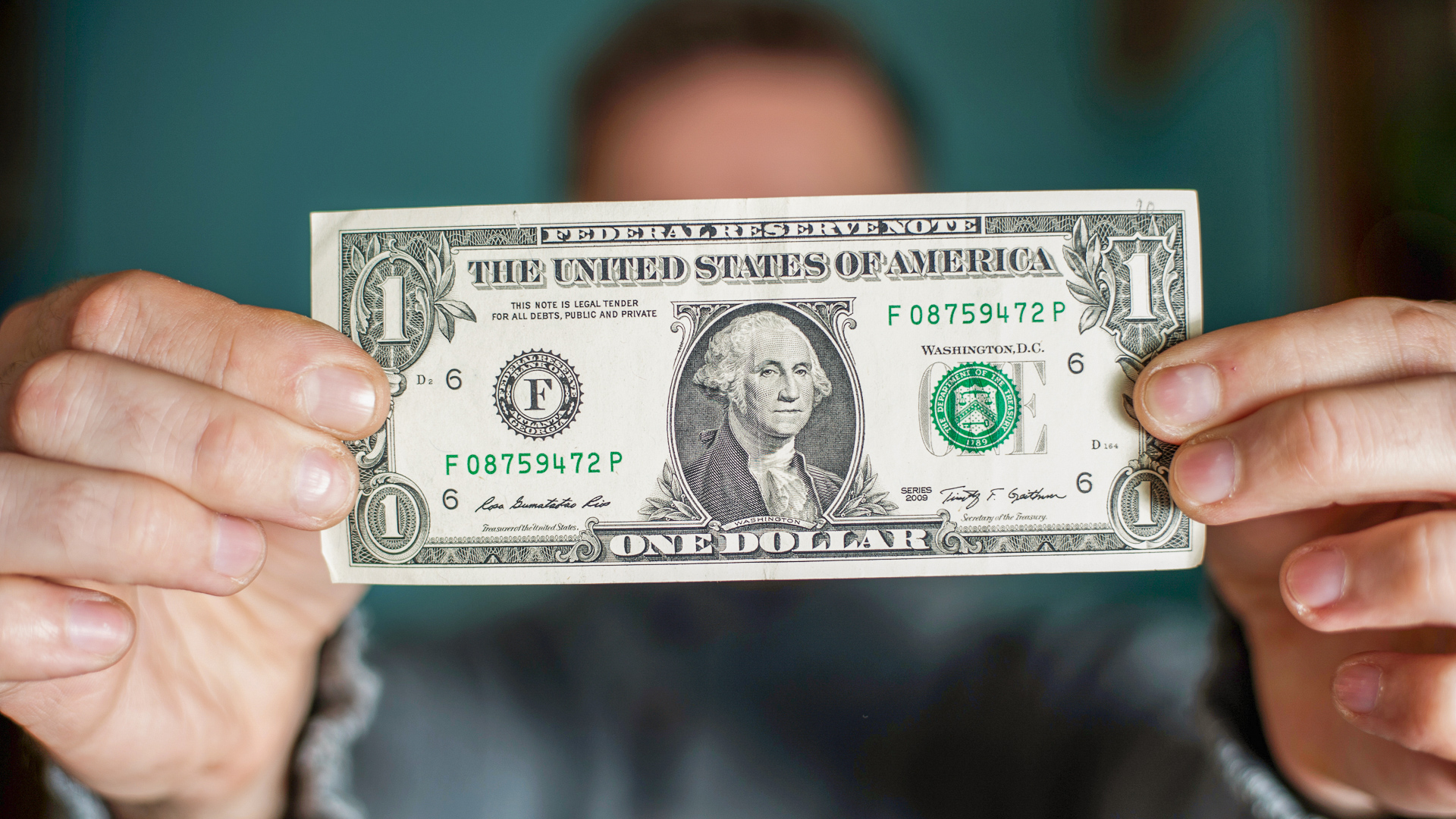
At its core, the dollar’s worth can be interpreted in several ways: its purchasing power domestically, its exchange rate against other currencies internationally, and its perceived stability as a global reserve currency. Each perspective offers a vital piece of the puzzle, revealing the dollar as a living, breathing entity whose value constantly fluctuates in response to a complex interplay of forces. This article will delve into these dimensions, demystifying the factors that determine the dollar’s real value and exploring the far-reaching implications of its strength or weakness.
Understanding the Dollar’s Value Beyond the Exchange Rate
While many instinctively look to exchange rates to gauge the dollar’s value, this is only one facet of a much larger equation. The true worth of a currency, especially one as dominant as the U.S. dollar, is a multifaceted concept that extends into the everyday lives of citizens and the intricate workings of the global financial system.
The Concept of Purchasing Power
Perhaps the most tangible measure of the dollar’s worth for the average individual is its purchasing power. This refers to the quantity of goods and services that one unit of currency can buy. When economists or consumers speak of the dollar “losing value,” they are often referring to a decrease in its purchasing power. Over time, due to various economic forces, the same amount of money tends to buy fewer items. For example, a dollar today buys significantly less than a dollar did fifty years ago. This erosion of purchasing power directly affects your savings, your retirement plans, and your daily budget. It dictates how far your paycheck stretches and the actual cost of living. A strong dollar, in this context, means your money goes further domestically, allowing you to acquire more goods and services.
Inflation and the Erosion of Value
The primary antagonist to purchasing power is inflation. Inflation is the rate at which the general level of prices for goods and services is rising, and consequently, the purchasing power of currency is falling. When inflation is high, the dollar’s worth diminishes rapidly. For instance, if the annual inflation rate is 3%, an item that cost $100 last year will cost approximately $103 this year. This means your $100 bill is effectively worth less than it was before, as it can no longer purchase the same basket of goods. Central banks, like the Federal Reserve in the U.S., constantly monitor inflation rates and adjust monetary policy to maintain price stability, aiming for a healthy, moderate level of inflation (typically around 2%) that signals economic growth without excessively eroding the dollar’s value. Unchecked inflation can lead to hyperinflation, a catastrophic scenario where the currency becomes almost worthless, as seen in historical cases in countries like Zimbabwe or Weimar Germany.
The Role of Economic Indicators
Beyond inflation, a host of economic indicators provide clues about the dollar’s underlying strength and its future trajectory. Gross Domestic Product (GDP) growth, unemployment rates, consumer confidence, manufacturing output, and retail sales all paint a picture of the overall health of the U.S. economy. A robust economy, characterized by strong growth, low unemployment, and optimistic consumer sentiment, typically underpins a stronger dollar. This is because a healthy economy suggests a stable environment for investment, attracting foreign capital and increasing demand for the dollar. Conversely, signs of economic contraction or instability can weaken the dollar, signaling potential risks to investors and diminishing confidence in the currency. These indicators are constantly analyzed by financial markets, shaping perceptions of the dollar’s intrinsic value.
Key Determinants of the Dollar’s Strength
The dollar’s value is not static; it’s a dynamic entity influenced by a complex web of interconnected global and domestic factors. Understanding these determinants is crucial for grasping why the dollar fluctuates and what these movements signify.
Interest Rates and Monetary Policy
One of the most powerful levers affecting the dollar’s value is interest rates, primarily set by the Federal Reserve. When the Fed raises interest rates, it generally makes dollar-denominated assets (like U.S. bonds and savings accounts) more attractive to foreign investors seeking higher returns. This increased demand for U.S. assets translates into a greater demand for dollars, thus strengthening its value relative to other currencies. Conversely, when the Fed lowers interest rates, the appeal of U.S. assets diminishes, potentially leading to capital outflows and a weaker dollar. Monetary policy, therefore, acts as a critical steering wheel for the dollar’s international standing, impacting global capital flows and exchange rates.
Economic Performance and Stability
The overall economic performance and stability of the United States are foundational to the dollar’s perceived worth. A strong and growing U.S. economy, characterized by consistent GDP growth, low unemployment, and a stable political environment, fosters confidence among international investors and trading partners. This confidence translates into increased demand for the dollar for various purposes: investing in U.S. businesses, purchasing U.S. goods and services, and simply holding dollars as a safe asset. Conversely, periods of economic recession, high unemployment, or political uncertainty can erode confidence, leading to a flight from the dollar and a decline in its value. The dollar’s status as a global reserve currency further amplifies this effect, as global investors often flock to it during times of international instability, viewing it as a safe haven.
Geopolitical Factors and Global Demand
The dollar’s role extends far beyond U.S. borders. As the world’s primary reserve currency and the dominant currency for international trade and finance, global demand for the dollar is immense. Geopolitical events, such as international crises, wars, or shifts in global trade policies, can significantly impact this demand. During times of global uncertainty, investors often seek the safety and liquidity of the U.S. dollar, driving up its value. Furthermore, a substantial portion of global commodities, including oil, is priced in dollars, creating constant demand regardless of U.S. domestic economic performance. The sheer volume of dollar-denominated debt and transactions worldwide means that any major shift in international relations or economic policies can have a ripple effect on its value.
Debt Levels and Fiscal Policy
While perhaps less immediate than interest rates or economic growth, the U.S. national debt and government fiscal policy also play a long-term role in determining the dollar’s worth. High levels of government debt, particularly if perceived as unsustainable, can raise concerns among investors about the long-term stability of the U.S. economy and its ability to repay its obligations. This can lead to a loss of confidence and potentially weaken the dollar over time. Fiscal policy decisions, such as government spending levels, tax reforms, and budget deficits, signal the government’s approach to economic management. Prudent fiscal policies that aim for long-term sustainability tend to support a stronger dollar, while perceived recklessness can undermine it.
Measuring the Dollar’s Value in Practice
For individuals, businesses, and investors, understanding the practical ways to measure the dollar’s value is essential for making informed financial decisions. These metrics provide real-time insights into its purchasing power and international standing.

Exchange Rates: Bilateral and Trade-Weighted
The most common way people measure the dollar’s international worth is through exchange rates. A bilateral exchange rate, like USD/EUR (U.S. Dollar to Euro), tells you how many Euros you can get for one U.S. dollar, or vice versa. When the dollar “strengthens” against the Euro, it means one dollar can buy more Euros. While informative, a single bilateral rate doesn’t capture the dollar’s overall international value. For a more comprehensive view, economists use trade-weighted indexes, such as the U.S. Dollar Index (DXY). This index measures the dollar’s value against a basket of major foreign currencies (typically Euro, Japanese Yen, British Pound, Canadian Dollar, Swedish Krona, and Swiss Franc), weighted by the amount of trade the U U.S. conducts with each country. A rising DXY indicates a broad strengthening of the dollar against its major trading partners.
The Consumer Price Index (CPI) and Inflation
To measure the dollar’s domestic purchasing power and the rate of inflation, the primary tool is the Consumer Price Index (CPI). Published monthly by the Bureau of Labor Statistics, the CPI measures the average change over time in the prices paid by urban consumers for a market basket of consumer goods and services, including food, housing, apparel, transportation, medical care, and education. A rise in the CPI signifies inflation, meaning the dollar can buy less than it could previously. Conversely, a fall (deflation, which is rare and often problematic) would mean the dollar’s purchasing power is increasing. Understanding CPI trends is crucial for personal budgeting, wage negotiations, and adjusting investment strategies to protect against the erosion of savings.
Gold and Commodity Prices as Barometers
Historically, gold and other commodity prices have served as an indirect barometer of the dollar’s perceived stability and value. Since gold is often viewed as a “safe haven” asset and is typically priced in U.S. dollars, a weakening dollar can make gold relatively cheaper for those holding other currencies, potentially leading to increased demand and higher gold prices (in dollar terms). Conversely, a strong dollar can make gold more expensive for foreign buyers, possibly dampening demand and leading to lower gold prices. While not a direct measure of purchasing power, movements in commodity prices, especially gold, can reflect market sentiment about the dollar’s future direction and the broader economic outlook. When confidence in fiat currencies like the dollar wanes, investors often turn to tangible assets like gold.
Implications of a Strong vs. Weak Dollar
The dollar’s constantly shifting value has profound implications that ripple through every corner of the economy, affecting consumers, businesses, and global markets in different ways.
For Consumers and Imports
A stronger dollar generally means imported goods become cheaper for U.S. consumers. This includes everything from foreign-made electronics and clothing to international travel. Americans can enjoy lower prices on these items and find their money goes further when vacationing abroad. However, a strong dollar can also indirectly depress domestic prices, as local producers face increased competition from cheaper imports. Conversely, a weaker dollar makes imports more expensive, leading to higher prices for foreign goods and services. International travel becomes costlier, and American consumers may find their purchasing power diminished on the global stage. While this can contribute to domestic inflation, it also encourages consumers to buy domestically produced goods.
For Businesses and Exports
For U.S. businesses, the impact of dollar fluctuations is often a double-edged sword. A strong dollar makes U.S. exports more expensive for foreign buyers, potentially reducing demand for American goods and services abroad. This can hurt U.S. companies that rely heavily on international sales, impacting their revenues and potentially leading to job losses in export-oriented industries. However, a strong dollar also makes imported raw materials and components cheaper for U.S. manufacturers, which can lower production costs. Conversely, a weak dollar is generally a boon for U.S. exporters, as their products become more competitive and affordable for international customers. This can boost export volumes, stimulate domestic production, and create jobs. However, it also makes imported supplies more expensive, potentially increasing input costs for businesses.
For Investors and Global Markets
Investors are keenly attuned to the dollar’s value due to its pervasive influence on asset prices and returns. A strong dollar can make U.S. stocks and bonds more attractive to foreign investors (as their investment will be worth more when converted back to their home currency), potentially driving up equity and bond prices. However, it can also lead to capital outflows from emerging markets, as investors flock to the perceived safety and higher returns of U.S. assets. For U.S. investors, a strong dollar can negatively impact returns from international investments, as foreign currency gains are diminished when converted back to dollars. A weak dollar, on the other hand, can make U.S. assets less appealing to foreign investors but can boost the value of U.S. investors’ foreign holdings when converted back to a weaker dollar. It can also make dollar-denominated debt cheaper for foreign borrowers to repay, providing relief to countries or corporations that have borrowed in dollars.
Navigating the Dynamics of Dollar Value
Given the constant flux of the dollar’s worth, individuals and businesses must adopt proactive strategies to navigate its dynamics and mitigate potential risks while capitalizing on opportunities.
Diversification and Risk Management
For investors, diversification across different asset classes, geographies, and currencies is a cornerstone of managing currency risk. Holding a mix of U.S. and international stocks, bonds, and real estate can help cushion the impact of a strong or weak dollar on an overall portfolio. For businesses engaged in international trade, hedging strategies, such as using forward contracts or currency options, can lock in exchange rates for future transactions, providing certainty and protecting against adverse currency movements. Personal finance planning should also consider diversification, ensuring that savings and investments aren’t solely exposed to the whims of a single currency’s performance.
Staying Informed About Economic Trends
Understanding the forces that drive the dollar’s worth requires continuous monitoring of economic trends and geopolitical developments. Keeping an eye on central bank announcements (especially from the Federal Reserve), inflation reports (like the CPI), employment data, GDP figures, and major international news can provide valuable insights into the likely direction of the dollar’s value. Reputable financial news sources, economic analysis reports, and expert commentary can help distill complex information into actionable knowledge. Informed decision-making, whether for personal budgeting, investment, or business strategy, hinges on a deep awareness of these underlying economic currents.
Long-Term vs. Short-Term Perspectives
It’s crucial to distinguish between long-term and short-term perspectives when evaluating the dollar’s worth. While the dollar experiences daily and weekly fluctuations driven by market sentiment and immediate news, its long-term trajectory is shaped by fundamental economic health, productivity growth, and responsible fiscal and monetary policies. Short-term movements can present trading opportunities for speculators, but for most individuals and businesses, focusing on the long-term trends and underlying drivers provides a more stable foundation for financial planning. Understanding that the dollar’s value is not a fixed point but a continuous journey of adjustment is key to making resilient financial choices.
In conclusion, the question “how much is the dollar worth?” reveals a tapestry of interconnected financial concepts. Its value is not a simple number but a dynamic interplay of domestic purchasing power, international exchange rates, and its pivotal role as a global reserve currency. Influenced by interest rates, economic performance, geopolitical events, and fiscal policy, the dollar’s strength or weakness has far-reaching implications for everything from consumer prices to corporate profits and global investment flows. By understanding these intricate dynamics and staying informed, individuals and businesses can better navigate the complexities of the modern financial landscape, making more astute decisions in an ever-evolving economic world. The dollar’s worth is a constant reflection of trust, stability, and economic vitality, a barometer of the U.S. economy’s standing in a highly integrated global system.
aViewFromTheCave is a participant in the Amazon Services LLC Associates Program, an affiliate advertising program designed to provide a means for sites to earn advertising fees by advertising and linking to Amazon.com. Amazon, the Amazon logo, AmazonSupply, and the AmazonSupply logo are trademarks of Amazon.com, Inc. or its affiliates. As an Amazon Associate we earn affiliate commissions from qualifying purchases.