
Navigating the landscape of car insurance can often feel like deciphering a complex financial puzzle. Among the various types of coverage available, comprehensive insurance stands out for its broad protection against non-collision incidents. Unlike liability insurance, which covers damages you cause to others, or collision insurance, which covers damage to your own vehicle from an accident, comprehensive coverage acts as a financial safeguard against an array of other unforeseen events. Understanding its cost, what it covers, and how it fits into your overall financial planning is crucial for making informed decisions about your assets.
Understanding Comprehensive Insurance
Comprehensive insurance is designed to protect your vehicle from damages that aren’t the result of a collision with another vehicle or object. It’s an essential component of a robust auto insurance policy, particularly for those with leased or financed vehicles, or anyone looking to protect a significant investment.
What Comprehensive Insurance Covers
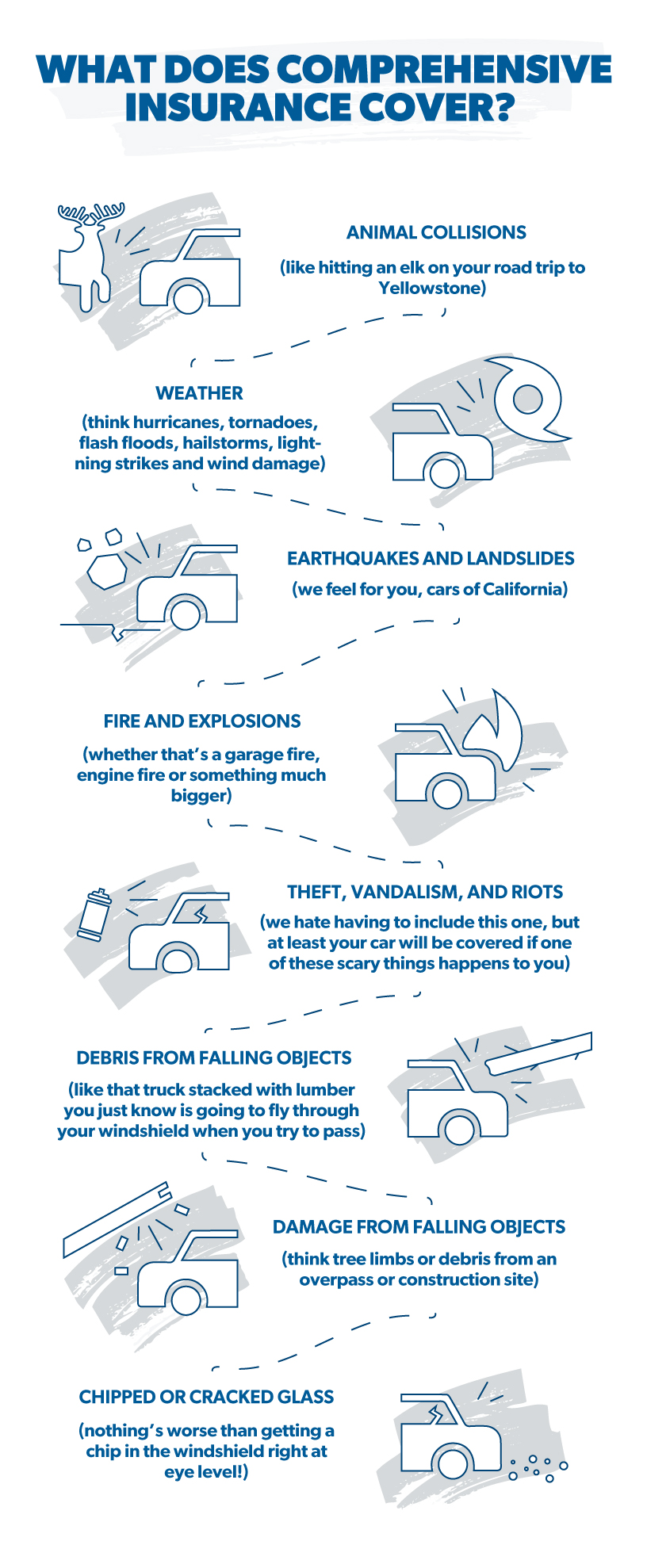
This coverage acts as a broad safety net, offering financial protection for a wide range of scenarios that are outside of your control or an at-fault accident. The specific perils typically covered by comprehensive insurance include:
-
Theft: If your car is stolen, comprehensive insurance can cover the cost of replacing it, up to its actual cash value.
-
Vandalism: Damages resulting from malicious acts, such as graffiti, broken windows, or slashed tires, are typically covered.
-
Natural Disasters: This includes damage from events like hurricanes, tornadoes, floods, hail, earthquakes, and wildfires.
-
Animal Collisions: Striking an animal, such as a deer or a bear, is usually covered under comprehensive, not collision, insurance.
-
Falling Objects: Damage from falling trees, branches, rocks, or other debris is typically included.
-
Fire: If your vehicle catches fire, comprehensive insurance can cover the repair or replacement costs.
-
Glass Breakage: Often, windshield and window damage from non-collision events are covered, sometimes with a separate, lower deductible or even no deductible, depending on your policy.
It’s important to note that while comprehensive insurance offers extensive protection, it does not cover everything. It typically does not cover damages from an accident involving another vehicle or object (that’s collision coverage), nor does it cover wear and tear, mechanical breakdowns, or personal belongings stolen from your car (which might be covered by homeowners or renters insurance).
Who Needs Comprehensive Coverage?
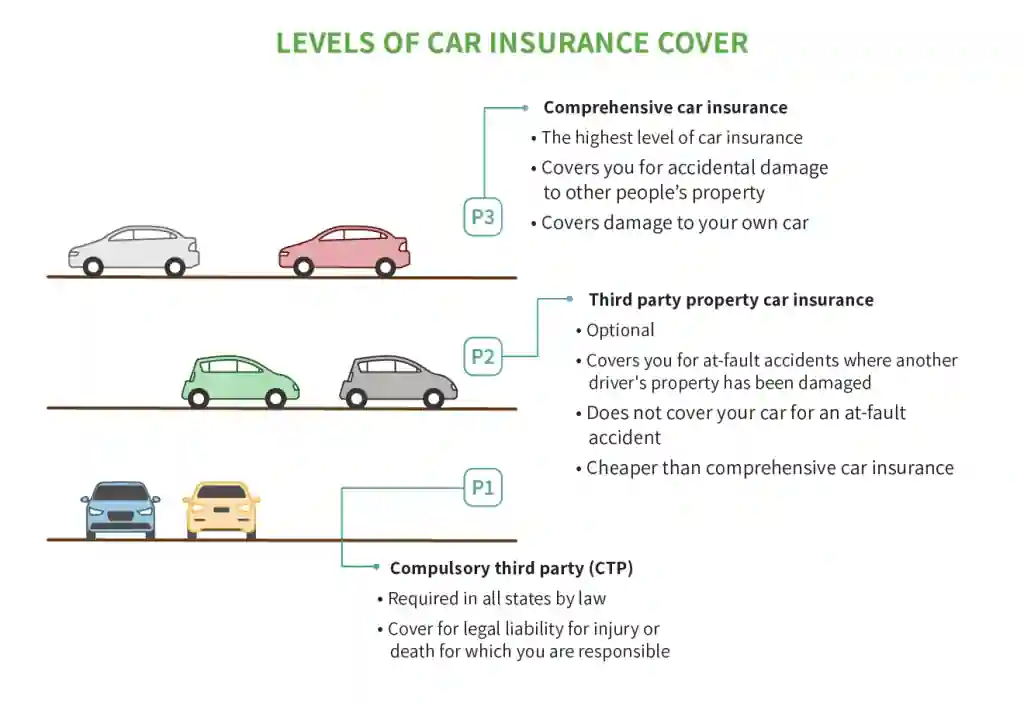
While liability insurance is legally mandated in most states, comprehensive insurance is often optional for vehicle owners. However, it becomes a mandatory requirement if your vehicle is leased or financed. Lenders and leasing companies require comprehensive and collision coverage to protect their financial interest in the asset.
Even if not legally required, comprehensive coverage is highly advisable for several groups:
-
Newer or High-Value Vehicles: If your car is new or has a high market value, the potential cost of repairing or replacing it after an incident like theft or hail damage can be substantial. Comprehensive coverage protects this significant investment.
-
Vehicles in High-Risk Areas: If you live in an area prone to natural disasters (e.g., hurricanes, hailstorms), high crime rates (e.g., car theft, vandalism), or frequent animal collisions, comprehensive coverage offers critical financial protection.
-
Those Seeking Peace of Mind: For many, the financial security and reduced stress of knowing their vehicle is protected against a wide array of non-accident perils make comprehensive coverage a worthwhile expense. Without it, you would be solely responsible for these costs.
Key Factors Influencing Comprehensive Insurance Costs
The cost of comprehensive insurance is not a fixed figure; it’s a dynamic variable influenced by a multitude of factors related to your vehicle, your personal profile, and the specifics of your policy. Understanding these drivers is key to anticipating and potentially lowering your premiums.
Vehicle-Specific Factors
The car you drive plays a significant role in determining your comprehensive premium.
-
Make, Model, and Year: Newer, luxury, or high-performance vehicles typically cost more to insure comprehensively. This is due to their higher value, the expense of replacement parts, and potentially higher repair labor costs.
-
Vehicle Value: Since comprehensive insurance covers the actual cash value of your car in cases of total loss (e.g., theft or severe damage), a more expensive car translates to a higher potential payout for the insurer, thus increasing your premium.
-
Theft Rates: Some car models are statistically more likely to be stolen than others. If your vehicle falls into this category, insurers may charge a higher comprehensive premium to offset the increased risk.
-
Safety Features: Advanced anti-theft devices (e.g., alarms, immobilizers, GPS tracking) and passive safety features (e.g., automatic emergency braking) can sometimes lead to discounts, as they reduce the likelihood of theft or severe damage from certain incidents.
Driver-Specific Factors
Your personal driving history and demographic information also weigh heavily on comprehensive insurance costs.
-
Driving Record: A clean driving record, free of accidents or moving violations, generally signals a lower risk to insurers, often resulting in lower premiums across all coverage types, including comprehensive.
-
Age and Experience: Younger, less experienced drivers are often perceived as higher risk by insurers due to statistical data indicating a greater propensity for accidents and claims. Premiums tend to decrease as drivers gain more experience and reach certain age milestones.
-
Location: Where you live and park your car significantly impacts your rates. Urban areas with higher crime rates (theft, vandalism) or regions prone to specific natural disasters (e.g., hurricanes along the coast, hailstorms in certain states) will typically have higher comprehensive premiums.
-
Credit Score: In many states, insurers use a credit-based insurance score as a factor in determining premiums. A higher score is often associated with more responsible financial behavior and, statistically, fewer claims, potentially leading to lower rates. (Note: This is prohibited in some states like California, Hawaii, Massachusetts, Michigan, and Washington).
-
Annual Mileage: If you drive fewer miles annually, you may be considered a lower risk, as your vehicle has less exposure to potential hazards, which can sometimes result in reduced premiums.
Policy-Specific Factors
The choices you make when configuring your insurance policy directly affect the cost of comprehensive coverage.
-
Deductible Amount: The deductible is the amount you pay out-of-pocket before your insurance coverage kicks in. Choosing a higher deductible (e.g., $1,000 instead of $500) will lower your comprehensive premium, as you are assuming more of the initial financial risk. Conversely, a lower deductible means a higher premium.
-
Coverage Limits: While comprehensive coverage has specific limits based on your vehicle’s actual cash value, the overall structure of your policy and the bundling of different coverages can influence comprehensive rates through various discounts.
-
Discounts: Insurers offer a wide array of discounts that can reduce your comprehensive premium. These include bundling auto and home insurance, multi-car discounts, good student discounts, discounts for anti-theft devices, and low mileage discounts.
Average Costs and How to Get a Quote
The cost of comprehensive insurance varies significantly across individuals and regions, making it challenging to provide a single average figure. However, understanding the typical ranges and the process for obtaining quotes can help you budget effectively.
National Averages and Ranges
On its own, comprehensive insurance might cost anywhere from $100 to $350 annually, though this is a very broad estimate and can fluctuate wildly. When combined with collision coverage, it forms what is often referred to as “full coverage,” with the total premium for both comprehensive and collision typically ranging from $500 to $1,500+ annually, depending on all the factors mentioned above.
It’s crucial to understand that these figures are national averages and your personal cost could be significantly higher or lower based on your unique circumstances, including your location, driving record, vehicle type, and chosen deductible. For instance, a driver in a high-theft urban area with a new luxury car might pay substantially more than a driver in a rural area with an older, less expensive vehicle.
The Quoting Process
Getting an accurate quote tailored to your specific situation is the only way to truly understand how much comprehensive insurance will cost you. The process typically involves:
-
Gathering Necessary Information: You’ll need details about your vehicle (make, model, year, VIN), your driving history (accidents, violations), personal information (age, address, occupation), and sometimes your credit history (where permitted).
-
Choosing Your Deductible: Decide what deductible amount you are comfortable paying out-of-pocket for a claim. Remember, a higher deductible means lower premiums, but a larger initial expense if you file a claim.
-
Comparing Options: You have several avenues for obtaining quotes:
-
Online Aggregators: Websites that allow you to input your information once and receive multiple quotes from various insurers. This is a convenient way to compare rates quickly.
-
Direct Insurers: Visiting the websites of individual insurance companies (e.g., GEICO, Progressive, State Farm, Allstate) to get quotes directly.
-
Independent Agents: These agents work with multiple insurance companies and can help you find the best policy and rate that fits your needs. They can offer personalized advice and often uncover discounts you might miss.
-
Captive Agents: These agents work exclusively for one insurance company and can provide in-depth information about that company’s offerings.
-
Understanding Your Quote
When reviewing quotes, don’t just look at the bottom-line premium. Carefully examine:
-
Coverage Details: Ensure the quote specifically includes comprehensive coverage and understand its limits.
-
Deductibles: Confirm the deductible amount for comprehensive coverage is what you intended.
-
Discounts Applied: Check which discounts have been included and inquire about others you might be eligible for.
-
Payment Schedule: Understand if the premium is paid monthly, quarterly, or annually, and if there are any savings for paying in full.
Strategies to Lower Your Comprehensive Insurance Premium
While certain factors like your age or location are beyond your immediate control, several proactive strategies can help reduce the cost of your comprehensive insurance.
Adjusting Your Deductible
One of the most direct ways to lower your premium is by increasing your deductible. If you opt for a higher deductible (e.g., $1,000 instead of $500), your insurer will pay less for covered claims, and they will pass those savings on to you in the form of a lower premium. However, ensure you have an emergency fund sufficient to cover the higher deductible should you need to file a claim.
Leveraging Discounts
Actively inquire about and apply for all eligible discounts. Common discounts include:
-
Bundling Policies: Combining your auto insurance with home, renters, or life insurance from the same provider often results in significant savings.
-
Anti-Theft Devices: Installing approved alarm systems, vehicle recovery systems (like LoJack), or simply having an immobilizer can earn you a discount.
-
Telematics Programs: Many insurers offer programs that monitor your driving habits (speed, braking, mileage) via an app or device. Safe drivers can earn discounts.
-
Good Driver/Accident-Free: Maintaining a clean driving record for a specified period.
-
Multi-Car Discount: Insuring more than one vehicle with the same company.
-
Good Student Discount: For young drivers who maintain a certain GPA.
-
Low Mileage Discount: If you don’t drive frequently.
Vehicle Choice and Maintenance
The type of car you drive fundamentally impacts your comprehensive premium.
-
Choose Lower-Risk Vehicles: When purchasing a vehicle, consider its theft rates, repair costs, and safety ratings. Vehicles that are less prone to theft, have readily available and inexpensive parts, and are highly rated for safety often cost less to insure.
-
Maintain Your Vehicle: While comprehensive coverage doesn’t cover mechanical breakdown, keeping your car in good condition can reduce the likelihood of certain damages (e.g., a poorly maintained car might be more susceptible to fire from an electrical fault, though this is less direct).
Regular Rate Shopping
Insurance rates are not static. They can change due to market conditions, your personal profile updates, and new offerings from insurers.
-
Shop Annually: Make it a habit to compare quotes from multiple providers at least once a year, or whenever your policy is up for renewal.
-
Life Event Review: Major life changes—such as getting married, moving to a new home, buying a new car, or changing jobs—can all impact your insurance rates. Review your policy and shop around after these events.
Improving Your Financial Profile
Where permissible by law, maintaining a good credit score can positively impact your insurance premiums. A higher credit-based insurance score often correlates with lower rates. Similarly, consistently maintaining a clean driving record signals responsibility to insurers.
When Comprehensive Insurance Might Not Be Worth It
While comprehensive insurance offers valuable protection, there are specific scenarios where its cost might outweigh its benefits, particularly for older, lower-value vehicles.
Older, Low-Value Vehicles
As a car ages, its market value depreciates. At some point, the annual premium for comprehensive coverage, when combined with your deductible, might exceed a significant portion of the vehicle’s actual cash value. A common rule of thumb is to consider dropping comprehensive (and collision) coverage if the annual premium plus your deductible is more than 10% to 20% of your car’s market value.
For example, if your car is worth $2,000, and your comprehensive premium is $200 per year with a $500 deductible, you would pay $700 out of pocket (premium + deductible) before your insurance covers anything. This means you’re paying a substantial amount relative to the car’s total worth, and a total loss might only yield a small payout after factoring in your deductible. In such cases, it might be more financially prudent to “self-insure” for these types of damages, meaning you would cover any repair or replacement costs out of pocket.
Limited Exposure to Covered Risks
While many risks covered by comprehensive insurance (like theft or fire) are present everywhere, if you consistently park your car in a secure, garaged location, live in an area with extremely low crime rates, and are not prone to natural disasters, your statistical risk might be lower. However, it’s important to weigh these specific circumstances against the peace of mind comprehensive coverage provides for truly unpredictable events like hitting an animal or damage from a rogue falling object.

Weighing the Cost vs. Benefit
The decision to retain or drop comprehensive insurance ultimately comes down to a personal assessment of cost versus benefit and your financial capacity to absorb potential losses.
-
Personal Risk Tolerance: Are you comfortable taking on the financial risk of a potential theft, vandalism, or natural disaster without insurance coverage?
-
Financial Capacity: Do you have an adequate emergency fund readily available to replace your vehicle or cover substantial repair costs if a comprehensive-eligible event occurs? If a sudden $2,000-$5,000 expense would cause significant financial hardship, then comprehensive coverage remains a wise investment, regardless of your vehicle’s age.
By carefully evaluating these factors and regularly comparing quotes, you can ensure your insurance strategy aligns with your financial goals and provides the right level of protection for your assets.
aViewFromTheCave is a participant in the Amazon Services LLC Associates Program, an affiliate advertising program designed to provide a means for sites to earn advertising fees by advertising and linking to Amazon.com. Amazon, the Amazon logo, AmazonSupply, and the AmazonSupply logo are trademarks of Amazon.com, Inc. or its affiliates. As an Amazon Associate we earn affiliate commissions from qualifying purchases.