
The question “how much is Carnival?” carries significant weight depending on whether you are looking through the lens of a consumer planning a vacation or an investor evaluating one of the world’s largest leisure travel companies. As a dominant force in the global tourism sector, Carnival Corporation & plc represents a fascinating case study in both personal finance and corporate economics.
To understand the true cost and value of Carnival, one must dissect the financial layers of the cruising experience while simultaneously analyzing the fiscal health and market valuation of the entity itself. This guide provides a deep dive into the budgetary requirements for the average traveler and the sophisticated financial metrics that define Carnival as a business.

The Personal Finance Perspective: Budgeting for a Carnival Cruise
For the individual consumer, the cost of a Carnival cruise is rarely as simple as the sticker price advertised on a booking portal. Navigating the financial commitments of a cruise requires a strategic approach to budgeting, distinguishing between “all-inclusive” marketing and the reality of a-la-carte spending.
Base Fares and Cabin Tiers
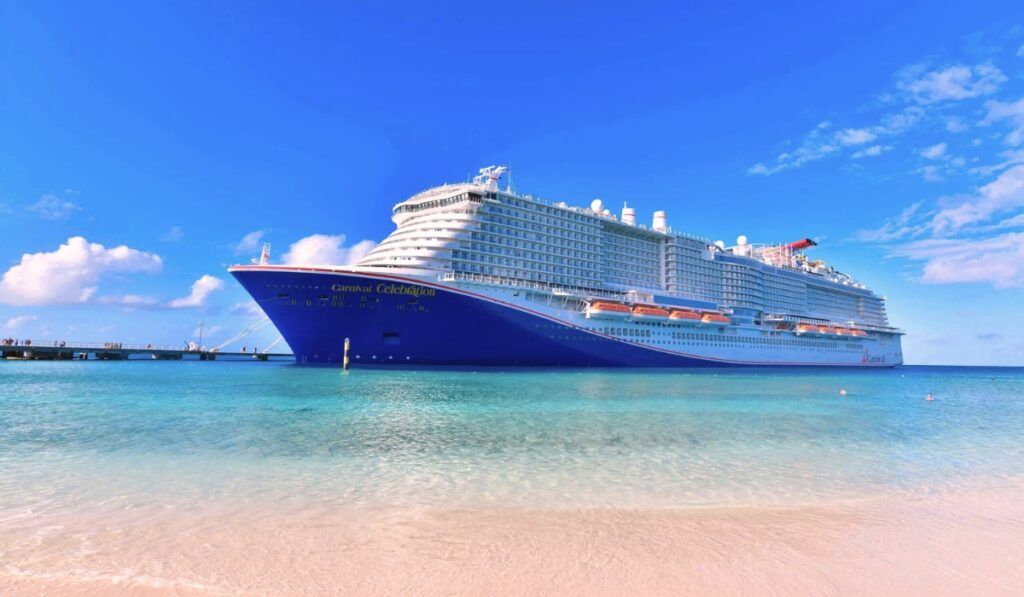
The foundational cost of a Carnival cruise is the base fare, which varies wildly based on the ship’s age, destination, and season. On the lower end, a short three-day excursion to the Bahamas might start as low as $199 per person, while a balcony suite on a new Excel-class ship like the Mardi Gras or Carnival Celebration can easily exceed $1,500 per person.
From a personal finance standpoint, the “value” of these tiers depends on the traveler’s utility. Inside cabins offer the best ROI for those who view the ship as a place to sleep between activities. However, for those seeking a premium experience, the price jump to a suite often includes “hidden” financial perks such as priority boarding and complimentary laundry services, which can offset some of the higher upfront costs.
Hidden Costs: Gratuities, Port Fees, and Taxes
A common pitfall in cruise budgeting is failing to account for non-optional fees. Port expenses and government taxes are added on top of the base fare and can range from $100 to $300 depending on the itinerary. Furthermore, Carnival applies a daily gratuity (service charge) per person, which is distributed among the crew. As of recent updates, these charges typically range from $16 to $18 per person, per day. For a family of four on a seven-day cruise, this adds roughly $500 to the total cost—a significant line item that must be factored into any financial plan.
Onboard Spending: Drinks, Dining, and Excursions
The cruise industry thrives on high-margin onboard revenue. This is where “how much” truly escalates. Carnival offers various packages to help travelers lock in costs:
- The CHEERS! Beverage Program: A flat daily rate for alcoholic and non-alcoholic drinks. For heavy consumers, this is a tool for cost-certainty; for light drinkers, it is a financial drain.
- Specialty Dining: While main dining is included, premium steakhouses or sushi bars carry surcharges.
- Shore Excursions: Managed through the cruise line, these can cost anywhere from $50 to $500 per person. Budgeting for “independent” excursions often yields 20-30% savings, though it introduces more logistical risk.
The Business Finance Perspective: Valuing Carnival Corporation (CCL)
When an investor asks “how much is Carnival?”, they are inquiring about the market capitalization and the underlying enterprise value of a multi-billion dollar corporation. Carnival Corporation (trading as CCL on the NYSE) is the largest cruise operator in the world, but its financial structure is complex.
Market Capitalization and Enterprise Value
The “price” of Carnival as a company is first reflected in its market capitalization—the total value of all its outstanding shares. However, in the world of business finance, market cap is only part of the story. To see the full picture, one must look at Enterprise Value (EV), which includes market cap plus total debt, minus cash and cash equivalents.
Because the cruise industry is incredibly capital-intensive—new ships cost upwards of $1 billion each—Carnival carries a significant debt load. Analyzing the EV provides a more accurate representation of what it would actually cost to “buy” the entire company, including its obligations to lenders.
Analyzing Debt-to-Equity and Recovery Post-Pandemic
The most critical financial metric for Carnival in recent years has been its debt-to-equity ratio. During the global lockdowns of 2020-2022, the company had to take on massive amounts of high-interest debt to maintain liquidity while ships were docked.
As of the mid-2020s, the company’s financial strategy has shifted from survival to “deleveraging.” For an investor, the “cost” of the company is intrinsically linked to how effectively it can pay down this debt. Every billion dollars in debt retired increases the equity value for shareholders. Investors monitor the Operating Cash Flow closely; if Carnival can generate enough cash to cover interest payments and capital expenditures for new ships, the stock becomes a more attractive “buy” at its current valuation.
Revenue Streams: How the Company Generates Income
Understanding the company’s value requires an analysis of its revenue model. Carnival’s income is split into two primary categories:
- Ticket Revenue: Often sold at thin margins to ensure the ships operate at 100%+ occupancy.
- Onboard Revenue: The high-margin “gold mine.” This includes casino gaming, spa services, bars, and gift shops.
In financial reports, the “Net Yield”—the revenue per available lower berth day—is the gold standard for measuring efficiency. A rising Net Yield indicates that the company is successfully extracting more value from its customers without significantly increasing operating costs.
Investment Analysis: Is Carnival a Strategic Addition to Your Portfolio?
Beyond the raw numbers, the financial value of Carnival as an investment depends on broader macroeconomic factors and industry trends.
Stock Performance and Historical Context
Historically, Carnival was a reliable dividend payer and a “blue chip” of the travel industry. However, the suspension of dividends during the pandemic fundamentally changed the stock’s profile. It transitioned from an income-generating asset to a high-beta recovery play.
Investors must evaluate the “opportunity cost” of holding Carnival. In a high-interest-rate environment, the company’s debt becomes more expensive to service, which can suppress the stock price. Conversely, if consumer spending on “experiences” continues to outpace spending on “goods,” Carnival’s valuation could see significant multiples expansion.
Future Growth Projections and Macroeconomic Factors
The “value” of Carnival in the future is tied to its fleet modernization. Older, less fuel-efficient ships are being sold or scrapped, replaced by Liquefied Natural Gas (LNG) powered vessels. Financially, this reduces the “Fuel Expense” line item—one of the largest variable costs in the cruise business.
Furthermore, the expansion into private destinations, such as “Celebration Key,” allows Carnival to keep more of the excursion revenue that would otherwise go to third-party port operators. This vertical integration is a key driver for future margin expansion and a higher corporate valuation.
Maximizing Value: Financial Strategies for Consumers and Investors
Whether you are looking to save money on a trip or make money in the market, there are specific financial strategies to optimize your “Carnival” experience.
Cost-Saving Tips for Travelers
To minimize the “cost” of a Carnival cruise, savvy travelers use several financial hacks:
- The Shareholder Benefit: Investors who own at least 100 shares of CCL stock are eligible for onboard credit (OBC) ranging from $50 to $250 per cruise. This creates a unique intersection between the “Money” of investing and the “Money” of personal travel.
- Off-Peak Booking: Traveling during “shoulder seasons” (like September or January) can reduce the base fare by 50% compared to summer or holiday sailings.
- Credit Card Rewards: Utilizing travel-specific credit cards to pay for the cruise can yield 2-5% back in rewards, effectively discounting the total cost of the vacation.

Risk Mitigation for Shareholders
For the business-minded individual, investing in Carnival requires a disciplined approach to risk management.
- Diversification: Given the volatility of the travel sector, CCL should rarely be the cornerstone of a portfolio. It serves better as a “sector play” within a diversified basket of consumer discretionary stocks.
- Monitoring Fuel Prices: Because fuel is a massive expense for Carnival, the stock often moves inversely to oil prices. Hedging one’s portfolio with energy stocks can be a way to balance the risk of a Carnival investment.
In conclusion, “how much is Carnival?” is a question with a dual answer. For the traveler, it is a variable expense that requires careful budgeting for gratuities and onboard spending. For the investor, it is a complex valuation of equity, debt, and operational efficiency. By understanding both sides of the coin, you can make informed decisions that protect your capital—whether you’re spending it on the high seas or growing it in the stock market.
aViewFromTheCave is a participant in the Amazon Services LLC Associates Program, an affiliate advertising program designed to provide a means for sites to earn advertising fees by advertising and linking to Amazon.com. Amazon, the Amazon logo, AmazonSupply, and the AmazonSupply logo are trademarks of Amazon.com, Inc. or its affiliates. As an Amazon Associate we earn affiliate commissions from qualifying purchases.