
The cost of owning a vehicle extends far beyond the initial purchase price, fuel, and insurance. A significant, often underestimated, financial outlay for any car owner is maintenance. Understanding “how much is car maintenance” is crucial for effective personal finance management, allowing individuals to budget accurately, avoid unexpected financial stress, and preserve their vehicle’s value and longevity. This deep dive explores the financial aspects of vehicle upkeep, from routine services to major repairs, offering insights into budgeting strategies and cost-saving tips.
Understanding the Core Costs: A Financial Overview
Car maintenance costs can be broadly categorized into routine, preventative, and unexpected expenses. Each category demands a different approach to financial planning.
Routine Maintenance: The Predictable Expenses
These are the regular services recommended by manufacturers to keep your car running efficiently and safely. They are relatively predictable in frequency and cost, making them easier to budget for.
-
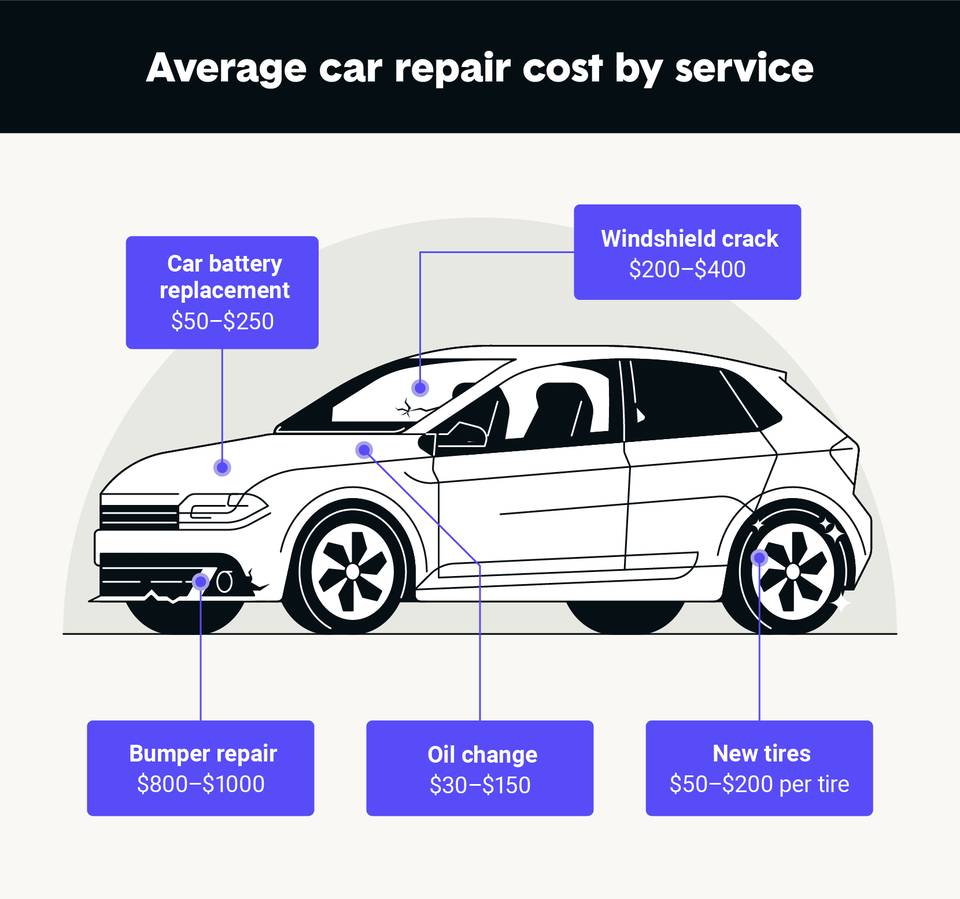
Oil Changes: The most frequent service, typically every 3,000 to 10,000 miles, depending on the oil type (conventional, synthetic blend, full synthetic) and vehicle model. Costs generally range from $30 to $80 for conventional oil and $60 to $150+ for full synthetic, including labor and filter. Neglecting oil changes can lead to severe engine damage, a far costlier repair.
-
Tire Rotations and Balancing: Recommended every 5,000 to 8,000 miles to ensure even wear, extend tire life, and improve handling. This service usually costs $20 to $50, or is often included free with new tire purchases. Proper rotation can add thousands of miles to your tires, deferring the significant expense of new tires (which can be $500 to $1,500+ for a set).
-
Fluid Checks and Top-offs: Essential fluids include brake fluid, coolant, power steering fluid, and windshield washer fluid. While often checked during other services, specific flushes or replacements may be needed. A coolant flush, for example, can cost $100 to $200 every 30,000 to 50,000 miles.
-
Filter Replacements:
-
Engine Air Filter: Replaced every 15,000 to 30,000 miles, costing $20 to $50 (DIY) or $40 to $80 (shop). A clean filter improves fuel efficiency and engine performance.
-
Cabin Air Filter: Replaced every 15,000 to 25,000 miles, costing $20 to $60 (DIY) or $50 to $100 (shop). Important for air quality inside the vehicle.
-
Fuel Filter: Less frequent, perhaps every 30,000 to 60,000 miles, costing $50 to $150.
-
-
Brake Inspections and Services: Brake pads typically last 20,000 to 70,000 miles, depending on driving habits. Pad replacement costs can range from $150 to $300 per axle, while rotors might add another $200 to $500 per axle. Full brake service including fluid flush can be $400 to $800+. Ignoring brake issues is a significant safety hazard and leads to more expensive repairs.
Preventative Maintenance: Investing in Longevity
These are less frequent but often more substantial services designed to prevent major mechanical failures and extend your vehicle’s lifespan. While seemingly expensive upfront, they are investments that mitigate the risk of catastrophic, unbudgeted expenses later.
-
Timing Belt Replacement: A critical service, often recommended between 60,000 and 100,000 miles. Its failure can cause severe, irreversible engine damage. The cost is substantial, ranging from $400 to $1,000+, due to the labor-intensive nature of the job.
-
Spark Plug Replacement: Typically needed every 30,000 to 100,000 miles, depending on the type (copper, platinum, iridium). Costs range from $100 to $300+, improving ignition, fuel efficiency, and engine performance.
-
Transmission Fluid Flush/Service: Recommended every 30,000 to 100,000 miles, depending on the vehicle and transmission type. This service can cost $150 to $300+ and is vital for the longevity of one of the car’s most expensive components to replace or rebuild.
-
Battery Replacement: Car batteries typically last 3 to 5 years. A replacement battery costs $100 to $250, plus installation.
Unexpected Repairs: The Unbudgeted Blows
Despite diligent routine and preventative maintenance, mechanical failures can occur. These are the most financially disruptive events, emphasizing the need for an emergency fund.
-
Major Engine or Transmission Issues: These can easily cost $2,000 to $6,000+ for repair or replacement, representing a significant financial shock.
-
AC System Repairs: Compressor or condenser issues can cost $500 to $1,500+.
-
Suspension or Steering Components: Shocks, struts, control arms, or power steering pump repairs can range from $300 to $1,000+ per component.
-
Electrical System Problems: Diagnosing and fixing electrical gremlins can be time-consuming and expensive, potentially costing hundreds.
For budgeting purposes, it’s wise to allocate a portion of your monthly car maintenance fund specifically for these unforeseen events.
Factors Influencing Car Maintenance Costs
The actual amount you spend on car maintenance is not static; it’s influenced by several key variables.
Vehicle Type and Age
-
Luxury vs. Economy: Luxury vehicles (e.g., BMW, Mercedes, Audi) almost invariably have higher maintenance costs. Parts are more expensive, specialized labor is often required, and advanced systems can be complex to diagnose and repair. Economy cars (e.g., Honda Civic, Toyota Corolla) are generally much cheaper to maintain due to widespread parts availability and simpler engineering.
-
New vs. Used: New cars typically come with manufacturer warranties that cover many repairs for the first few years (e.g., 3 years/36,000 miles or 5 years/60,000 miles). This significantly reduces out-of-pocket costs. As cars age, components wear out, and the likelihood of needing costly repairs increases exponentially. A 10-year-old car will generally require far more maintenance than a 3-year-old car.
-
Make and Model Specifics: Some brands or even specific models within a brand are known for particular maintenance quirks or common issues. Researching reliability ratings (e.g., from Consumer Reports, J.D. Power) for specific models can provide insight into potential long-term costs. Exotic or niche vehicles can have parts sourcing challenges, driving up costs.
Driving Habits and Environment
-
Aggressive Driving: Frequent hard acceleration, sudden braking, and high-speed driving put more stress on the engine, transmission, brakes, and tires, leading to faster wear and tear.
-
City vs. Highway Mileage: Predominantly city driving (stop-and-go traffic) causes more wear on brakes and transmissions compared to steady highway driving. However, high annual mileage, regardless of type, will accelerate the need for routine services.
-
Harsh Climates: Extreme heat can degrade fluids, hoses, and battery life. Extreme cold impacts battery performance and can lead to fluid thickening. Salty roads (from de-icing agents) promote rust, affecting components like brake lines, suspension parts, and the exhaust system.
Where You Get Service Done

-
Dealerships: Often have the highest labor rates but use OEM (Original Equipment Manufacturer) parts and employ factory-trained technicians. They may be ideal for warranty work or complex issues specific to the brand.
-
Independent Mechanics: Can offer competitive pricing with lower labor rates than dealerships. Many are highly skilled and reputable, often specializing in certain brands or types of repairs. They may use OEM or quality aftermarket parts.
-
DIY (Do-It-Yourself): For simple tasks like oil changes, air filter replacement, or checking fluids, doing it yourself can save significant labor costs. However, it requires tools, time, and a basic understanding of automotive mechanics. Attempting complex repairs without proper knowledge can lead to greater damage and expense.
-
Parts Quality: Using cheaper, low-quality aftermarket parts might save money upfront but can lead to premature failure and more frequent replacements, costing more in the long run. OEM or high-quality aftermarket parts are generally a better investment.
Budgeting for Car Maintenance: Smart Financial Strategies
Effective financial planning is key to managing car maintenance expenses without derailing your personal budget.
Creating a Dedicated Car Maintenance Fund
The most effective strategy is to proactively save for maintenance. Instead of waiting for a repair bill to hit, estimate your annual costs and divide by 12 to determine a monthly contribution.
-
Average Annual Costs: While highly variable, a general rule of thumb for budgeting is to set aside $50 to $100 per month for car maintenance. For newer, reliable cars, you might start lower ($30-50), increasing it as the car ages. For older or luxury vehicles, $150-$200+ per month might be more realistic.
-
Lump Sums for Major Services: For known future expenses like timing belt replacements or new tires, plan to save extra or earmark a portion of your annual bonus or tax refund.
-
Separate Savings Account: Consider opening a separate savings account specifically for car maintenance. This compartmentalization helps prevent funds from being used for other purposes.
Leveraging Technology and Financial Tools
-
Budgeting Apps: Use personal finance apps (e.g., Mint, YNAB, Personal Capital) to track all car-related expenses. Categorizing these costs helps you see exactly where your money is going and adjust your savings plan.
-
Spreadsheets: A simple spreadsheet can be invaluable for tracking service history, mileage, and anticipated future maintenance. This allows you to project costs more accurately over the long term.
-
Online Cost Estimators: Websites like Kelley Blue Book, RepairPal, and AAA provide average repair cost estimates based on your vehicle model and location, helping you compare quotes and budget for specific repairs.
The Cost-Benefit of Preventative Care
Spending a little now on preventative maintenance can save you a lot later.
-
Avoid Major Breakdowns: Regular oil changes prevent engine seizure. Timely timing belt replacement prevents catastrophic engine failure. These preventative actions avoid bills that can run into thousands.
-
Improved Fuel Efficiency: Clean air filters, properly inflated tires, and tuned engines contribute to better fuel economy, saving money at the pump over time.
-
Enhanced Resale Value: A well-maintained vehicle with a documented service history commands a higher resale value, providing a better return on your investment when it’s time to sell.
Minimizing Car Maintenance Costs Without Sacrificing Safety
While some costs are unavoidable, smart choices can help manage your expenses.
Diligent Record Keeping
Keep a detailed log of all services performed, including dates, mileage, what was done, and the cost. This helps you track maintenance schedules, prove your car was well-cared for (boosting resale value), and identify recurring issues.
Understanding Your Owner’s Manual
Your car’s owner’s manual outlines the manufacturer’s recommended maintenance schedule. Adhering to this schedule is crucial for warranty compliance and optimal vehicle performance. Don’t fall for unnecessary services pushed by some shops; refer to your manual.
Seeking Multiple Quotes for Repairs
For significant repairs, get quotes from at least two or three reputable mechanics. Compare not just the total price but also the parts used (OEM vs. aftermarket) and the labor warranty.
DIY When Appropriate and Safe
Learn to perform simple maintenance tasks like checking tire pressure, topping off fluids, or replacing wiper blades and cabin air filters. These small tasks can save you money on labor and foster a better understanding of your vehicle. However, know your limits and don’t attempt repairs that require specialized tools, knowledge, or could compromise safety.

Extended Warranties and Service Plans: A Financial Analysis
Extended warranties (service contracts) can seem appealing, particularly for older vehicles or models known for reliability issues. Financially, they are often a gamble. Analyze the cost of the warranty versus the likelihood and potential cost of covered repairs. Often, the money spent on an extended warranty could be better saved in a dedicated maintenance fund. Service plans, which pre-pay for routine maintenance, can be convenient but ensure the total cost doesn’t exceed what you’d pay for those services individually.
In conclusion, understanding “how much is car maintenance” is a vital component of holistic personal finance. By budgeting for predictable routine services, preparing for preventative measures, and building an emergency fund for unexpected repairs, car owners can confidently manage this significant expense, ensuring their vehicle remains reliable and their financial health remains stable.
aViewFromTheCave is a participant in the Amazon Services LLC Associates Program, an affiliate advertising program designed to provide a means for sites to earn advertising fees by advertising and linking to Amazon.com. Amazon, the Amazon logo, AmazonSupply, and the AmazonSupply logo are trademarks of Amazon.com, Inc. or its affiliates. As an Amazon Associate we earn affiliate commissions from qualifying purchases.