
Owning a Tesla represents a significant financial commitment, and while the purchase price often captures the headlines, the ongoing cost of car insurance is a crucial element of the total cost of ownership that demands careful consideration. Far from a simple, fixed figure, the premium for insuring a Tesla can vary widely, influenced by a complex interplay of factors ranging from the car’s advanced technology and repair costs to the owner’s driving history and geographic location. Understanding these dynamics is essential for any prospective or current Tesla owner to effectively budget and manage their personal finances.

Understanding the Core Costs: Why Teslas Can Be Pricey to Insure
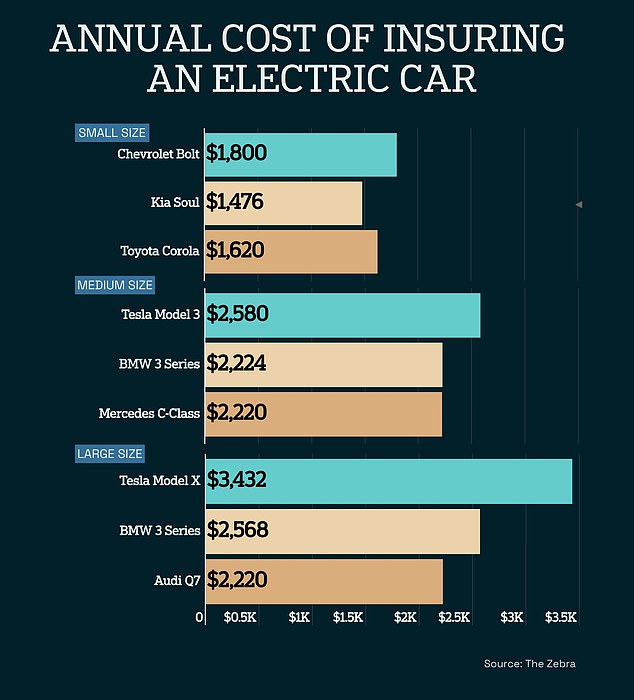
Tesla vehicles, known for their cutting-edge technology, exhilarating performance, and distinctive design, often come with higher insurance premiums compared to conventional gasoline-powered cars. This isn’t arbitrary; it’s a reflection of several inherent financial risk factors that insurers assess.
High-Tech Repairs and Specialized Parts
A primary driver of higher insurance costs for Teslas stems from their sophisticated engineering. These vehicles are packed with advanced sensors, complex battery packs, self-driving hardware, and unique body panels. When a Tesla is involved in an accident, even a minor one, the repair process is often more intricate and costly. Specialized technicians, who are fewer in number, are required, and proprietary parts, which can be expensive and sometimes harder to source quickly, must be used. For instance, the large infotainment screen, intricate wiring for Autopilot sensors, or a damaged battery module can significantly drive up repair bills. Insurers factor in these elevated potential repair expenses when calculating premiums, as they represent a greater financial liability for them. The scarcity of specialized repair shops also means that repairs can take longer, potentially increasing the cost of rental car coverage during the repair period.
Performance and Accident Risk
Teslas are synonymous with instant torque and rapid acceleration, attributes that, while thrilling for drivers, can also contribute to a higher risk profile from an insurer’s perspective. Vehicles capable of such high performance may be statistically more prone to certain types of accidents or severe damage in collisions. While Tesla’s advanced safety features, such as automatic emergency braking and collision avoidance, can mitigate some risks, the sheer power and speed capabilities of models like the Model S Plaid or Model 3 Performance are often weighed into the actuarial data. Insurers balance the car’s safety technology against its performance potential when determining risk and, consequently, premium costs.
Theft Deterrence vs. High Value
While Teslas boast robust anti-theft systems, including GPS tracking and ‘Sentry Mode,’ their high market value makes them an attractive target for theft or vandalism. The financial payout for a stolen Tesla is considerably higher than for a lower-value vehicle. Insurers must account for this elevated financial exposure. Even if the car is recovered, the cost of repairing damage from an attempted theft or replacing stolen components can be substantial. This high intrinsic value directly translates into a greater financial risk for the insurance provider, influencing the comprehensive and collision coverage portions of the premium.
Key Factors Influencing Your Tesla Insurance Premium
Beyond the inherent characteristics of the Tesla itself, numerous personal and contextual factors significantly impact the final insurance quote you receive. Understanding these variables empowers you to anticipate costs and explore potential savings.
Driver Profile and History
Your personal driving record is arguably the most influential factor. A clean driving history—free of accidents, speeding tickets, or other moving violations—will invariably result in lower premiums. Conversely, a history of claims or infractions signals a higher risk to insurers, leading to increased rates. Age and experience also play a role; younger, less experienced drivers typically face higher premiums due to statistical risk data, regardless of the vehicle they drive. Marital status can sometimes offer a minor discount, as married individuals are statistically less likely to file claims.
Tesla Model and Trim Level
Not all Teslas are insured equally. The specific model (Model 3, Model Y, Model S, Model X, or Cybertruck) and its trim level (e.g., Standard Range, Long Range, Performance) significantly affect insurance costs. More expensive models with higher performance capabilities and advanced features generally incur higher premiums. A Model S Plaid, with its extreme performance and higher base price, will almost certainly cost more to insure than a more accessible Model 3 Standard Range. Similarly, additional features or enhancements that increase the vehicle’s replacement or repair cost will also push premiums higher.
Geographic Location
Where you live and park your Tesla has a substantial impact on your insurance rates. Urban areas with higher population densities, increased traffic congestion, and higher rates of vandalism or theft typically lead to more expensive premiums. Conversely, suburban or rural areas often see lower rates. Even within the same city, differences in zip codes can result in varying premiums due to localized crime rates, accident statistics, and the prevalence of specific types of natural disasters (e.g., hail storms, floods). State-specific regulations and minimum coverage requirements also introduce variances in cost.
Coverage Choices and Deductibles
The type and amount of coverage you choose are fundamental to your premium. Opting for state minimum liability coverage will be the cheapest option, but it offers minimal protection and is highly risky given the value of a Tesla and potential costs of an at-fault accident. Full coverage, which includes collision and comprehensive insurance, is essential for a Tesla but naturally costs more. Within full coverage, adjusting your deductibles (the amount you pay out-of-pocket before insurance kicks in) offers a direct lever for financial management. Higher deductibles mean lower premiums, as you’re taking on more initial financial risk yourself. Conversely, lower deductibles lead to higher premiums. Carefully evaluating your financial comfort level with potential out-of-pocket expenses is key here. Additional coverages, such as uninsured/underinsured motorist, rental car reimbursement, roadside assistance, or GAP insurance, will also add to your overall premium.
Strategies for Reducing Your Tesla Insurance Expenses
While Tesla insurance can be a substantial expense, several proactive financial strategies can help mitigate these costs. Smart decision-making and leveraging available options can lead to significant savings.
Leverage Discounts and Bundling
Most insurance providers offer a range of discounts that Tesla owners should actively seek out. Common discounts include multi-car discounts (insuring more than one vehicle with the same company), bundling home and auto insurance, good student discounts, low mileage discounts, and discounts for completing defensive driving courses. Installing a car alarm or other anti-theft devices, beyond Tesla’s standard features, might also qualify for a discount with some insurers. Always inquire about all available discounts when obtaining quotes.
Embrace Safe Driving and Telematics
Maintaining a spotless driving record is the most effective long-term strategy for keeping insurance costs down. Avoiding accidents and traffic violations directly reduces your risk profile. Many insurers also offer telematics programs (also known as usage-based insurance) where a device or app monitors your driving habits (e.g., speed, braking, mileage). Demonstrating safe driving through these programs can lead to significant premium reductions. Given Tesla’s inherent connectivity and data collection capabilities, future telematics integration might become even more streamlined.
Shop Around and Compare Quotes
The insurance market is highly competitive, and premiums for the exact same coverage can vary significantly between different providers. It is crucial to obtain quotes from multiple insurance companies. Do not assume your current insurer will offer the best rate for your Tesla. Utilize online comparison tools, or work with an independent insurance broker who can provide quotes from a wide array of carriers. This competitive shopping should be an annual exercise to ensure you are always getting the most financially advantageous rate.
Consider Tesla’s Own Insurance
In several U.S. states, Tesla offers its own insurance product directly to vehicle owners. This offering often leverages real-time driving behavior data collected directly from the vehicle to generate a “Safety Score,” which directly influences premium costs. Drivers with a high Safety Score (indicating safer driving habits) can potentially receive significantly lower rates than traditional insurers might offer. For Tesla owners in eligible states, this can be a financially attractive option, as it aims to provide coverage at a lower cost by directly rewarding safe driving with data from the vehicle itself. It aligns incentives between the driver and the insurer, directly translating good driving into financial savings.
Adjusting Coverage Wisely
While it’s never advisable to skimp on essential coverage, especially for a high-value vehicle like a Tesla, there are intelligent ways to adjust your policy for financial savings. As mentioned, increasing your deductible on collision and comprehensive coverage can lower your monthly or annual premium. However, ensure you have sufficient emergency savings to cover that higher deductible if an incident occurs. Regularly review your policy to ensure you’re not paying for coverage you no longer need. For instance, if your Tesla is older and fully paid off, you might reconsider certain optional coverages like GAP insurance.
Beyond Premiums: The Broader Financial Picture of Tesla Ownership
Focusing solely on insurance premiums would paint an incomplete financial picture of Tesla ownership. A holistic view requires considering all elements of the total cost of ownership (TCO) to make sound financial decisions.
Total Cost of Ownership Perspective
When budgeting for a Tesla, insurance is just one piece of the puzzle. You must also factor in the cost of electricity for charging, which, while generally lower than gasoline, is an ongoing expense. Maintenance costs for Teslas are often lower than internal combustion engine vehicles due to fewer moving parts, but specialized maintenance or battery degradation over time can arise. Depreciation, though often slower for Teslas compared to other luxury vehicles, is another financial consideration. By viewing insurance as part of this larger TCO, you can better understand the full financial commitment and allocate your budget accordingly, ensuring long-term financial stability.
Impact on Personal Budgeting
Integrating Tesla insurance costs into your personal budget is crucial. Whether you pay annually, semi-annually, or monthly, these payments represent a fixed outgoing expense. Understanding the exact figure allows you to ensure sufficient funds are always available, preventing financial strain. It also helps in long-term financial planning, particularly if you are considering upgrading your Tesla or purchasing another vehicle, as insurance costs will remain a persistent variable in future financial equations.
The Future of Tesla Insurance
The landscape of car insurance, particularly for technologically advanced vehicles like Teslas, is continuously evolving. As vehicle technology advances, so too do the methods by which insurers assess and price risk.
Evolving Technologies and Risk Assessment
Future insurance models will likely become even more data-driven. Tesla’s continuous over-the-air software updates and advanced sensor suites provide a rich stream of real-time data that could lead to increasingly personalized premiums. As autonomous driving capabilities mature, the liability framework might shift, potentially reducing human error-related claims but introducing new risks related to software or hardware failures. These advancements present both opportunities for lower premiums for safe drivers and challenges in adapting traditional underwriting models.

Data-Driven Pricing Models
The direct integration of driving data into insurance pricing, as demonstrated by Tesla Insurance, represents a significant trend. This allows for dynamic pricing based on actual risk rather than broad statistical averages. For Tesla owners, this means that individual driving behavior will have an even more direct and immediate impact on insurance costs, incentivizing safer driving habits for tangible financial rewards. As these models become more sophisticated and widely adopted, they could revolutionize how Tesla owners approach and manage their car insurance expenses, making financial transparency and direct control over premiums more accessible.
aViewFromTheCave is a participant in the Amazon Services LLC Associates Program, an affiliate advertising program designed to provide a means for sites to earn advertising fees by advertising and linking to Amazon.com. Amazon, the Amazon logo, AmazonSupply, and the AmazonSupply logo are trademarks of Amazon.com, Inc. or its affiliates. As an Amazon Associate we earn affiliate commissions from qualifying purchases.