
Navigating the landscape of car insurance costs can often feel like a complex journey, especially when specific state regulations and regional factors come into play. For residents of North Carolina, understanding the average cost of car insurance and the multitude of variables that influence premiums is crucial for effective financial planning and ensuring adequate protection on the road. While there isn’t a single definitive answer, as costs vary widely from person to person, a comprehensive look at the underlying factors, state-specific requirements, and strategic approaches can provide a clear picture of what to expect and how to manage these significant expenses.
The Financial Factors Influencing NC Car Insurance Premiums
Car insurance providers in North Carolina, like those in other states, assess a diverse range of factors to determine an individual’s premium. These factors are all rooted in actuarial science, designed to predict the likelihood of a policyholder filing a claim and the potential cost of that claim. Understanding these variables is the first step in comprehending your own insurance expenditure.
Driver Demographics and Driving History
Your personal profile is a primary determinant of your insurance rate. Young, inexperienced drivers, for example, typically face higher premiums due to statistical data indicating a greater propensity for accidents. Conversely, mature drivers with clean records often enjoy lower rates. Marital status also plays a role, with married individuals sometimes receiving better rates, as they are statistically less likely to file claims. Your driving record, however, is arguably the most impactful personal factor. A history of accidents, traffic violations (speeding tickets, DUIs), or previous insurance claims will almost certainly lead to elevated premiums, as it signals a higher risk to insurers. Maintaining a spotless driving record is one of the most effective long-term strategies for cost savings.
Vehicle Type and Usage
The car you drive significantly influences your insurance costs. High-performance vehicles, luxury cars, or models with a high theft rate generally cost more to insure due to their higher repair costs, greater risk of theft, or increased potential for high-cost accidents. Safety features, on the other hand, can sometimes lead to discounts. Furthermore, how you use your vehicle matters. Commuters driving long distances daily typically pay more than those who use their car primarily for leisure or have a shorter commute, as increased mileage correlates with a higher exposure to risk.
Location Within North Carolina
Even within the same state, your specific zip code can have a substantial impact on your insurance premiums. Insurers use “territorial ratings” to assess risk based on geographical areas. Urban areas with higher traffic density, greater rates of accidents, or higher vehicle theft statistics typically incur higher insurance costs than rural areas. For instance, a driver in Charlotte or Raleigh might pay more than a driver in a less populated county, simply due to the differing risk profiles associated with those locations.
Coverage Levels and Deductibles
The most straightforward financial lever you have over your insurance premium is your chosen coverage. North Carolina mandates certain minimum liability coverages, but many drivers opt for additional protections like collision, comprehensive, medical payments, or roadside assistance. Each added layer of coverage provides more financial security in the event of an incident but also increases your premium. Similarly, your deductible – the amount you pay out-of-pocket before your insurance kicks in for collision and comprehensive claims – directly affects your premium. A higher deductible means a lower premium, as you are assuming more financial responsibility for smaller claims. Conversely, a lower deductible leads to higher premiums. Balancing the premium savings against your ability to pay a higher out-of-pocket deductible is a key personal finance decision.
North Carolina’s Minimum Coverage Requirements and Beyond
Understanding North Carolina’s legal minimums is fundamental, but it’s equally important to consider whether those minimums provide adequate financial protection in a real-world scenario. NC operates under a tort system, meaning the at-fault driver is responsible for damages in an accident.
Mandatory Liability Coverage
In North Carolina, all drivers are legally required to carry specific minimum amounts of liability insurance, often referred to as “25/50/25”:
-
$30,000 for bodily injury liability per person: This covers medical expenses and lost wages for an injured person in an accident you cause.
-
$60,000 for bodily injury liability per accident: This is the maximum an insurer will pay for all injuries in a single accident you cause, regardless of the number of people injured.
-
$25,000 for property damage liability per accident: This covers damages to other people’s property (e.g., their car, fence, building) in an accident you cause.
Uninsured/Underinsured Motorist (UM/UIM) Coverage
North Carolina also mandates Uninsured/Underinsured Motorist (UM/UIM) coverage, which protects you if you’re involved in an accident with a driver who has no insurance or insufficient insurance to cover your damages. The minimums typically mirror the liability limits:
-
$30,000 bodily injury per person
-
$60,000 bodily injury per accident
-
$25,000 property damage per accident (with a $100 deductible)
Why Minimums Might Not Be Enough

While meeting the state minimums fulfills your legal obligation, it’s crucial to evaluate if these amounts genuinely protect your personal finances. In today’s economy, a serious accident can easily result in medical bills and property damage far exceeding these limits. If you cause an accident with damages exceeding your liability coverage, you could be personally sued for the remaining balance, potentially jeopardizing your assets and future earnings. Many financial advisors recommend carrying higher liability limits, often $100,000/$300,000/$50,000 or even higher, especially if you have significant assets to protect.
Strategies to Optimize Your Car Insurance Costs in NC
Reducing your car insurance premium doesn’t have to mean sacrificing essential coverage. A proactive approach to policy management and smart shopping can lead to substantial financial savings.
Shop Around and Compare Quotes
This is perhaps the single most effective strategy. Insurance rates can vary dramatically between providers for the exact same coverage, as each company has its own underwriting criteria and risk assessment models. Obtain quotes from multiple insurance companies—not just one or two, but at least five or more—every time your policy is up for renewal or if you experience a significant life event (e.g., moving, buying a new car, getting married). Online comparison tools and independent insurance agents can simplify this process, allowing you to compare coverage and prices side-by-side.
Leverage Available Discounts
Insurance companies offer a wide array of discounts that can significantly reduce your premium. Common discounts available in North Carolina include:
-
Multi-Policy/Bundling Discount: Combining your auto insurance with homeowners, renters, or life insurance from the same provider often yields a significant discount.
-
Good Driver Discount: For drivers with a clean record over a specified period (e.g., 3-5 years).
-
Good Student Discount: Available to high school or college students who maintain a certain GPA.
-
Defensive Driving Course Discount: Completing an approved defensive driving course can sometimes lead to savings.
-
Vehicle Safety Features Discount: For cars equipped with anti-lock brakes, airbags, anti-theft devices, or advanced driver-assistance systems.
-
Low Mileage Discount: If you don’t drive much, you might qualify for a lower rate.
-
Telematics/Usage-Based Insurance: Programs that monitor your driving habits (speed, braking, mileage) through an app or device can reward safe drivers with lower premiums.
Always ask your insurer about all available discounts; you might be eligible for more than you realize.
Adjust Your Deductibles and Coverage
As mentioned, raising your collision and comprehensive deductibles can lower your premium. If you have an emergency fund set aside, increasing your deductible from $500 to $1,000 could result in meaningful annual savings, provided you are comfortable with the higher out-of-pocket expense should a claim arise. For older vehicles with low market value, it might also be financially prudent to drop collision and/or comprehensive coverage altogether. The cost of these coverages might outweigh the potential payout if the car is totaled. Always calculate the maximum potential payout versus the annual premium for these coverages before making a decision.
Maintain a Solid Driving Record
This cannot be overstressed. Every ticket, every at-fault accident, and every claim has a financial repercussion on your insurance rates, often for several years. Driving safely and responsibly is not only good for your physical well-being but also excellent for your financial health. Avoid speeding, distracted driving, and driving under the influence at all costs.
The Role of North Carolina’s Rate Bureau and Regulations
North Carolina has a unique system for setting car insurance rates, overseen by the North Carolina Rate Bureau (NCRB). This non-profit organization, funded by insurance companies, proposes rates and rules for most auto insurance coverages in the state.
How Rates Are Set
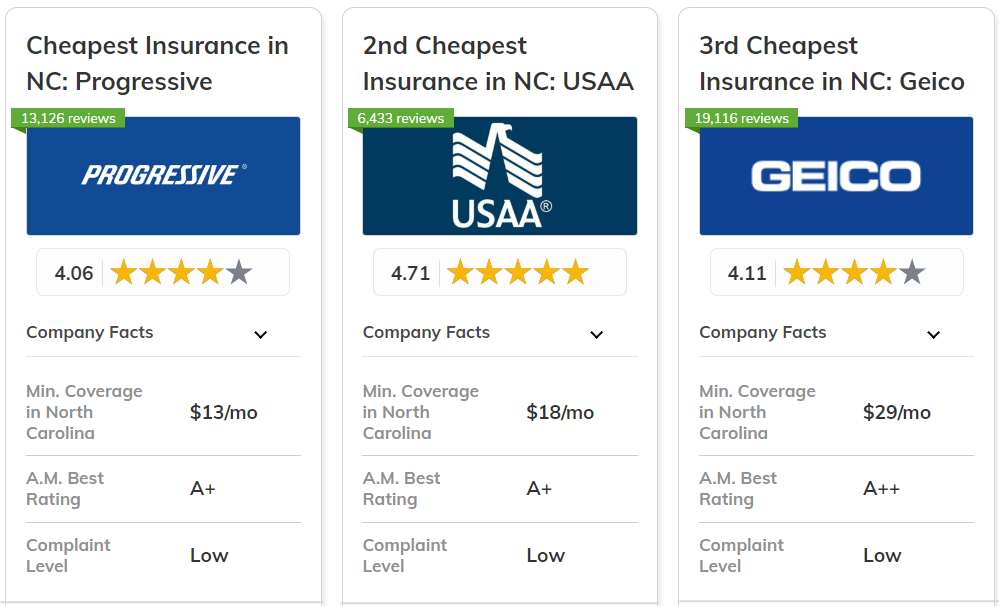
Unlike many other states where insurers file their rates individually, in North Carolina, the NCRB submits proposed rates to the North Carolina Department of Insurance (NCDOI) for approval. All insurers writing policies for private passenger vehicles in NC must use these approved basic rates. However, companies can then apply “deviations” to these rates, offering discounts or surcharges based on their own specific underwriting criteria, claims history, and business models. This is why shopping around remains critical, even within a regulated environment. While the base rates are standardized, the final premium you pay can still vary significantly between providers due to these individual company deviations and discounts.
Impact of Credit-Based Insurance Scores
While many states heavily rely on credit-based insurance scores to determine premiums, North Carolina has specific limitations. State law prohibits insurers from using your credit history as the sole factor in setting your rates, and it cannot be used to cancel or non-renew a policy. However, credit history can still be one of many factors considered by insurers when calculating premiums, though its impact is generally less pronounced than in states with less restrictive regulations.
Navigating the NC Car Insurance Market
Finding the right car insurance policy in North Carolina involves understanding your financial needs, the state’s regulatory framework, and the competitive landscape of providers. By taking the time to research, compare, and strategize, you can secure adequate protection without overpaying. The average cost of car insurance in NC is an elusive number because it’s so deeply personal; however, by applying these insights, you can move from wondering “how much” to confidently managing your expenditure and ensuring peace of mind on the road.
aViewFromTheCave is a participant in the Amazon Services LLC Associates Program, an affiliate advertising program designed to provide a means for sites to earn advertising fees by advertising and linking to Amazon.com. Amazon, the Amazon logo, AmazonSupply, and the AmazonSupply logo are trademarks of Amazon.com, Inc. or its affiliates. As an Amazon Associate we earn affiliate commissions from qualifying purchases.