
Navigating the landscape of car insurance can feel like a complex financial puzzle, especially when you’re looking to insure more than one vehicle. The question, “How much is car insurance for 2 cars per month?” isn’t one with a simple, universal answer. Instead, it opens up a discussion about a multitude of factors, financial strategies, and personalized considerations that collectively determine your monthly outlay. For many households, owning two vehicles is a necessity, offering flexibility, convenience, and often enabling dual-income households to manage their daily commutes and family responsibilities. However, this convenience comes with a significant financial commitment, with car insurance often being one of the largest recurring expenses after the vehicle payments themselves.
Understanding the nuances of multi-car insurance isn’t just about getting a quote; it’s about making an informed financial decision that balances adequate protection with cost-effectiveness. This guide will delve into the core determinants of multi-car insurance premiums, highlight the financial advantages of insuring multiple vehicles under one policy, discuss average costs, and, crucially, equip you with actionable strategies to minimize your monthly payments without compromising on essential coverage. As a critical component of personal finance, optimizing your car insurance can free up significant funds in your monthly budget, making it a topic worthy of detailed exploration.
Understanding the Core Factors Influencing Multi-Car Insurance Costs
When an insurance company calculates your premium for one car, they consider a standard set of variables. When you add a second car, many of these same variables apply, but they interact in new ways, especially with multi-car discounts. Let’s break down the key financial and risk factors that influence the overall cost for two vehicles.
Driver Demographics and Driving History
Your personal profile and driving record are paramount in determining insurance costs. For two cars, this means assessing the primary drivers for each vehicle, or all drivers listed on the policy if they share vehicles.
- Age and Experience: Younger, less experienced drivers typically face higher premiums due to statistical data indicating a greater risk of accidents. If you have a young driver added to the policy for one of the cars, expect a significant increase. Conversely, older, experienced drivers often benefit from lower rates, provided they maintain a clean record.
- Driving Record: This is arguably the most impactful factor. Tickets, at-fault accidents, and DUIs on anyone’s record will significantly escalate premiums for all cars on the policy. A spotless driving history for all listed drivers is a powerful lever for reducing costs.
- Credit Score (where allowed): In many states, insurers use a credit-based insurance score as a predictor of claims likelihood. A higher credit score can translate to lower premiums, reflecting a financially responsible profile. Maintaining good credit is a vital financial habit that extends its benefits beyond loan applications.
Vehicle Characteristics
The specific details of each car play a substantial role in the overall premium. Insurers assess the risk and potential cost of repairs for each vehicle individually.
- Make, Model, and Year: Luxury vehicles, sports cars, and certain high-performance models inherently cost more to insure due to higher repair costs, greater theft appeal, and often higher potential for speed-related accidents. Conversely, older, safer, and more common models are generally cheaper to insure.
- Safety Features: Modern safety technologies like automatic emergency braking, lane-keeping assist, and advanced airbag systems can qualify for discounts, as they reduce the likelihood or severity of accidents.
- Theft Rates: Vehicles with high theft rates, or those popular targets for parts, will typically have higher comprehensive coverage costs. Anti-theft devices can help mitigate this.
- Repair Costs: The cost and availability of parts, as well as the complexity of repairs for a specific vehicle, directly impact collision and comprehensive premiums.
Coverage Levels and Deductibles
The type and amount of coverage you choose for each vehicle, along with your deductible selections, are direct financial levers you control.
- Liability Coverage: Mandated by law in most states, this covers damages and injuries you cause to others. Choosing higher liability limits, while increasing premiums, offers crucial financial protection against potentially devastating lawsuits. It’s a balance between cost and risk mitigation.
- Collision Coverage: Pays for damage to your own vehicle in an accident, regardless of fault. Essential for newer or financed cars.
- Comprehensive Coverage: Protects against non-collision incidents like theft, vandalism, fire, and natural disasters.
- Optional Coverages: Personal Injury Protection (PIP), Medical Payments (MedPay), Uninsured/Underinsured Motorist (UM/UIM), rental reimbursement, and roadside assistance all add to the monthly cost but provide valuable financial safety nets.
- Deductibles: This is the amount you pay out-of-pocket before your insurance kicks in. A higher deductible for collision and comprehensive coverage will result in lower monthly premiums, but you must ensure you have the emergency funds available to cover that deductible should a claim arise. It’s a strategic financial decision based on your liquid assets.
Location and Usage
Where you live and how you use your vehicles also significantly impact rates.
- Geographic Location: Urban areas with higher traffic density, greater accident rates, and increased theft often have higher premiums than rural areas. State-specific regulations and minimum coverage requirements also play a huge role.
- Annual Mileage: The more you drive each car, the higher the risk of an accident, leading to higher premiums. Low-mileage discounts can be a significant saving for less-used vehicles.
- Parking Security: Insurers may offer discounts if your cars are regularly parked in a secure garage rather than on the street, reducing theft and vandalism risks.
- Commute Distance: Longer daily commutes for either car can lead to increased costs.
The Financial Advantage of Multi-Car Policies
Insuring two cars doesn’t necessarily mean doubling your single-car premium. In fact, one of the most compelling financial arguments for multi-car ownership, from an insurance perspective, is the availability of discounts. Insurers actively encourage customers to consolidate their policies, as it generally means more stable revenue for them and a more loyal customer base.
Multi-Car Discounts Explained
The multi-car discount is perhaps the most well-known and impactful saving for households with more than one vehicle. When you insure two or more cars with the same provider, insurance companies often perceive this as lower risk per vehicle. Their reasoning is based on several assumptions:
- Shared Drivers: Often, the same drivers operate both vehicles, meaning the total time spent driving might not be double, or at least the risk profile of the drivers is known across all vehicles.
- Reduced Administrative Costs: It’s more efficient for an insurer to manage one policy with multiple vehicles than two separate policies. These savings are often passed on to the consumer.
- Customer Loyalty: By offering a discount, insurers aim to retain your business for longer, increasing your lifetime value as a customer.
This discount can range anywhere from 10% to 25% or even more off your total premium, making a substantial difference in your monthly budget. It’s not uncommon for the discount to be applied to each vehicle’s premium, resulting in a compounded saving.
Bundling Opportunities (Auto + Home/Renters)
Beyond just multi-car discounts, the concept of “bundling” extends even further, offering another powerful financial incentive. Many insurance providers offer discounts if you combine your auto insurance with other policies, most commonly homeowner’s or renter’s insurance.
- Significant Savings: Bundling can often lead to some of the largest discounts available, sometimes reaching up to 20% or more off your combined premiums. This is a strategic financial move that rewards customers who centralize their insurance needs.
- Simplified Management: Beyond the financial benefits, bundling simplifies your financial life. You deal with one company for multiple policies, potentially streamlining payments, claims, and policy reviews.
- Enhanced Customer Service: Being a “preferred” customer with multiple policies can sometimes lead to better service during claims or when making policy adjustments.
When you’re calculating the total cost of insuring two cars, it’s crucial to factor in these bundling opportunities, as they can dramatically alter the bottom line. Always ask for a quote that includes both your cars and your property insurance.
Potential Savings Compared to Individual Policies
If you were to insure two cars with two separate insurance companies, you would likely forgo the multi-car discount on both policies and potentially miss out on bundling discounts. This could result in a significantly higher overall cost. While comparing individual quotes is part of the shopping process, the goal should be to find the best multi-car policy from a single provider that also offers bundling options. The combined savings from multi-car and multi-policy discounts can often make the premium for two cars surprisingly competitive, and often less than twice the cost of a single-car policy. This highlights a fundamental principle in personal finance: leverage available discounts and consolidate where it makes financial sense.
Average Monthly Costs and Key Variables
Pinpointing an exact average monthly cost for insuring two cars is challenging due to the myriad of variables involved. However, we can discuss general ranges and how specific scenarios influence these figures, providing a financial benchmark.
National Averages vs. Individual Realities
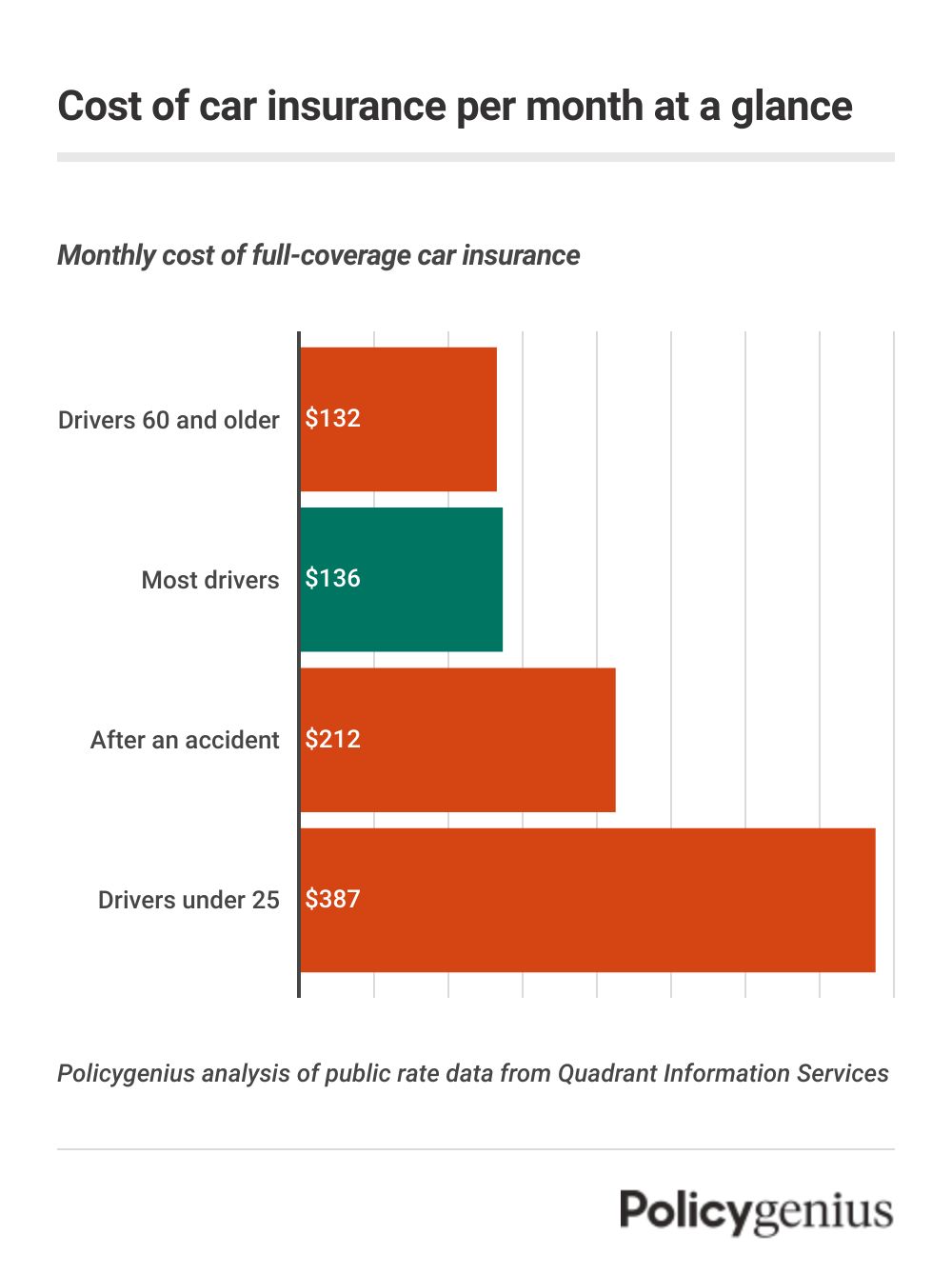
While national averages for car insurance can provide a rough ballpark (often cited as $150-$250 per month for a single car with full coverage), these figures become even less precise when multiplied by two vehicles and various driver profiles. For two cars, a household might reasonably expect to pay anywhere from $250 to $500+ per month, depending heavily on location, driver history, vehicle types, and chosen coverage. It’s crucial to understand that these are broad estimates, and your individual quote could be lower or higher.
Factors that heavily influence your personal reality include:
- Geographic Location: As mentioned, state and even ZIP code matter immensely. A driver in a high-density, high-accident urban area of Michigan will pay significantly more than a driver in rural Idaho, even with similar cars and driving records.
- Driver Ages and Records: A policy covering two experienced drivers with clean records will be substantially cheaper than one that includes a new teenage driver, even if they’re only assigned to one vehicle.
- Credit Score: A poor credit score can add tens or even hundreds of dollars to your monthly premium, making it a critical financial health indicator for insurance costs.
Impact of Vehicle Combinations
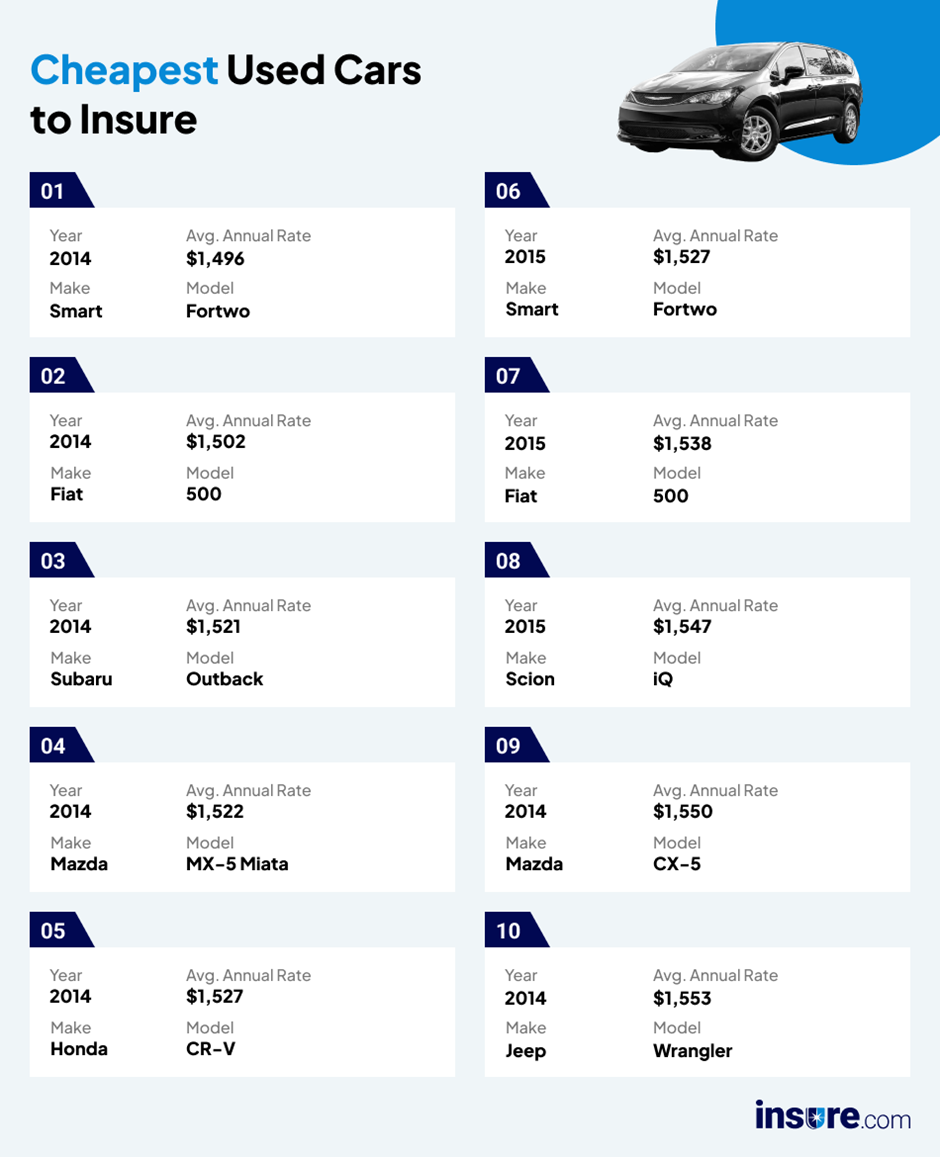
The types of vehicles you own will have a direct impact on the premium for each.
- Two Luxury Sedans/Sports Cars: This combination will invariably lead to a higher premium due to higher repair costs, greater theft risk, and potentially higher performance ratings.
- A New Sedan and an Older SUV: This is a common scenario. The newer sedan might have higher collision/comprehensive costs due to its value, while the older SUV might have lower rates but potentially higher liability costs if driven by a riskier driver. The total premium will be an aggregation of these individual car costs, with the multi-car discount applied to the sum.
- Electric Vehicles (EVs): While EVs often qualify for eco-friendly discounts, their higher initial cost and specialized repair needs (especially for battery components) can sometimes lead to higher comprehensive and collision premiums.
State-by-State Variations in Premiums
Insurance is regulated at the state level, leading to significant disparities in costs across the U.S.
- Regulatory Environment: Some states mandate higher minimum liability coverages, driving up baseline costs. Others have no-fault insurance laws, which can also influence premiums.
- Population Density and Accident Rates: States with higher population densities and corresponding higher traffic volumes and accident rates (e.g., California, Florida, New York) tend to have more expensive insurance.
- Natural Disaster Risk: States prone to hurricanes, tornadoes, or wildfires (e.g., Florida, Texas, California) may have higher comprehensive coverage costs.
Understanding your state’s specific insurance landscape is crucial for setting realistic financial expectations.
The Role of Specific Insurers
Every insurance company has its own proprietary algorithm for assessing risk and pricing policies. This means that for the exact same driver profile, vehicles, and coverage, quotes can vary significantly between providers.
- Target Demographics: Some insurers cater more to high-risk drivers, while others focus on low-risk profiles, impacting their pricing models.
- Discount Structures: The types and generosity of discounts vary widely. One insurer might offer a substantial good driver discount, while another might excel in multi-policy bundling.
- Overhead and Profit Margins: Different companies have different operational costs and profit objectives, which are reflected in their premiums.
This variability underscores the importance of actively shopping around, a cornerstone of smart financial management for insurance.
Strategies to Minimize Your 2-Car Insurance Premiums
While many factors are beyond your immediate control, there are numerous proactive financial strategies you can employ to lower your monthly insurance costs for two cars. Adopting these habits can lead to significant long-term savings.
Shop Around and Compare Quotes Diligently
This is perhaps the single most impactful action you can take. Do not settle for the first quote you receive, or simply renew with your current provider without checking competitors.
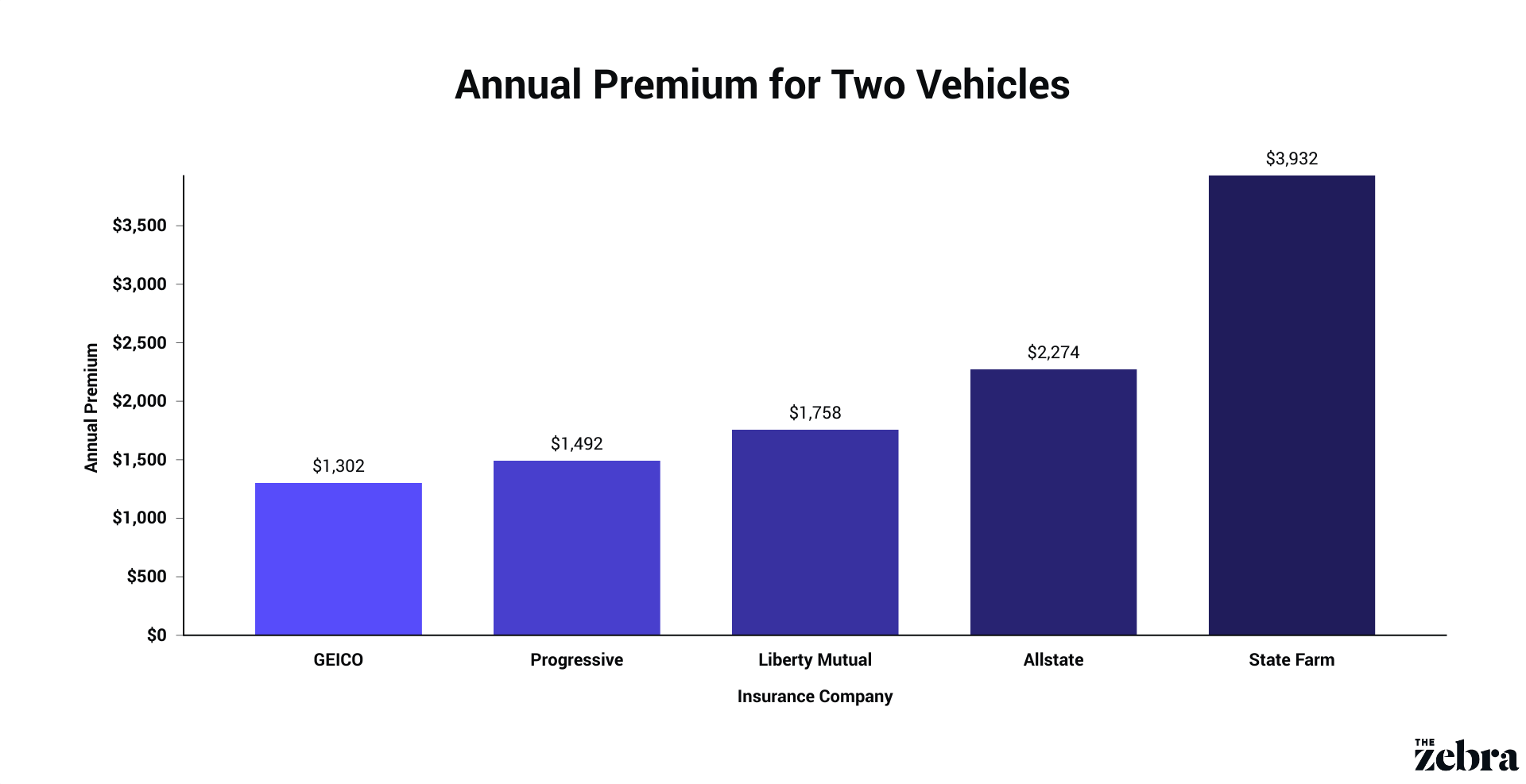
- Get at least 3-5 Quotes: Use online comparison tools, or contact reputable agents from different companies (e.g., GEICO, Progressive, State Farm, Allstate, Liberty Mutual, local independent agents).
- Compare Apples to Apples: Ensure that all quotes are for the exact same coverage limits, deductibles, and included benefits for both vehicles and all drivers. A lower quote might hide lower coverage, which could be a disastrous financial misstep in an accident.
- Review Annually: Your insurance needs and market rates can change. Make it a financial habit to re-evaluate your policy and shop for new quotes at least once a year, or whenever you have a significant life event (new car, new driver, change of address).
Leverage All Available Discounts
Beyond multi-car and bundling, a plethora of other discounts can collectively shave a significant amount off your premium. Always ask your agent about every potential discount.
- Good Driver/Accident-Free Discount: For maintaining a clean driving record over several years.
- Good Student Discount: For young drivers with good academic performance.
- Defensive Driving Course Discount: For completing an approved driver safety course.
- Low Mileage Discount: If one or both cars are driven less than a certain annual mileage (e.g., 7,500-10,000 miles).
- Anti-Theft Device Discount: For factory-installed or aftermarket alarms and tracking systems.
- Professional/Affinity Group Discount: Many insurers offer discounts to members of certain alumni associations, professional organizations, or employer groups.
- Pay-in-Full Discount: If you can afford to pay your annual premium upfront, many insurers offer a discount for doing so, avoiding monthly installment fees.
- Paperless/Auto-Pay Discount: Enrolling in electronic statements and automatic payments can also yield small savings.
Adjust Coverage Responsibly
While adequate coverage is paramount for financial protection, you may not need the same level of coverage for every vehicle on your policy.
- Consider Dropping Comprehensive/Collision on Older Cars: If one of your vehicles is old, has a low market value, and is fully paid off, the cost of comprehensive and collision coverage might outweigh the potential payout after a deductible. Use the “10% Rule”: if the annual premium for these coverages exceeds 10% of the car’s market value, it might be financially prudent to drop them and self-insure (i.e., be prepared to pay for repairs or replacement out-of-pocket).
- Re-evaluate Deductibles: If you have a robust emergency fund, increasing your deductibles for collision and comprehensive from, say, $500 to $1,000, can significantly lower your premiums. Just ensure you always have that deductible amount readily accessible in savings.
Maintain a Clean Driving Record
This is the most fundamental and powerful long-term strategy for minimizing insurance costs. Accidents and traffic violations not only directly increase your premiums for several years but can also revoke access to good driver discounts. Encourage all drivers on your policy to prioritize safe driving habits. This financial benefit serves as a strong incentive for responsible behavior behind the wheel.
Improve Your Credit Score
Since credit-based insurance scores are used in most states, improving your credit score is a long-term financial strategy that can indirectly lower your car insurance premiums. Pay bills on time, reduce debt, and maintain a healthy credit history.
Navigating the Quote Process and Making an Informed Decision
Getting a quote for two cars requires a systematic approach to ensure accuracy and to make a truly informed financial decision.
What Information You’ll Need
Be prepared with the following details for a smooth quote process:
- For Each Driver: Full name, date of birth, driver’s license number, driving history (accidents, tickets in the last 3-5 years), and possibly Social Security number for credit checks.
- For Each Vehicle: Make, model, year, VIN (Vehicle Identification Number), current odometer reading, primary use (commute, pleasure), and estimated annual mileage.
- Current Insurance Details: Your current policy declarations page can help ensure you’re comparing similar coverage levels.
- Home Address: For accurate geographical rating.
Asking the Right Questions
Don’t hesitate to ask your insurance agent pointed questions:
- “What multi-car and multi-policy discounts am I eligible for?”
- “Are there any other discounts I might qualify for that we haven’t discussed?”
- “What are the premium differences if I adjust my deductibles to $500, $1,000, or $2,500?”
- “What are the exact limits for all my coverages (liability, comprehensive, collision, etc.)?”
- “What is your company’s claims process like, and what are your typical customer service ratings?”
- “Does this policy include any special features like vanishing deductibles or accident forgiveness?”
Reading the Fine Print
Once you’ve selected a policy, thoroughly read your policy documents. Understand:
- Exclusions: What specifically is not covered?
- Terms and Conditions: Any specific requirements or limitations.
- Payment Schedule: Confirm your monthly payment, due dates, and any fees.
Your insurance policy is a legally binding financial contract. A full understanding prevents costly surprises down the road.
In conclusion, while there’s no singular answer to “how much is car insurance for 2 cars per month,” adopting a strategic, informed approach to your multi-car insurance can result in substantial financial savings. By understanding the factors at play, diligently seeking discounts, adjusting coverage intelligently, and consistently shopping for the best rates, you can effectively manage this significant household expense. Smart financial planning around car insurance is not just about protection; it’s about optimizing your budget and ensuring your money works harder for you.
aViewFromTheCave is a participant in the Amazon Services LLC Associates Program, an affiliate advertising program designed to provide a means for sites to earn advertising fees by advertising and linking to Amazon.com. Amazon, the Amazon logo, AmazonSupply, and the AmazonSupply logo are trademarks of Amazon.com, Inc. or its affiliates. As an Amazon Associate we earn affiliate commissions from qualifying purchases.