
Navigating the bustling streets of New York City in your own vehicle offers unparalleled freedom, but it comes with a significant financial consideration: auto insurance. Unlike many other parts of the country, securing car insurance in the five boroughs is often a stark reminder of the city’s unique economic landscape. The question “How much is auto insurance in NYC?” doesn’t have a simple, single answer; instead, it opens a pandora’s box of variables, risk factors, and mandatory requirements that coalesce into some of the nation’s highest premiums. For residents and prospective drivers alike, understanding these dynamics is not just prudent but essential for sound personal financial planning.
The cost of living in NYC is famously exorbitant, and car ownership is no exception. From parking costs to fuel prices, every aspect of having a vehicle here is amplified. Auto insurance, a non-negotiable legal requirement, forms a substantial part of that financial burden. This article will delve into the specific reasons behind NYC’s steep insurance rates, dissect the factors that determine individual premiums, outline the mandatory and recommended coverage options, and ultimately provide actionable strategies for managing and potentially reducing these significant expenses. For anyone looking to understand or optimize their auto insurance spending in New York City, a clear and comprehensive financial roadmap is indispensable.
The High Cost of Driving in the Big Apple
New York City’s urban environment presents a unique set of challenges that directly translate into higher auto insurance premiums. Insurers operate on risk assessment, and unfortunately for NYC drivers, the city scores high on numerous risk indicators. Understanding these underlying factors is the first step in comprehending why a policy here can cost significantly more than in a less densely populated area.
Why NYC Auto Insurance Premiums Are So High
Several interconnected factors converge to push NYC auto insurance premiums into the upper echelon nationally:
-
Population Density & Traffic Congestion: With millions of people packed into a relatively small geographic area, NYC experiences unparalleled traffic congestion. More cars on the road, often operating in close proximity, inevitably lead to a higher frequency of accidents, even minor fender-benders. Each incident, regardless of its severity, contributes to insurance claims, which in turn drive up overall rates. The sheer volume of vehicles and pedestrians further complicates driving, increasing the likelihood of unforeseen incidents.
-
High Theft Rates: Urban areas, particularly those with high population density and accessible major transportation routes, often face elevated rates of vehicle theft and vandalism. Even with modern anti-theft technologies, the risk remains a significant actuarial factor. Insurers account for this increased risk of property loss, translating directly into higher comprehensive coverage costs for NYC residents.
-
Expensive Repair Costs: The cost of labor, parts, and specialized repair services in New York City is generally higher than the national average. When an accident occurs, the subsequent repair bill will likely be steeper, meaning insurers must reserve more capital to cover potential claims. This higher operational cost for repairs is built into premium calculations.
-
No-Fault State Requirements: New York is a “no-fault” state. This means that after an accident, your own insurance company typically pays for your medical expenses and other economic losses, regardless of who was at fault. While designed to streamline claims and reduce litigation, it mandates a minimum level of Personal Injury Protection (PIP) coverage, adding to the baseline cost of policies. The comprehensive nature of no-fault benefits, even for minor injuries, contributes significantly to the overall premium burden.
-
High Incidence of Fraud: Unfortunately, urban environments can also be hotbeds for insurance fraud, ranging from staged accidents to inflated repair claims. Insurers factor in the costs associated with investigating and mitigating fraud, passing these expenses on to all policyholders through higher premiums. The complexity and volume of claims in a city like NYC can make it more susceptible to such illicit activities.
Average Costs and Range
Given these compounding factors, what can a driver expect to pay? While it’s crucial to understand that these are averages and individual rates will vary widely, auto insurance in NYC can range anywhere from $2,500 to over $6,000 annually, with many drivers finding themselves in the $3,500 to $4,500 range. Monthly premiums could, therefore, be anywhere from roughly $200 to $500 or more.
These figures represent a significant premium compared to the national average, which often hovers around $1,500 to $2,000 annually. Drivers with less experience, a poor driving record, or those insuring newer, more expensive vehicles will naturally find themselves at the higher end of the spectrum. Conversely, long-term safe drivers with good credit and modest vehicles might secure rates closer to the lower end, though still notably higher than in suburban or rural areas. It’s imperative for individuals to obtain personalized quotes, as broad averages serve only as a general benchmark.
Key Factors Influencing Your NYC Auto Insurance Premiums
Beyond the general NYC risk landscape, your individual premium is meticulously calculated based on a specific profile unique to you and your vehicle. Understanding these granular factors is critical for anticipating costs and making informed decisions about your coverage and driving habits.
Driver-Specific Attributes
Your personal history and characteristics play a monumental role in determining your insurance premium:
-
Age and Driving Experience: This is often one of the most impactful factors. Younger, less experienced drivers (typically under 25) are statistically proven to be at a higher risk of accidents, leading to significantly higher premiums. As drivers gain experience and maintain a clean record, their rates tend to decrease, assuming other factors remain constant.
-
Driving Record: A clean driving record is your best friend when it comes to insurance costs. Any tickets (speeding, distracted driving), at-fault accidents, or serious violations like DUIs will drastically increase your premiums, sometimes for several years. Insurers view these as direct indicators of future risk.
-
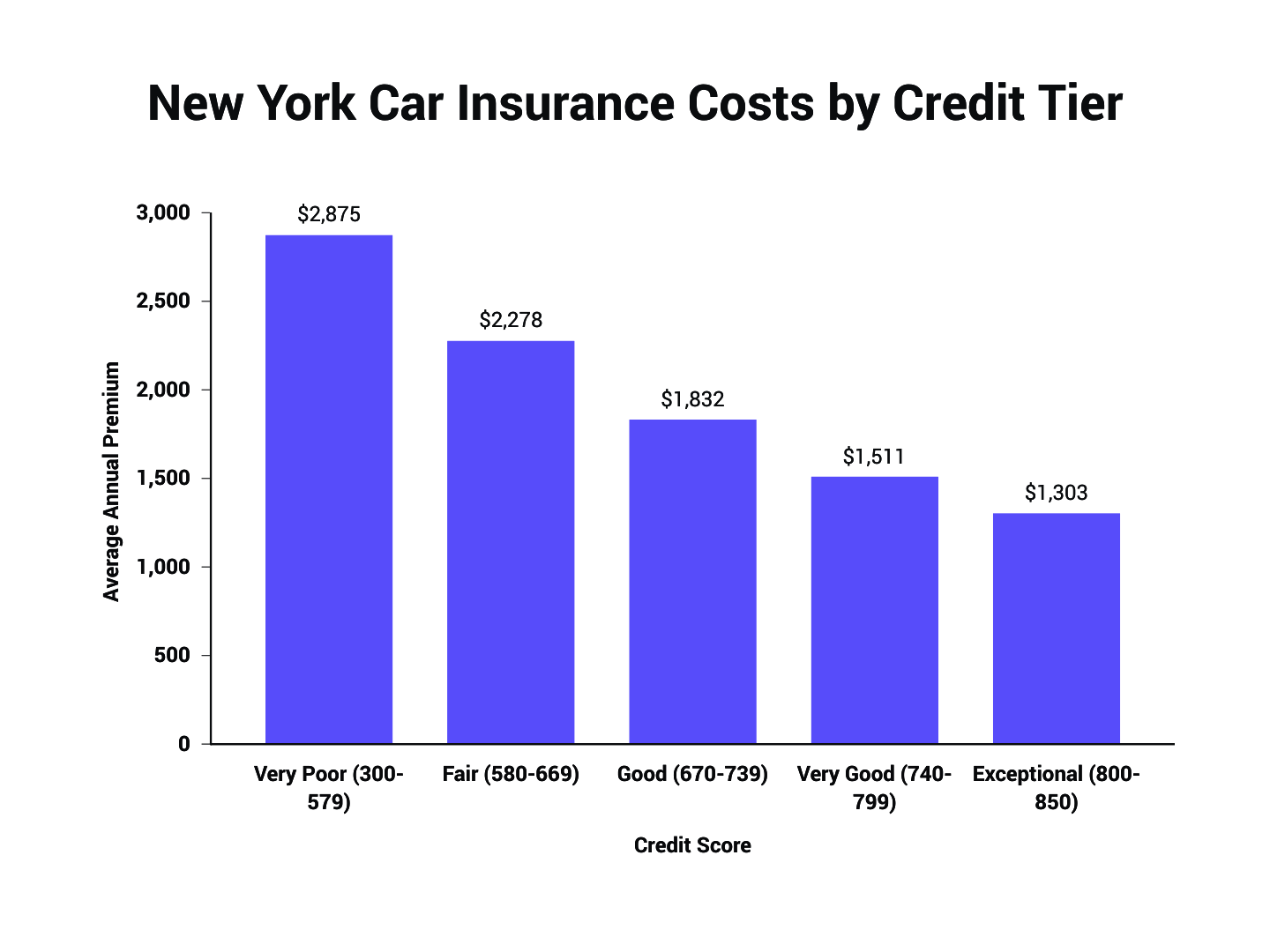
Credit Score: In New York, while your credit score isn’t the sole determinant, it can be used by some insurers as part of an “insurance score” to predict the likelihood of you filing a claim. A higher credit score often correlates with lower premiums, reflecting a perception of greater financial responsibility.
-
Marital Status: Statistically, married drivers are often seen as more stable and less prone to risky behavior, which can sometimes result in slightly lower premiums compared to single drivers.
-
Location within NYC: Even within the five boroughs, your specific zip code can influence your rates. Areas with higher rates of accidents, vehicle theft, or vandalism will command higher premiums than those deemed safer, even if they are just a few miles apart. For example, some areas of Brooklyn or the Bronx might have higher rates than parts of Staten Island or Queens.
Vehicle-Specific Attributes
The car you drive is equally scrutinized by insurers:
-
Make, Model, and Year: The type of vehicle profoundly affects repair costs, theft risk, and potential liability. Luxury cars, sports cars, or vehicles with expensive foreign parts will naturally cost more to insure than a standard economy sedan. Similarly, vehicles known for high theft rates or those with powerful engines may incur higher premiums.
-
Safety Features: Modern safety features such as anti-lock brakes (ABS), airbags, electronic stability control, and advanced driver-assistance systems (ADAS) like automatic emergency braking can help reduce the likelihood or severity of accidents. Insurers often offer discounts for cars equipped with these features, as they lower the risk of injury and damage.
-
Anti-Theft Devices: Beyond the general theft risk of NYC, having installed anti-theft devices (e.g., car alarms, tracking systems, immobilizers) can lead to discounts on your comprehensive coverage, as they deter theft and aid in recovery.
-
Usage: How much you drive and for what purpose also matters. A vehicle used for daily commuting over long distances will typically have higher premiums than one used only occasionally for personal errands. Business use, ridesharing, or delivery services usually require specialized and more expensive commercial policies.
Understanding NYC’s Mandatory Coverage and Options

Navigating auto insurance in New York isn’t just about cost; it’s also about ensuring you have the right type and amount of coverage. New York State mandates specific minimums, but these are often insufficient for the realities of driving in a high-stakes environment like NYC.
New York State’s Minimum Requirements
New York law requires all drivers to carry specific types of coverage. These minimums are often referred to as “25/50/10” plus PIP and Uninsured/Underinsured Motorist (UM/UIM):
-
Bodily Injury Liability: $25,000 per person and $50,000 per accident. This covers medical expenses and lost wages for others if you’re at fault in an accident.
-
Property Damage Liability: $10,000 per accident. This covers damage to other people’s property (their car, a fence, etc.) if you’re at fault.
-
Personal Injury Protection (PIP) / No-Fault: $50,000 per person. This covers your own medical expenses, lost wages, and other necessary expenses (like household help) up to the limit, regardless of who caused the accident. This is central to New York’s no-fault system.
-
Uninsured/Underinsured Motorist (UM/UIM) Coverage: $25,000 per person and $50,000 per accident. This protects you if you’re hit by a driver who either doesn’t have insurance or doesn’t have enough insurance to cover your damages.
While these are the legal minimums, it’s crucial to understand their inadequacy, especially in NYC. A single accident involving injuries or significant property damage can easily exceed these limits, leaving you personally responsible for the remaining costs. Given the high cost of medical care and vehicle repairs in NYC, these minimums offer very little financial protection in a serious incident.
Recommended Additional Coverage for NYC Drivers
For true financial security in NYC, most financial advisors and insurance experts strongly recommend going well beyond the state minimums:
-
Higher Liability Limits: This is arguably the most important upgrade. Instead of 25/50/10, consider at least 100/300/50 ($100,000 per person for bodily injury, $300,000 per accident for bodily injury, and $50,000 for property damage). In an accident involving multiple vehicles or severe injuries in NYC, claims can quickly escalate into the hundreds of thousands, or even millions, of dollars. Higher liability limits protect your assets from lawsuits.
-
Collision Coverage: This pays for damages to your own vehicle resulting from a collision with another car or object, regardless of fault. If your car is financed or leased, this coverage is typically mandatory. Given the high cost of repairs and the frequency of minor accidents in NYC, this is a highly recommended addition.
-
Comprehensive Coverage: This covers damages to your car not caused by a collision, such as theft, vandalism, fire, natural disasters, or hitting an animal. With NYC’s higher theft and vandalism rates, comprehensive coverage offers invaluable peace of mind and financial protection against these common urban risks. Again, if your car is financed or leased, this is usually required.
-
Rental Car Reimbursement: If your car is in the shop after a covered accident, this pays for a rental car, allowing you to maintain mobility in a city where public transport isn’t always convenient for every journey.
-
Roadside Assistance: Given the potential for breakdowns and flat tires in traffic, roadside assistance can be a lifesaver, covering services like towing, jump-starts, or tire changes.
-
Gap Insurance: If you have a car loan or lease, and your car is totaled, gap insurance covers the difference between what you still owe on the vehicle and its actual cash value, preventing you from being upside down on a loan for a car you no longer possess.
Strategies to Save Money on NYC Auto Insurance
While NYC auto insurance is inherently expensive, there are definite strategies to mitigate costs and ensure you’re getting the best value for your money. A proactive and informed approach to your policy can lead to significant financial savings.
Smart Shopping & Comparison
The single most effective way to save money is by thoroughly shopping around.
-
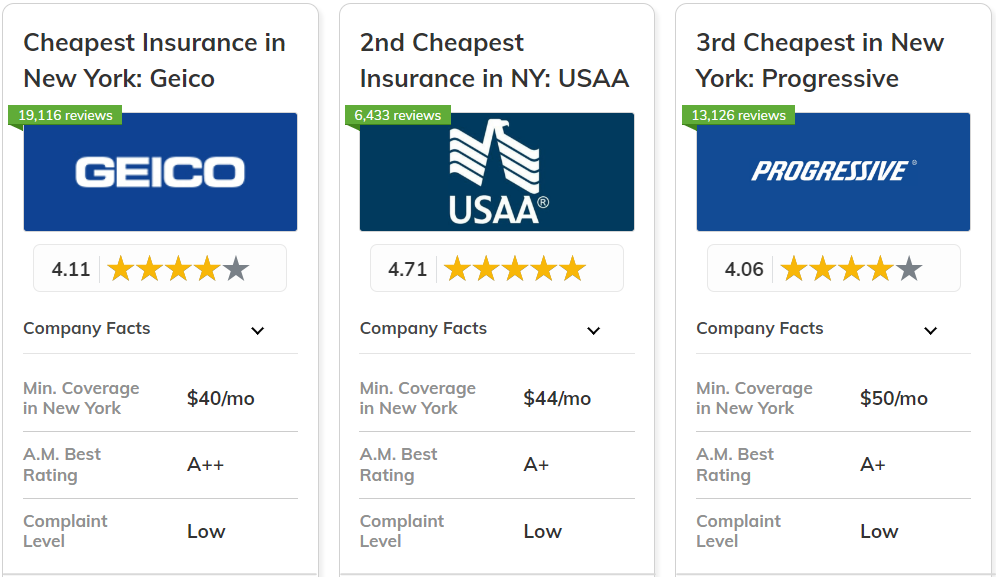
Get Quotes from Multiple Insurers: Do not settle for the first quote you receive. Different companies weigh risk factors differently, so premiums for the exact same coverage can vary wildly. Use online comparison tools or work with an independent insurance broker who can provide quotes from a wide range of carriers (e.g., GEICO, Progressive, Allstate, State Farm, Esurance, Liberty Mutual, The General, etc.).
-
Don’t Just Look at Price: While cost is paramount for personal finance, consider the insurer’s reputation, customer service, and claims handling process. A cheaper policy is no bargain if they make it difficult to file a claim when you need it most. Check customer reviews and ratings from independent agencies.
-
Re-evaluate Annually: Your personal situation, driving record, and the insurance market can change. Make it a habit to get new quotes at least once a year, usually before your policy renews. Loyalty sometimes comes with a penalty if you’re not vigilant.
Leveraging Discounts
Most insurance companies offer a variety of discounts. It’s your responsibility to ask about them and ensure you qualify.
-
Multi-Policy/Bundling Discounts: One of the most common and substantial discounts. If you combine your auto insurance with your home, renters, or even life insurance policy from the same provider, you can often save 10-20% on both policies.
-
Good Driver/Safe Driver Discounts: If you maintain a clean driving record for a certain period (e.g., 3-5 years without accidents or tickets), you’ll likely qualify for significant savings. Some insurers offer telematics programs where they monitor your driving habits via an app or device, rewarding safe driving with lower rates.
-
Student Discounts: Good student discounts (for maintaining a certain GPA) and distant student discounts (if a student driver attends school far from home and rarely drives the insured vehicle) can help lower rates for younger drivers.
-
Anti-Theft Device Discounts: As mentioned, having factory-installed or aftermarket anti-theft systems can reduce comprehensive coverage costs.
-
Low Mileage Discounts: If you don’t drive much, especially pertinent for some NYC residents who rely heavily on public transport, you might qualify for a low mileage discount. This is particularly relevant if your commute is short or non-existent.
-
Defensive Driving Course Discount: New York State allows a 10% discount on your auto liability, no-fault, and collision premiums for three years if you complete a state-approved Defensive Driving Course (PIRP). This also allows you to reduce up to four points on your driving record.
Adjusting Your Coverage Wisely
Reviewing your coverage levels can also yield savings.
-
Increase Deductibles: Your deductible is the amount you pay out-of-pocket before your insurance kicks in. Increasing your deductible for collision and comprehensive coverage from, say, $500 to $1,000 or $2,500, can significantly lower your premiums. However, ensure you have sufficient emergency savings to cover the higher deductible if an incident occurs.
-
Review Coverage Annually: As your car ages, its market value depreciates. If you have an older vehicle with low cash value, the cost of collision and comprehensive coverage might outweigh the potential payout. Consider dropping these coverages entirely if the car is worth less than the annual premium for that coverage.
-
Maintain a Good Credit Score: While not a direct insurance adjustment, a healthy financial standing can indirectly help reduce your premiums in New York by contributing to a better insurance score.
In conclusion, the question “How much is auto insurance in NYC?” is complex, rooted in the city’s unique risks and amplified by individual circumstances. While high premiums are an unavoidable reality of driving in the Big Apple, a meticulous approach to understanding influencing factors, securing adequate coverage, and diligently applying cost-saving strategies can empower NYC drivers to manage this significant financial responsibility effectively. Thorough research, persistent comparison shopping, and an active pursuit of discounts are not just recommendations but essential financial tools for navigating the costs of auto insurance in one of the world’s most dynamic urban environments.
aViewFromTheCave is a participant in the Amazon Services LLC Associates Program, an affiliate advertising program designed to provide a means for sites to earn advertising fees by advertising and linking to Amazon.com. Amazon, the Amazon logo, AmazonSupply, and the AmazonSupply logo are trademarks of Amazon.com, Inc. or its affiliates. As an Amazon Associate we earn affiliate commissions from qualifying purchases.