
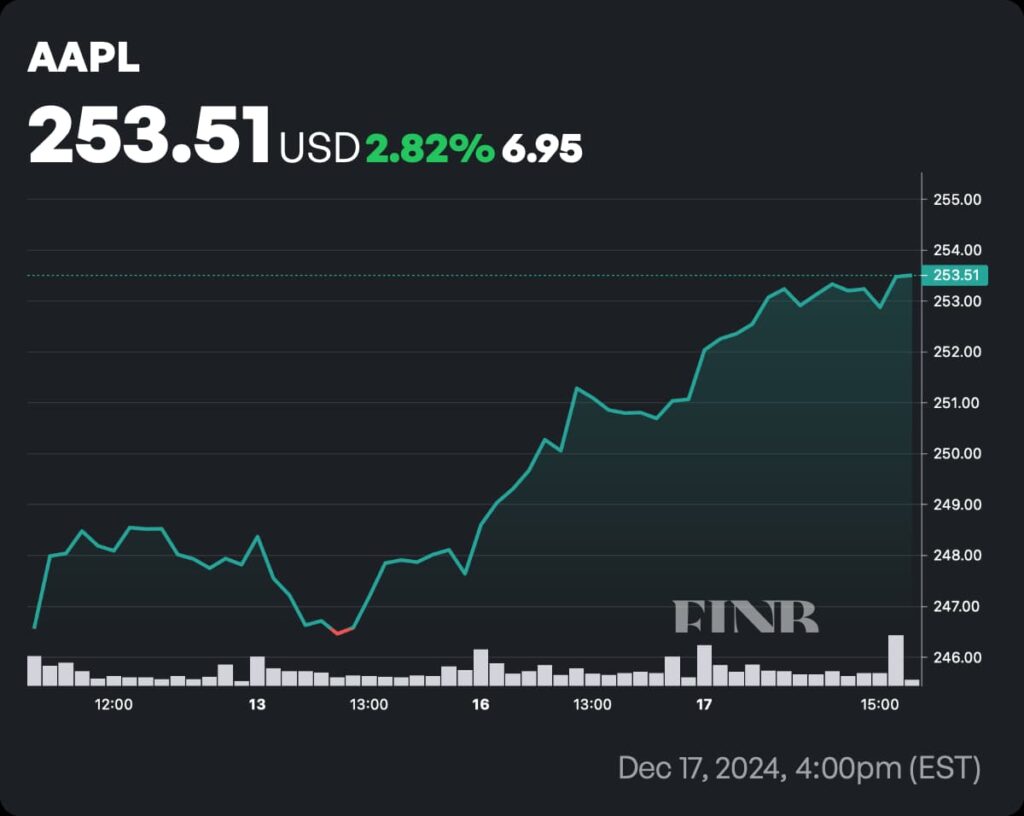
The question “how much is Apple stock right now” is a snapshot query for a dynamic value that changes by the second during market hours. For investors, understanding this momentary price is merely the tip of the iceberg. A comprehensive grasp of Apple’s valuation requires delving into the intricate financial mechanisms, market forces, and strategic considerations that constantly sculpt its stock price. This article aims to provide not just the methods to find that real-time figure, but also the essential context for making informed financial decisions regarding one of the world’s most influential companies, Apple Inc. (AAPL).
Understanding Apple’s Stock Value: More Than Just a Number
The share price of Apple (AAPL) reflects the collective judgment of millions of investors about the company’s current health and future prospects. This judgment is fluid, influenced by a myriad of internal and external factors that cause the stock to fluctuate throughout the trading day and across longer periods.
The Dynamic Nature of Stock Prices
Stock prices are not static; they are in constant motion. During market hours (typically 9:30 AM to 4:00 PM Eastern Time on weekdays), Apple’s stock price adjusts with every buy and sell order executed. Before and after these standard hours, pre-market and after-hours trading also occurs, albeit with lower liquidity, where news announcements or earnings releases can trigger significant price movements. Factors like trading volume, investor sentiment, and breaking news can cause rapid shifts, making “right now” a fleeting moment in the stock’s journey.
Key Drivers of AAPL’s Valuation
Several core elements contribute to Apple’s valuation and the ongoing adjustment of its share price:
- Earnings and Revenue Growth: Apple’s quarterly earnings reports are pivotal. Consistent revenue growth, especially from diverse segments beyond the iPhone, along with strong earnings per share (EPS), signals a healthy and expanding business. Analysts closely scrutinize these reports for insights into profitability and future guidance.
- Product Innovation & Pipeline: Apple’s history is built on revolutionary products. The success of new iPhone models, the expansion of its Mac and iPad lines, the growth of Wearables (Apple Watch, AirPods), and the potential for future ventures like the Vision Pro or rumored automotive projects directly impact investor confidence and future revenue expectations.
- Market Share & Competitive Landscape: Apple operates in highly competitive markets. Its ability to maintain or grow market share against rivals like Samsung, Google, Microsoft, and Meta in various product and service categories is crucial. Competitive pressures can impact pricing power and profitability.
- Brand Strength & Customer Loyalty: Apple boasts one of the strongest brands globally. Its premium pricing strategy, coupled with an incredibly loyal customer base and a tightly integrated ecosystem, provides a significant moat against competitors and contributes to stable demand.
- Financial Health: A strong balance sheet, substantial cash reserves, robust cash flow, and manageable debt levels provide Apple with strategic flexibility, allowing for aggressive R&D, acquisitions, and shareholder returns.
- Shareholder Returns: Apple’s program of dividends and significant stock buybacks demonstrates its commitment to returning value to shareholders, which can support the stock price and attract income-focused investors.
- Macroeconomic Factors: Broader economic conditions, such as inflation, interest rates, consumer spending confidence, and global geopolitical stability, inevitably influence Apple. As a company reliant on discretionary consumer spending, economic downturns can impact demand for its products and services.
- Investor Sentiment and Analyst Ratings: Market psychology, news headlines, and the consensus ratings from financial analysts can sway investor perceptions, leading to shifts in supply and demand for the stock.
Navigating the Market: How to Find Real-Time Apple Stock Prices
For investors seeking the most current price of Apple stock, numerous reliable sources offer real-time or near real-time data. Understanding where to look and what information is presented is crucial for making timely decisions.
Reputable Financial News Websites
Many prominent financial news outlets provide easily accessible, real-time stock quotes. These platforms are often the first stop for investors and frequently include additional data beyond just the last traded price.
- Bloomberg, Reuters, Wall Street Journal: These sites offer professional-grade financial news and market data.
- Yahoo Finance, Google Finance: User-friendly and widely popular, these platforms provide current stock prices, interactive charts, historical data, news feeds, and key financial metrics. They typically display the last price, net change for the day, percentage change, daily high/low, trading volume, and sometimes bid/ask spreads.
When using these sites, look for the ticker symbol “AAPL.” Be aware that some free platforms might display data with a slight delay (e.g., 15 minutes) unless you are logged into an associated brokerage account or premium service.
Brokerage Platforms
If you have an active investment account, your brokerage platform is often the most comprehensive source for real-time stock prices and trading tools.
- E*TRADE, Fidelity, Charles Schwab, Interactive Brokers, Robinhood: These platforms offer sophisticated dashboards, charting capabilities, and order books that display current bid and ask prices, depth of market, and detailed trade information. Brokerage platforms provide the most accurate and immediate data for executing trades. Many also offer Level 2 data, showing the full range of current buy and sell orders at various prices.
Stock Market Apps
Numerous mobile applications are specifically designed for tracking stock prices, offering convenience and on-the-go access.
- Dedicated Finance Apps: Apps like TradingView, Webull, or the native “Stocks” app on Apple devices often provide real-time quotes, customizable watchlists, alerts, and charting features. These apps are excellent for monitoring your portfolio and tracking specific stocks like AAPL without needing to log into a full brokerage account constantly.
Understanding Market Delays
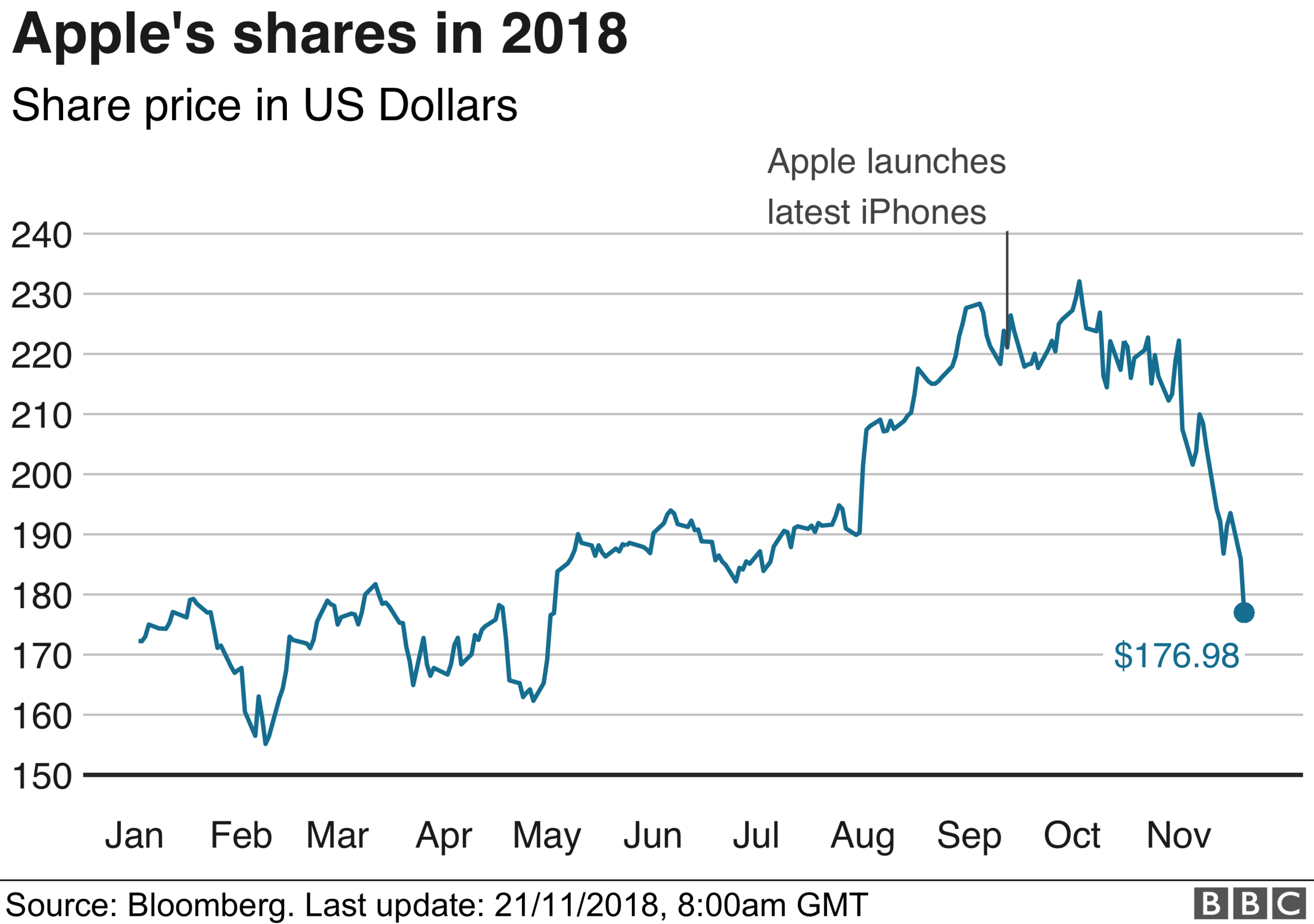
It’s important to distinguish between real-time data and delayed data. While most professional platforms and brokerage accounts offer true real-time quotes, some free sources may have a 15-minute delay. For active traders, real-time data is critical to avoid executing orders at outdated prices. For long-term investors, a slight delay is often negligible. Always verify the timestamp of the quote to ensure you are viewing the most current information available.
Key Considerations for Prospective Apple Investors
Beyond knowing the current price, a prudent investor considering Apple stock must engage in thorough due diligence. Investing in a company as large and influential as Apple requires an understanding of its financial health, market position, and potential future trajectories.
Fundamental Analysis
Fundamental analysis involves evaluating a company’s financial statements and business model to determine its intrinsic value.
- Price-to-Earnings (P/E) Ratio: This metric compares Apple’s share price to its earnings per share. A high P/E often indicates that investors expect higher future growth, but it’s crucial to compare Apple’s P/E to its historical average and to its peers in the technology sector to gauge if it’s over or undervalued.
- Earnings Per Share (EPS) Growth: Consistent and strong EPS growth is a hallmark of a healthy company. Investors look for Apple’s ability to increase its profitability year over year, indicating efficient operations and expanding markets.
- Revenue Growth: While profitability is key, top-line revenue growth shows the company’s ability to sell more products and services. Diversification of revenue streams, particularly from the Services segment, is increasingly important for Apple.
- Gross Margin: This indicates the percentage of revenue left after subtracting the cost of goods sold. A strong and stable gross margin highlights Apple’s pricing power and efficiency in its supply chain and manufacturing.
- Cash Flow: Positive and growing free cash flow is vital. It enables Apple to invest in research and development, pay dividends, conduct share buybacks, and fund strategic acquisitions without relying heavily on debt.
Technical Analysis (Briefly)
While fundamental analysis focuses on intrinsic value, technical analysis looks at price patterns and trading volumes to predict future price movements. Indicators like moving averages, relative strength index (RSI), and support/resistance levels can offer insights into potential entry and exit points for traders. For long-term investors, technical analysis might be used to refine timing, but it’s secondary to fundamental strength.
Long-Term vs. Short-Term Investment
Apple is often considered a core holding for long-term investors due to its strong brand, financial stability, and consistent innovation. However, like any stock, it experiences short-term volatility driven by news, market sentiment, and macroeconomic shifts. Investors should align their strategy with their investment horizon and risk tolerance.
Diversification and Risk Assessment
Even a blue-chip stock like Apple should be part of a diversified portfolio. Over-concentration in a single stock, regardless of its strength, can expose an investor to undue risk. Key risks for Apple include:
- Intense Competition: Constant pressure from rivals in all its product and service categories.
- Regulatory Scrutiny: Increasing antitrust concerns globally, particularly regarding its App Store policies and market dominance.
- Supply Chain Dependencies: Reliance on global supply chains, especially in Asia, makes it vulnerable to geopolitical events, trade tensions, and logistical disruptions.
- Consumer Spending Habits: As a premium brand, Apple can be sensitive to shifts in consumer discretionary spending during economic downturns.
- Geopolitical Risks: Significant exposure to the Chinese market for both manufacturing and sales presents political and economic risks.
Apple’s Role in the Broader Investment Landscape
Apple is not just a company; it’s an economic titan whose movements can ripple through global markets. Its massive market capitalization makes it a significant component of major stock indices, influencing the overall performance of the technology sector and beyond.
The “Big Tech” Influence
As one of the “Magnificent Seven” and a top holding in indices like the S&P 500 and Nasdaq 100, Apple’s performance has a substantial impact on the broader market. A strong quarter from Apple can lift the entire tech sector, while a disappointing report can trigger a wider sell-off. Investors often monitor AAPL as a bellwether for consumer technology and innovation.
Economic Sensitivity
While generally resilient, Apple is not immune to economic cycles. During recessions or periods of high inflation, consumer spending on premium devices may slow, affecting Apple’s sales. Conversely, periods of economic expansion often see increased demand for its products and services. The company’s diverse revenue streams, particularly the growing Services segment (App Store, Apple Music, iCloud, Apple Pay), provide some buffer against hardware sales fluctuations, making it somewhat less cyclical than pure hardware companies.
Interest Rate Environment
The prevailing interest rate environment significantly impacts the valuation of growth stocks like Apple. Higher interest rates typically increase the discount rate applied to future earnings, which can reduce the present value of a company’s projected cash flows. This effect can cause a headwind for high-growth, high-valuation stocks, even those as robust as Apple. Investors carefully watch central bank policies for clues on future rate movements.
Regulatory Scrutiny and Future Outlook
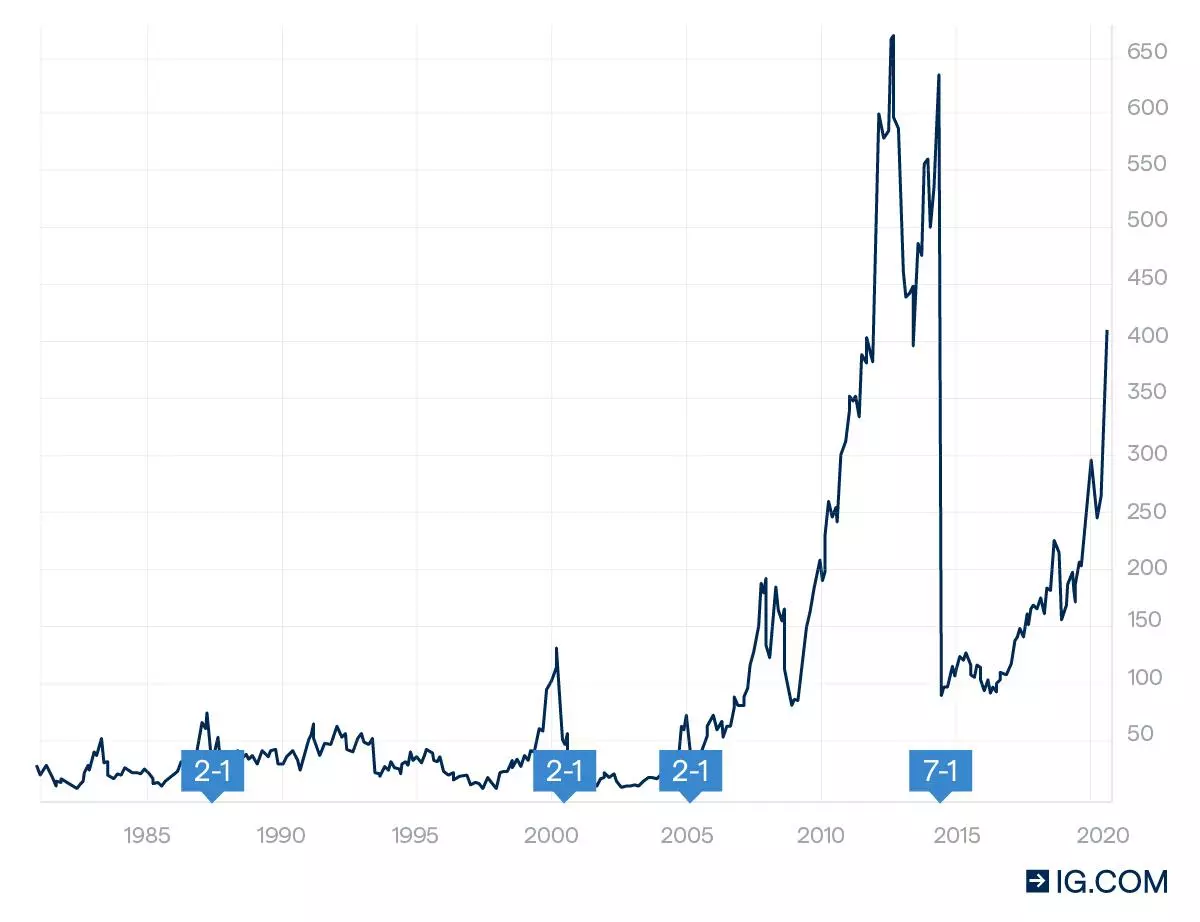
Apple faces continuous scrutiny from regulators worldwide regarding its market power, privacy practices, and app store fees. Outcomes of such challenges could potentially impact its business model and profitability. Despite these headwinds, Apple’s future as an investment remains compelling due to its ongoing commitment to innovation (e.g., in AI, augmented reality, health tech), the continued expansion of its high-margin services segment, and its vast global reach. Its ability to cultivate new revenue streams and seamlessly integrate new technologies into its ecosystem will be critical to sustaining its growth trajectory and commanding its premium valuation in the years to come.
Ultimately, understanding “how much is Apple stock right now” is just the entry point. A truly insightful investor uses this real-time data point as a catalyst for deeper financial exploration, balancing current market dynamics with a robust understanding of Apple’s fundamental strengths, strategic direction, and the broader economic landscape.
aViewFromTheCave is a participant in the Amazon Services LLC Associates Program, an affiliate advertising program designed to provide a means for sites to earn advertising fees by advertising and linking to Amazon.com. Amazon, the Amazon logo, AmazonSupply, and the AmazonSupply logo are trademarks of Amazon.com, Inc. or its affiliates. As an Amazon Associate we earn affiliate commissions from qualifying purchases.