
The intersection of veterinary medicine and personal finance is often where pet owners find themselves making some of the most difficult decisions of their lives. When a pet is diagnosed with a chronic condition like atopic dermatitis or allergic itching, the immediate concern is relief, but the secondary concern is almost always financial sustainability. Apoquel (oclacitinib), a leading medication for canine allergies, represents a significant recurring expense for millions of households. Understanding the cost of Apoquel is not just about looking at a price tag; it is about analyzing market variables, supply chain dynamics, and strategic financial planning to ensure that the cost of care does not compromise the household budget.
The True Cost of Chronic Pet Care: A Financial Breakdown
When asking “how much is Apoquel,” the answer is rarely a single figure. Because the medication is dosed according to weight, the financial burden scales with the size of the dog. For a small breed, the cost might be a manageable monthly line item, but for a large or giant breed, it can rival the cost of a luxury gym membership or a significant utility bill.
Understanding the Unit Price and Dosing Tiers
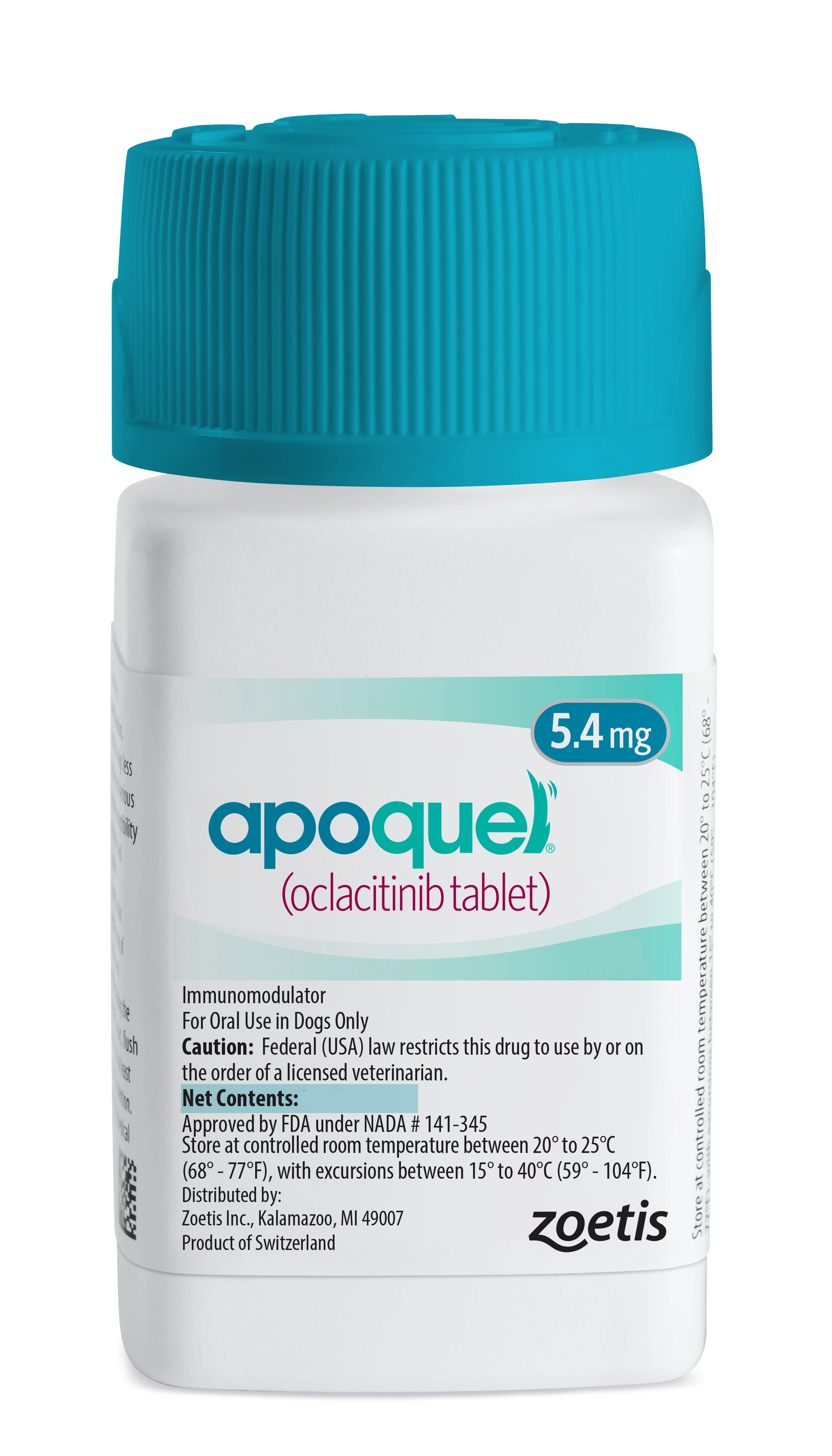
Apoquel is typically sold in three strengths: 3.6 mg, 5.4 mg, and 16 mg. From a financial perspective, the price per tablet does not always scale linearly with the dosage. Veterinary pharmacies and online retailers often price these tablets in a way that creates a “bulk value” for higher strengths, yet the total monthly outlay remains higher for larger animals.
For a dog requiring a 16 mg tablet daily, a 30-count bottle can range from $70 to $90, depending on the vendor. For a dog on a 3.6 mg dose, the cost may hover between $45 and $60. When extrapolated over a year, these figures represent an annual investment of $540 to over $1,000. This does not include the initial “loading dose” period, where the medication is often administered twice daily for the first fourteen days, effectively doubling the cost of the first month of treatment.
The Weight-Based Financial Variable
In personal finance, we often discuss “cost per use.” In the world of veterinary pharmaceuticals, we must discuss “cost per pound.” A 10-pound Terrier and a 90-pound Golden Retriever may suffer from the same symptoms, but the retriever’s owner will face a financial commitment that is nearly triple that of the terrier’s owner. This weight-based pricing model necessitates a proactive approach to budgeting, particularly for those adopting large-breed dogs who may be predisposed to allergic conditions.
Navigating the Market: Where to Find the Best Value
The veterinary pharmaceutical market is highly competitive, and for the savvy consumer, this competition presents an opportunity for price optimization. The price of Apoquel is not fixed; it is subject to the margins and overhead of the provider.
Veterinary Clinics vs. Online Retailers
Traditionally, pet owners purchased all medications directly from their veterinarian. While this offers the convenience of immediate availability and the assurance of a direct supply chain, it is often the most expensive option. Veterinary clinics are small businesses with high overhead costs, and their pharmaceutical margins help fund diagnostic equipment and staff salaries.
Online pharmacies, such as Chewy, PetMeds, or Costco’s veterinary pharmacy, operate on a high-volume, low-margin business model. By centralizing distribution and leveraging economies of scale, these retailers can often offer Apoquel at a 10% to 20% discount compared to local clinics. For a long-term medication, this percentage represents a significant cumulative saving.
The Rise of the Subscription Model
One of the most effective ways to manage the cost of Apoquel is through “Auto-Ship” or subscription services. Many online retailers offer an additional 5% to 10% discount for customers who commit to a recurring delivery schedule. From a cash-flow management perspective, this is a double win: it reduces the unit price of the medication and ensures that the expense is a predictable, automated part of the monthly budget, preventing “sticker shock” during a last-minute trip to the vet.
Leveraging Incentives and Loyalty Programs for Better Cash Flow
In the modern economy, brand loyalty is often rewarded with financial incentives. Zoetis, the manufacturer of Apoquel, understands that the lifetime value of a customer on a chronic medication is immense. To retain these customers, they offer robust rewards programs that can significantly offset the cost of the drug.

The Zoetis Petcare Rewards Program
The Zoetis Petcare Rewards program is a prime example of how consumer behavior can be leveraged to reduce healthcare costs. For every purchase of Apoquel, pet owners can upload their invoices to earn points. These points are then converted into a digital rewards card that can be used to pay for any future veterinary services—not just more Apoquel.
From a financial planning standpoint, this functions as a form of “cash back” on a necessary expense. If a pet owner spends $1,000 a year on medication, they might earn $50 to $100 in rewards, which can then be used to cover the cost of an annual wellness exam or vaccinations. This effectively lowers the “net cost” of the medication by a significant margin.
Manufacturer Rebates and Seasonal Promotions
Beyond loyalty programs, it is wise to keep an eye on manufacturer rebates. During certain times of the year, usually coinciding with peak allergy seasons (spring and fall), manufacturers may offer “Buy X, Get Y” promotions or flat-rate rebates for purchasing 100-count bottles instead of 30-count bottles. Transitioning from small-batch purchases to bulk purchases is a classic wealth-building strategy that applies even to pet care.
The Macroeconomics of the Veterinary Pharmaceutical Industry
To truly understand “how much is Apoquel,” one must look at the broader economic landscape of the veterinary industry. Unlike human medicine, veterinary medicine is largely a “cash-pay” market. While this creates a more transparent pricing environment, it also means that pet owners are more sensitive to price fluctuations caused by inflation and supply chain disruptions.
Inflation and the Rising Cost of Care
In recent years, the cost of veterinary services and products has outpaced general inflation. This is due to increased demand for high-quality pet care and the rising costs of professional labor and specialized logistics. Apoquel, being a proprietary, branded medication, is not immune to these shifts. As the manufacturer’s costs for raw materials and shipping increase, those costs are inevitably passed down to the consumer.
The Absence of Generic Alternatives
In human finance, we often look for generic alternatives to save money. However, Apoquel is still under patent protection in many regions, meaning there is no low-cost generic oclacitinib available. This lack of competition allows the manufacturer to maintain a premium price point. For the pet owner, this means that budgeting must be based on the branded price for the foreseeable future, rather than hoping for a cheaper alternative to hit the market next month.
Strategic Financial Planning for Long-Term Maintenance
Managing the cost of a drug like Apoquel requires a shift from reactive spending to proactive financial management. When a pet requires a lifelong medication, it should be treated as a fixed cost in the household budget, similar to a mortgage or a car payment.
Pet Insurance and Reimbursement
For those who have a comprehensive pet insurance policy, the cost of Apoquel may be largely covered. Most top-tier plans reimburse 70% to 90% of the cost of chronic medications, provided the condition was not “pre-existing” at the time the policy was taken out.
From a purely financial perspective, if you are paying $100 a month for Apoquel and your insurance covers $80 of that, the insurance policy is paying for itself through the medication benefit alone. This highlights the importance of analyzing the ROI of pet insurance early in a pet’s life. If you are already paying for the medication out-of-pocket, it is worth auditing your policy to ensure you are maximizing your claims.
The Opportunity Cost of Unmanaged Conditions
Finally, one must consider the “cost of doing nothing” or the cost of cheaper, less effective alternatives. Unmanaged allergies often lead to secondary skin infections (pyoderma) or ear infections (otitis), which require expensive vet visits, antibiotics, and sedation for deep cleanings.
In this light, the $80 spent on a monthly bottle of Apoquel can be seen as a preventative investment that saves hundreds of dollars in emergency or acute care costs. In the world of finance, we call this risk mitigation. By paying a consistent, predictable price for maintenance, you avoid the volatile and high-cost spikes associated with health crises.

Conclusion: Balancing the Ledger
The question “how much is Apoquel” is the beginning of a larger conversation about the economics of modern pet ownership. While the monthly cost can be significant, the use of online pharmacies, subscription discounts, manufacturer rewards, and insurance reimbursements can bring the price down to a manageable level. By treating pet healthcare as a structured financial obligation and utilizing the tools available in the marketplace, owners can provide their pets with the best possible care without compromising their own financial stability. In the end, the value of a comfortable, itch-free pet is a return on investment that, while difficult to quantify on a spreadsheet, is well worth the strategic planning required to fund it.
aViewFromTheCave is a participant in the Amazon Services LLC Associates Program, an affiliate advertising program designed to provide a means for sites to earn advertising fees by advertising and linking to Amazon.com. Amazon, the Amazon logo, AmazonSupply, and the AmazonSupply logo are trademarks of Amazon.com, Inc. or its affiliates. As an Amazon Associate we earn affiliate commissions from qualifying purchases.