
When observers ask “how much is an Amazon,” the answer typically gravitates toward the company’s fluctuating market capitalization on the NASDAQ. However, for brand strategists, corporate architects, and marketing executives, the “cost” or “value” of Amazon transcends its share price. To understand the true valuation of Amazon is to analyze one of the most sophisticated brand identities ever constructed—a brand that has transitioned from a niche online bookseller to the very infrastructure of modern life.
The value of the Amazon brand is rooted in its ubiquity and its uncanny ability to maintain a unified identity while operating across vastly different sectors, from cloud computing and grocery retail to original content production and logistics. Evaluating this brand requires looking past the balance sheet and into the mechanics of brand equity, customer psychology, and the strategic architecture that sustains its global dominance.
The Intangible Assets: Why Brand Equity Outshines Physical Inventory
The primary reason Amazon commands such a staggering valuation—often cited in the hundreds of billions by brand consultancies like Interbrand and Kantar—is its brand equity. Brand equity is the commercial value that derives from consumer perception of the brand name of a particular product, rather than from the product or service itself.
Defining the Brand Premium
In the case of Amazon, the “brand premium” is the trust that allows a consumer to purchase a high-end electronic device, a week’s worth of groceries, and a digital cloud storage plan from the same entity without hesitation. This trust is not accidental; it is the result of a decades-long commitment to “customer obsession.” By prioritizing the user experience over short-term profitability, Amazon has cultivated a level of brand salience that functions as a self-sustaining asset. When a consumer thinks of “buying something,” the Amazon brand is often the first and only destination that comes to mind. This mental real estate is arguably the most expensive “property” the company owns.
The Psychological Hook of the Amazon Flywheel
Central to the brand’s value is the “Flywheel Effect,” a concept popularized by Jim Collins but perfected by Amazon’s leadership. The strategy is simple: lower prices lead to more customers, which attracts more third-party sellers, which expands the selection, which improves the customer experience, which in turn drives more traffic.
From a branding perspective, this flywheel creates a sense of inevitability. The “value” of an Amazon is its ability to reduce frictional costs for the consumer. By removing the need to compare prices or worry about shipping times, Amazon has branded itself as the “utility of convenience.” In the eyes of the consumer, the brand is no longer a choice; it is a default setting.
The Architecture of an Everything Brand: From A to Z
How does a brand scale from a garage operation to a global hegemon without losing its core identity? The answer lies in its meticulous brand architecture. Amazon has successfully navigated the “House of Brands” versus “Branded House” dilemma by creating a hybrid model that centers on a core promise of efficiency.
Visual Identity and the Evolution of the Smile
The visual identity of Amazon is a masterclass in minimalist communication. The current logo, featuring the “smile” arrow pointing from A to Z, is one of the most recognizable corporate marks in history. It serves two strategic purposes. First, it communicates the brand’s breadth—the “Everything Store” concept. Second, it humanizes a massive corporate entity. The subtle curve of the arrow mimics a smile, subconsciously associating the brand with satisfaction and delivery.
This visual consistency extends across its sub-brands. Whether it is the blue of Prime, the orange of the main retail site, or the sleek, professional aesthetic of Amazon Web Services (AWS), there is an underlying DNA of reliability. The brand identity is built on the idea that while the service may change, the standard of delivery remains constant.
Ecosystem Synergy: Prime as the Ultimate Brand Anchor
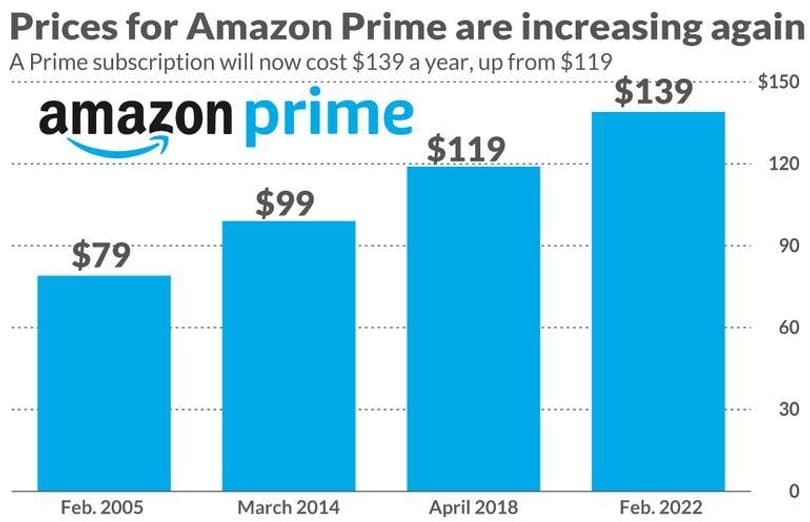
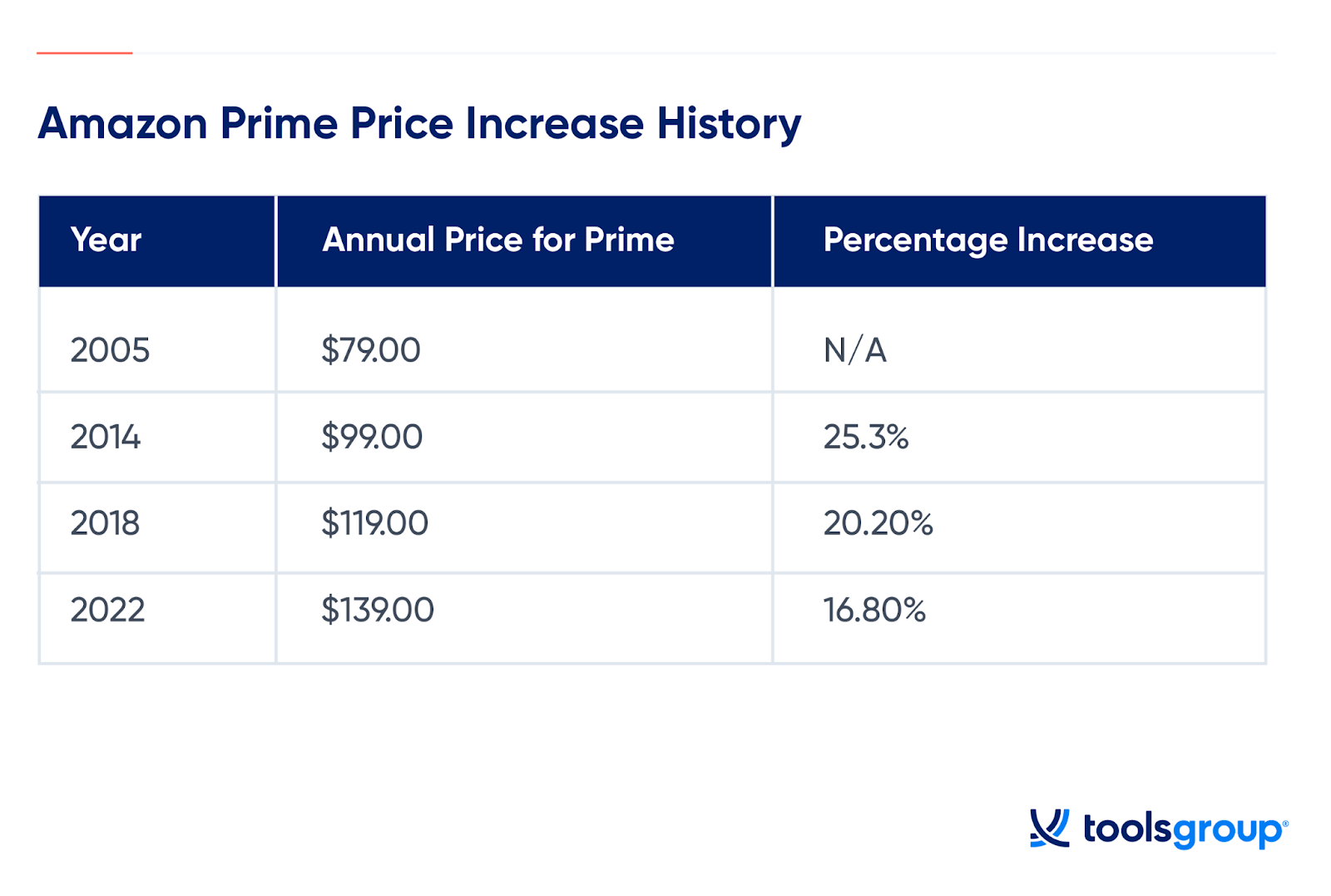
If the Amazon brand has a heartbeat, it is Amazon Prime. Prime is more than a subscription service; it is a masterstroke of brand strategy. By charging an upfront fee for “membership,” Amazon shifts the consumer’s mindset from “occasional shopper” to “stakeholder.”
The brand value of Prime is calculated not just in subscription revenue, but in the lifestyle integration it facilitates. When a brand becomes a verb (“I’ll Prime it”), it has achieved the highest form of brand equity. Prime integrates video streaming, music, reading, and logistics into a single identity, making it nearly impossible for competitors to decouple the consumer from the Amazon ecosystem. The “cost” of an Amazon is, therefore, the cost of the entire digital and physical lifestyle it supports.
Strategic Valuation: Quantifying Global Influence
To quantify “how much” an Amazon is worth, we must look at how brand consultancies and the market at large view its corporate identity. Unlike traditional retailers, Amazon is valued as a technology company, a logistics provider, and a media house simultaneously.
The Interbrand Perspective: Where Amazon Sits in the Global Hierarchy
Every year, organizations like Interbrand release the “Best Global Brands” report. Amazon consistently ranks in the top three, alongside giants like Apple and Microsoft. These rankings look at three key components: the financial performance of the branded products or services, the role the brand plays in purchase decisions, and the brand’s competitive strength.
Amazon’s valuation in these reports often exceeds $200 billion for the brand name alone. This means that if you stripped away the warehouses, the servers, and the delivery vans, the “Amazon” name and its associated goodwill would still be worth more than the total market cap of most Fortune 500 companies. This is the power of a “Brand-First” strategy.
Brand Loyalty as a Defensive Moat
In corporate strategy, a “moat” is a competitive advantage that protects a company from rivals. Amazon’s moat is its brand loyalty. In a world of infinite choices, the brand acts as a filter. For many consumers, the search for a product begins on Amazon, not on Google. This shift in search behavior is a tectonic move in the digital economy. By becoming the primary search engine for commerce, Amazon has secured a brand position that is incredibly difficult to disrupt. The value of this position is effectively the value of the modern retail market itself.
Managing Reputation in a High-Stakes Corporate Landscape
With great scale comes great scrutiny. Part of the “cost” of the Amazon brand is the constant need to manage its reputation against accusations of monopolistic behavior, labor issues, and environmental impact. A brand’s value is only as strong as its social license to operate.
The Ethical Brand Balance
Amazon has had to pivot its brand strategy to include sustainability and social responsibility. The “Climate Pledge” is a prime example of brand signaling designed to align corporate identity with the values of a younger, more environmentally conscious demographic. By branding itself as a leader in green logistics, Amazon is attempting to future-proof its valuation. The “price” of the brand in the future will depend heavily on its ability to transition from a “consumerist machine” to a “responsible global citizen.”
Scaling Culture: The “Day One” Philosophy as Brand DNA
Internal branding is just as vital as external marketing. Jeff Bezos’s famous “Day One” philosophy—the idea that the company must always act with the urgency and innovation of a startup—is the foundation of the Amazon corporate identity. This culture of “purposeful Darwinism” ensures that the brand does not become stagnant.
From a brand strategy perspective, “Day One” is a promise to shareholders and customers alike that the brand will never stop evolving. This internal alignment ensures that every employee, from the warehouse to the boardroom, is a guardian of the brand’s promise of speed and efficiency.
The Future Cost of an Amazon: Sustaining Value in a Post-Digital World
As we look toward the next decade, the question of “how much is an Amazon” will be answered by its ability to integrate into the next frontiers of technology: artificial intelligence, autonomous logistics, and healthcare.
The Amazon brand is currently undergoing its most significant transformation yet. By moving into the “physical” world—through the acquisition of Whole Foods and the development of Amazon Go stores—the brand is testing whether its digital reputation can translate into a brick-and-mortar reality. Furthermore, with AWS powering a significant portion of the internet, the brand has become the “silent partner” to the global economy.
In conclusion, “an Amazon” is not just a company or a stock ticker; it is a comprehensive brand ecosystem that has redefined the relationship between consumer and corporation. Its value is found in the seconds saved during a “Buy Now” transaction, the reliability of a server during a peak traffic window, and the smile on a cardboard box at a doorstep. To measure its worth is to measure the pulse of modern commerce itself. The brand’s true cost is its indispensability—a strategic position that few brands in history have ever achieved, and even fewer have maintained.
aViewFromTheCave is a participant in the Amazon Services LLC Associates Program, an affiliate advertising program designed to provide a means for sites to earn advertising fees by advertising and linking to Amazon.com. Amazon, the Amazon logo, AmazonSupply, and the AmazonSupply logo are trademarks of Amazon.com, Inc. or its affiliates. As an Amazon Associate we earn affiliate commissions from qualifying purchases.