
In the evolving landscape of travel and accommodation, Airbnb has emerged as a formidable alternative to traditional hotels, offering unique stays, local experiences, and often, more space for your money. However, the seemingly straightforward question, “How much is an Airbnb?” hides a complex tapestry of factors that influence the final price tag. Unlike the relatively predictable pricing of hotel rooms, Airbnb costs are highly dynamic, subject to a multitude of variables that can swing a stay from budget-friendly to luxury expenditure. Understanding these financial levers is crucial for any traveler looking to budget effectively and secure the best value for their money.
This comprehensive guide delves into the intricate economics behind Airbnb pricing, dissecting the primary factors that contribute to the nightly rate, unraveling the mystery of additional fees, and providing strategic insights for travelers seeking to optimize their spending. From pinpointing the impact of location and seasonality to mastering the art of filtering for deals, we aim to equip you with the knowledge to navigate the Airbnb marketplace with financial confidence, ensuring your next trip is as economical as it is enjoyable.
The Multifaceted Factors Influencing Airbnb Pricing
The perceived cost of an Airbnb stay is rarely just the nightly rate displayed in search results. A complex algorithm, combined with host discretion and market dynamics, determines the final price. Understanding these core influencing factors is the first step toward deciphering the true cost.
Location, Location, Location: Urban Hubs vs. Rural Retreats
Perhaps the most significant determinant of an Airbnb’s price is its geographical location. Properties situated in prime tourist destinations, bustling city centers, or sought-after neighborhoods will inherently command higher prices. A charming studio in the heart of Paris will undoubtedly cost more than a spacious villa in a less-trafficked rural French village. Proximity to major attractions, public transport hubs, and popular dining/entertainment districts all contribute to a premium. Conversely, venturing slightly outside the immediate city center or exploring lesser-known regions can lead to substantial savings without necessarily compromising on the quality of your experience. The financial trade-off between convenience and cost is a perpetual balancing act for travelers.
Property Type and Size: From Cozy Rooms to Grand Estates
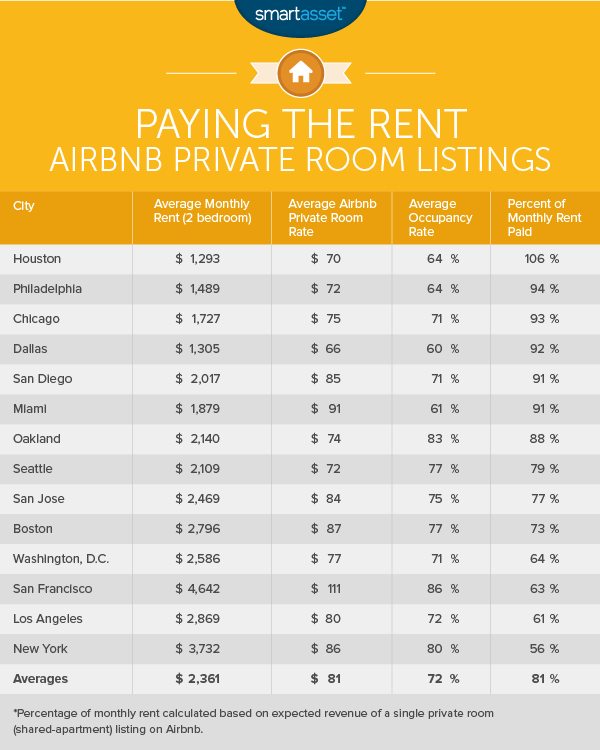
The nature of the accommodation itself plays a pivotal role in pricing. Airbnb offers a diverse range of property types, each with a different price point. A private room within a host’s home is almost always the most economical option, as it involves sharing common spaces. Entire apartments or houses, offering complete privacy and amenities, naturally come at a higher cost. Within these categories, the size of the property – the number of bedrooms, bathrooms, and overall living space – directly correlates with its price. A studio apartment designed for a solo traveler or a couple will be significantly cheaper than a multi-bedroom house accommodating a large family or group. The number of guests the property can comfortably host also factors into the equation, with hosts often charging extra per person beyond a certain occupancy threshold.
Amenities and Luxuries: Enhancing the Value Proposition
The array of amenities offered by an Airbnb can significantly influence its price. Properties boasting high-demand features such as a swimming pool, hot tub, private garden, breathtaking views, a fully equipped gourmet kitchen, or smart home technology often justify a higher nightly rate. Luxuries like daily cleaning services, concierge assistance, or unique architectural designs can further inflate the cost. Conversely, basic accommodations with essential amenities like Wi-Fi, air conditioning, and a functional kitchen but without superfluous extras will typically be more budget-friendly. Travelers must weigh the financial benefit of these added comforts against their actual necessity for their trip. Is a private pool essential, or will a nearby public beach suffice? This decision directly impacts your financial outlay.
Seasonality and Demand: Peak Travel Times and Events
Just like hotels, Airbnb pricing is heavily influenced by the principles of supply and demand. Peak travel seasons, such as summer holidays, major public holidays (Christmas, New Year’s), school breaks, and significant local events (festivals, conferences, sporting events), invariably lead to surging prices. During these times, demand for accommodation far outstrips supply, allowing hosts to charge premium rates. Conversely, traveling during the off-peak or shoulder seasons (just before or after peak season) can yield considerable savings. Flexibility with travel dates can be a powerful financial tool, allowing travelers to capitalize on periods of lower demand when hosts might offer more competitive pricing to attract bookings. Booking well in advance for peak periods can sometimes lock in better rates, though last-minute deals can also emerge if hosts are struggling to fill vacancies.
Duration of Stay and Discounts: Long-Term Value
Many Airbnb hosts offer discounts for longer stays, typically weekly or monthly bookings. This is a strategic move for hosts to ensure consistent occupancy and reduce the turnover effort, and it presents a significant financial opportunity for guests. A weekly discount might range from 10-20%, while monthly discounts can be even more substantial, often exceeding 30-50% off the nightly rate. For digital nomads, remote workers, or anyone planning an extended trip, leveraging these long-term discounts can lead to substantial savings compared to booking multiple short stays or paying the standard nightly rate. Always check for these options, even if your stay is only slightly longer than a few days, as the aggregated savings can be compelling.
Beyond the Nightly Rate: Understanding Additional Fees and Charges
The nightly rate is just one component of the total cost of an Airbnb stay. What often surprises first-time users, and even seasoned travelers, are the additional fees that accumulate, sometimes adding a significant percentage to the final bill. Comprehending these charges is paramount for accurate financial planning.
The Ubiquitous Cleaning Fee: How It’s Calculated and Why It Varies
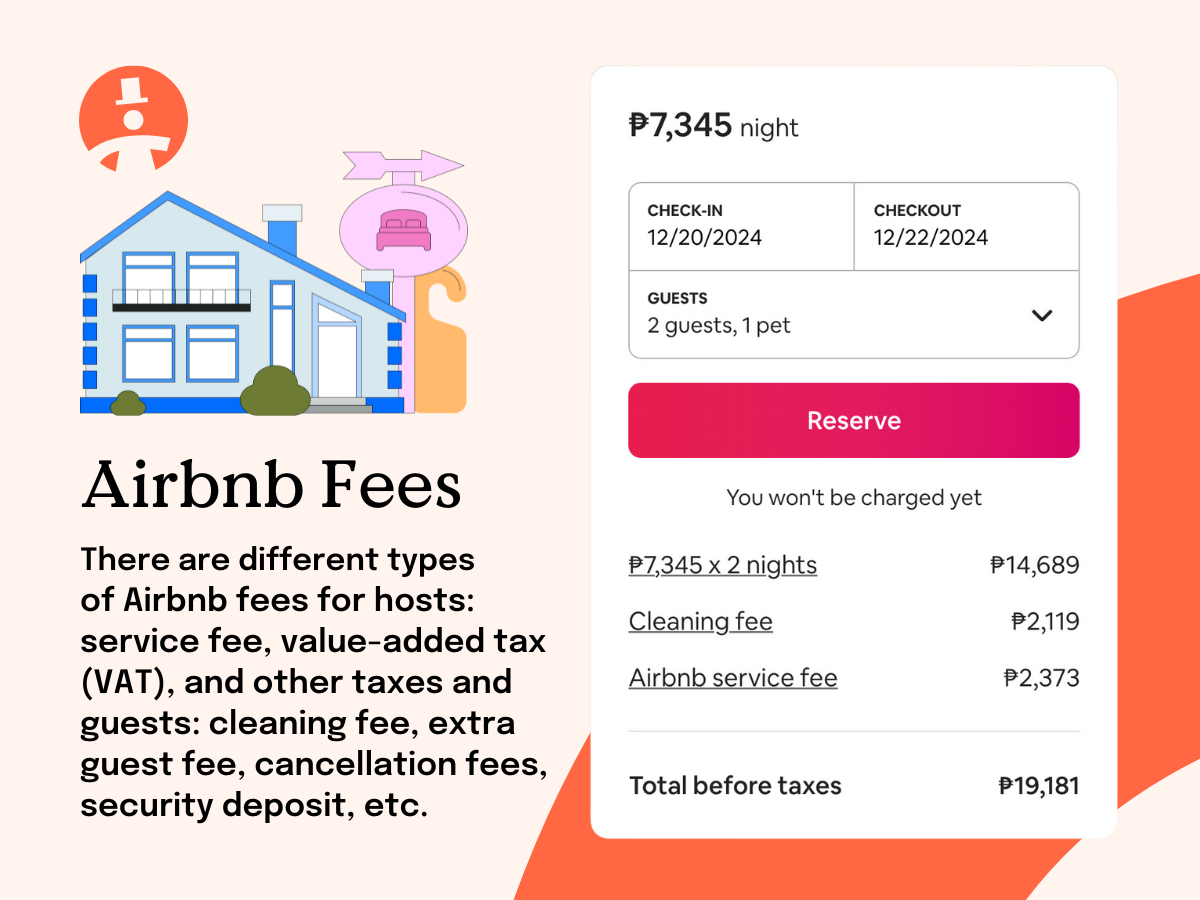
Almost every Airbnb listing includes a one-time cleaning fee, charged per reservation. This fee is intended to cover the cost of cleaning the property after your departure and can vary dramatically. Factors influencing its size include the property’s square footage, the number of bedrooms and bathrooms, the host’s expectation of cleanliness (e.g., professional cleaning services vs. self-cleaning), and the local cost of labor. For short stays, particularly a single night, the cleaning fee can disproportionately inflate the total cost, making it less economical than longer stays where the fee is spread over more nights. Always factor this into your financial calculations, especially when comparing short-term options.
Airbnb Service Fees: Guest Fees, Payment Processing
Airbnb itself charges a service fee to guests, typically ranging from 0% to 14.2% of the booking subtotal (which includes the nightly rate and cleaning fee). This fee helps Airbnb cover the costs of running its platform, including customer support, payment processing, and site maintenance. The exact percentage can fluctuate based on the total booking amount and other factors. It’s automatically added to your total at checkout, so you’ll always see the final price before confirming your reservation. Understanding that a portion of your payment goes directly to the platform, not the host, is key to dissecting the overall financial structure.
Local Taxes and Regulations: Tourism Taxes, VAT, City-Specific Levies
Travelers are often subject to various local taxes, which can include occupancy taxes, tourism taxes, value-added tax (VAT), or city-specific levies. These taxes are mandated by local governments and are passed on to the guest. The percentage and type of tax vary significantly by location. For example, some cities have a fixed per-night tourism tax, while others charge a percentage of the total booking cost. Airbnb typically collects these taxes on behalf of the host and remits them to the relevant authorities. While often a small percentage, these taxes add up, particularly for longer or more expensive stays, and are an unavoidable part of the financial commitment.
Security Deposits and Optional Add-ons: Protecting Investments
Some hosts require a refundable security deposit, intended to cover any potential damages incurred during your stay. While not an upfront payment that contributes to the total cost of your stay, it represents a temporary hold on your funds that can impact your available budget until it’s released. Airbnb facilitates the handling of these deposits, but it’s crucial to understand the terms. Additionally, hosts may offer optional add-ons for an extra fee, such as pet fees, charges for additional guests beyond a certain number, or fees for early check-in or late check-out. These are elective but can incrementally increase your total expenditure if you choose to utilize them.
Strategic Budgeting: Tips for Finding Affordable Airbnb Stays
Navigating the financial intricacies of Airbnb can be daunting, but with a strategic approach, travelers can significantly reduce costs without compromising on experience. Smart budgeting techniques and leveraging platform features are key.
Flexibility is Your Friend: Adjusting Dates and Locations
The single most impactful strategy for saving money on Airbnb is flexibility. As discussed, prices fluctuate dramatically based on seasonality and demand. If your travel dates are malleable, consider booking during the off-peak or shoulder seasons. Mid-week stays are almost always cheaper than weekend rates. Similarly, being open to slightly different locations – perhaps a neighboring town or a less touristy district within a city – can unlock significantly more affordable options. Using Airbnb’s “flexible dates” search feature (if available) or simply browsing prices across a calendar can reveal cheaper periods.

Leverage Filters and Maps: Setting Price Ranges and Exploring Neighborhoods
Airbnb’s search filters are powerful financial tools. Always utilize the price range filter to narrow down listings that fit your budget from the outset. Don’t be afraid to experiment with slightly lower maximums than your initial thought; you might be surprised by what’s available. The map view is also invaluable. After setting your filters, zoom out and explore adjacent neighborhoods or areas slightly further from the main attractions. Often, a short walk or public transport ride can lead to a dramatically cheaper stay in an equally pleasant area. Look for public transport links on the map to assess convenience.
Group Travel Economics: Splitting Costs with Companions
For groups or families, Airbnb often presents a more economical choice than booking multiple hotel rooms. The total cost of an entire Airbnb property, even a larger one, when divided among several guests, can be significantly lower per person than individual hotel room rates. Furthermore, the ability to cook meals in a full kitchen (often available in Airbnbs) can lead to substantial savings on dining out, further enhancing the financial benefit of group travel via Airbnb. When traveling with others, always calculate the per-person cost, including all fees, to determine the best value.
Look for Weekly or Monthly Discounts: Long-Term Stay Savings
As mentioned earlier, many hosts offer reduced rates for longer bookings. If your trip extends beyond a few days, always check if there’s a weekly or monthly discount applied. Even if your stay is just five or six nights, comparing it to a full week’s discounted rate might reveal that an extra night or two could effectively be “free” or very low cost due to the discount kicking in. This strategy is particularly effective for those with flexible itineraries or remote workers planning an extended stay in a single location.
Read Reviews for Value Assessment: Ensuring Quality Matches Price
While not directly a budgeting tip, reading reviews is crucial for ensuring you’re getting good value for your money. A seemingly cheap Airbnb might come with hidden costs in terms of discomfort, cleanliness issues, or poor amenities, making it a bad financial decision in the long run. Conversely, a slightly more expensive option with glowing reviews about cleanliness, accurate descriptions, and excellent host communication might provide far superior value. Pay attention to comments about the accuracy of the listing, the condition of the property, and any unexpected charges or issues. Your financial investment should align with a positive experience.
Airbnb vs. Traditional Accommodations: A Financial Comparison
When budgeting for travel, travelers often weigh the financial pros and cons of Airbnb against traditional lodging options. Each has distinct financial implications and offers different value propositions.
Hotels: Predictability and Services
Hotels typically offer a predictable pricing structure, where the nightly rate often includes amenities like daily cleaning, fresh towels, a front desk for assistance, and sometimes breakfast. The total cost is usually more transparent upfront, with fewer variable fees. However, hotels often charge extra for Wi-Fi, parking, and resort fees, which can accumulate. For solo travelers or short business trips, a hotel can sometimes be more cost-effective due to the absence of a large cleaning fee. The primary financial advantage of hotels lies in their standardized services and clear total costs, making budgeting simpler, though often at the expense of space and privacy.
Vacation Rentals (VRBO, Booking.com): Similarities and Differences
Other vacation rental platforms like VRBO or Booking.com’s vacation rental section share many financial characteristics with Airbnb. They also typically charge nightly rates, cleaning fees, service fees, and local taxes. The financial comparison between these platforms often comes down to specific properties, host pricing strategies, and platform-specific service fee structures. It’s always wise to cross-reference prices for similar properties across different platforms to ensure you’re getting the best deal. Sometimes a property listed on multiple sites might have slight price discrepancies due to varying commission structures or host preferences.
Hostels: The Budget-Friendly Alternative
For the ultra-budget-conscious traveler, hostels remain the undisputed champion of affordability. Offering dormitory-style accommodation, shared facilities, and very low nightly rates, hostels are designed for minimal expenditure. While they lack the privacy and space of an Airbnb, their financial appeal is undeniable, especially for solo backpackers or young travelers. The financial trade-off here is significant: maximum savings for minimum personal space and amenities. However, many modern hostels now offer private rooms which can sometimes be comparable to a very basic private Airbnb room in terms of price, though usually with shared bathrooms.
The Value Proposition of Airbnb: Space, Kitchen, Local Experience
Financially, Airbnb’s key value proposition often lies in the ability to secure more space, a private kitchen, and a more authentic, local experience for a comparable or sometimes lower price than a hotel, especially for longer stays or groups. The kitchen allows for significant savings on food costs, while the extra living space can be a boon for families or those seeking comfort. The “local experience” is an intangible financial benefit, often translating to less money spent on tourist traps and more on authentic, community-driven experiences that might be cheaper and more fulfilling.
Maximizing Your Airbnb Value: Financial Considerations for a Smarter Stay
Beyond finding a good deal, smart financial decisions throughout the booking and staying process can further maximize the value of your Airbnb experience.
Understanding Total Cost Upfront: Using the “Total Price” Feature
Always, always review the “Total Price” before booking. Airbnb, to its credit, prominently displays the full cost, including all fees and taxes, before you finalize a reservation. Do not just look at the nightly rate; click through to see the breakdown and the final sum. This transparent view prevents unwelcome surprises and allows for accurate budget allocation. Compare this total price across different listings and platforms.
The Impact of Exchange Rates for International Travel
When booking an international Airbnb, be acutely aware of exchange rates. While Airbnb often displays prices in your local currency, the conversion rate applied by your bank or credit card can sometimes differ slightly. Consider using a travel credit card with no foreign transaction fees to avoid extra charges (typically 1-3% of the transaction value) that can chip away at your savings. Monitor exchange rate fluctuations, as even small changes can impact the final cost of a multi-thousand-dollar booking.
Cancellation Policies and Travel Insurance: Protecting Your Investment
Airbnb offers various cancellation policies, from flexible (full refund up to 24 hours before check-in) to strict (no refund or partial refund only for cancellations far in advance). Understanding the policy of your chosen listing is crucial for protecting your financial investment. If you anticipate any uncertainty in your travel plans, opting for a more flexible policy, even if slightly more expensive, can save you significant money should you need to cancel. For large bookings or international travel, purchasing comprehensive travel insurance that covers trip cancellations, interruptions, and medical emergencies is a wise financial decision, offering a safety net against unforeseen circumstances that could otherwise lead to substantial financial loss.
Negotiation (When Possible): For Longer Stays or Off-Peak Times
While not always an option, some hosts might be open to negotiation, particularly for extended stays during off-peak seasons or if you’re booking very last minute when they have an unbooked calendar. This is more common with individual hosts rather than professional property managers. A polite, reasonable inquiry about a potential discount for a specific scenario (e.g., “Would you consider a slight reduction for a 10-day booking next month, as it falls during a quieter period?”) can sometimes yield results. However, be respectful if the host declines, and never expect it as a guarantee.
In conclusion, the question “how much is an Airbnb?” is an invitation to explore a dynamic pricing model influenced by location, property features, timing, and various additional fees. By understanding these financial components and employing strategic budgeting tips, travelers can navigate the Airbnb marketplace effectively, securing comfortable and memorable stays that align perfectly with their financial goals. It’s about being informed, flexible, and discerning to unlock the best value for your travel budget.
aViewFromTheCave is a participant in the Amazon Services LLC Associates Program, an affiliate advertising program designed to provide a means for sites to earn advertising fees by advertising and linking to Amazon.com. Amazon, the Amazon logo, AmazonSupply, and the AmazonSupply logo are trademarks of Amazon.com, Inc. or its affiliates. As an Amazon Associate we earn affiliate commissions from qualifying purchases.