
In the rapidly evolving landscape of Over-The-Top (OTT) media services, AMC+ has emerged as a premium software solution for cord-cutters seeking a curated cinematic experience. As the streaming wars intensify, understanding the technical specifications, pricing structures, and platform integrations of AMC+ is essential for any digital consumer. Unlike broader platforms that prioritize volume, AMC+ operates as a high-quality niche aggregator, combining the libraries of several distinct brands into a single, streamlined application.
Navigating the cost of AMC+ requires more than just looking at a monthly fee; it involves understanding the various entry points across the digital ecosystem, from standalone apps to third-party channel integrations. This guide provides a deep dive into the software tiers, device compatibility, and the technological value proposition of AMC+.

Understanding the AMC Plus Ecosystem and Subscription Tiers
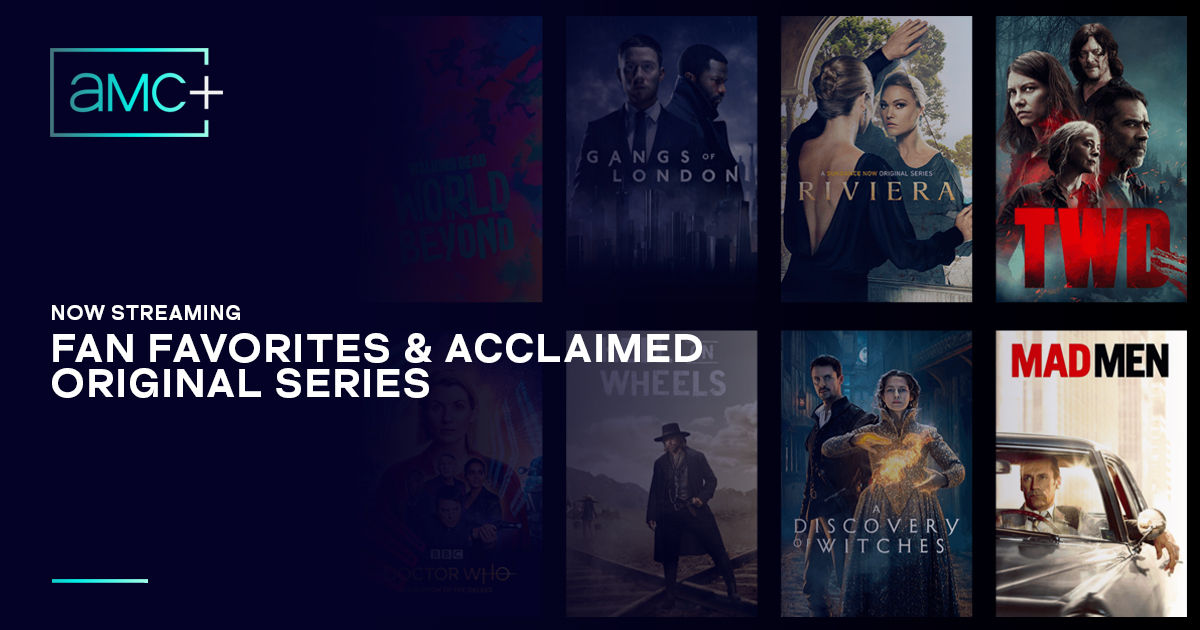
AMC+ is architected as a “super-app” for the AMC Networks portfolio. From a technical perspective, it functions as a centralized hub that hosts content from AMC, BBC America, IFC, and SundanceTV, alongside full access to the standalone streaming services Shudder, Sundance Now, and IFC Films Unlimited. When evaluating how much the service costs, users must choose between different subscription models tailored to their viewing habits and technical preferences.
The Ad-Supported Tier: Entry-Level Accessibility
In late 2023, AMC+ introduced an ad-supported version of its software to compete with the tiered structures of Netflix and Disney+. Priced at approximately $4.99 per month, this tier utilizes a sophisticated ad-insertion algorithm designed to minimize disruption while maintaining a lower price point. For users who prioritize cost over an uninterrupted stream, this software version provides the same high-definition (HD) library as the premium version.
The technical trade-off involves approximately five minutes of advertisements per hour of content. From a backend perspective, these ads are dynamically served based on user metadata, ensuring a personalized advertising experience that mirrors the digital marketing standards of modern web apps.
The Premium Ad-Free Experience
The flagship AMC+ experience is its ad-free tier, which typically costs $8.99 per month. This version of the app removes the ad-insertion triggers from the video player, allowing for a seamless playback experience. This is particularly important for the high-bitrate content found in the Shudder and IFC Films Unlimited libraries, where atmospheric immersion is a key component of the software’s value.
For power users, the ad-free tier often includes additional technical perks, such as early access to specific series premieres and the ability to stream on multiple concurrent devices without the latency issues sometimes associated with ad-server requests.
Annual vs. Monthly Billing Cycles
For consumers looking to optimize their digital spend, AMC+ offers an annual subscription model. Historically priced at around $83.88 per year (which breaks down to roughly $6.99 per month), the annual plan represents a significant discount over the month-to-month premium subscription. From a digital management standpoint, the annual plan reduces “subscription fatigue” by consolidating payments into a single yearly transaction, a common strategy in the Software as a Service (SaaS) industry to improve user retention.
Technical Specifications and Platform Compatibility
The value of a streaming service is often dictated by the robustness of its software architecture and its availability across hardware. AMC+ has invested heavily in ensuring its API (Application Programming Interface) integrates smoothly with a wide variety of Operating Systems (OS).
Supported Devices and App Performance
AMC+ is available as a standalone application on virtually every major tech platform. This includes:
- Mobile OS: Optimized builds for iOS and Android, supporting features like Picture-in-Picture (PiP) and background data management.
- Smart TV Ecosystems: Dedicated apps for Roku OS, Amazon Fire OS, Samsung Tizen, and LG WebOS.
- Gaming Consoles: Integration with PlayStation and Xbox storefronts, leveraging the hardware’s GPU for smooth UI transitions.
The app’s performance is characterized by a “content-first” UI design. The software utilizes a lean codebase to ensure that even on lower-end streaming sticks, the navigation remains responsive. The search functionality employs a robust indexing system that allows users to filter content by brand (e.g., searching specifically within the Shudder sub-library).
Streaming Quality: Resolution and Audio Tech
Technically, AMC+ streams primarily in 1080p Full HD. While the industry is moving toward 4K UHD as a standard, AMC+ prioritizes bit-depth and color accuracy to maintain the cinematic quality of its prestige dramas. The streaming engine utilizes adaptive bitrate switching, which monitors the user’s bandwidth in real-time and adjusts the stream quality to prevent buffering—a critical feature for mobile users on 4G/5G networks.
On the audio front, the service supports Dolby Digital 5.1 surround sound for most of its flagship titles. This ensures that users with high-end home theater setups can leverage their hardware’s capabilities, providing a technical experience that justifies the premium monthly cost.
User Interface and Navigation
The AMC+ UI is designed around the concept of “Channels.” Rather than a disorganized pile of thumbnails, the software categorizes content by its original network. This technical categorization helps users navigate the vast library of thousands of hours of content. The “Continue Watching” synchronization is handled via cloud-based user profiles, allowing for a seamless transition when a user switches from a mobile device to a smart TV.
Content Integration and Bundle Options
One of the most complex aspects of the “how much is AMC+” question is the variety of ways the service can be purchased through third-party tech platforms. AMC+ has adopted an aggressive “Channel” strategy, allowing users to subscribe through existing digital storefronts rather than using a standalone app.
AMC+ Through Third-Party Channels
Users of Amazon Prime Video, Apple TV, and Roku can add AMC+ as a “Channel” within those respective interfaces. The pricing usually mirrors the standalone app ($8.99/month), but the technical benefits are distinct:
- Unified Billing: The subscription is managed through the user’s Amazon or Apple ID, simplifying financial management.
- Integrated Player: Users don’t need to download a separate AMC+ app; the content plays directly within the Prime Video or Apple TV player, utilizing those platforms’ proprietary streaming tech and CDNs (Content Delivery Networks).
- Unified Search: AMC+ content appears in the global search results of the host OS, making it easier to discover.
The Aggregator Value: Shudder, Sundance Now, and IFC
The primary technical advantage of AMC+ is its role as an aggregator. If a user were to subscribe to Shudder ($6.99), Sundance Now ($6.99), and IFC Films Unlimited ($5.99) individually, the total cost would exceed $19 per month. By consolidating these three distinct software services into the AMC+ stack for $8.99, the service provides a high “tech-to-dollar” ratio.
From a software engineering perspective, this requires a complex backend that can pull metadata and video assets from different silos and present them in a unified front-end. For the user, it means one password, one interface, and one bill for four distinct content libraries.
Optimizing Your Streaming Setup for AMC Plus
To get the most out of an AMC+ subscription, users should consider the technical environment in which they are streaming. Like any high-bandwidth application, performance is dependent on both the local hardware and network configuration.
Troubleshooting Common App Issues
Digital streaming is prone to technical hiccups such as “handshake” errors between the app and a TV’s HDMI port (HDCP issues) or cache bloat. Users experiencing lag in the AMC+ app are often advised to perform a cache clear—a standard procedure in Android-based systems like Fire TV. Furthermore, ensuring that the device’s firmware is up to date is crucial, as AMC+ frequently updates its app to patch security vulnerabilities and improve playback stability.
Managing Data Usage and Offline Downloads
For mobile users, AMC+ offers a “Download to Go” feature on its ad-free tier. This technical feature allows users to store encrypted video files on their device’s local storage. This is an essential tool for users with limited data plans or those traveling in areas with poor connectivity. The software allows users to select the download quality (Standard vs. High), giving them control over how much storage space the files occupy on their smartphone or tablet.
Future-Proofing the Subscription
As AMC Networks continues to invest in its tech stack, we can expect further integrations. There is ongoing speculation regarding the implementation of 4K streams for flagship series and potential AR/VR integrations for horror-themed content within the Shudder sub-library. Staying informed about these software updates is key for subscribers who want to ensure they are getting the best possible ROI (Return on Investment) for their monthly fee.
In conclusion, AMC+ is more than just a price tag; it is a sophisticated digital platform designed for a specific niche of the streaming market. Whether you opt for the budget-friendly ad-supported tier or the full-featured annual premium plan, the service offers a robust technological framework that justifies its place in a modern digital media diet. By understanding the interplay between its pricing, its software features, and its platform integrations, consumers can make an informed decision on how to best incorporate AMC+ into their technological ecosystem.
aViewFromTheCave is a participant in the Amazon Services LLC Associates Program, an affiliate advertising program designed to provide a means for sites to earn advertising fees by advertising and linking to Amazon.com. Amazon, the Amazon logo, AmazonSupply, and the AmazonSupply logo are trademarks of Amazon.com, Inc. or its affiliates. As an Amazon Associate we earn affiliate commissions from qualifying purchases.