
For many, the mention of AMC Theatres conjures images of plush seating, giant screens, and the irresistible aroma of popcorn. As one of the largest and most recognizable movie exhibition chains globally, AMC plays a significant role in how millions experience cinema. However, beyond the magic of the silver screen, there’s a practical question that often surfaces in the minds of prospective moviegoers: “How much is AMC movies?”
This seemingly simple query unravels into a complex web of pricing strategies, consumer choices, and financial considerations. It’s not merely about the ticket price, but an entire financial ecosystem encompassing premium formats, concession stands, loyalty programs, and even the broader economic landscape. For the discerning consumer, understanding these facets is crucial for budgeting entertainment and maximizing value. This article will meticulously break down the financial components of an AMC movie experience, offering insights into how much you can expect to spend and how to navigate these costs effectively within a personal finance framework.
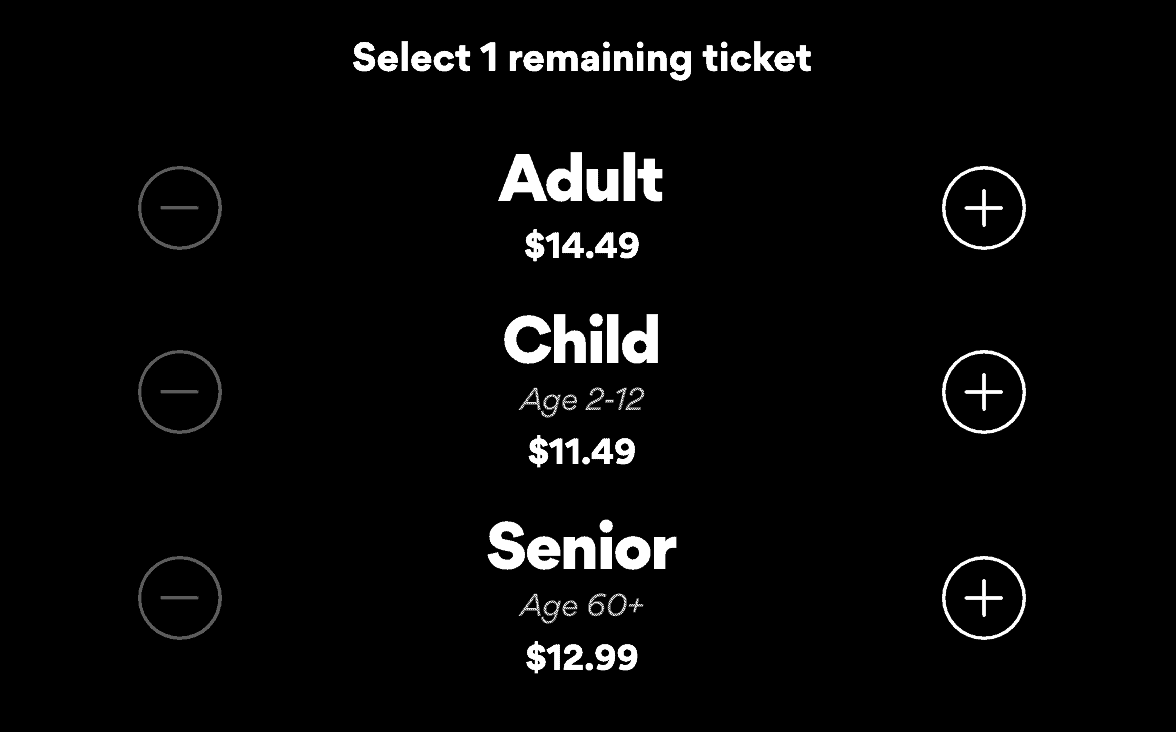
Deconstructing the Base Ticket Price: What Influences Your Entry Fee?
The most fundamental cost associated with an AMC movie is the ticket itself. Yet, this “base price” is far from static. It’s a dynamic figure influenced by a multitude of factors, making each movie outing a potentially different financial proposition.
Standard vs. Premium Formats: The Tiered Experience
At its core, AMC offers a range of viewing experiences, each carrying a different price tag. A standard 2D movie ticket represents the baseline, offering access to a traditional screen and sound system. However, the cinematic landscape has evolved dramatically, introducing premium formats that promise enhanced immersion – at a premium cost.
- Regular 2D Screenings: These are your most affordable options, providing a classic movie-watching experience. Prices typically range from $10 to $15 for an adult, depending on location and time.
- IMAX: Known for its larger-than-life screens and high-resolution projection, IMAX experiences command a surcharge, often adding $3 to $5 to the standard ticket price. This format is particularly popular for blockbusters designed to maximize visual impact.
- Dolby Cinema: Offering a combination of Dolby Vision (superior HDR picture quality) and Dolby Atmos (immersive sound), Dolby Cinema provides a truly high-end experience. Tickets for these showings are typically priced similarly to or slightly higher than IMAX, reflecting the advanced technology involved.
- 3D Screenings: While less prevalent than in its boom years, 3D movies still appear for select titles. The added dimension comes with an extra cost, usually a $2 to $4 surcharge, plus the potential cost of reusable 3D glasses if you don’t own them.
- Prime at AMC: This proprietary format from AMC features luxury recliners, enhanced sound, and a larger screen, aiming for a more comfortable and slightly elevated experience, often priced comparably to IMAX or Dolby Cinema.
The choice of format directly correlates with the financial outlay. Deciding whether the enhanced visuals and audio are worth the extra investment is a key personal finance decision for every moviegoer.
Geographic and Time-Based Variability: Location and Timing are Key
AMC’s pricing strategy is highly localized and time-sensitive, reflecting regional economic conditions, operating costs, and consumer demand.
- Location, Location, Location: A ticket in a high-cost-of-living urban center (e.g., New York City, Los Angeles) will almost invariably be more expensive than one in a suburban or rural area. This reflects differing rent costs, labor wages, and local market competition. Prices can vary by several dollars for the exact same film and format across different cities or even within different neighborhoods of the same city.
- Matinee vs. Evening Shows: A longstanding tradition, matinee showings (typically before 5 PM) offer significantly discounted tickets. This strategy aims to fill seats during off-peak hours. Conversely, evening and prime-time weekend shows carry the highest prices due to peak demand.
- Weekend and Holiday Surcharges: Expect to pay a premium for moviegoing on Friday and Saturday evenings, as well as on major holidays. These are periods of highest patronage, allowing theaters to optimize revenue.
- Special Discounts: AMC often provides discounts for specific demographics. Seniors, students (with valid ID), and military personnel can frequently access reduced-price tickets, making moviegoing more accessible for these groups. Always inquire about available discounts when purchasing tickets.
The Role of Dynamic Pricing and Special Events
In an increasingly data-driven world, dynamic pricing strategies are becoming more common. While not as overt as airline or hotel pricing, movie theaters may adjust prices based on demand for specific films. Highly anticipated blockbusters on opening weekend might see slightly higher pricing, or fewer discounts applied.
Furthermore, AMC hosts various special events, such as Fathom Events, classic film screenings, or live performance broadcasts. These often have unique, flat pricing structures that can differ significantly from standard movie tickets, sometimes being higher due to the exclusive nature of the content.
Beyond the Ticket: The Full Cinematic Cost Experience
While the ticket price gets you through the door, it rarely represents the total cost of an AMC movie outing. For most patrons, the financial journey extends to the alluring, yet often expensive, world of concessions and the strategic realm of loyalty and subscription programs.
The Allure and Expense of Concessions
No movie experience feels complete to many without a bucket of popcorn, a large soda, and perhaps some candy. However, the convenience and tradition of these treats come at a substantial financial premium, representing a critical revenue stream for movie theaters.
- Typical Concession Costs: A large popcorn can easily range from $8 to $10, and a large soda from $6 to $8. Candies and hot food items like hot dogs, pretzels, or nachos can add another $5 to $10 per item. For a family or even a couple, a modest concession order can quickly rival, or even exceed, the cost of the tickets themselves.
- Profit Margins: It’s an open secret in the industry that concessions carry extremely high-profit margins, often upwards of 80-90%. Unlike ticket sales, which are shared significantly with film distributors, concession revenue largely stays with the exhibitor. This high profitability is precisely why theaters rely so heavily on concession sales to maintain operational viability.
- Strategies for Saving: For budget-conscious moviegoers, managing concession costs is paramount. Consider bringing your own water bottle (as long as it’s not a prohibited outside food item). Sharing larger-sized popcorns and drinks can also cut down individual costs. Loyalty programs often offer discounts or free upgrades on concessions, which can add up over time.
Subscription Services and Loyalty Programs: Saving or Spending More?
AMC has strategically developed loyalty and subscription programs designed to incentivize repeat visits and offer perceived value. Understanding these programs is vital for optimizing your movie budget.
- AMC Stubs A-List: This is AMC’s flagship subscription service, offering members the ability to see up to three movies per week (including premium formats like IMAX and Dolby Cinema) for a flat monthly fee. The monthly cost typically ranges from $19.95 to $23.95, depending on the state.
- Break-Even Analysis: For an individual who sees just two standard movies a month (at $15 each, totaling $30), A-List quickly pays for itself. If you’re a frequent moviegoer, especially one who enjoys premium formats, A-List can represent significant savings.
- Typical User Profiles: A-List is ideal for cinephiles, couples who frequently go to the movies, or anyone who sees more than 1-2 movies per month. It encourages exploration of new films and premium formats without the constant recalculation of individual ticket costs.
- AMC Stubs Premiere: This paid loyalty tier (around $15 annually) offers benefits like faster rewards accrual (20 points per $1 spent vs. 10 for Insider), free size upgrades on popcorn and fountain drinks, and waived online ticketing fees. It’s a good option for moderate moviegoers who want perks but don’t commit to the A-List frequency.
- AMC Stubs Insider: The free tier of the loyalty program, Insider members earn points on purchases that can be redeemed for rewards, receive special offers, and gain access to Discount Tuesdays. This is a no-brainer for anyone who occasionally visits AMC, as it offers incremental savings without any upfront cost.
Careful consideration of your movie-going habits and calculating the break-even point for paid programs like A-List or Premiere is a smart financial move. For some, these programs are excellent value; for others, the free Insider tier or paying per ticket remains more economical.

Budgeting for the Big Screen: Integrating Movies into Your Personal Finance
Understanding the various costs is just the first step; the next is effectively integrating moviegoing into your personal financial planning. This involves calculating your potential expenses and employing smart strategies to enjoy cinema without overspending.
Calculating Your Average Movie Night Expense
To budget effectively, it’s helpful to estimate the all-in cost of a typical movie night. This varies significantly based on individual habits and the number of people involved.
- Solo Moviegoer (Budget-Conscious):
- Discount Tuesday Ticket: $5-$7
- Small Popcorn (Insider discount): $6-$8
- Water (brought from home): $0
- Total: ~$11-$15
- Solo Moviegoer (Standard Evening, Concessions):
- Standard Ticket: $12-$15
- Medium Popcorn & Drink: $14-$18
- Total: ~$26-$33
- Couple (Premium Format, Concessions):
- 2x IMAX Tickets: $30-$40
- Large Popcorn & 2 Large Drinks: $20-$25
- Total: ~$50-$65
- Family of Four (Standard, Some Concessions):
- 4x Standard Tickets: $40-$60
- 2 Large Popcorns, 4 Drinks: $35-$45
- Total: ~$75-$105
These estimates don’t even include potential parking fees or transportation costs, which can add another $5 to $20 depending on your location. Clearly, the movie experience can range from an affordable treat to a significant discretionary expense.
Smart Strategies for Economical Movie-Going
Armed with knowledge of pricing structures, you can employ several strategies to keep your cinematic adventures within budget.
- Leverage Discount Days: AMC Discount Tuesdays offer significantly reduced ticket prices for all movies. This is arguably the best value for casual moviegoers. Combine this with free AMC Stubs Insider membership for added perks.
- Utilize Loyalty Programs Effectively: If you’re an A-List subscriber, maximize your three movies per week. For Premiere members, take advantage of the free size upgrades on concessions. Always ensure your Insider account is linked to earn points.
- Gift Cards and Bulk Purchases: Keep an eye out for gift card promotions, especially around holidays, where you might get bonus credit or a percentage off. Some corporate or membership programs offer discounted AMC gift cards.
- Compare with Other Entertainment: Before heading to the theater, consider if the film is available on a streaming service you already subscribe to, or if waiting a few weeks for digital rental/purchase is a more financially viable option.
- Strategic Snacking: While supporting the theater’s concession stand is important for their business, if budget is a primary concern, consider a light snack beforehand or limit your in-theater purchases to just one item per person.
The Value Proposition: Is the Experience Worth the Investment?
Ultimately, the question of “how much is AMC movies” isn’t just about the monetary cost, but also the perceived value. Is the theatrical experience worth the investment compared to watching a movie at home?
- The Immersive Experience: For many, the large screen, booming sound system, and absence of home distractions (phones, chores, pets) create an unparalleled immersive experience that streaming at home cannot replicate. Premium formats like IMAX and Dolby Cinema enhance this further.
- The Shared Experience: Moviegoing is a communal activity. Sharing laughter, gasps, and emotional moments with an audience adds a layer of enjoyment that solo viewing often lacks.
- The “Event” Factor: For major blockbusters or highly anticipated films, going to the cinema transforms movie-watching into an event, a shared cultural moment that holds significant intangible value.
While the financial cost of a theatrical release is almost always higher than a streaming alternative, the intangible benefits often justify the expense for many. It’s a personal finance decision based on individual priorities and what one values in their entertainment.
The Business of Movie Pricing: A Peek Behind the Curtain (Financial Perspective)
From a consumer standpoint, movie prices might seem arbitrary, but they are meticulously calculated to ensure the operational viability and profitability of the theater chain. Understanding AMC’s financial model offers a deeper insight into why prices are structured the way they are.
Revenue Streams and Operational Costs
AMC, like other movie exhibitors, operates on tight margins, relying on a delicate balance of revenue streams to cover substantial operational costs.
- Ticket Sales (Split with Studios): A significant portion of ticket revenue, often 50-70% for new releases, goes directly to the film studios. This split is highly negotiated and can vary by film, typically favoring the studio more heavily during a film’s opening weeks and shifting more towards the exhibitor later in its run. This means that while ticket sales bring in large sums, the actual profit margin for the theater on tickets is surprisingly slim.
- Concessions (High-Margin Profit): As discussed, concessions are the financial backbone of a movie theater. The high-profit margins on popcorn, soda, and candy are essential for covering overheads and generating profit, effectively subsidizing the lower-margin ticket sales.
- Other Revenue: This includes advertising shown before films, private event rentals, arcade games (if present), and loyalty program fees.
- Operational Costs: Running a movie theater is expensive. These costs include:
- Rent/Mortgage: Prime retail locations come with high real estate costs.
- Labor: Staffing multiple auditoriums, concession stands, and cleaning crews.
- Utilities: Electricity for projectors, lighting, HVAC for large spaces.
- Maintenance & Upgrades: Keeping projectors, sound systems, and seating in top condition.
- Licensing & Royalties: For showing films.
- Marketing: Local advertising and promotions.
This complex financial structure underscores why even small changes in pricing or attendance can have a significant impact on a theater’s bottom line.
The Future of Movie Pricing in a Shifting Landscape
The movie industry is undergoing a transformative period, with direct-to-streaming releases, shortened theatrical windows, and increased competition from home entertainment. These shifts are inevitably influencing how AMC and other chains approach pricing.
- Streaming Services Impact: The proliferation of streaming options offers consumers an alternative to theatrical viewing, putting pressure on theaters to justify their higher price point with a superior experience. This might lead to more dynamic pricing, exclusive content windows, or enhanced in-theater amenities to differentiate.
- Premium Video on Demand (PVOD): The emergence of PVOD, where new films are available for home rental shortly after or even concurrent with their theatrical release, poses a direct threat to ticket sales. The pricing of PVOD (e.g., $19.99 for a 48-hour rental) offers a different value proposition that theaters must contend with.
- Innovation and Enhanced Experiences: To combat these challenges, AMC continues to invest in comfort (recliners, dining options) and technology (Dolby Cinema, IMAX). These investments are designed to enhance the value proposition, thereby justifying premium pricing for a truly elevated experience. The future might see a greater bifurcation of pricing, with very affordable options for standard viewing and significantly higher prices for ultra-premium, experiential screenings.

Conclusion
The question “how much is AMC movies” is a gateway to understanding the multifaceted economics of modern cinema. From the base ticket price influenced by format, location, and time, to the crucial role of concessions and the strategic benefits of loyalty programs like AMC Stubs A-List, the cost of a movie experience is a sum of many parts.
For consumers, navigating these costs effectively requires a degree of financial literacy and mindful budgeting. By understanding the value proposition of premium formats, leveraging discounts, and making informed choices about concessions and subscription services, moviegoers can ensure their entertainment budget aligns with their cinematic desires. From AMC’s perspective, these pricing strategies are a delicate balance, aiming to cover substantial operational costs, share revenue with studios, and still offer an attractive experience in an increasingly competitive entertainment landscape. Ultimately, the cost of an AMC movie is not just a price tag; it’s an investment in an experience, a contribution to a complex industry, and a personal financial decision.
aViewFromTheCave is a participant in the Amazon Services LLC Associates Program, an affiliate advertising program designed to provide a means for sites to earn advertising fees by advertising and linking to Amazon.com. Amazon, the Amazon logo, AmazonSupply, and the AmazonSupply logo are trademarks of Amazon.com, Inc. or its affiliates. As an Amazon Associate we earn affiliate commissions from qualifying purchases.