
The question “how much is AMC a month?” is deceptively simple, yet it opens up a fascinating exploration into two distinct, but equally significant, realms of personal finance: consumer spending and investment strategy. For many, AMC immediately brings to mind AMC Theatres, the world’s largest motion picture exhibitor, implying a recurring cost for entertainment. For others, particularly in recent years, AMC refers to AMC Entertainment Holdings (NYSE: AMC), the publicly traded company, and the question shifts towards the monthly dynamics of an investment. This article will meticulously unpack both interpretations, providing a comprehensive financial perspective on engaging with AMC, whether as a dedicated moviegoer or a savvy investor. We’ll delve into the specific costs, the value proposition, and the broader financial implications, all viewed strictly through the lens of personal finance and investment management.
The Consumer Perspective: Unpacking AMC Stubs A-List
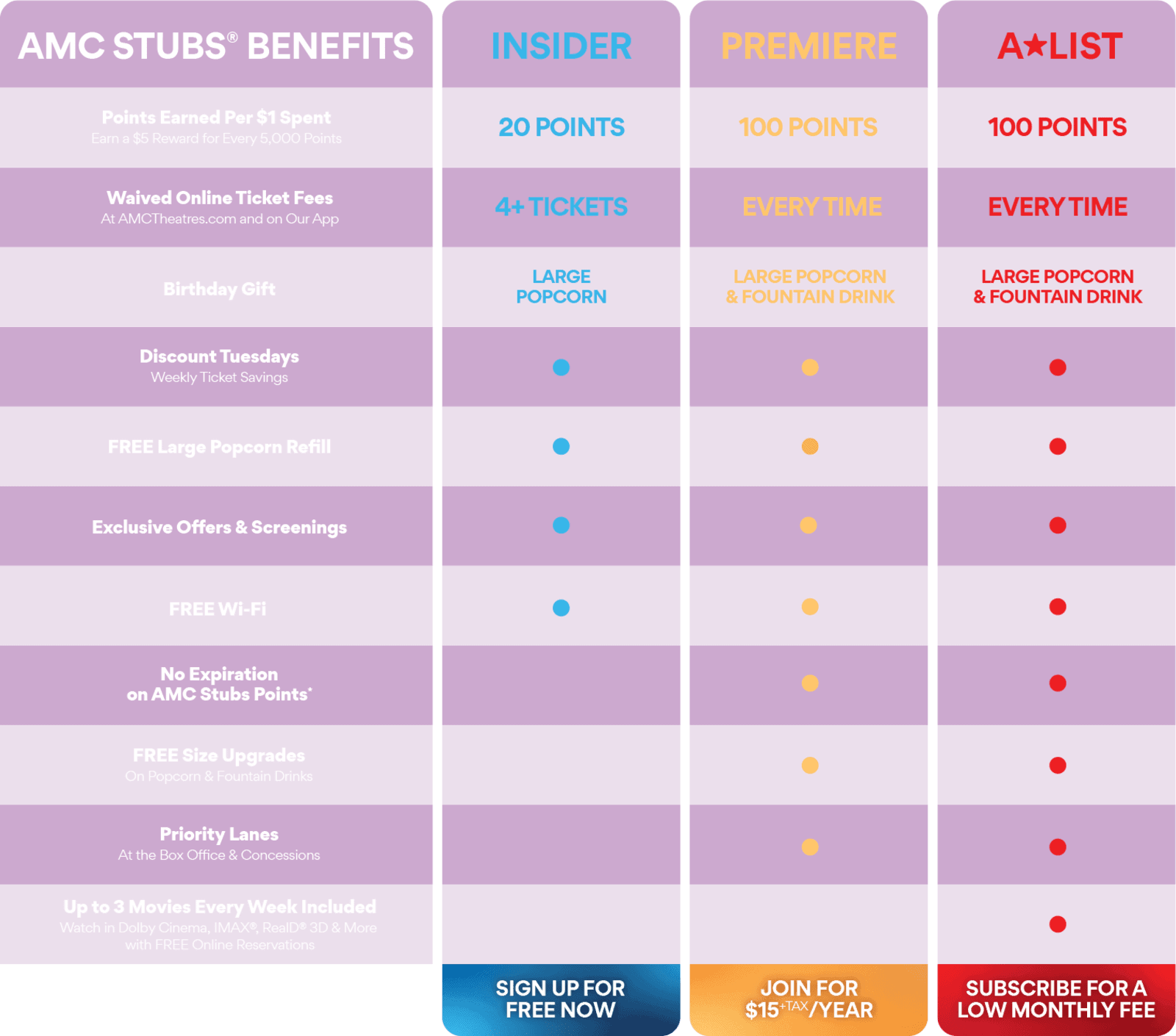
For the ardent movie fan, “how much is AMC a month?” almost certainly refers to the AMC Stubs A-List program. This subscription service has revolutionized the movie-going experience for its members, offering a compelling value proposition for frequent cinema visitors.
What is AMC Stubs A-List?
Launched in 2018, AMC Stubs A-List is a premium subscription service that allows members to watch up to three movies every week, including premium formats like IMAX, Dolby Cinema, and 3D, all for a single monthly fee. It’s an extension of the existing AMC Stubs loyalty program (which includes the free Insider tier and the paid Premiere tier, offering points and concessions discounts). A-List stands out by focusing on unlimited movie access, effectively acting as a “movie season pass.” The program aims to encourage repeat visits and foster a stronger connection between consumers and the cinematic experience, especially as streaming services continue to proliferate.
The Monthly Cost Breakdown
The precise monthly cost of AMC Stubs A-List is not uniform across the United States. AMC employs a tiered pricing structure based on the state or region of the subscriber. This strategy accounts for varying market conditions, operational costs, and local demand. Generally, the prices fall into three tiers:
- Tier 1 (Lower Cost): Approximately $19.95 + tax per month. This tier typically applies to states with lower costs of living or less population density, such as Nebraska, Oklahoma, or Iowa.
- Tier 2 (Mid-Range Cost): Approximately $22.95 + tax per month. This is the most common tier, covering a significant portion of the country, including states like Florida, Texas, and most of the Midwest.
- Tier 3 (Higher Cost): Approximately $24.95 + tax per month. This tier is reserved for high-cost-of-living areas and major metropolitan markets, such as California, New York, New Jersey, and parts of Connecticut.
It is crucial for potential subscribers to verify the exact monthly fee for their specific location on the AMC Theatres website before signing up. The final cost will also include applicable local and state taxes. This recurring monthly expense should be factored into one’s personal budget under entertainment or discretionary spending.
Is A-List Worth the Monthly Investment?
Determining the value of an A-List subscription is a classic personal finance exercise: comparing the cost to the benefit. For the casual moviegoer who only sees a film or two a year, A-List is unequivocally not a sound financial decision. However, for those who frequent the cinema, the value proposition quickly becomes compelling.
- Break-Even Point: Given that a single movie ticket, especially for premium formats, can range from $12 to $20+, seeing just two movies a month through A-List often means the subscriber is breaking even or even saving money. If you consistently watch three movies a week (12+ movies a month), the savings become substantial, easily amounting to hundreds of dollars annually compared to purchasing individual tickets.
- Premium Format Access: A significant advantage of A-List is the inclusion of premium formats at no extra charge. A single IMAX or Dolby Cinema ticket can often exceed $20-$25, making the monthly subscription particularly attractive for cinephiles who appreciate the enhanced viewing experience.
- Convenience and Spontaneity: Beyond monetary savings, A-List offers the psychological benefit of reduced friction. Knowing you’ve already paid for your movies can encourage more spontaneous trips to the theater, removing the mental barrier of ticket cost for each visit.
Ultimately, the worth of A-List is subjective and depends entirely on an individual’s movie-going habits. It’s an excellent example of how a fixed monthly expense can be a smart financial move if it aligns with consistent consumption patterns, acting as a form of “bulk discount” on entertainment.
Managing Your A-List Subscription
Like any recurring subscription, managing your AMC Stubs A-List involves understanding its terms, billing cycles, and cancellation policies. Members are typically billed on a monthly anniversary date of their sign-up. Cancellation is usually straightforward through the AMC website or app, though it’s wise to check the specific terms to avoid unexpected charges. While the program doesn’t typically allow for “pausing,” understanding the value proposition for your usage patterns can help you decide if it’s a permanent fixture in your budget or a seasonal indulgence.
The Investor Perspective: Understanding AMC Entertainment Holdings (AMC Stock)
When an investor asks “how much is AMC a month?”, they are not referring to a fixed subscription fee but rather the dynamic and often volatile financial performance of AMC Entertainment Holdings (NYSE: AMC) as a publicly traded company. This question delves into the complexities of stock market investments, market sentiment, and financial health.
Interpreting “AMC a Month” for Investors
For an investor, there isn’t a direct “monthly cost” associated with simply holding AMC stock. Once shares are purchased, they are owned assets. However, “how much is AMC a month” can refer to several critical aspects:
- Monthly Price Fluctuations: How much has the stock price changed (up or down) over a month? This reflects market sentiment, news, company performance, and broader economic trends.
- Monthly Investment Contributions: If an investor is practicing dollar-cost averaging by buying a fixed dollar amount of AMC shares each month, the “cost” is their monthly capital allocation.
- Monthly Performance Analysis: Investors might analyze AMC’s monthly revenue, earnings, or cash flow reports to gauge the company’s financial trajectory.
- Cost of Options Contracts: For sophisticated investors, options contracts on AMC stock have monthly expiry cycles, and the premium paid for these contracts could be considered a “monthly cost” for a specific trading strategy.
Given the typical phrasing, we will focus primarily on the first two interpretations, as they are most relevant to the average retail investor.
The Volatility and Monthly Performance of AMC Stock
AMC Entertainment Holdings gained significant notoriety during the “meme stock” phenomenon of early 2021. Driven by coordinated retail investor interest, its stock price experienced unprecedented volatility, detached from traditional valuation metrics for periods.
- Historical Volatility: The period from January 2021 onwards saw AMC’s stock price swing wildly, with daily and monthly percentage changes often in double or even triple digits. This made it a high-risk, high-reward investment. One month could see massive gains, while the next could wipe out a substantial portion of those gains.
- Market Factors: AMC’s monthly performance is influenced by a myriad of factors:
- Company-Specific News: Earnings reports, debt refinancing, strategic initiatives (e.g., gold and silver investments, issuing APE units), and executive comments.
- Industry Trends: Health of the theatrical exhibition industry, box office performance of major films, competition from streaming.
- Broader Market Sentiment: General economic conditions, interest rate changes, and overall stock market movements.
- Retail Investor Sentiment: The continued interest and coordinated actions of retail investors (“apes”) on platforms like Reddit have played an outsized role in AMC’s price movements, often leading to short squeezes and significant monthly spikes.
For an investor, understanding “how much is AMC a month” means acknowledging that its value is highly dynamic and subject to rapid, unpredictable shifts. It is not a stable, predictable asset in the traditional sense, making it a speculative investment for many.
Cost Basis and Dollar-Cost Averaging with AMC
For investors who choose to build a position in AMC over time, understanding “cost basis” and employing “dollar-cost averaging” are crucial.

- Cost Basis: This is the average price at which an investor bought their shares. If someone buys AMC shares at different prices each month, their cost basis will be the total amount spent divided by the total number of shares acquired. Understanding your cost basis is vital for calculating profits or losses.
- Dollar-Cost Averaging (DCA): This strategy involves investing a fixed dollar amount into an asset (like AMC stock) at regular intervals (e.g., every month), regardless of the share price. If an investor dedicates $100 to AMC stock monthly:
- In a month where the price is high, they buy fewer shares.
- In a month where the price is low, they buy more shares.
This strategy aims to reduce the impact of volatility by averaging out the purchase price over time, potentially leading to a lower average cost per share than trying to time the market. For a volatile stock like AMC, DCA can be a disciplined approach to mitigate risk, though it does not guarantee profits. The “monthly cost” here is the fixed dollar amount allocated to the investment.
Understanding AMC’s Financial Health and Outlook
From an investor’s standpoint, simply tracking monthly price changes isn’t enough. A deeper understanding of AMC’s fundamental financial health is paramount. Key financial metrics to consider monthly or quarterly include:
- Revenue and Profitability: How much money is the company generating, and is it consistently profitable?
- Debt Load: AMC carries significant debt, and its ability to service or refinance this debt is a major factor in its long-term viability and investor confidence.
- Cash Flow: Is the company generating positive cash flow from its operations? This indicates its ability to fund itself without relying on external financing.
- Strategic Initiatives: Investments in new ventures (like its recent foray into gold mining through Hycroft Mining and its “popcorn” business) and efforts to innovate the movie-going experience can impact future financial performance.
- Dilution: Repeated stock offerings to raise capital can dilute the value of existing shares, a critical consideration for investors.
While the “meme stock” narrative often overshadows traditional financial analysis, savvy investors consider these fundamentals when evaluating AMC as a long-term holding or even for short-term speculation. The company’s ongoing efforts to adapt to a changing entertainment landscape will dictate its financial trajectory month to month and year to year.
Broader Financial Implications: Budgeting and Investment Strategy
Whether you’re spending on an A-List subscription or investing in AMC stock, both activities have broader implications for your personal financial plan.
Integrating AMC Costs/Investments into Your Personal Budget
For an AMC Stubs A-List subscriber, the monthly fee should be a line item in your personal budget under “Entertainment” or “Discretionary Spending.” Just like Netflix or gym memberships, it’s a fixed recurring expense that needs to be accounted for. Failing to budget for it can lead to overspending or neglecting other financial goals.
For investors, monthly contributions to AMC stock (via dollar-cost averaging) should be budgeted as “Investments.” This is money allocated from your savings or disposable income, intended for wealth growth. It’s crucial to distinguish this from discretionary spending, as investment capital should ideally come after essential expenses, debt payments, and emergency fund contributions.
Risk Assessment for AMC Investments
Investing in AMC stock, especially given its history, comes with a higher risk profile than many other equities.
- Market Volatility: The stock is susceptible to significant and rapid price swings, meaning the value of your investment can change dramatically from one month to the next.
- Company-Specific Risks: The theatrical exhibition industry faces long-term challenges from streaming and changing consumer habits. AMC’s high debt load and need for ongoing capital raise concerns about its long-term financial stability.
- Speculative Nature: For many, AMC is a speculative play rather than a foundational investment in a diversified portfolio.
- Diversification: Due to its volatility and specific industry risks, financial advisors typically recommend that AMC (or any single stock) constitute only a small, manageable portion of a well-diversified investment portfolio. Spreading investments across different asset classes and industries is crucial to mitigate risk.
The Psychology of Investing in Volatile Assets
Investing in a stock like AMC can be an emotional rollercoaster. The monthly price fluctuations can evoke strong feelings of euphoria during gains and despair during losses. It’s critical for investors to:
- Have a Clear Strategy: Define your investment goals (e.g., short-term trading, long-term holding, specific price targets) and stick to them.
- Manage Emotions: Avoid making impulsive decisions based on fear or greed.
- Understand Your Risk Tolerance: Only invest money you can afford to lose, especially in speculative assets.
- Focus on the Long-Term (if applicable): For those employing a dollar-cost averaging strategy, the focus should be on the company’s long-term prospects, not just month-to-month swings.
Beyond the Monthly Figure: Long-Term Financial Planning with AMC
Whether as a consumer or an investor, your engagement with AMC extends beyond a single monthly snapshot, influencing your long-term financial health and goals.
Consumer Loyalty Programs vs. Investment Returns
It’s important to distinguish between the two forms of “investment” in AMC:
- A-List Subscription: This is an “investment” in personal enjoyment and convenience. The “return” is the entertainment value and savings on movie tickets, directly impacting your quality of life and discretionary spending budget.
- AMC Stock Investment: This is a financial investment with the expectation of monetary returns (capital appreciation or dividends, though AMC has not consistently paid dividends recently). The “return” is quantifiable financial growth or loss, directly impacting your net worth.
Both have their place in a holistic financial plan but serve different purposes. One enhances current lifestyle, the other aims to build future wealth.
Financial Goals and AMC
Consider how your AMC engagement fits into your broader financial aspirations:
- Saving for a Down Payment or Retirement: If you’re an investor in AMC, are these investments aligned with your risk tolerance and timeline for major financial goals? Diversification and thoughtful asset allocation are key.
- Budgeting for Experiences: If you’re an A-List subscriber, does the monthly fee provide sufficient value to justify its place in your entertainment budget, or could that money be better allocated to other experiences or savings?
Making informed decisions about “how much is AMC a month” requires a critical evaluation of personal values, financial goals, and an understanding of the inherent risks and rewards associated with both consumer spending and capital investments.

Conclusion
The question “how much is AMC a month?” is a microcosm of personal finance itself, encompassing both the careful budgeting of recurring consumer expenses and the dynamic, often unpredictable, world of stock market investing. As a consumer, the monthly cost of an AMC Stubs A-List subscription is a direct and quantifiable expense, offering significant entertainment value for frequent moviegoers. As an investor, the “monthly cost” is a more abstract concept, referring to capital allocation strategies like dollar-cost averaging, or the highly volatile monthly performance of AMC Entertainment Holdings stock in the market.
Regardless of your perspective, engaging with AMC financially demands careful consideration. For the A-List subscriber, it’s about optimizing entertainment spending within a defined budget. For the investor, it’s about understanding market dynamics, assessing risk, and aligning investment decisions with broader financial goals. By deconstructing the question, we gain a clearer financial understanding of both the consumption and investment facets of AMC, empowering individuals to make informed decisions that align with their personal financial strategies.
aViewFromTheCave is a participant in the Amazon Services LLC Associates Program, an affiliate advertising program designed to provide a means for sites to earn advertising fees by advertising and linking to Amazon.com. Amazon, the Amazon logo, AmazonSupply, and the AmazonSupply logo are trademarks of Amazon.com, Inc. or its affiliates. As an Amazon Associate we earn affiliate commissions from qualifying purchases.