
When investors or financial analysts ask, “How much is Amazon?” they are rarely asking about the price of a single product on its marketplace. Instead, they are seeking to quantify the staggering financial scale of an entity that has redefined global commerce, cloud computing, and digital logistics. Amazon.com, Inc. is no longer just an online bookstore; it is a multi-headed financial juggernaut whose valuation fluctuates by billions of dollars in a single trading session.
To truly understand how much Amazon is worth, one must look beyond the ticker symbol (AMZN) and delve into the intricacies of market capitalization, diverse revenue streams, and the underlying assets that support its trillion-dollar status. This article explores the financial architecture of Amazon, providing a deep dive into its valuation metrics, its core profit engines, and its standing as a cornerstone of modern investment portfolios.
Understanding Market Capitalization and Enterprise Value
The most direct answer to “how much is Amazon” is found in its market capitalization. Market cap is the total dollar market value of a company’s outstanding shares of stock. For Amazon, this figure has historically breached the $1 trillion mark and frequently vies for a top spot among the world’s most valuable companies alongside giants like Apple, Microsoft, and Alphabet.
The Mechanics of Market Cap vs. Net Worth
It is a common misconception to equate market capitalization with a company’s liquid “net worth.” While market cap tells us what the investing public is willing to pay for the company today, it is influenced by future expectations rather than just current assets. Amazon’s valuation is heavily weighted toward its projected growth. For example, if Amazon has 10 billion shares outstanding and the stock price is $180, its market cap is $1.8 trillion. This figure reflects the collective confidence of millions of retail and institutional investors.
The Trillion-Dollar Club: A Historical Context
Amazon’s journey to the trillion-dollar club was characterized by a “growth at all costs” strategy that lasted for decades. For years, the company famously reported little to no profit, reinvesting every cent of cash flow back into infrastructure, fulfillment centers, and technology. This strategy initially baffled traditional value investors but proved to be a masterstroke in business finance. By prioritizing scale over immediate dividends, Amazon built an “economic moat”—a competitive advantage that makes it nearly impossible for competitors to displace them. Today, its valuation reflects the success of that long-term financial vision.
Revenue Drivers: Analyzing Where the Money Comes From
To understand why Amazon is valued so highly, we must dissect its various business segments. Amazon is not a monolith; it is a conglomerate of high-margin and high-volume businesses that balance each other’s financial risks.
E-commerce Dominance and Third-Party Seller Services
While most consumers think of the “Online Store” as Amazon’s primary business, the financial reality is more nuanced. The direct sale of goods by Amazon provides massive revenue but operates on razor-thin margins. The real “money” in retail lies in Third-Party Seller Services. Amazon charges independent merchants for using its platform, its logistics network (Fulfillment by Amazon), and its payment processing. This transition from a “retailer” to a “service provider” for other retailers has significantly boosted Amazon’s bottom line, as it allows the company to take a percentage of every sale without the risk of holding the inventory itself.
Amazon Web Services (AWS): The Profit Engine
If you want to know “how much” Amazon is truly worth, you have to look at the cloud. Amazon Web Services (AWS) is arguably the most important component of the company’s valuation. While it accounts for a smaller portion of total revenue compared to retail, it often generates more than 50%—and sometimes up to 100%—of the company’s operating income. AWS provides the back-end infrastructure for much of the internet, including Netflix, government agencies, and major corporations. Because cloud services are highly scalable and have high margins, investors value AWS as a standalone powerhouse. Many analysts argue that if AWS were spun off into its own company, it would independently be one of the most valuable tech-finance entities on the planet.
Advertising and Subscription Services
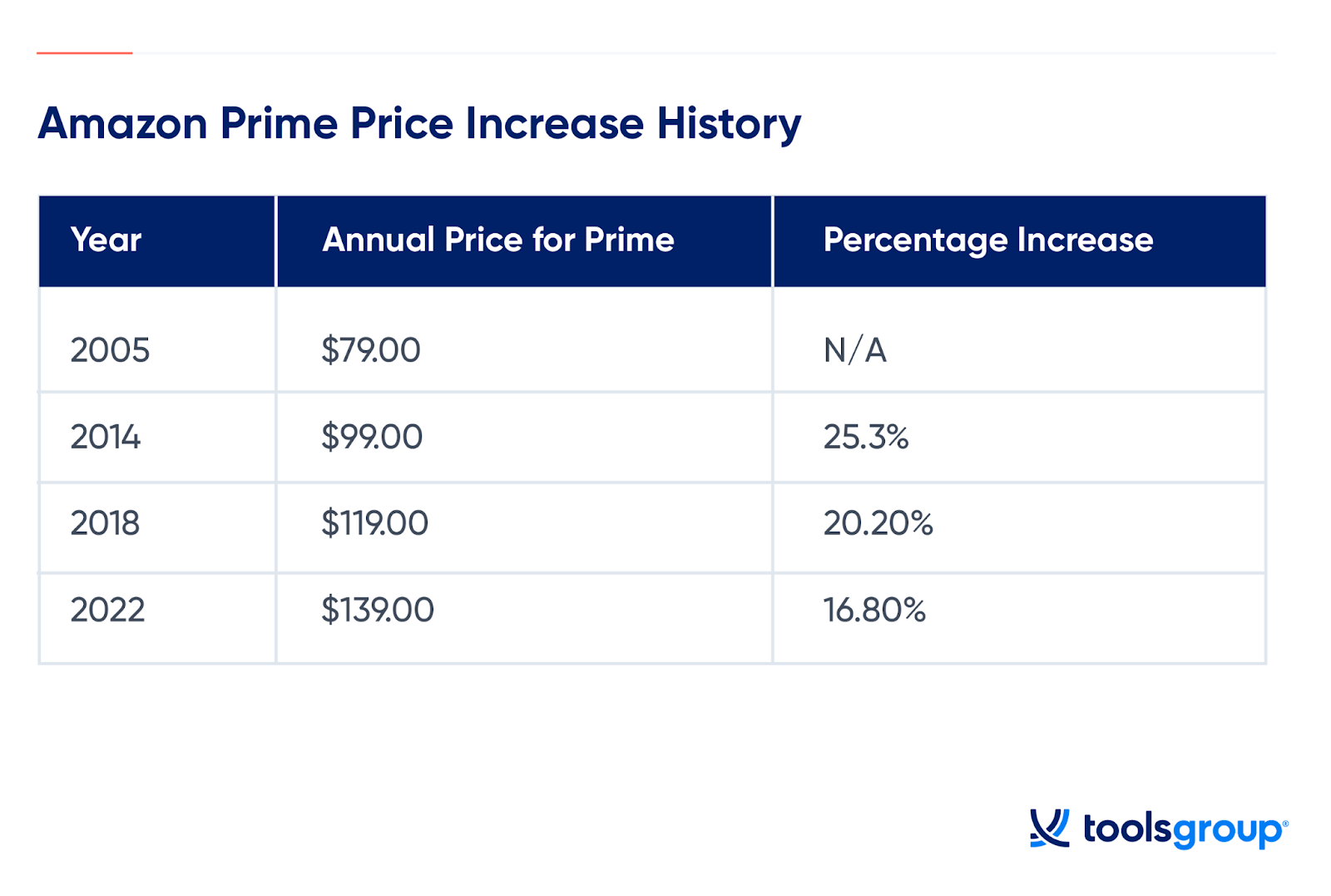
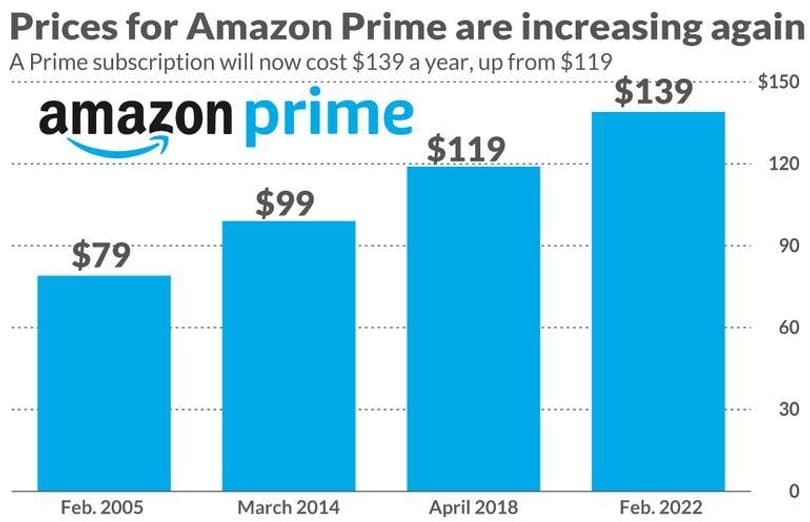
A newer but rapidly growing contributor to Amazon’s valuation is its advertising arm. Amazon has become the third-largest digital advertising platform in the world, trailing only Google and Meta. Because Amazon has direct data on what consumers are actually buying, its ad space is incredibly valuable to brands. Furthermore, Amazon Prime subscriptions provide a steady, predictable stream of recurring revenue. This “subscription economy” model is highly favored by Wall Street because it provides financial stability and reduces the volatility associated with seasonal shopping trends.
Amazon as an Investment Opportunity: Metrics and Risks
For those looking to put money into Amazon, the question of “how much” shifts to whether the current stock price represents a fair value. Evaluating Amazon requires a different set of tools than evaluating a traditional grocery store or a legacy tech firm.
Price-to-Earnings (P/E) Ratios and Cash Flow
Historically, Amazon has traded at a very high P/E ratio, often exceeding 50 or 100. In a traditional sense, this would suggest the stock is “expensive.” However, sophisticated investors often look at “Operating Cash Flow” or “Free Cash Flow” (FCF) instead. Amazon’s ability to generate massive amounts of cash and then intelligently deploy it into new sectors—like healthcare or satellite internet (Project Kuiper)—is what justifies its premium price tag. When analyzing Amazon’s “cost,” one must decide if they are paying for current earnings or the right to own a piece of the company’s future cash-generating machines.
Risk Factors: Regulatory Headwinds and Competition
No investment is without risk. Part of the calculation of “how much Amazon is worth” involves discounting for potential threats. Antitrust scrutiny in the United States and Europe is a significant financial risk. If regulators were to force a breakup of the company—separating the retail platform from the private-label brands or spinning off AWS—the valuation would be drastically reshaped. Additionally, the rise of competitors like Temu or Shein in the low-cost retail space, and Microsoft Azure in the cloud space, means Amazon must continue to spend billions on innovation to maintain its market share.
The Future Valuation: AI and Global Expansion
The final piece of the puzzle in determining Amazon’s value is its trajectory. The company is currently pivoting toward a future defined by Artificial Intelligence (AI) and integrated logistics.
Generative AI and Bedrock
Amazon is investing billions into AI, not just for consumer recommendations, but for enterprise-level solutions through AWS Bedrock. By providing the tools for other companies to build their own AI applications, Amazon is positioning itself to be the “landlord” of the AI revolution. This creates a new, high-margin revenue stream that could potentially rival the impact AWS had on the company’s valuation a decade ago.
Logistics as a Service (LaaS)
Amazon has spent years building the world’s most sophisticated delivery network. We are now seeing the company monetize this infrastructure by offering “Buy with Prime” on external websites. This effectively turns Amazon into a direct competitor to UPS and FedEx. By transforming a massive capital expense (trucks, planes, and warehouses) into a revenue-generating service for the entire e-commerce industry, Amazon is finding new ways to extract value from its physical assets.

Conclusion: The Evolving Value of Amazon
So, “how much is Amazon?” The answer is a moving target. At any given moment, it is the sum of its dominant retail marketplace, its high-margin cloud infrastructure, its burgeoning advertising business, and its future bets on AI and logistics.
From a financial perspective, Amazon represents a unique hybrid: it has the scale of a legacy utility company but the growth potential of a startup. For the personal financier or the professional investor, valuing Amazon requires a holistic view of the global economy. It is a barometer for consumer spending, a pillar of the digital enterprise, and a testament to the power of long-term reinvestment. Whether its market cap is $1.5 trillion or $2.5 trillion, the “price” of Amazon is ultimately a reflection of how much we believe the future of commerce and technology will run through its digital veins.
aViewFromTheCave is a participant in the Amazon Services LLC Associates Program, an affiliate advertising program designed to provide a means for sites to earn advertising fees by advertising and linking to Amazon.com. Amazon, the Amazon logo, AmazonSupply, and the AmazonSupply logo are trademarks of Amazon.com, Inc. or its affiliates. As an Amazon Associate we earn affiliate commissions from qualifying purchases.