
Amazon.com Inc. (AMZN) stands as a titan in the global economy, a household name synonymous with e-commerce, cloud computing, and a relentless drive for innovation. For investors and market enthusiasts alike, the question of “how much is Amazon stock worth?” is more than a simple inquiry into a share price; it’s an exploration into the valuation of one of the world’s most influential companies. Understanding AMZN’s market value requires delving beyond the daily ticker, examining the intricate interplay of its diverse business segments, financial performance, market sentiment, and the broader economic landscape. This article aims to demystify Amazon’s stock valuation, offering a comprehensive look at what drives its price and what investors should consider when evaluating this formidable stock.
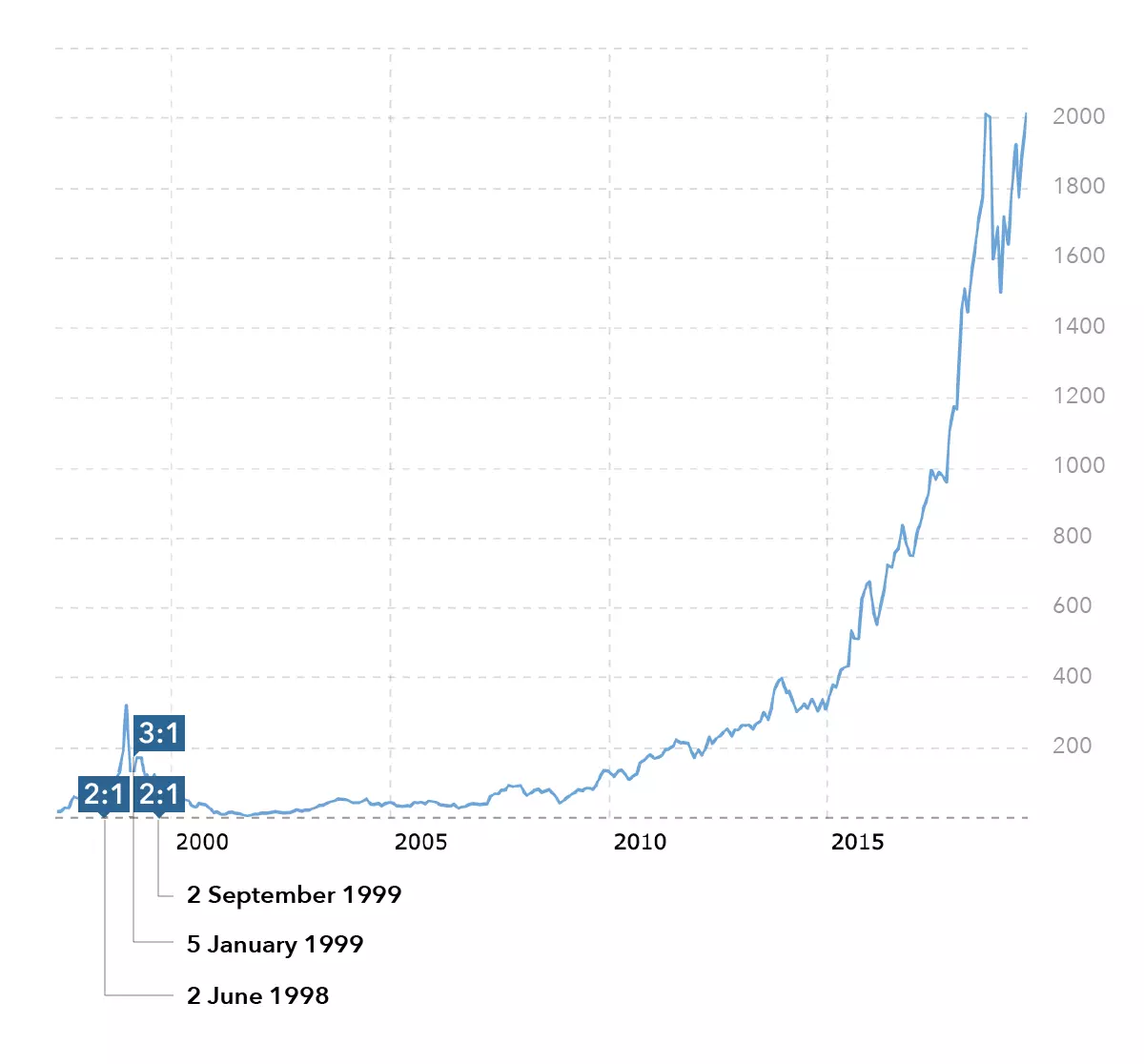
Deconstructing Amazon’s Stock Price: More Than Just a Number
The sticker price of an Amazon share on any given day is merely a snapshot, a reflection of countless factors converging in real-time. To truly grasp “how much is Amazon stock worth,” one must look beyond this immediate figure and understand its underlying dynamics.
The Current Market Price: A Daily Fluctuation
At its most basic level, the “worth” of an Amazon stock at any moment is its current market price. This is the price at which the last transaction occurred on the stock exchange. It’s a highly fluid number, constantly changing throughout trading hours based on immediate supply and demand. You can find this real-time quote on financial news websites, brokerage platforms, or through dedicated financial data providers. However, focusing solely on this number without context is akin to judging the depth of an ocean by a single wave. It’s crucial for entry and exit points, but it doesn’t tell the whole story of the company’s intrinsic value or future potential.
Factors Influencing AMZN’s Valuation
The market price of Amazon’s stock is a complex equation influenced by a multitude of variables. These factors can be broadly categorized into company-specific performance, industry trends, and macroeconomic conditions. On the company side, strong revenue growth from its e-commerce segments, the booming profitability of Amazon Web Services (AWS), effective cost management, and promising new ventures all contribute positively. Conversely, slowing growth, increased competition, or regulatory hurdles can exert downward pressure. Broader factors include interest rate changes, inflation, consumer spending patterns, and overall economic health. Investor sentiment—the collective optimism or pessimism about the company’s future—also plays a significant role, often magnifying or dampening the effects of fundamental news. High investor confidence, driven by consistent innovation and market dominance, can lead to a premium valuation, even if short-term profits are volatile due to reinvestment in growth.
The Impact of Stock Splits on Perception
It’s important to understand events like stock splits when discussing a company’s share price. A stock split is when a company increases the number of its outstanding shares by dividing each existing share into multiple shares. While this reduces the per-share price, it does not change the total value of an investor’s holdings. For example, Amazon executed a 20-for-1 stock split in mid-2022. This meant that for every one share an investor owned, they received 19 additional shares, and the price of each share was divided by 20. The total value of their investment remained the same. Splits are often done to make shares more accessible to a broader range of individual investors and to improve liquidity. While they don’t fundamentally alter the company’s market capitalization (total value), they can impact investor psychology by making the stock appear “cheaper” and more attainable.
Fundamental Analysis: Peeking Under the Hood of Amazon’s Business
To truly answer “how much is Amazon stock worth?” from an investment perspective, one must engage in fundamental analysis – examining the intrinsic value of the company by scrutinizing its financial health, business model, and competitive advantages. Amazon’s value proposition is built upon a diverse and powerful ecosystem.
Amazon’s Diverse Revenue Streams
Amazon is far from a one-trick pony; its vast enterprise encompasses several high-growth, high-profit businesses that collectively drive its valuation.
- Amazon Web Services (AWS): Often considered the crown jewel, AWS is the world’s leading cloud computing platform. It provides on-demand cloud computing platforms and APIs to individuals, companies, and governments. AWS is consistently Amazon’s most profitable segment, commanding high margins and benefiting from the secular growth trend in cloud adoption. Its success significantly bolsters Amazon’s overall financial strength and investor confidence.
- Online Stores (E-commerce): This is Amazon’s foundational business, encompassing direct product sales and commissions from third-party sellers. While margins here can be thinner due to high operating costs (fulfillment, shipping, marketing), it remains a massive revenue generator and the backbone of Amazon’s brand recognition and customer loyalty. The growth of third-party seller services, offering warehousing, fulfillment, and payment solutions, has proven particularly lucrative.
- Advertising Services: Leveraging its immense customer data and traffic, Amazon has rapidly grown into a formidable player in digital advertising. Brands pay to promote their products on Amazon’s platforms, generating high-margin revenue that complements its e-commerce operations. This segment often surprises analysts with its robust growth and profitability.
- Subscription Services (Amazon Prime): Amazon Prime is a crucial ecosystem driver, offering benefits like free faster shipping, streaming video and music, and exclusive deals. Prime members tend to spend significantly more on Amazon, making the subscription fee a powerful customer retention tool and a recurring revenue stream.
- Other Ventures: Amazon continues to experiment and expand into new areas, including physical stores (Whole Foods, Amazon Go), devices (Kindle, Echo), healthcare (Amazon Pharmacy, One Medical), and logistics. While individually smaller, these ventures represent potential future growth engines and demonstrate Amazon’s commitment to innovation and market expansion.
Key Financial Metrics to Monitor
Investors assessing AMZN’s worth should track several crucial financial indicators available in its quarterly and annual reports:
- Revenue Growth: Consistently high revenue growth across its segments, especially AWS, signals a healthy and expanding business.
- Profitability (Net Income & Operating Income): While Amazon has historically prioritized growth over immediate profits, increasing and stable profitability, particularly from AWS, is a key indicator of financial health. Operating income focuses on core business profitability before taxes and interest.
- Operating Margins: These indicate how much profit a company makes from its sales after covering operating costs. Strong and improving margins, especially in high-growth segments like AWS and advertising, are highly valued.
- Free Cash Flow (FCF): This metric represents the cash a company generates after accounting for cash outflows to support operations and maintain its capital assets. Strong FCF allows Amazon to reinvest in its business, make acquisitions, or return capital to shareholders. It’s often considered a truer measure of a company’s financial health than net income.
- Debt Levels: While large companies often carry debt, managing it responsibly is key. Monitoring Amazon’s debt-to-equity ratio and its ability to service its debt provides insight into financial stability.
Growth Prospects and Future Catalysts
Amazon’s future valuation will heavily depend on its ability to sustain growth and capitalize on emerging trends. Continued expansion in cloud computing (AWS), leveraging AI for personalized shopping and operational efficiencies, international market penetration for e-commerce, and the scaling of its advertising business are all significant catalysts. Furthermore, its ventures into healthcare, robotics, and advanced logistics could open up entirely new revenue streams, reinforcing its long-term growth narrative and justifying a premium valuation in the eyes of investors. The company’s culture of innovation and its willingness to invest heavily in long-term projects are often cited as reasons for its sustained market leadership.

Navigating Investment in AMZN: Risks and Opportunities
Investing in a company like Amazon, despite its impressive track record, involves weighing significant opportunities against inherent risks. A balanced perspective is crucial for any potential investor wondering “how much is Amazon stock worth” as a future investment.
The Upside Potential: Why Investors Love Amazon
Amazon’s appeal to investors is multifaceted. Its strong brand recognition and customer loyalty, particularly through Prime, create a powerful moat. Its innovation engine consistently drives new products, services, and efficiency gains, ensuring it remains at the forefront of technological and retail evolution. Amazon’s market leadership in both e-commerce and cloud computing provides significant competitive advantages and economies of scale. The diversification of its revenue streams, with high-margin segments like AWS buffering the lower-margin retail operations, offers resilience. Finally, its track record of growth and ability to expand into new industries give investors confidence in its long-term appreciation potential. For many, investing in Amazon is a bet on global economic growth, digital transformation, and continued consumer adoption of online services.
Understanding the Risks: What Could Go Wrong
Despite its strengths, Amazon faces several significant risks that could impact its stock performance.
- Regulatory Scrutiny: Amazon’s dominant market position in multiple sectors has attracted considerable antitrust attention globally. Potential regulations concerning data privacy, market power, and labor practices could lead to fines, forced business model changes, or even breakups, impacting profitability and growth.
- Intense Competition: While a leader, Amazon operates in highly competitive arenas. In e-commerce, it faces challenges from Walmart, Target, and numerous niche online retailers. In cloud computing, Microsoft Azure and Google Cloud are formidable rivals. Constant innovation and competitive pricing are necessary to maintain its edge.
- Economic Downturns: A significant economic recession or sustained high inflation could curtail consumer spending on discretionary items, directly impacting Amazon’s e-commerce revenues. Businesses might also reduce IT spending, affecting AWS growth.
- Operational Challenges: Managing a vast global logistics network, a massive workforce, and complex technological infrastructure presents ongoing operational challenges, including supply chain disruptions, rising labor costs, and cybersecurity threats.
- Reliance on Consumer Sentiment: As a consumer-facing company, Amazon’s success is tied to public perception and trust. Negative publicity, data breaches, or ethical concerns could damage its brand and customer loyalty.
- Valuation Concerns: Historically, Amazon has often traded at a high price-to-earnings (P/E) ratio, reflecting investor confidence in its future growth. If growth slows or competitive pressures intensify, this premium valuation could be re-evaluated by the market.
Diversification and Long-Term Horizon
Given the inherent volatility and risks associated with even the most established growth stocks like Amazon, a crucial investment principle is diversification. No single stock, regardless of its strength, should form the entirety of an investment portfolio. Furthermore, Amazon is best viewed as a long-term investment. Its strategy often involves heavy reinvestment for future growth, which can sometimes lead to fluctuating short-term profits. Investors with a long-term horizon are better positioned to ride out market fluctuations and benefit from the compounding growth of its diverse businesses. Patience and a clear understanding of its business model are paramount.
How to Invest in Amazon Stock
For individuals convinced of Amazon’s long-term prospects and ready to invest, the process is straightforward, though some key steps and considerations are involved.
Choosing a Brokerage Account
The first step to buying Amazon stock (or any stock) is to open a brokerage account. There are numerous reputable online brokerages available, such as Fidelity, Charles Schwab, E*TRADE, TD Ameritrade (now part of Schwab), and Vanguard, as well as newer platforms like Robinhood or M1 Finance. When choosing a broker, consider factors like commission fees (many now offer commission-free stock trading), the range of investment products available, research tools, customer service, and platform usability. Ensure the brokerage is regulated by relevant authorities like the SEC and FINRA in the U.S.
Placing Your Order
Once your account is set up and funded, you can search for Amazon using its ticker symbol, AMZN. When placing an order, you’ll typically have a few options:
- Market Order: This instructs your broker to buy or sell shares immediately at the best available current market price. While it guarantees execution, the exact price might vary slightly in a fast-moving market.
- Limit Order: This allows you to set a specific maximum price you’re willing to pay to buy or a minimum price you’re willing to accept to sell. Your order will only be executed if the stock reaches or crosses your specified price. This offers more control over the price but doesn’t guarantee execution.
For long-term investors, a market order is often sufficient, but for more precise entry points, a limit order can be advantageous.
Fractional Shares and DRIPs
For investors with smaller budgets, many brokerages now offer the option to buy fractional shares. This means you can invest a specific dollar amount (e.g., $100) into Amazon stock, even if that amount is less than the price of one full share. This democratizes investing and allows for portfolio diversification with less capital. Additionally, some brokerages offer Dividend Reinvestment Plans (DRIPs). While Amazon does not currently pay a dividend, if it were to in the future, a DRIP would automatically reinvest any dividends earned back into buying more shares or fractional shares of Amazon, allowing your investment to compound over time without additional effort.

Conclusion
The question of “how much is Amazon stock worth?” is a dynamic and multifaceted one, with an answer that evolves daily based on market forces, company performance, and macroeconomic trends. As one of the most innovative and dominant companies globally, Amazon’s valuation reflects not just its current financial health but also the immense potential of its diverse and expanding business empire, from cloud computing to e-commerce and beyond.
For prospective investors, understanding AMZN’s worth requires a deep dive into its revenue streams, key financial metrics, and a clear-eyed assessment of both its compelling growth opportunities and the inherent risks it faces. While its stock has historically delivered significant returns, it is essential to approach any investment with thorough research, a diversified portfolio strategy, and a long-term perspective. Ultimately, the “worth” of Amazon stock is not just a number on a screen, but a complex representation of its influence, innovation, and future trajectory in the global economy.
aViewFromTheCave is a participant in the Amazon Services LLC Associates Program, an affiliate advertising program designed to provide a means for sites to earn advertising fees by advertising and linking to Amazon.com. Amazon, the Amazon logo, AmazonSupply, and the AmazonSupply logo are trademarks of Amazon.com, Inc. or its affiliates. As an Amazon Associate we earn affiliate commissions from qualifying purchases.