
In the modern subscription economy, few line items in a household budget are as ubiquitous as Amazon Prime. What began in 2005 as a simple loyalty program centered on expedited shipping has evolved into a multi-faceted digital ecosystem. For the savvy consumer, the question “How much is Amazon Prime?” is not just about the sticker price; it is a question of return on investment (ROI). As inflation affects consumer discretionary spending, evaluating the financial commitment of a Prime membership requires a deep dive into its pricing tiers, hidden value metrics, and cost-saving alternatives.
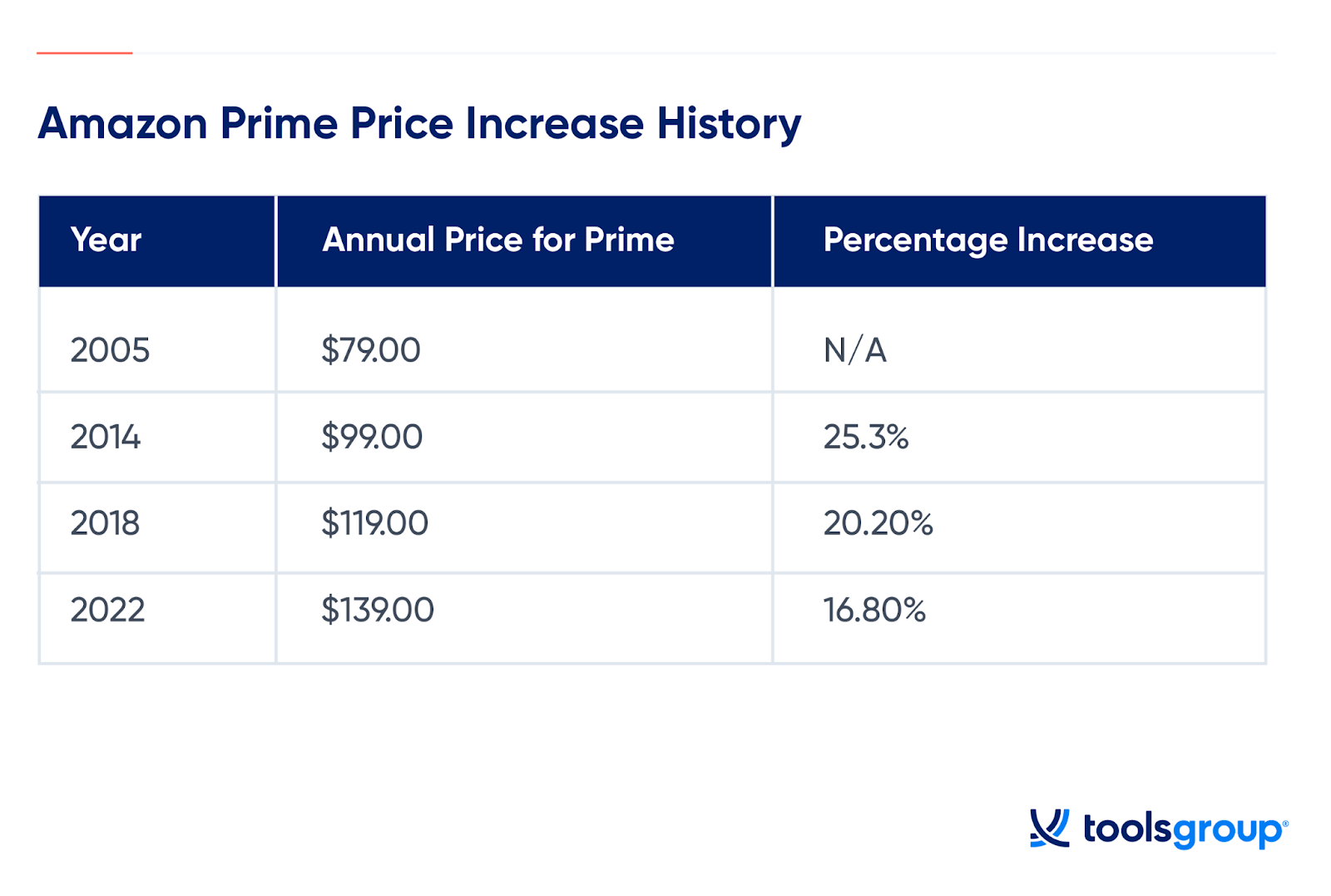
Understanding the Current Pricing Tiers and Membership Structures
To accurately assess the cost of Amazon Prime, one must first navigate the various pricing structures Amazon offers. Unlike many software-as-a-service (SaaS) models that have a single flat rate, Amazon has diversified its pricing to capture different demographic segments, ranging from students to low-income households.
Monthly vs. Annual Plans
As of 2024, the standard consumer price for Amazon Prime stands at $14.99 per month or $139 per year. From a personal finance perspective, the annual commitment is the superior choice for those who have the liquidity to pay upfront. The annual fee represents a roughly 23% discount over the monthly payments, which would total approximately $180 over a year. For individuals managing a tight monthly cash flow, the $14.99 option provides flexibility, allowing them to cancel during months of low usage, though they forfeit the long-term savings.
Prime Student and EBT/Medicaid Discounted Rates
Amazon offers significant subsidies for specific populations. Prime Student is currently priced at $7.49 per month or $69 per year, following a generous six-month trial period. This is a strategic move to build brand loyalty among Gen Z consumers. Furthermore, Amazon offers a “Prime Access” tier for $6.99 per month for recipients of select government assistance programs, such as SNAP (EBT) and Medicaid. These tiered structures ensure that the “entry fee” to the Amazon marketplace remains accessible, even as the standard rate has increased over the years.
The Hidden Costs: Add-on Channels and In-App Purchases
While the core membership price is transparent, a comprehensive financial analysis must account for “leakage”—the additional spending the membership encourages. Prime Video, for instance, frequently promotes “channels” like Paramount+ or Max, which require additional monthly fees ranging from $5 to $16. Furthermore, the integration of “Buy with Prime” on third-party websites and one-click purchasing on the platform can lead to “subscription creep,” where the convenience of the service results in higher overall monthly expenditures than originally budgeted.
The Cost-Benefit Analysis: Is the Membership Worth the Investment?
Determining whether the $139 annual fee is “worth it” requires a quantitative look at the services provided. If a consumer utilizes the full breadth of the Prime ecosystem, the cumulative value can far exceed the annual cost. However, for the infrequent shopper, the membership may represent a net loss.
Quantifying the Value of Free Shipping
The cornerstone of Prime is free, fast shipping. For a non-Prime member, standard shipping costs typically range from $5 to $12 depending on the item and delivery speed. If a household places at least 15 to 20 orders per year, the membership pays for itself solely through shipping savings. In the context of business finance, this “logistics-as-a-service” model allows small home-based businesses to minimize overhead by leveraging Amazon’s massive distribution network for their own procurement needs.
Digital Perks: Prime Video, Music, and Gaming
When assessing the value, one must compare Prime to standalone digital services. A standard Netflix or Hulu subscription can cost between $120 and $240 annually. By including Prime Video, Amazon Music Prime (a limited catalog), and Prime Gaming, Amazon effectively bundles hundreds of dollars worth of digital entertainment into its core price. For a family that would otherwise pay for multiple streaming platforms, consolidating their entertainment through Prime can be a strategic move to reduce redundant digital subscriptions.
Groceries and Fuel: Brick-and-Mortar Savings
Amazon’s acquisition of Whole Foods Market has allowed it to bridge the gap between digital and physical commerce. Prime members receive an additional 10% discount on sale items at Whole Foods and exclusive weekly deals. Additionally, Amazon recently introduced a fuel savings benefit, offering members a discount of 10 cents per gallon at over 19,000 gas stations (including BP and Amoco). For consumers who drive frequently or shop for high-quality organic groceries, these tangible, real-world savings can offset the annual membership fee within a few months.

Comparative Finance: Prime vs. Competitors in the Subscription Economy
Amazon no longer holds a monopoly on the premium retail subscription space. As other retail giants attempt to claw back market share, consumers must evaluate Amazon Prime against its primary competitors to determine where their capital is best deployed.
Amazon Prime vs. Walmart+
Walmart+ is perhaps the most direct competitor, priced at $98 per year or $12.95 per month. While Walmart+ lacks the robust original content library of Prime Video, it offers distinct advantages in the grocery sector, including free delivery from local stores and a more extensive fuel discount program (up to 10 cents per gallon at 12,000+ stations including Exxon and Mobil). From a financial standpoint, Walmart+ may be more attractive to suburban families who prioritize grocery savings and gas over streaming media and diverse third-party marketplace goods.
Comparing Streaming-Only Alternatives
If a consumer’s primary motivation for getting Prime is entertainment, they must weigh it against services like Disney+, Netflix, or Max. Amazon Prime Video has the advantage of being “bundled,” meaning the cost is subsidized by the retail side of the business. However, from a pure content ROI perspective, some users may find more value in a $10 monthly ad-supported Netflix plan if they do not utilize Amazon’s shipping services. The financial trap to avoid is “over-subscription,” where one pays for Prime while also maintaining four other streaming services that offer overlapping content.
Strategic Ways to Reduce Your Subscription Expenses
For those committed to the Amazon ecosystem, there are several ways to optimize the cost and ensure the highest possible ROI on the membership fee.
Leveraging Prime Household Sharing
One of the most effective financial strategies for Prime is the “Household” feature. Amazon allows two adults to share a single Prime membership, including all shipping and streaming benefits, while maintaining separate accounts and payment methods. By splitting the $139 annual fee with a partner or roommate, the per-person cost drops to $69.50, making it one of the most affordable high-value subscriptions on the market.
Timing Your Subscription with Prime Day
Amazon’s “Prime Day” and “Big Spring Sale” events are exclusive to members. For high-volume shoppers, the savings gained during these 48-hour windows on electronics, appliances, and household staples can often exceed the cost of the entire annual membership. A strategic shopper will wait for these events to make major purchases, effectively using the membership as a “discount card” that pays for itself through a single transaction.
Credit Card Rewards and Cashback Ecosystems
To further maximize the financial benefits, many consumers pair their membership with the Amazon Prime Visa Card. This card offers 5% back on all Amazon and Whole Foods purchases for Prime members. For a household that spends $3,000 annually on the platform—covering everything from paper towels to electronics—the 5% cashback totals $150. This effectively covers the entire $139 annual Prime fee, resulting in a “free” membership and a $11 profit.
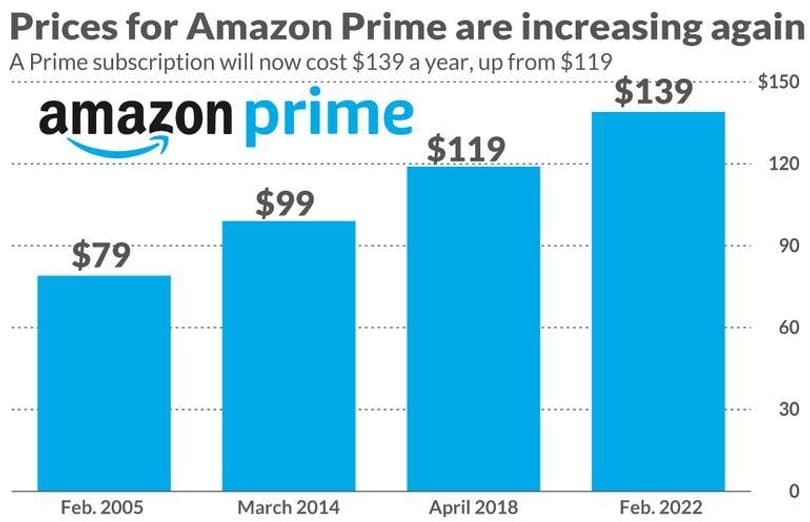
The Long-Term Financial Impact of the Prime Ecosystem
Ultimately, the cost of Amazon Prime is more than a simple transaction; it is an entry point into a behavioral shift in how we manage money and time. The convenience of Prime can be a double-edged sword. On one hand, it saves “time-cost,” allowing professionals to outsource the chore of shopping and logistics. On the other hand, the removal of “purchase friction” can lead to impulsive spending and decreased financial discipline.
To manage Prime effectively, consumers should conduct an annual “subscription audit.” By looking at their order history and streaming usage, they can determine if the $139 fee resulted in a net gain. If the shipping savings, grocery discounts, and entertainment value exceed the fee, Prime remains a pillar of a well-managed personal finance plan. However, if the membership is merely a gateway to unnecessary spending, it may be time to reconsider the subscription. In the final analysis, Amazon Prime is a powerful financial tool, but its value is entirely dependent on the user’s ability to leverage its perks without falling into the trap of mindless consumption.
aViewFromTheCave is a participant in the Amazon Services LLC Associates Program, an affiliate advertising program designed to provide a means for sites to earn advertising fees by advertising and linking to Amazon.com. Amazon, the Amazon logo, AmazonSupply, and the AmazonSupply logo are trademarks of Amazon.com, Inc. or its affiliates. As an Amazon Associate we earn affiliate commissions from qualifying purchases.