
In the modern era of the “subscription economy,” consumers are increasingly faced with the challenge of managing a growing list of recurring monthly expenses. Among these, Amazon Prime stands as one of the most ubiquitous. While it began as a simple free-shipping service, it has evolved into a multi-faceted ecosystem of digital and physical services. However, from a personal finance perspective, the question remains: does the monthly cost of Amazon Prime align with your financial goals, or is it a “stealth” expense that erodes your savings?
Understanding the monthly cost of Amazon Prime requires more than just looking at the sticker price. It involves a deep dive into the value proposition, the potential for cost-offsetting, and the psychological impact of the subscription on your overall spending habits.
1. Analyzing the Direct Costs: Monthly vs. Annual Plans
The first step in any financial audit is to identify the raw numbers. Amazon offers several pricing tiers designed to capture different demographics, from students to low-income households.
The Standard Monthly Subscription
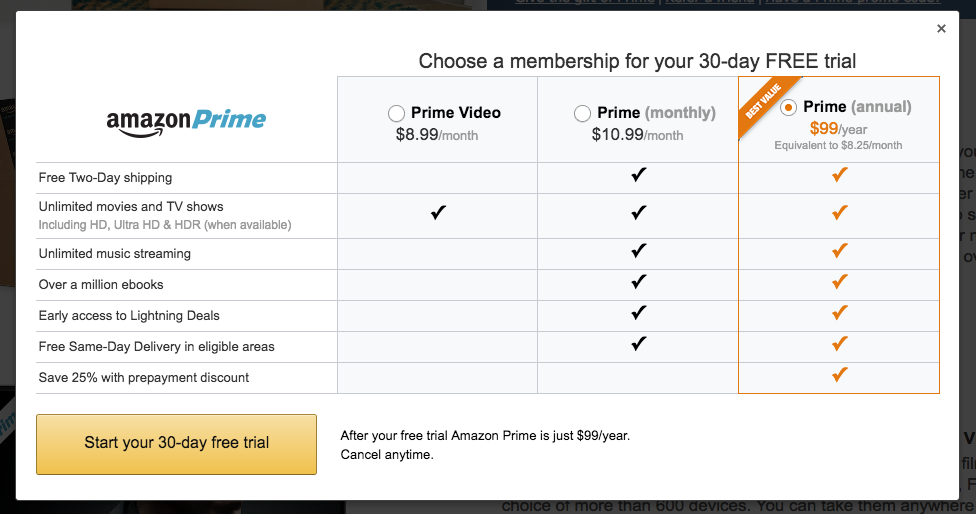
Currently, the standard monthly rate for Amazon Prime is $14.99. For many, this is the most attractive entry point because it offers flexibility. From a cash-flow management perspective, a smaller monthly payment is often easier to absorb into a tight budget than a large lump sum. However, this flexibility comes at a premium. Over the course of a year, a monthly subscriber pays approximately $179.88.
The Annual Commitment Discount
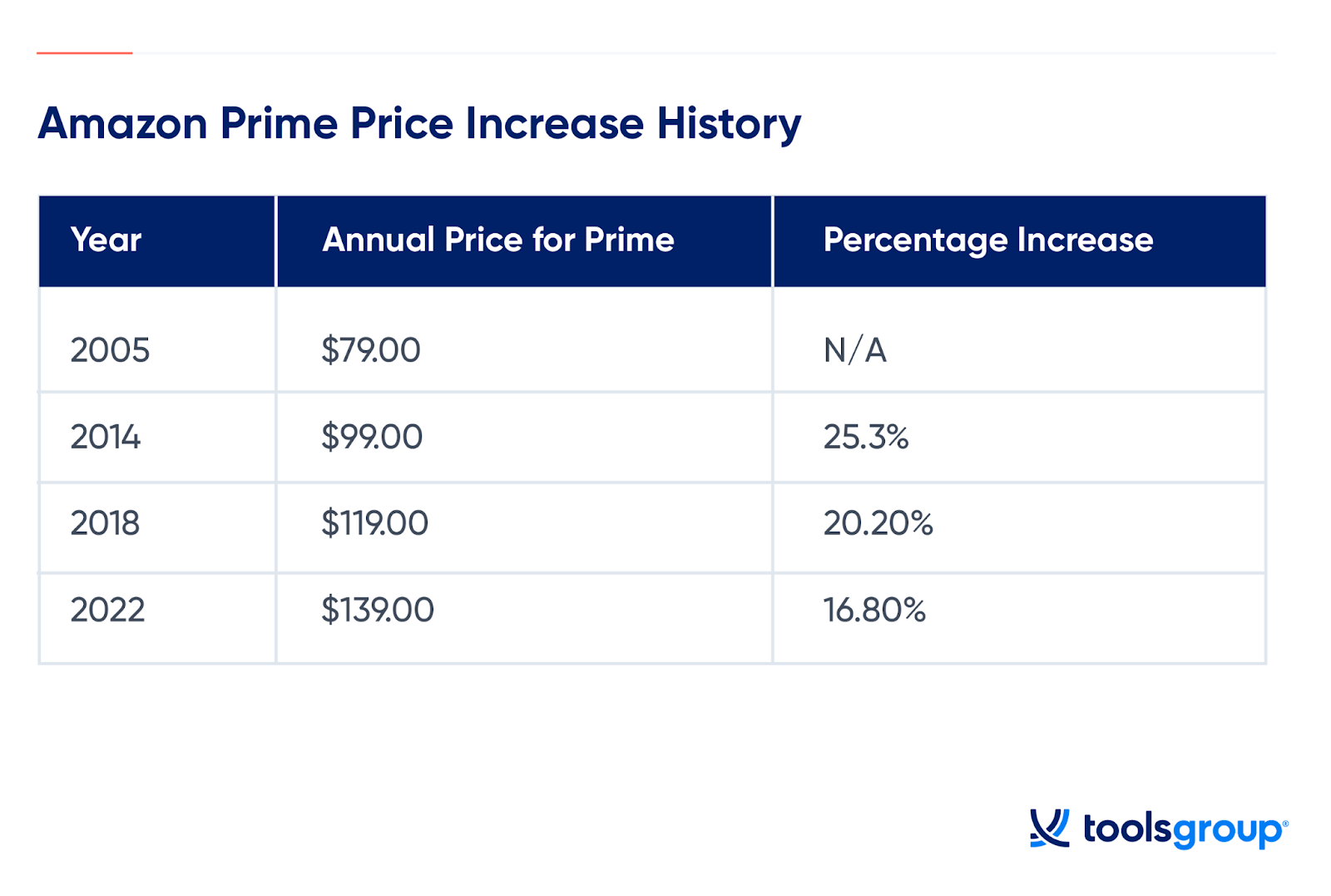
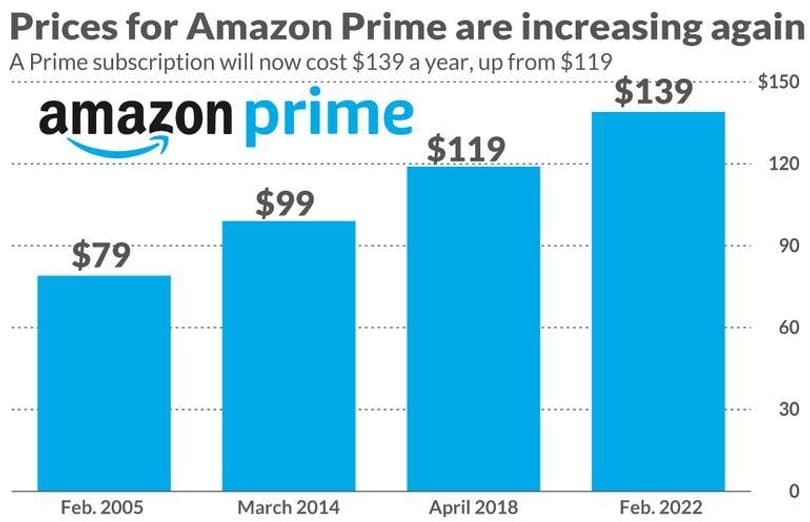
For those who have the liquidity to pay upfront, the annual membership is priced at $139. By choosing the annual option over the monthly plan, a consumer saves roughly $40 per year—a nearly 23% discount. In the world of investing and personal finance, a guaranteed 23% return on your money is an exceptional deal. If you know you will use the service for the full year, paying monthly is technically a financial inefficiency.
Specialized Pricing for Targeted Demographics
Amazon offers significant discounts for specific groups, which can drastically change the ROI (Return on Investment) of the service. Prime Student is priced at $7.49 per month (or $69 per year), while recipients of certain government assistance (such as EBT or Medicaid) can access Prime for $6.99 per month. For these users, the service often pays for itself through a single delivery or a few hours of streaming content that would otherwise be purchased elsewhere.
2. The ROI of Convenience: Calculating Your Break-Even Point
To determine if the monthly fee is a sound financial decision, one must calculate the “break-even point.” This is the moment where the savings provided by the membership exceed the cost of the subscription itself.
Shipping Costs and the Logistics of Savings
The primary driver for most Prime memberships is “Free One-Day” or “Two-Day” shipping. Without Prime, standard shipping rates on Amazon typically range from $5.99 to $9.99 per order for non-qualifying items. If you are a monthly subscriber paying $14.99, you only need to place two orders per month to essentially “break even” on shipping costs. If you are a frequent shopper who places five or more orders a month, the membership becomes a high-yield financial tool that saves you hundreds of dollars in logistical fees annually.
Consolidating Digital Subscriptions
A common mistake in personal finance is “subscription overlap.” Many people pay for Netflix, Spotify, and Audible while also paying for Amazon Prime. Prime includes Prime Video, Prime Music, and Prime Reading. If a household is willing to utilize Prime Video as their primary streaming service and Prime Music as their background audio service, they could potentially cancel other subscriptions costing $10–$20 each. In this scenario, the $14.99 monthly fee for Amazon Prime actually saves the household $20 or more in other digital expenses, creating a net positive impact on the monthly budget.
The Value of Time as a Financial Asset
While often overlooked in basic accounting, time is a finite resource with a specific monetary value. The ability to have household essentials delivered within 24 hours saves the consumer the time and fuel costs associated with traveling to a physical retail store. For a busy professional, saving two hours of shopping time per month—valued at their hourly wage—can far outweigh the $14.99 subscription fee.
3. Advanced Financial Tools Within the Prime Ecosystem
Beyond shipping and streaming, Amazon Prime offers several integrated financial incentives that can bolster a savvy consumer’s bottom line. When used correctly, these features move Prime from a “cost” category to a “financial tool” category.
The Amazon Prime Visa Card
For those with a disciplined approach to credit, the Amazon Prime Visa card is one of the most lucrative “store” cards available. It offers 5% back on all Amazon and Whole Foods purchases for Prime members. If a family spends $500 a month on groceries and household goods through Amazon, they earn $25 back in rewards. This $25 reward effectively covers the $14.99 monthly subscription and adds an extra $10 to their pocket. However, this only works if the balance is paid in full every month to avoid high-interest charges.
Whole Foods Market Integration
Since acquiring Whole Foods, Amazon has integrated Prime discounts into the grocery experience. Prime members receive an additional 10% off sale items and exclusive “Prime Member Deals.” For consumers who already shop at high-end grocers, these marginal gains can accumulate into significant monthly savings, particularly on organic produce and specialty proteins.
Amazon Photos and Cloud Storage Savings
Digital storage is another recurring cost for many, with services like Google One or iCloud charging monthly fees. Prime includes unlimited full-resolution photo storage. By migrating a photo library to Amazon, a user might be able to downgrade their other cloud storage tiers, further optimizing their monthly tech spend.
4. The Psychological Trap: Does Prime Encourage Overspending?
While the math often supports the value of Amazon Prime, a professional financial analysis must also consider the behavioral economics at play. Amazon’s business model is built on reducing “friction.” By making it easier to buy, they often encourage “leakage” in a consumer’s budget.
The Frictionless Spending Effect
The “Buy Now” button and free shipping eliminate the traditional barriers to purchasing. When there is no shipping cost to act as a deterrent, consumers are more likely to make impulse purchases of $5 or $10 items that they don’t strictly need. Over a month, these small “leaks” can add up to $100 or more in unplanned spending. From a wealth-building perspective, the $15 saved on shipping is irrelevant if the service prompted $150 in unnecessary consumption.
The “Sunk Cost” Fallacy
Subscribers often feel a psychological pressure to use the service to “get their money’s worth.” This can lead to a cycle where the consumer shops on Amazon specifically because they are paying for Prime, even if a local store or a different online retailer has a better price. To remain financially healthy, one must evaluate each purchase independently of the membership status.
Auditing and Pruning: The Quarterly Review
The most effective way to manage the financial impact of Amazon Prime is through a quarterly audit. Look at your order history:
- How many orders did you place?
- What would the shipping have cost?
- Did you use the video or music services?
If the total calculated value is less than $44.97 (three months of the monthly fee), it is time to cancel or pause the subscription. Amazon makes it relatively easy to jump in and out of the service, meaning you can subscribe for a single month during the holiday shopping season and cancel for the rest of the year.
Conclusion: The Final Verdict on the Monthly Cost
Is Amazon Prime’s monthly fee of $14.99 a good investment? From a pure personal finance standpoint, the answer is conditional. It is a powerful financial tool for those who leverage the shipping benefits, utilize the integrated digital services, and maximize the 5% cashback rewards. In these cases, the service doesn’t just pay for itself; it actively contributes to a lower cost of living.
However, for the occasional shopper or the impulsive buyer, the monthly fee can be a gateway to budget mismanagement. The key to mastering your finances is intentionality. By understanding the true cost, identifying the break-even point, and remaining aware of the psychological lures of “free” shipping, you can ensure that your Amazon Prime membership serves your bank account rather than draining it. Whether you choose the flexibility of the $14.99 monthly plan or the efficiency of the $139 annual plan, the goal remains the same: maximize the utility and minimize the waste.
aViewFromTheCave is a participant in the Amazon Services LLC Associates Program, an affiliate advertising program designed to provide a means for sites to earn advertising fees by advertising and linking to Amazon.com. Amazon, the Amazon logo, AmazonSupply, and the AmazonSupply logo are trademarks of Amazon.com, Inc. or its affiliates. As an Amazon Associate we earn affiliate commissions from qualifying purchases.