
In an increasingly fragmented digital entertainment landscape, understanding the true cost of your streaming services is paramount to sound financial planning. The question, “How much is Amazon Prime Live TV?” might seem straightforward, but it quickly reveals a multi-layered financial puzzle that requires careful deconstruction. Amazon Prime, a behemoth in e-commerce, offers a vast ecosystem of services, with video streaming being a central pillar. However, the concept of “Live TV” within this ecosystem is often misunderstood, leading to potential budget overruns if not approached with a clear financial strategy.
This article delves into the financial intricacies of leveraging Amazon Prime for live television content. We will dissect the costs associated with a Prime membership, explore the additional expenditures required for live TV via Prime Video Channels, compare these costs to alternative solutions, and ultimately equip you with the insights needed to make financially astute decisions about your digital entertainment budget. Our focus remains squarely on the monetary implications, ensuring a clear understanding of the investment required and the value proposition offered.
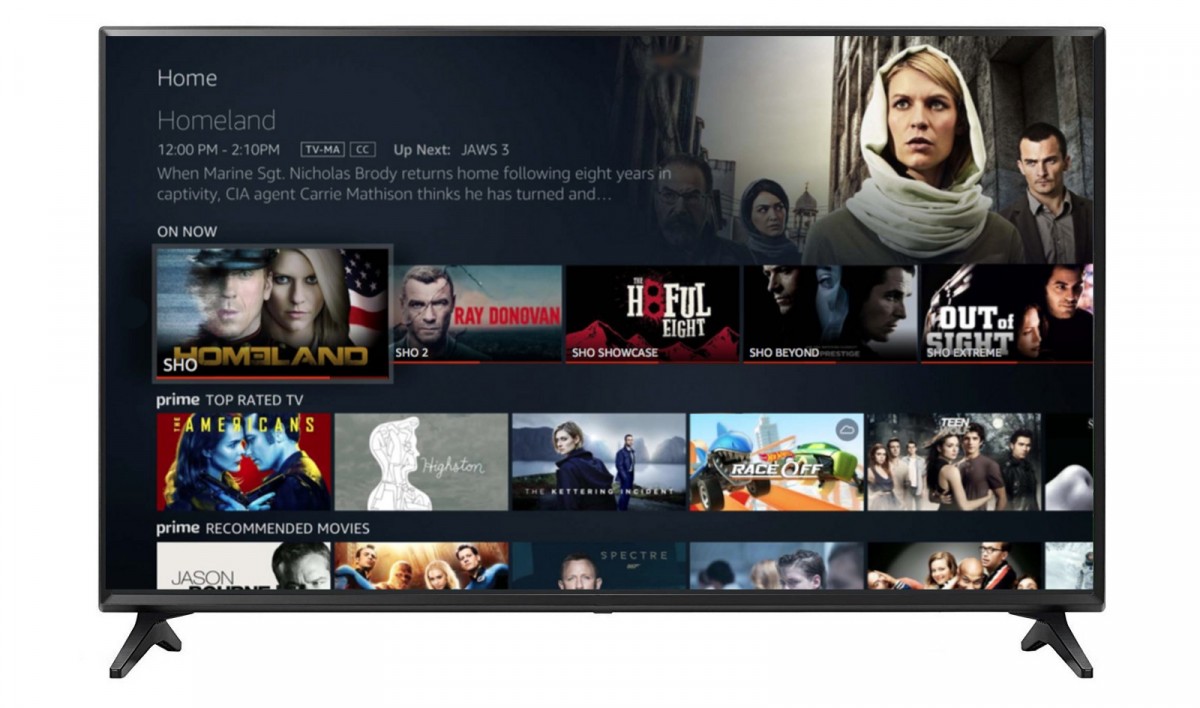
Deconstructing the Core Amazon Prime Investment
Before addressing “Live TV,” it’s crucial to establish the foundational financial commitment of an Amazon Prime membership itself. This membership is not merely a gateway to streaming but a comprehensive suite of services that holds significant economic value beyond entertainment. Understanding its core cost and the broader financial benefits is the first step in budgeting for any add-on services.
The Foundation: Amazon Prime Membership Fees
The price of Amazon Prime is the initial financial hurdle, acting as the entry point to its vast array of services, including Prime Video. This fee structure is designed to offer flexibility, though opting for the annual commitment typically yields the most significant savings in the long run.
- Annual vs. Monthly Subscriptions: A Cost-Benefit Analysis: Amazon generally offers two primary payment models for Prime: a monthly subscription and an annual subscription. While the monthly option provides greater flexibility, allowing users to cancel at short notice, it comes at a higher cumulative cost over a year. For instance, if the monthly fee is $14.99, the annual cost totals $179.88. The annual subscription, however, is often priced lower, perhaps around $139 per year. This $40 difference represents a clear financial incentive for those committed to the service for twelve months. From a personal finance perspective, committing to the annual plan can be seen as a form of pre-paid expense, potentially simplifying budgeting and ensuring a lower overall spend if the service is used consistently. Individuals must weigh the benefit of flexibility against these tangible savings.
- Student and EBT Discounts: Maximizing Financial Savings: Amazon recognizes diverse economic situations and offers significant discounts for specific demographics. Students, for example, can often access Prime for approximately half the standard price, typically around $7.49 per month or $69 per year, sometimes even including an extended free trial period. Similarly, individuals receiving qualifying government assistance (e.g., EBT cardholders) may also be eligible for a reduced monthly rate, often around $6.99. These subsidized rates represent a substantial financial relief, making the comprehensive benefits of Prime more accessible. From a financial planning standpoint, it’s imperative to explore these eligibility criteria, as they can dramatically alter the effective cost of the service and free up budget for other essentials or even for specific Prime Video Channels.
Beyond Streaming: The Economic Perks of Prime
While Prime Video is central to the “Live TV” discussion, the financial evaluation of an Amazon Prime membership must encompass its full spectrum of economic advantages. These additional benefits, often overlooked, contribute significantly to the overall value proposition and can offset a portion of the membership cost through savings in other areas.
- Shipping, Shopping, and Digital Entitlements: Unseen Monetary Value: The most widely recognized benefit of Prime, beyond streaming, is its expedited shipping. Unlimited free two-day (or faster) shipping on millions of eligible items can translate into substantial savings on delivery fees for frequent online shoppers. Furthermore, Prime offers exclusive deals and discounts, early access to lightning deals, and potentially lower prices on certain items through services like Amazon Fresh or Whole Foods Market. Digital entitlements extend to Prime Music, Prime Reading, and unlimited photo storage, each of which would incur separate costs if purchased individually from other providers. Quantifying these “unseen” savings can be challenging, but they undeniably reduce other household expenditures, effectively making the Prime membership a multi-faceted financial tool rather than just an entertainment subscription.
- Prime Video and Music: The Entertainment Anchor: Included within the base Prime membership is Prime Video, a vast library of on-demand movies, TV shows, and Amazon Originals. This extensive collection, which continually evolves, is a primary draw for many subscribers. Similarly, Prime Music provides access to millions of songs ad-free. These services, in themselves, offer significant entertainment value for the membership fee, often comparable to standalone streaming services that cost $5-$15 monthly. When considering the financial outlay for Prime, the inclusion of this core on-demand video and music library is a critical component of its value, serving as the essential backdrop before contemplating any “Live TV” additions.
Navigating the Prime Video Channels: Your Live TV Financial Landscape
The crucial distinction for “Live TV” on Amazon Prime lies in its execution: it’s not a bundled service like Prime Video itself, but rather an ecosystem of “Prime Video Channels.” These are individual, à la carte subscriptions that integrate seamlessly into the Prime Video interface but carry their own distinct financial implications. This section explores the economics of these add-ons.
Understanding the Add-on Subscription Model
Amazon’s approach to “Live TV” is fundamentally different from traditional cable or comprehensive live TV streaming services. It operates on an add-on model, which provides flexibility but also demands vigilant financial management.
- Distinguishing Prime Video Channels from Included Prime Content: It’s a common misconception that all content available through Prime Video is included with the base membership. This is not the case for live TV. Prime Video Channels are entirely separate, independently priced subscriptions that require an active Prime membership to access, but whose fees are additional to the Prime membership cost. This distinction is critical for financial clarity: you pay for Prime, and then you also pay for each specific channel you choose to add.
- The A La Carte Approach: Paying Only for What You Watch: The financial benefit of Prime Video Channels is their à la carte nature. Instead of paying for a large bundle of channels, many of which you might never watch (a common complaint with cable TV), you only subscribe to the specific channels or services that offer the live content you desire. This can be a highly cost-effective strategy if your live TV needs are niche. For example, if you only want live sports from a particular league or premium movies from a specific studio, you can subscribe to just that channel, theoretically avoiding the expense of a bloated package. However, this also requires discipline and a clear understanding of your viewing habits to prevent accumulating too many individual subscriptions.
A Financial Overview of Popular Live TV Channels
The range of Prime Video Channels is extensive, spanning premium entertainment, sports, news, and niche interests. Each comes with its own monthly price tag, contributing to your overall entertainment expenditure.
- Breaking Down Costs for Premium Entertainment (e.g., Max, Paramount+, Starz): Many popular premium cable channels and streaming services offer their content, including live feeds where applicable, as Prime Video Channels. For instance, Max (formerly HBO Max) might be available for around $15.99/month, Paramount+ for $5.99-$11.99/month (depending on the plan), and Starz for approximately $9.99/month. These prices are generally consistent with what you would pay if subscribing directly to these services, but the convenience of central billing through Amazon can be appealing. From a financial perspective, these represent significant recurring costs that quickly add up if multiple channels are selected.
- Sports Subscriptions: The Premium Price of Live Action (e.g., NBA League Pass, MLB.tv): Live sports are often the primary driver for “Live TV” subscriptions, and their cost reflects this demand. Services like NBA League Pass or MLB.tv, offering out-of-market games, can range from $20 to $30+ per month, or hundreds for a full season package. These are typically among the most expensive add-ons due to the exclusive and time-sensitive nature of live sports content. Budgeting for these requires a clear understanding of the seasonal nature of sports and whether a monthly or annual pass offers better financial value based on your viewing habits.
- News and Niche Channels: Tailoring Your Budget to Your Interests: Beyond mainstream entertainment and sports, Prime Video Channels also offer a plethora of news channels (e.g., CBS News, AMC+), international content, and highly niche interest channels. These might range from $2.99 to $9.99 per month. While individually inexpensive, the danger lies in the “death by a thousand cuts” phenomenon, where several small subscriptions accumulate into a significant monthly bill. Financial discernment is key to selecting only those niche channels that genuinely align with your specific interests and budget.
The Cumulative Cost: Assembling Your Personalized Live TV Bundle
Understanding the individual costs is one thing; comprehending their combined financial impact is another. The à la carte model of Prime Video Channels means that your total “Live TV” cost is entirely dependent on your choices, ranging from minimal to exceeding traditional cable bills.
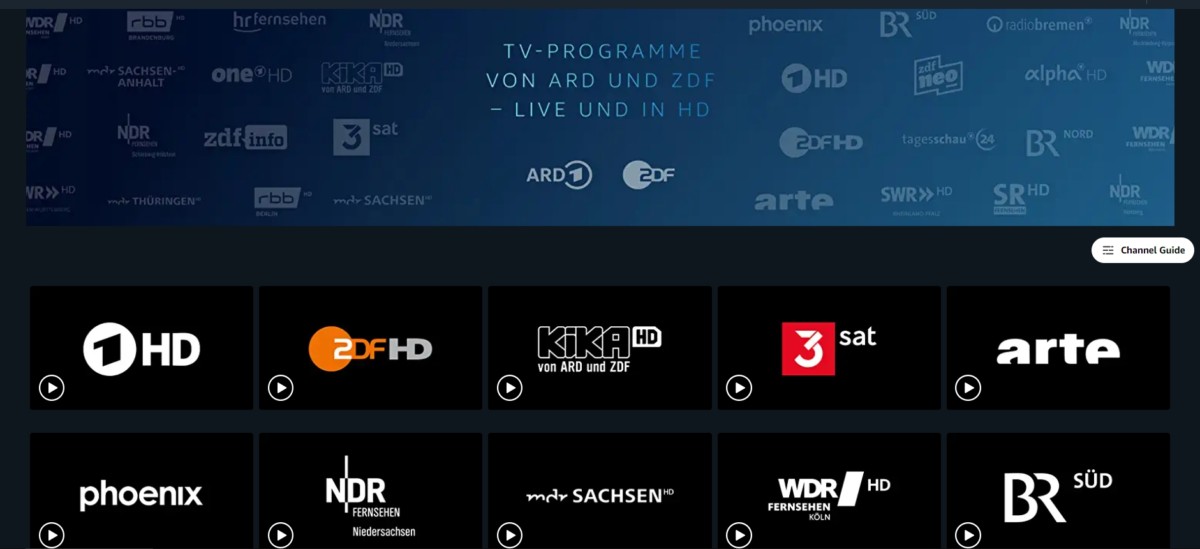
Calculating Your Monthly Entertainment Expenditure
A clear tabulation of all your subscriptions is vital for effective financial management.
- Summing Up Prime + Selected Channels: A Transparent Look: To determine your actual “Amazon Prime Live TV” cost, you must add your chosen Prime Video Channels to your base Amazon Prime membership fee (either monthly equivalent or actual monthly payment). For example, if Prime costs $14.99/month, and you add Max ($15.99), Paramount+ ($11.99), and AMC+ ($8.99), your total monthly expenditure is $14.99 + $15.99 + $11.99 + $8.99 = $51.96. This calculation provides a transparent, all-in view of your monthly financial commitment. It’s important to perform this exercise regularly, especially as subscription prices change or as your viewing habits evolve.
- The Impact of Multiple Add-ons on Your Budget: While the à la carte model promises savings, the ease of adding channels can lead to “subscription creep.” It’s entirely possible for a Prime member to accumulate several channels, pushing their monthly entertainment bill well past the $60-$100 mark, potentially matching or even exceeding the cost of traditional cable packages. This underscores the need for proactive budget management and periodic audits of your active subscriptions to ensure each channel still offers sufficient value for its cost.
The Illusion of “Free” and Hidden Financial Considerations
Beyond direct subscription costs, there are subtle financial dynamics at play within the Prime Video Channel ecosystem that can impact your budget.
- Free Trials: A Gateway to Unplanned Spending: Most Prime Video Channels offer free trial periods, typically 7 to 30 days. While these are excellent opportunities to test content before committing financially, they are also a common trap for unplanned spending. Many users forget to cancel trials before they convert to paid subscriptions, leading to unexpected charges. From a financial planning perspective, treating free trials as a “use-it-or-lose-it” proposition, coupled with immediate calendar reminders for cancellation dates, is crucial.
- Managing Auto-Renewals: Preventing Budgetary Overruns: All Prime Video Channels are set to auto-renew by default. This convenience can become a financial liability if subscriptions are forgotten or no longer desired. Regularly reviewing your “Memberships & Subscriptions” page on Amazon is a best practice for financial hygiene, allowing you to easily cancel channels you no longer watch and prevent recurring charges for unused services. This proactive management ensures that your entertainment budget remains aligned with your actual viewing consumption.
Financial Comparisons: Prime Live TV Against the Market
To truly gauge the financial viability of Amazon Prime Live TV, it’s essential to contextualize its costs against alternative entertainment solutions. This comparative analysis helps determine if the Prime-centric approach offers superior financial value for your specific needs.
Cord-Cutting Economics: Prime vs. Traditional Cable
For many, the move to streaming is driven by a desire for greater flexibility and, crucially, lower costs than traditional cable TV.
- Analyzing Savings and Flexibility in the Streaming Era: Traditional cable packages often carry a base cost of $50-$100+, plus additional fees for set-top boxes, HD service, and regional sports networks, easily pushing bills into the $100-$200+ range. Amazon Prime Live TV, with its à la carte model, offers immense financial flexibility. If your live TV needs are limited to just one or two premium channels, your total cost (Prime + Channels) could be significantly less than cable. The ability to subscribe and unsubscribe monthly also means you only pay for what you watch when you want to watch it, avoiding long-term contracts and associated penalties. This flexibility is a key financial advantage, allowing consumers to tailor their spending precisely to their entertainment consumption.
- Factoring in Internet Costs: The Complete Picture: A critical, yet often overlooked, financial consideration is the cost of a reliable internet connection. Streaming live TV, especially in high definition, consumes significant bandwidth. While cable bundles often include internet, streaming services require a separate internet provider. When comparing costs, it’s essential to add your internet bill (which can range from $50-$100+) to your streaming budget to get a true “apples-to-apples” comparison against a bundled cable and internet package. For many, internet is a fixed cost regardless of TV choice, but its role in enabling streaming is financially non-negotiable.
Competing Streaming Bundles: Value Proposition Assessment
Amazon Prime Live TV is not alone in the streaming world. Several dedicated live TV streaming services offer direct competition, each with distinct pricing and channel lineups.
- Sling TV, YouTube TV, Hulu + Live TV: A Cost-Benefit Showdown: Services like Sling TV (starting around $40/month), Hulu + Live TV (around $76.99/month), and YouTube TV (around $72.99/month) offer more traditional channel bundles, including local sports and news, but at a higher base price than a minimal Prime Live TV setup.
- Sling TV: Offers more targeted, smaller bundles, which can be more budget-friendly if you only need certain types of channels. Its financial appeal lies in its customization and lower entry point.
- Hulu + Live TV: Integrates its extensive on-demand library with a broad selection of live channels, often including local affiliates. Its higher price reflects this comprehensive offering, making it a strong value for those who want a blend of live and on-demand.
- YouTube TV: Known for its user-friendly interface and extensive channel lineup, including most major networks. Its price point is competitive for the breadth of channels it provides.
The financial decision here hinges on how many live channels you genuinely need. If you require a wide array of live national and local channels, a dedicated live TV streaming service might offer better per-channel value than accumulating many individual Prime Video Channels, even if the base price is higher.
- Strategic Selection for Optimal Financial Efficiency: The most financially savvy approach is to compare the specific channels you would subscribe to via Prime Video Channels against the channel lineups of these competing services. Sometimes, a dedicated live TV streamer will offer a core bundle of your must-have channels at a lower overall cost than individually subscribing to them through Amazon. Conversely, if your live TV needs are minimal and specific, Prime Video Channels might be the cheaper, more flexible option. It’s about optimizing your financial outlay for your precise viewing preferences, rather than defaulting to one platform.
Mastering Your Entertainment Budget with Amazon Prime
Effective financial management of your entertainment subscriptions, including Amazon Prime Live TV, requires a proactive and strategic approach. It’s not just about knowing the costs, but about actively managing them to ensure sustained value and prevent unnecessary expenditure.
Developing a Sustainable Streaming Strategy
A conscious strategy can transform your streaming habits into a financially sustainable model.
- Auditing Your Subscriptions: Eliminating Unnecessary Expenses: The most potent financial tool is a regular subscription audit. At least quarterly, review all your active Prime Video Channels and any other streaming services. Ask yourself: “Do I still watch this regularly?” and “Does the value I get justify the monthly cost?” Many services are subscribed to for a single show or event and then forgotten. Canceling dormant subscriptions is an immediate way to trim unnecessary fat from your budget and reallocate those funds elsewhere.
- Seasonal Subscriptions: Smart Financial Cycling: For channels with highly seasonal content, particularly sports (e.g., NBA League Pass, MLB.tv during their respective seasons) or specific event-driven channels, consider a seasonal subscription strategy. Subscribe only for the months you intend to watch and cancel immediately afterward. This “financial cycling” prevents you from paying for content you won’t consume for large portions of the year, maximizing the value of your spending and providing significant annual savings.
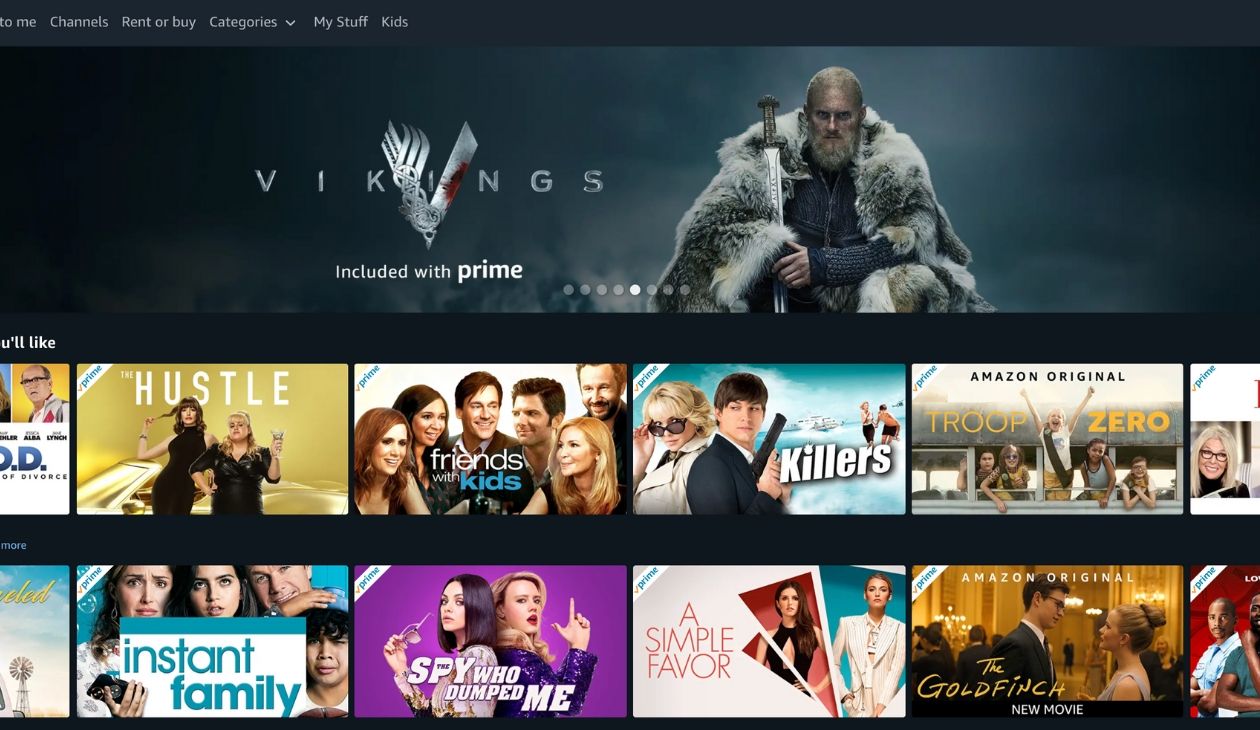
The Long-Term Financial Implications of Digital Content
Beyond immediate savings, consider the broader financial impact of your digital entertainment choices on your long-term financial health.
- Flexibility vs. Commitment: Financial Freedom in Streaming: The streaming model, particularly Amazon’s à la carte approach, offers unprecedented financial freedom compared to traditional long-term cable contracts. The ability to pause, cancel, and restart subscriptions without penalty provides a level of budgetary control that was previously unavailable. This flexibility allows for immediate adjustments to your entertainment spending based on your financial situation or changing preferences, contributing to overall financial agility.
- Reassessing Value: Ensuring Your Investment Pays Off: Ultimately, “how much is Amazon Prime Live TV” isn’t just a numerical question; it’s a question of value. Regularly reassessing whether the entertainment and convenience you receive from your Prime membership and its associated live TV channels justify their cumulative financial outlay is crucial. As content moves, prices change, and your preferences evolve, your entertainment budget should reflect these shifts. A well-managed digital entertainment portfolio is one that consistently delivers enjoyment without becoming an undue financial burden, ensuring your investment truly pays off in terms of personal satisfaction and financial peace of mind.