
In the modern digital economy, the subscription model has become the standard for consumer access. Among the various services vying for a portion of the household budget, Amazon Prime stands as the most prominent. While many users ask, “How much is Amazon Prime a month?” as a simple transactional inquiry, the answer involves a deeper financial analysis of value, utility, and psychological spending habits. For the savvy consumer, understanding the cost of Amazon Prime is not just about the $14.99 monthly fee; it is about evaluating whether that expenditure aligns with a disciplined personal finance strategy.
Decoding the Amazon Prime Pricing Structure
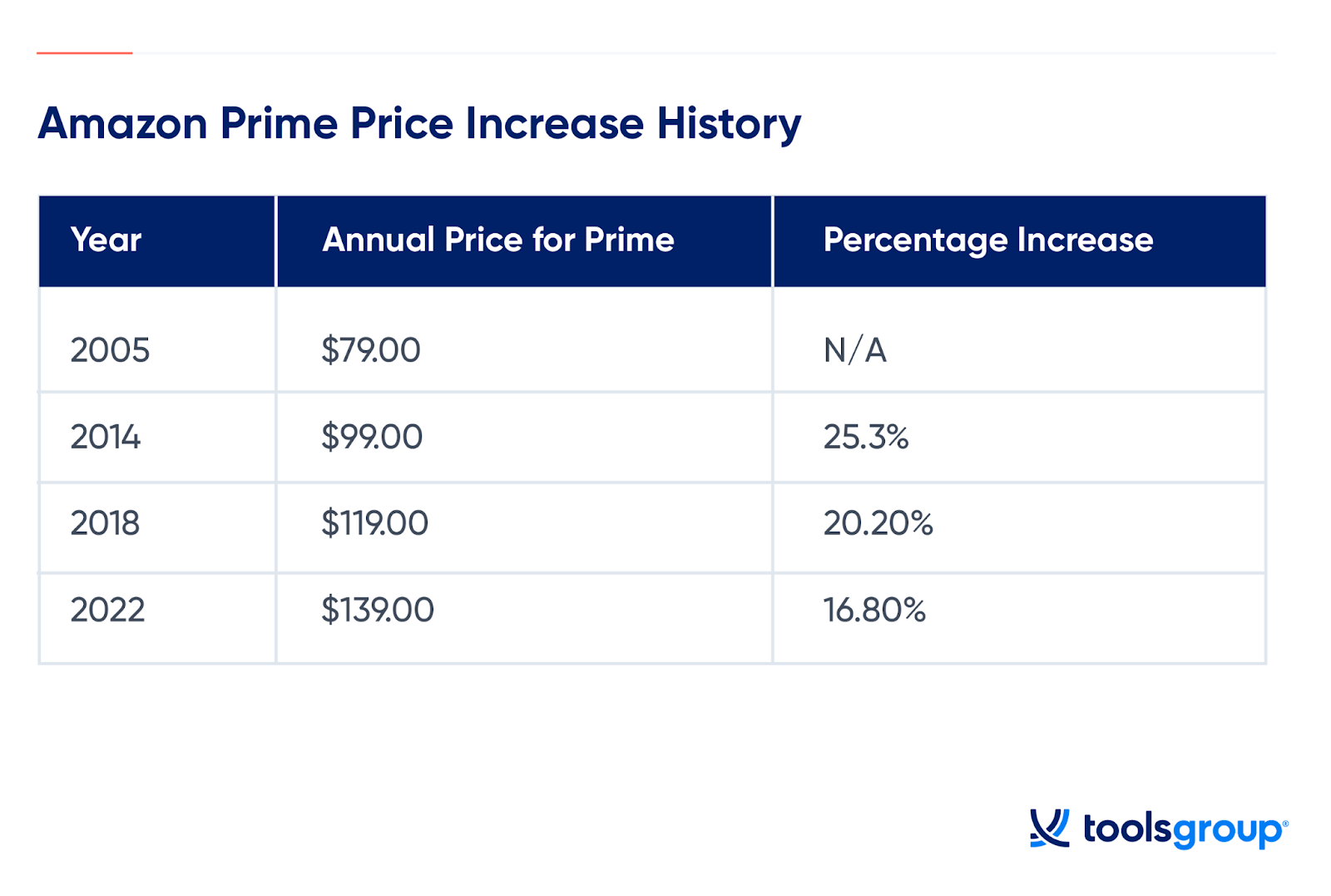
To understand the financial commitment of an Amazon Prime membership, one must first look at the literal numbers and the tiered structure Amazon has implemented to capture different market segments. As of 2024, the standard monthly rate for Amazon Prime is $14.99. However, the company offers several avenues for cost optimization depending on a user’s demographic and financial status.
Monthly vs. Annual Commitments
For those looking to manage their cash flow on a month-to-month basis, the $14.99 price point offers flexibility. It allows a user to cancel at any time, which is a strategic move for those who only need the service during high-volume shopping periods, such as the holiday season. However, from a long-term financial perspective, the annual membership is the more economical choice. At $139 per year, the “effective” monthly cost drops to approximately $11.58. For a permanent household fixture, opting for the annual payment realizes a 23% savings compared to the monthly installment plan.
Discounted Tiers for Students and Qualified Recipients
Amazon utilizes a “penetration pricing” strategy for specific demographics to build long-term brand loyalty. Prime Student is currently priced at $7.49 per month (or $69 per year), making it one of the most competitive entertainment and utility bundles for young adults. Furthermore, in an effort to remain accessible to lower-income households, Amazon offers a discounted rate of $6.99 per month for recipients of qualifying government assistance programs, such as SNAP, WIC, or Medicaid. From a budgeting standpoint, these tiers provide a high ROI (Return on Investment) for those who qualify, often paying for themselves through a single monthly grocery order or textbook shipment.
The ROI of a Prime Membership: Is It Saving You Money?
In personal finance, the value of a service is rarely determined by its price, but rather by the savings it generates. To determine if a Prime membership is a sound financial decision, a consumer must perform a “Break-Even Analysis.”
The Shipping Math
The primary value proposition of Prime remains its “free” two-day shipping. For a non-Prime member, standard shipping costs typically range from $5.00 to $9.99 per order, depending on the item and weight. If a consumer places more than two orders per month, the $14.99 membership fee is effectively neutralized. If a household averages five orders a month, the cost per shipment drops to roughly $3.00, which is significantly lower than the market rate for expedited logistics.
Strategic Savings via Prime Day and Exclusive Deals
Beyond shipping, Amazon Prime grants access to exclusive pricing events, most notably Prime Day. For disciplined shoppers who wait for these events to purchase high-ticket items—such as appliances, electronics, or household staples—the savings can exceed the annual membership cost in a single transaction. Additionally, the “Subscribe & Save” feature, which offers up to 15% off recurring deliveries, often requires a Prime membership to unlock the highest tiers of discounts. For a family managing a tight budget for consumables like diapers, pet food, or toiletries, these incremental percentages represent significant annual capital retention.
Integration with Whole Foods Market
For those who prioritize high-quality groceries, the integration of Prime with Whole Foods Market provides another layer of financial utility. Prime members receive an additional 10% off sale items and access to “member-only” deals. If a household spends $200 a week at Whole Foods, even a modest 5% total savings through Prime-exclusive discounts would equate to $10 a week—meaning the membership pays for itself nearly three times over through grocery savings alone.
Beyond Free Shipping: Factoring in Digital Entertainment Value
When assessing the monthly cost of Amazon Prime, one must view it as a multi-service bundle rather than a simple delivery fee. In a landscape of “subscription fatigue,” where consumers often pay for Netflix ($15.49+), Spotify ($11.99), and Audible ($14.95) separately, Prime functions as a financial consolidator.
Prime Video and the Streaming Market
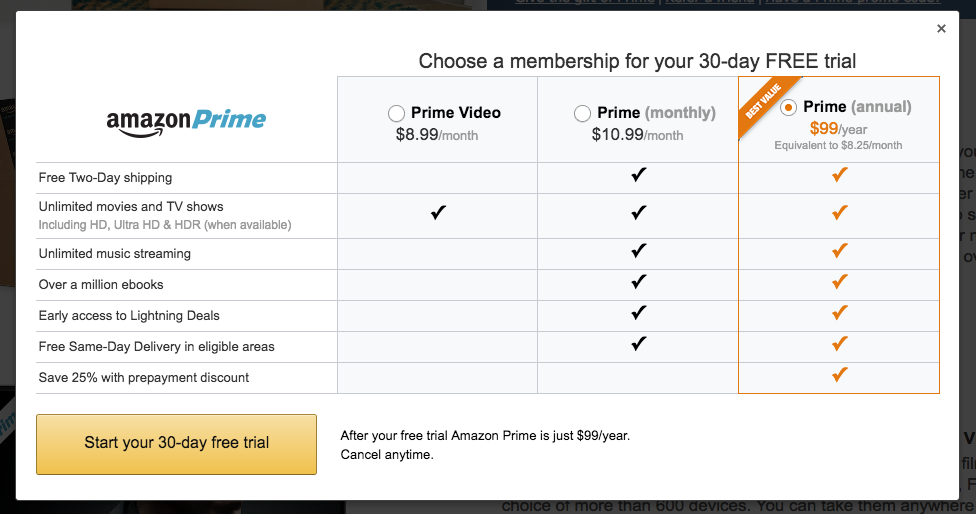
Prime Video is included in the monthly fee. When compared to the standalone costs of other streaming platforms, the value is clear. If a consumer cancels a separate $15/month streaming service because Prime Video fulfills their entertainment needs, the “shipping” portion of the Prime membership becomes effectively free. From a wealth-management perspective, consolidating digital subscriptions is one of the easiest ways to trim “leaking” expenses from a monthly budget.
Prime Music, Reading, and Gaming
Amazon also includes Prime Music (a limited but functional streaming library), Prime Reading (a rotating selection of e-books), and Prime Gaming. While these may seem like “fluff” features, they provide tangible substitutes for other paid services. A user who utilizes Prime Reading instead of a $10/month Kindle Unlimited subscription or uses Prime Music instead of a paid Pandora account is essentially generating a net positive cash flow by leveraging the Prime ecosystem.
The Hidden Costs and Financial Psychology of “Free” Shipping
While the mathematical benefits of Prime are compelling, a professional financial analysis must also consider the psychological impact of the service on consumer spending habits. There is a phenomenon often referred to as the “Prime Effect,” which can negatively impact a user’s net worth if not managed carefully.
The Sunk Cost Fallacy
Once a consumer pays the $14.99 monthly fee (or $139 annually), they often fall victim to the sunk cost fallacy. Because they have already “paid” for shipping, they feel a psychological compulsion to use the service as much as possible to “get their money’s worth.” This often leads to an increase in impulse purchases—buying small items they don’t strictly need simply because there is no friction or additional cost to have them delivered.
The Erosion of Price Comparison
Amazon Prime’s convenience can lead to “lazy consumerism.” When a user knows they can get an item delivered in 24 hours for “free,” they are less likely to price-shop at other retailers. In many cases, a product might be $2.00 cheaper at a local big-box store or a specialized online retailer, but the convenience of the Prime ecosystem keeps the consumer locked in. Over the course of a year, this lack of price sensitivity can cost a household hundreds of dollars, potentially offsetting the savings gained from the membership itself.
Strategies to Optimize Your Subscription Budget
For those committed to the Amazon ecosystem, there are professional strategies to ensure the monthly cost remains an asset rather than a liability.
1. The “Pause and Batch” Method
If you do not find yourself using the streaming services or needing items urgently, you can treat Prime as a seasonal tool. By paying the $14.99 monthly fee only during months of high demand (like November for holiday shopping or August for back-to-school), you can enjoy the benefits of the service for $30–$45 a year rather than $139. Batching your purchases into these specific months ensures you maximize the value of the shipping benefit.
2. Utilizing Amazon Household
Amazon allows users to share their Prime benefits with one other adult through “Amazon Household.” From a personal finance perspective, this effectively cuts the cost of the subscription in half. Two roommates or partners can split the $139 annual fee, bringing the monthly cost down to approximately $5.79 per person. This is one of the most effective ways to lower your digital overhead without sacrificing service access.
3. Monitoring Credit Card Rewards
Financial optimization often involves stacking benefits. The Amazon Prime Rewards Visa Signature Card, for example, offers 5% back on all Amazon and Whole Foods purchases for Prime members. For a household that spends $500 a month on the platform, the $25 in monthly rewards not only covers the $14.99 membership fee but provides an additional $10 in pure profit. In this scenario, the membership moves from an expense category to a revenue-generating tool.

Final Verdict: Is it Worth the Monthly Fee?
In conclusion, “how much is Amazon Prime a month” is a question that yields a simple numerical answer ($14.99), but a complex financial reality. For the disciplined consumer who leverages the grocery discounts, consolidates their streaming services, and utilizes the 5% cashback rewards, Amazon Prime is a powerful tool for financial efficiency. It simplifies logistics and reduces the standalone costs of entertainment.
However, for the impulsive spender who is susceptible to the “Prime Effect,” the membership can serve as a gateway to unnecessary discretionary spending. To truly win at the game of personal finance, one must look past the convenience of the “Buy Now” button and critically assess whether the $14.99 is buying you savings, or simply making it easier for you to spend. When managed with a professional mindset, Amazon Prime is not just a subscription; it is a strategic component of a modern, efficient household budget.
aViewFromTheCave is a participant in the Amazon Services LLC Associates Program, an affiliate advertising program designed to provide a means for sites to earn advertising fees by advertising and linking to Amazon.com. Amazon, the Amazon logo, AmazonSupply, and the AmazonSupply logo are trademarks of Amazon.com, Inc. or its affiliates. As an Amazon Associate we earn affiliate commissions from qualifying purchases.